
Tribal leaders weigh in
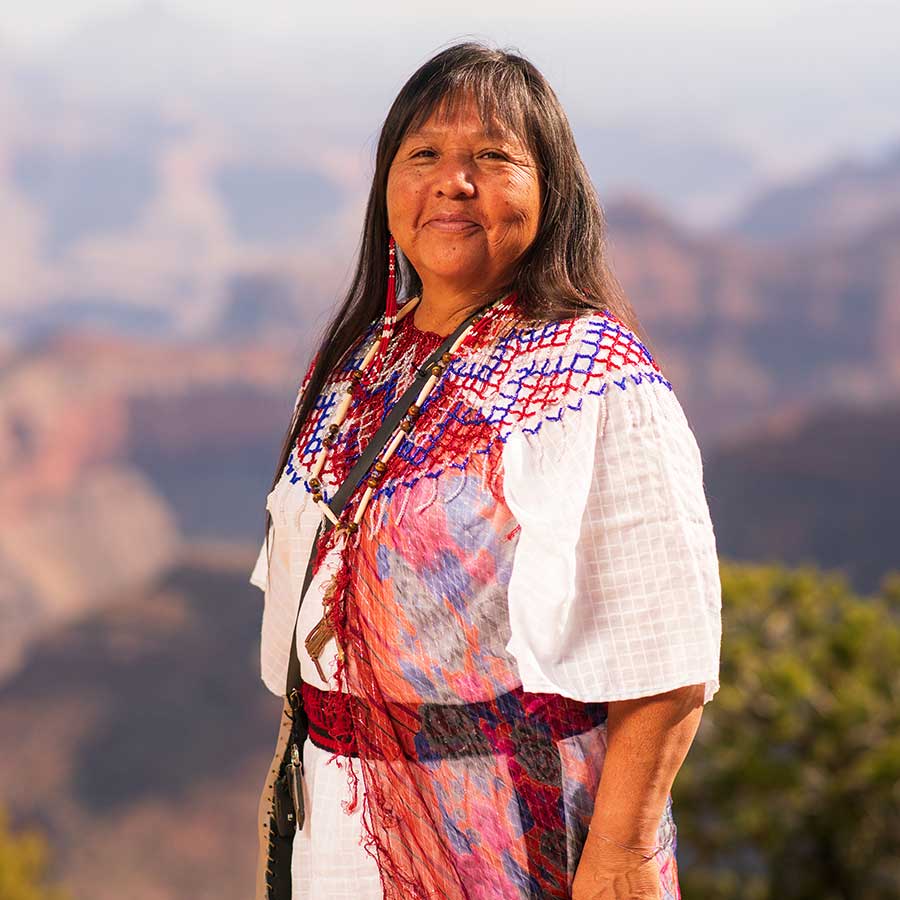
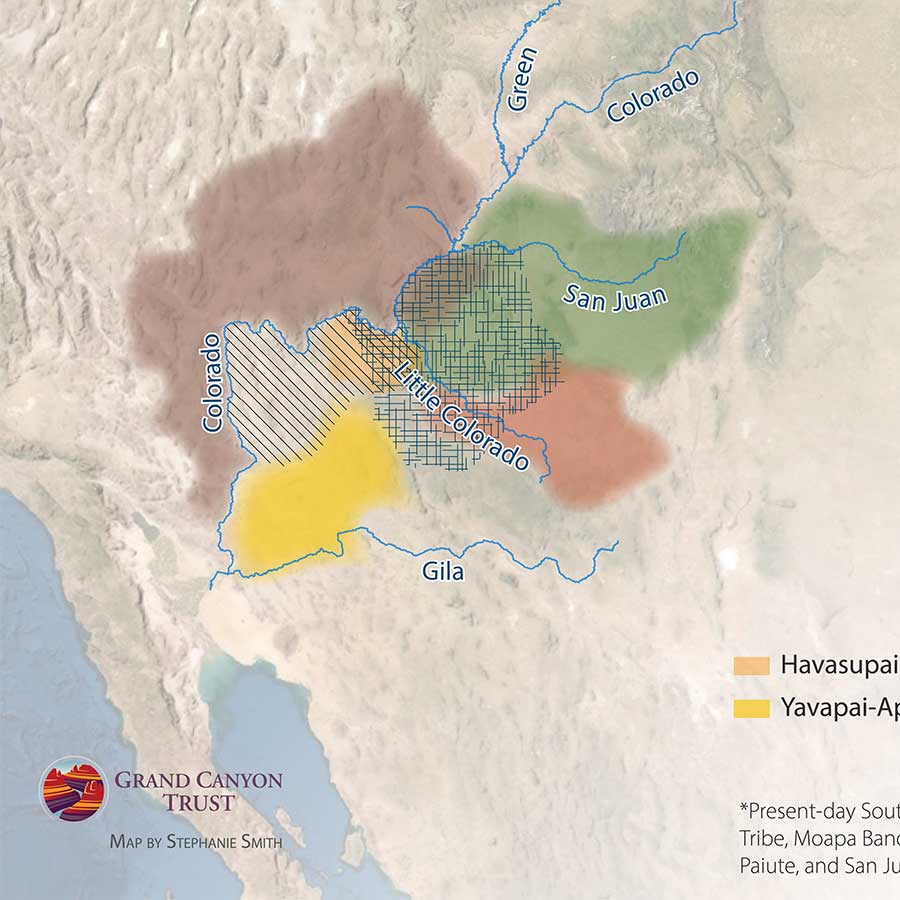
In 2005, the Navajo Nation outlawed uranium mining and processing on its 27,000-square-mile reservation. Hopi, Kaibab Paiute, Hualapai, and Havasupai leaders joined Navajo President Shirley in testifying in support of legislation that would withdraw from new mineral development most of the remaining federal lands surrounding the Grand Canyon. At Chairman Grijalva’s recent field hearing in Flagstaff, Navajo President Joe Shirley said:
“The tragedy of uranium’s legacy extends not only to those who worked in the mines, but to those who worked and lived near the mines that also experienced devastating illnesses. Decades later, the families who live in those same areas continue to experience health problems today. The remnants of uranium activity continue to pollute our land, our water, and our lives. It would be unforgivable to allow this cycle to continue for another generation.”
Hualapai Tribe bans uranium mining
Despite a pending partnership with Golden Eagle Minerals, the Hualapai Tribal Council in 2008 voted to ban uranium mining on its tribal lands, which are located near the Grand Canyon. “The decision to ban uranium mining has come as a result of recent pressure from their attorney who also works for the Navajo Nation. The Navajo Nation banned uranium mining due to issues associated with abandoned mines/mills, groundwater contamination and claims of cancer associated with Navajo workers in prior mining operations. The Hualapai development scenario would be environmentally protective with off-site milling, worker safety and no chance for groundwater contamination since the deposits are quite different than those on Navajo lands,” responded Sean Muller of Golden Eagle in a Tribal council meeting. Sean Muller was previously the Principal Geologist for the Council of Energy Resource Tribes. In 1982, Mr. Muller successfully negotiated a uranium lease on the Hualapai reservation with Energy Fuels that expired when the market price of uranium dramatically dropped later in the mid-'80s.