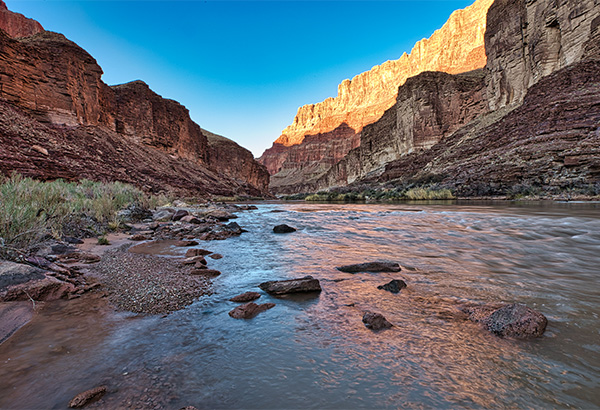
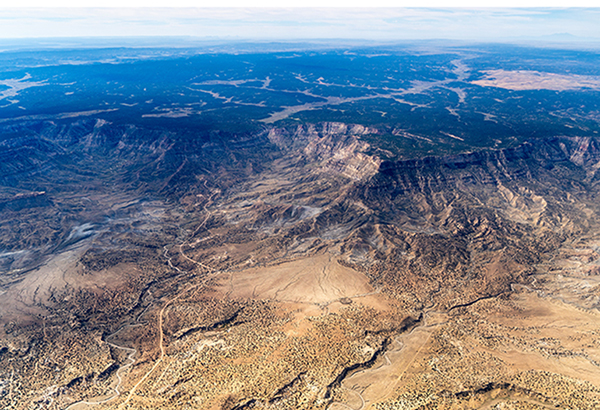
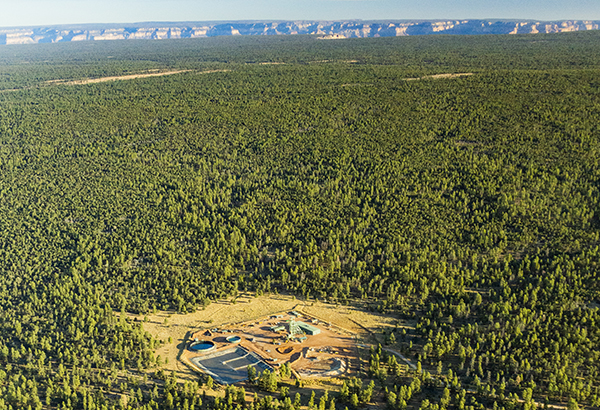
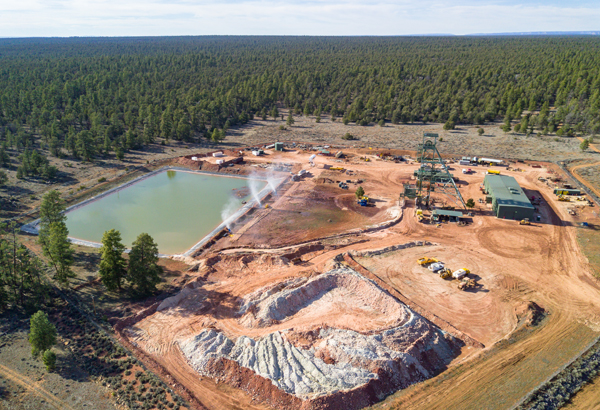
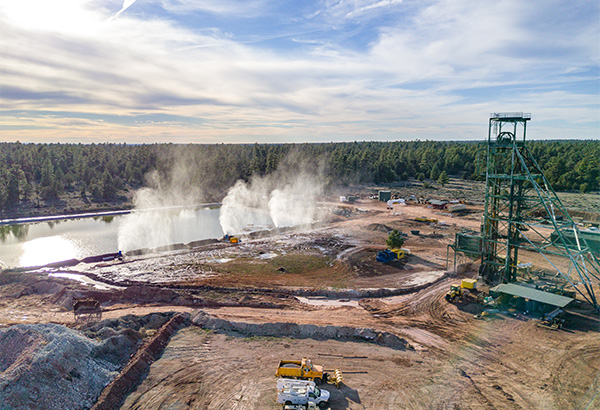
COCONINO COUNTY, AZ (3TV/CBS 5) — A uranium mine is in operation less than 10 miles from the Grand Canyon and inside the new Grand Canyon National Monument President Biden declared just last summer.... Read Original Story
Federal energy officials denied permits for a controversial hydropower project on The Navajo Nation in northern Arizona. In its decision to deny those permits, the Federal Energy Regulatory... Read Original Story
In recent weeks, lots of attention has been focused on the concern that uranium mining near the Grand Canyon could impact groundwater, including water used by the Havasupai Tribe.
But a new report by... Read Original Story
A new report from the U.S. Geological Survey and the Havasupai Tribe identifies Tribal concerns about exposure to uranium mining in the Grand Canyon watershed.
The authors of the report say that... Read Original Story
A uranium mine in Arizona located just 7 miles south of the Grand Canyon national park has begun operations, one of the first in the US to open in eight years.
The opening of the Pinyon Plain mine... Read Original Story
On a windy day last August, President Joe Biden signed a proclamation protecting the canyons, cliffs, and plateaus surrounding the Grand Canyon National Park, nearly a million acres abutting the... Read Original Story
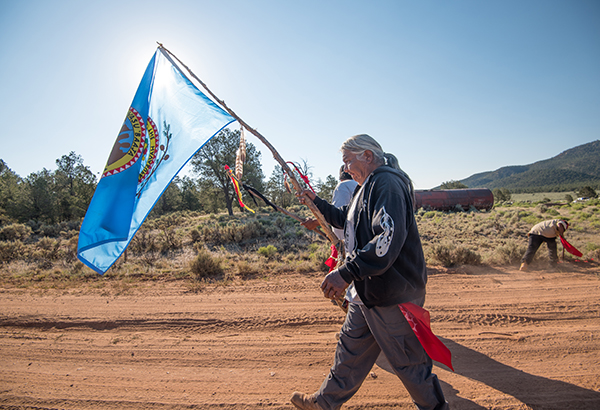
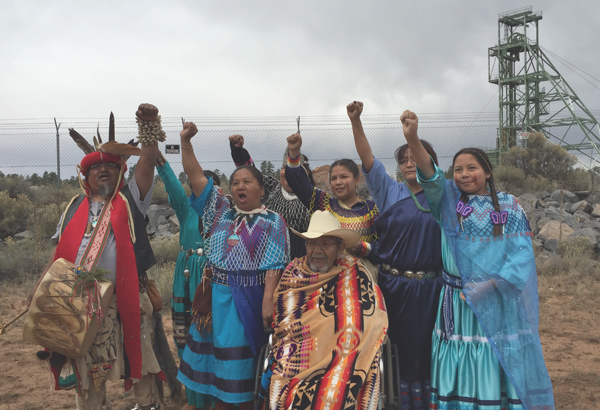
Two northern Arizona tribes this week condemned the start of operations at a uranium mine just south of the Grand Canyon.
The statements came after Denver-based company Energy Fuels Inc. announced... Read Original Story
A uranium mine less than 10 miles from the South Rim of the Grand Canyon has begun production. It comes after decades of preparation work and amid resistance from tribal and environmental groups.
In... Read Original Story