This is a popup dialog that overlays the main content of the page. The popup includes a search form to help you find the information you are seeking. Pressing the close button or using the escape key will close the popup.
Pete McBride
Our Work
We are your steadfast advocates for the Grand Canyon and beyond.
The Grand Canyon Trust is committed to protecting the Southwest’s lands, waters, air, and wildlife.
Colorado Plateau conservation We scale our work to match the size and grandeur of the Grand Canyon
Protecting vast landscapes, expansive skies, and grand vistas demands a forward-thinking approach to conservation.
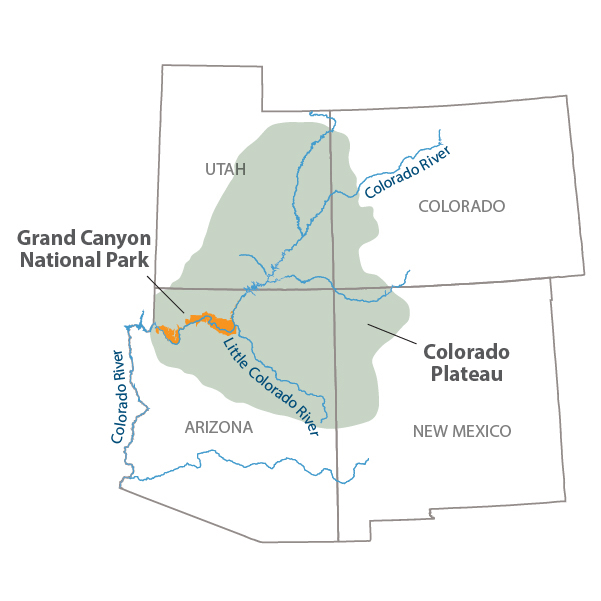
At the Grand Canyon Trust, we set big goals and bring laws, policies, public pressure, science, and traditional knowledge to bear on the most pressing issues across Arizona, Utah, Colorado, and New Mexico.
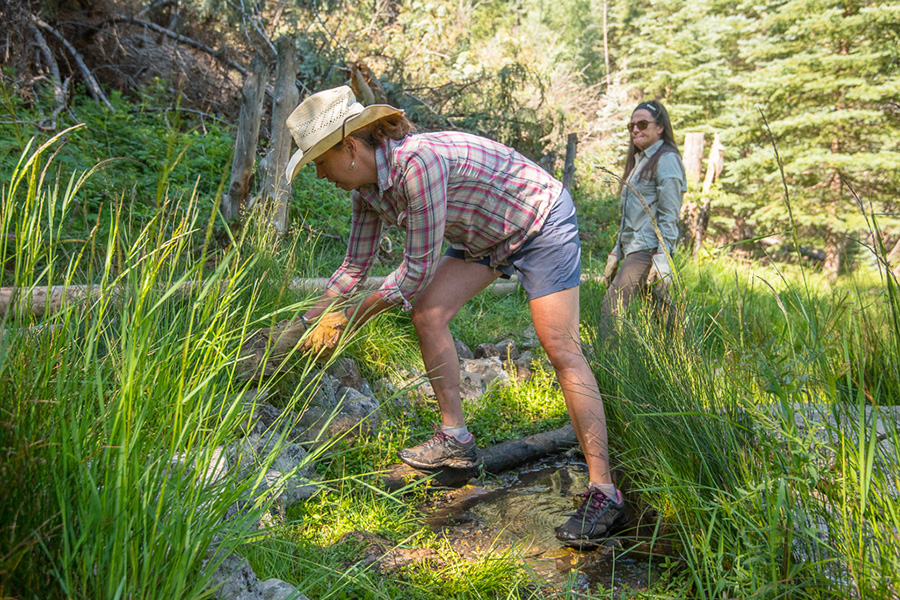
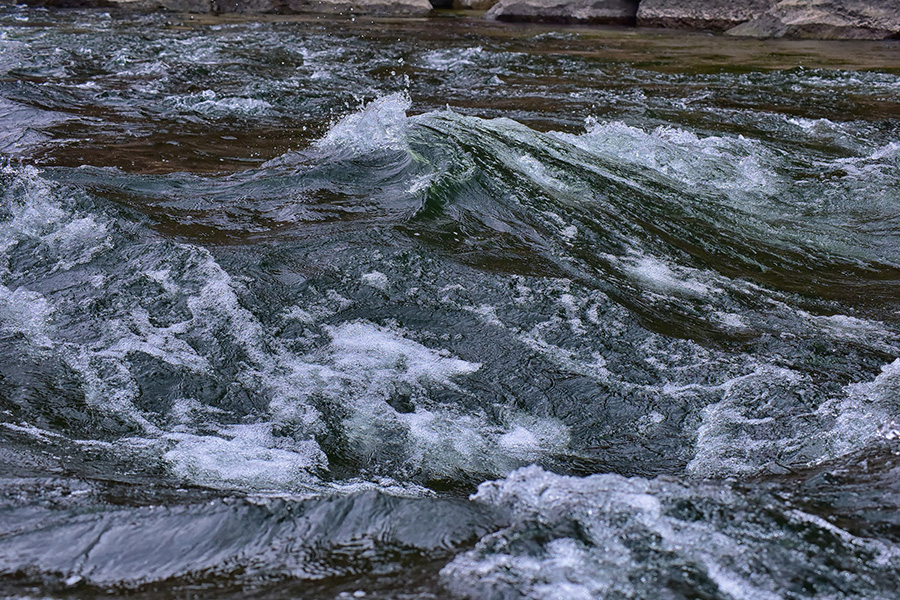
We restore healthy habitats for native species with volunteers. We pull weeds, restore springs, and build fences so that plants and animals can thrive.
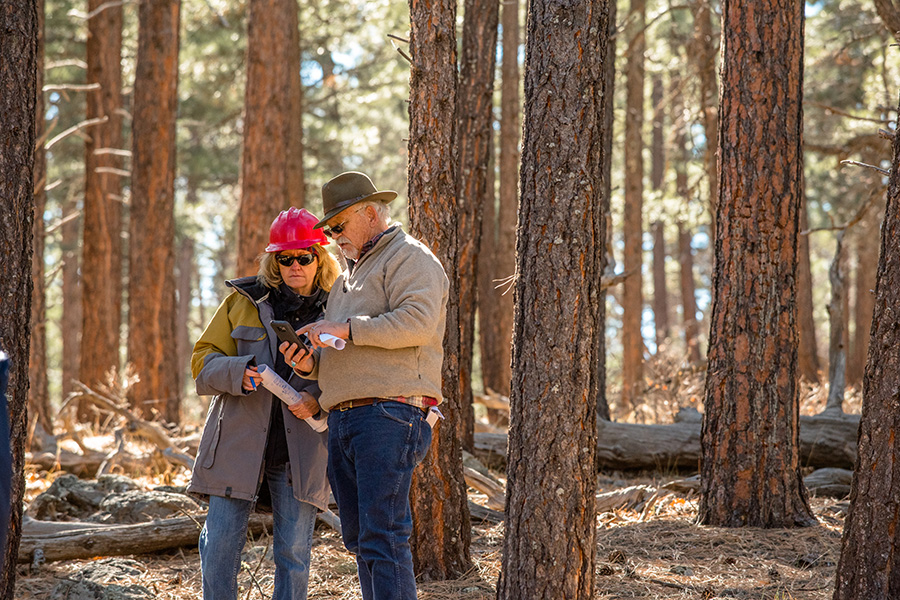
We help lead large-scale forest restoration in Arizona to safeguard communities and wildlife from catastrophic fires.
Where we work
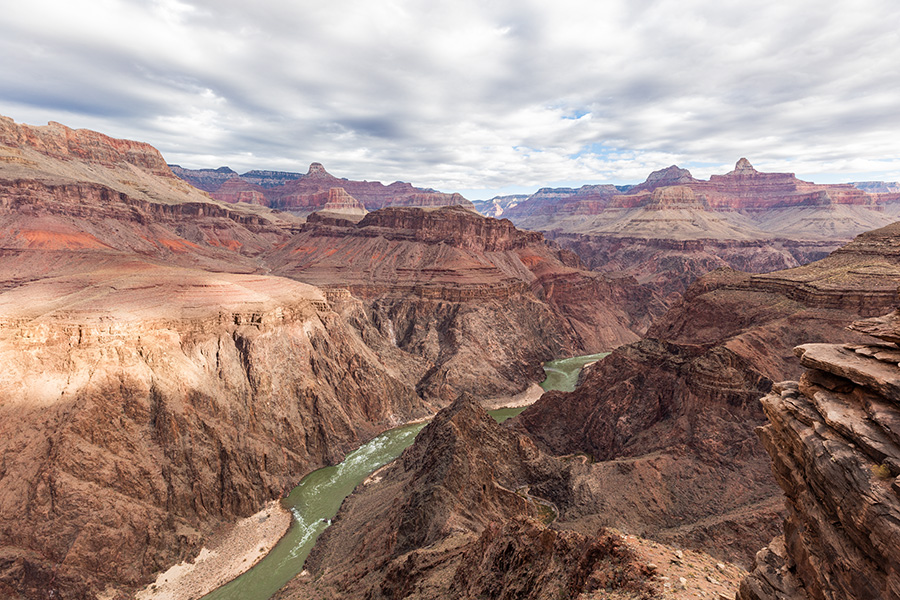
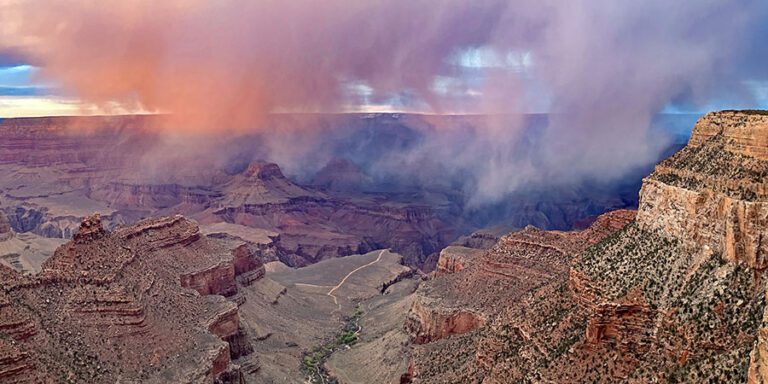
The Grand Canyon sits at the heart of the Colorado Plateau, a region full of national parks, monuments, and millions more acres of spectacular public and tribal lands.
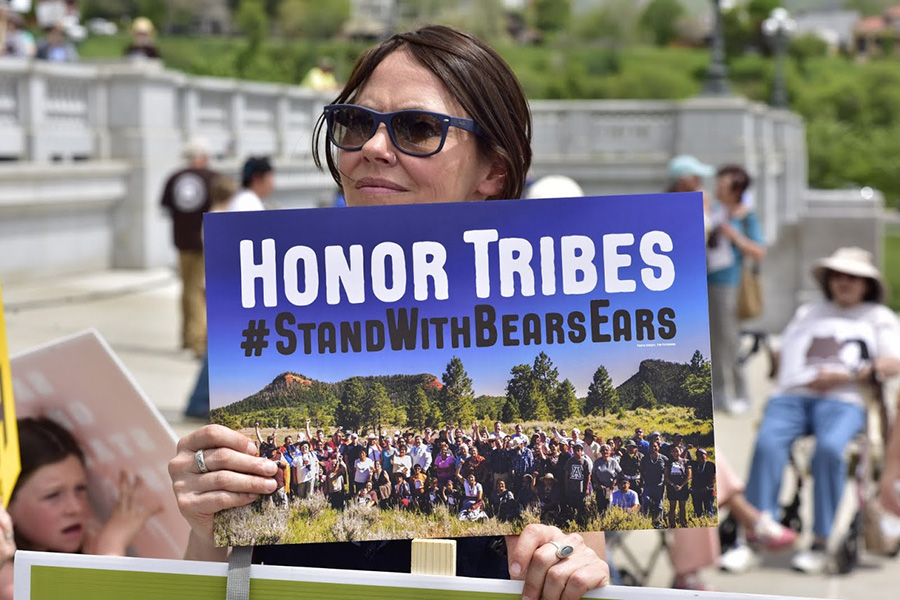
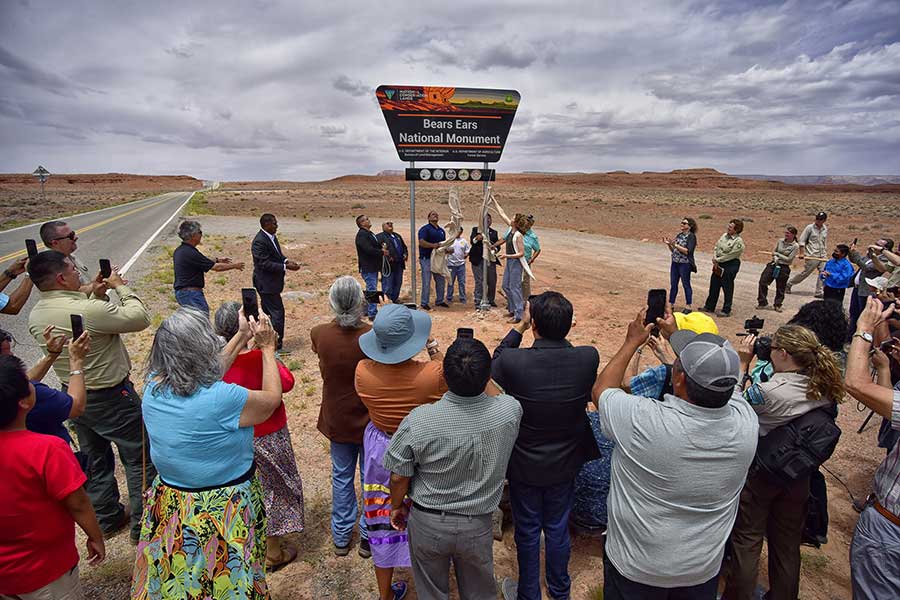
The Colorado Plateau is home to many Native American tribes whose cultures, traditions, and teachings continue to shape the region today.
Colorado Plateau by the numbers
National parks
0
National monuments
0
Tribal lands
0%
We recognize that the Colorado Plateau is Indigenous land and that the Western conservation movement has historically excluded the voices of Indigenous peoples who have practiced land stewardship since time immemorial.
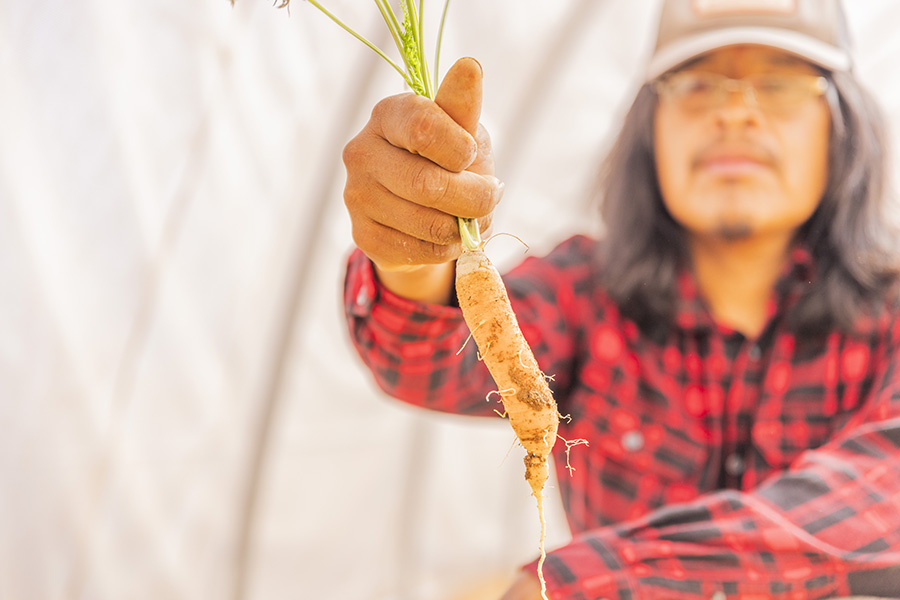
We work alongside and in support of tribes and Native communities as they build equitable economies, protect their sacred landscapes, and reclaim authority to manage their ancestral lands.
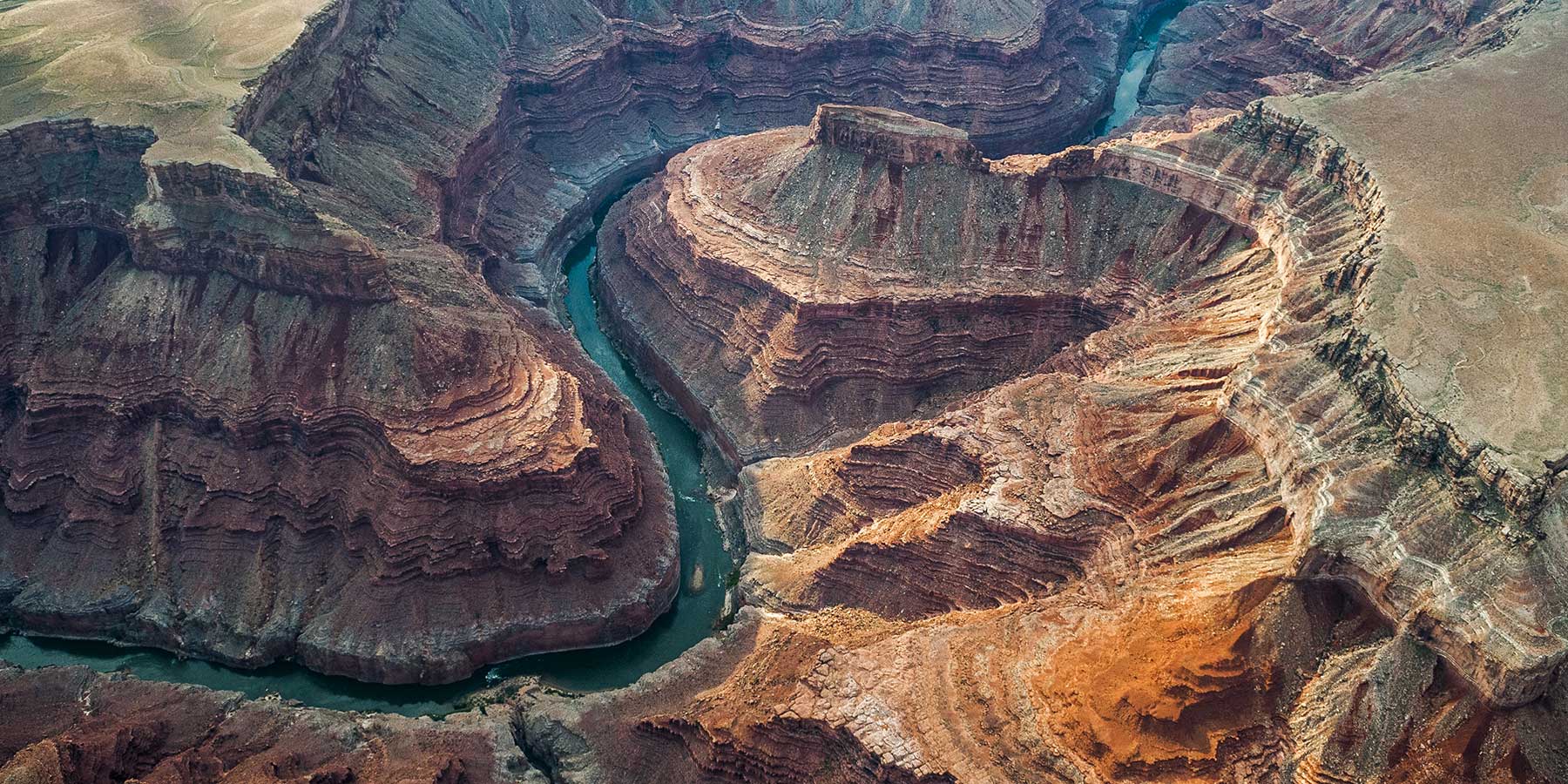
Deep in the American Southwest, there is a desert cathedral that stretches for almost 300 miles. If we can’t protect the Grand Canyon, then what are we willing to protect?
The Grand Canyon Trust is a regional conservation organization grounded in the Southwest, working tirelessly since 1985 to protect its slickrock canyons, precious waters, and forested mesas, while supporting the rights of its Native peoples.
Science
Good policy is based on good science. We work with researchers, agency partners, and volunteers to field-test conservation strategies.
Law and policy
Our legal team pushes back against mining companies, government agencies, and developers to protect public and environmental health.
Partnerships
Our best work is done in partnership with local communities, grassroots groups, scientists, ranchers, local business owners, and many others.
People power
We rely on advocates across the country to lend their voices, hearts, and time to help us protect the Colorado Plateau.
Amy S. Martin
“We’re succeeding not because we’re brilliant, but because we have been dogged and persistent and always there. We assemble facts and make the case.”
Ed Norton
first Grand Canyon Trust president
The Southwest faces unprecedented threats
Climate change, uranium mining, severe wildfires, livestock grazing, dams, and unsustainable development threaten the integrity of our lands, waters, and communities.
Support long-term solutions to protect the landscapes you love.
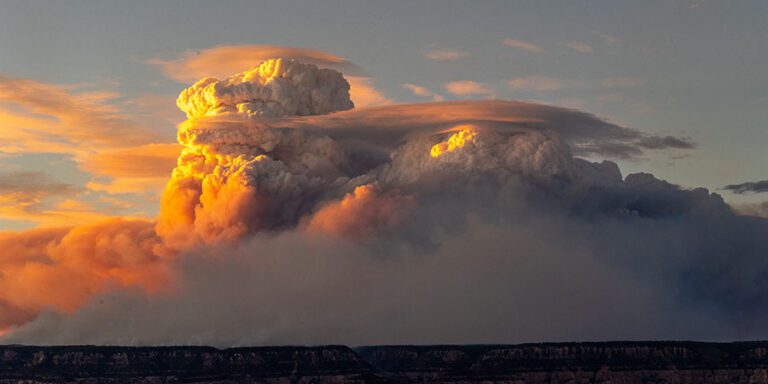
In the summer of 2025, fires raged across the north rim of the Grand Canyon. Now that the smoke has lifted, what does the future hold for the national park?