
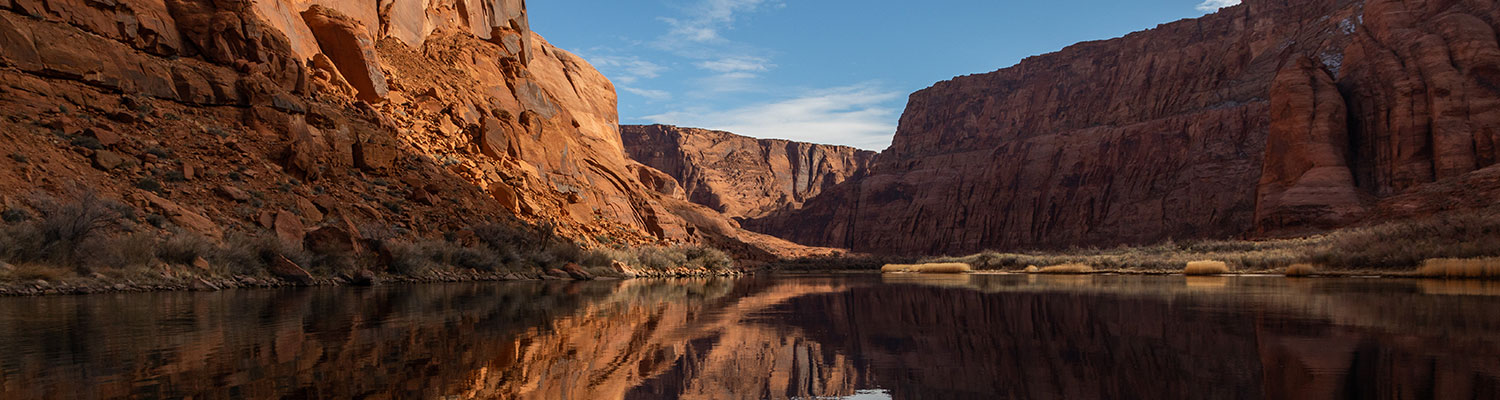
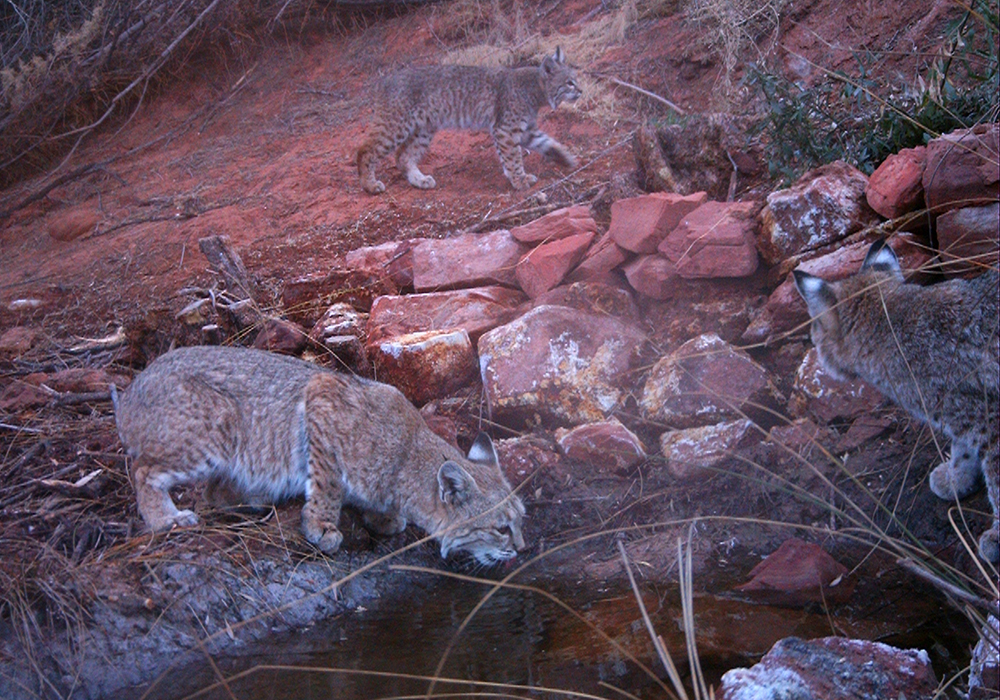
The Colorado Plateau is dry — you can see it in the parched landscapes and feel it in your cracked skin. But look a little closer and you find rare pockets of water where willows grow, bobcats drink, and birds feed.
We work to understand how wildlife and plants use springs, and we find ways to restore these precious desert watering holes. From studying water quality and documenting flows, to pulling invasive tamarisk trees, to stopping unsafe uranium mining, we aim to balance the needs of plants, animals, people, and communities. After all, water is life.
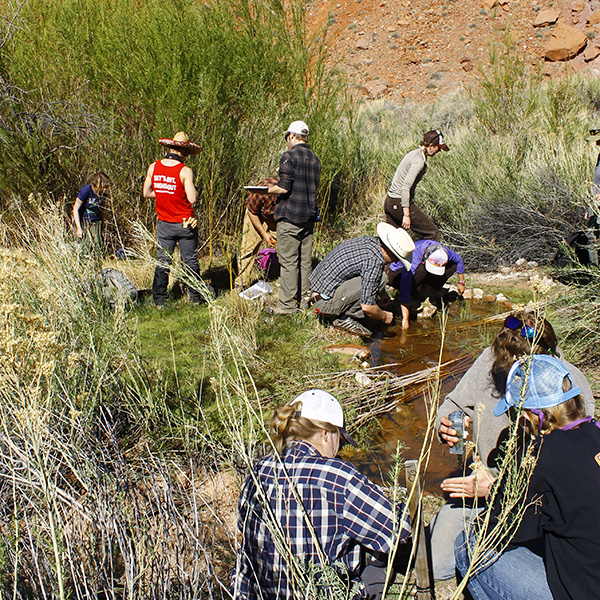
We removed invasives and rebuilt pools at several springs on the North Rim Ranches. We continue to monitor the sites via wildlife cameras.
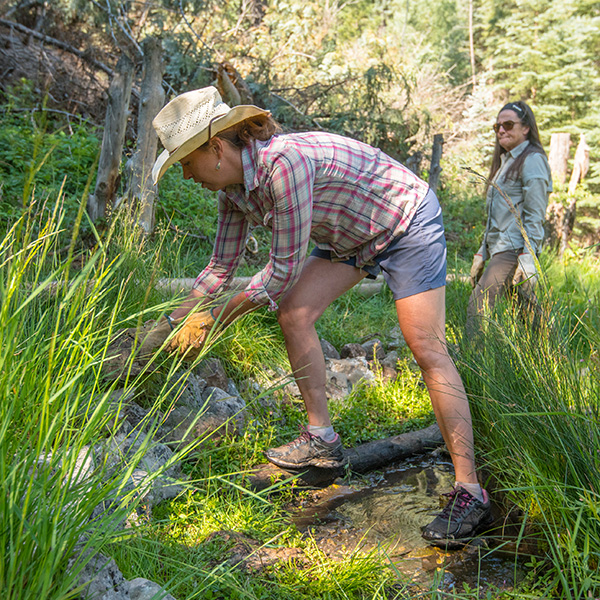
We're working with the Four Forest Restoration Initiative (4FRI) to assess and restore springs across northern Arizona.
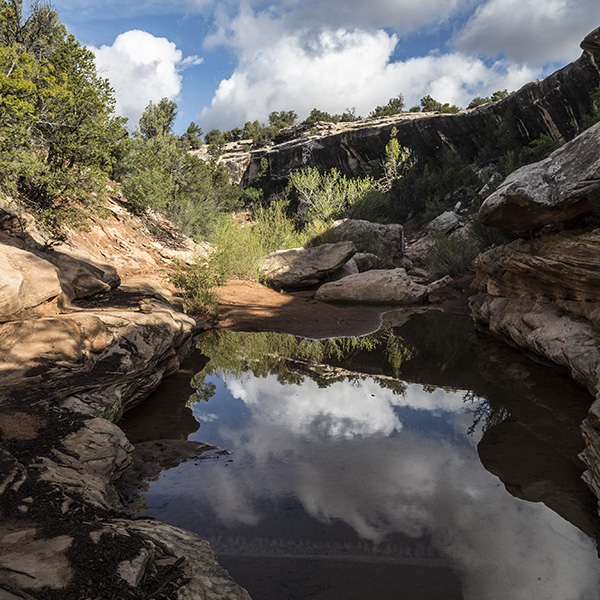
Our assessments of nearly 50 springs in Bears Ears will help us advocate for better protection of these fragile water sources.
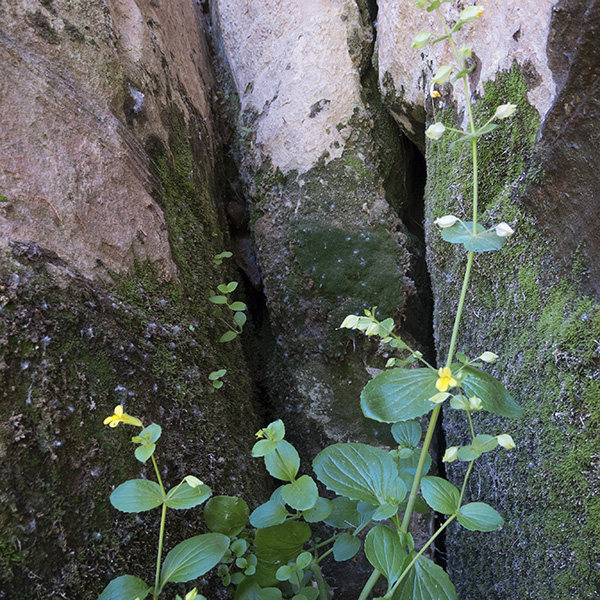
We visited and surveyed about 10 springs inside and outside of the reduced monument boundaries.
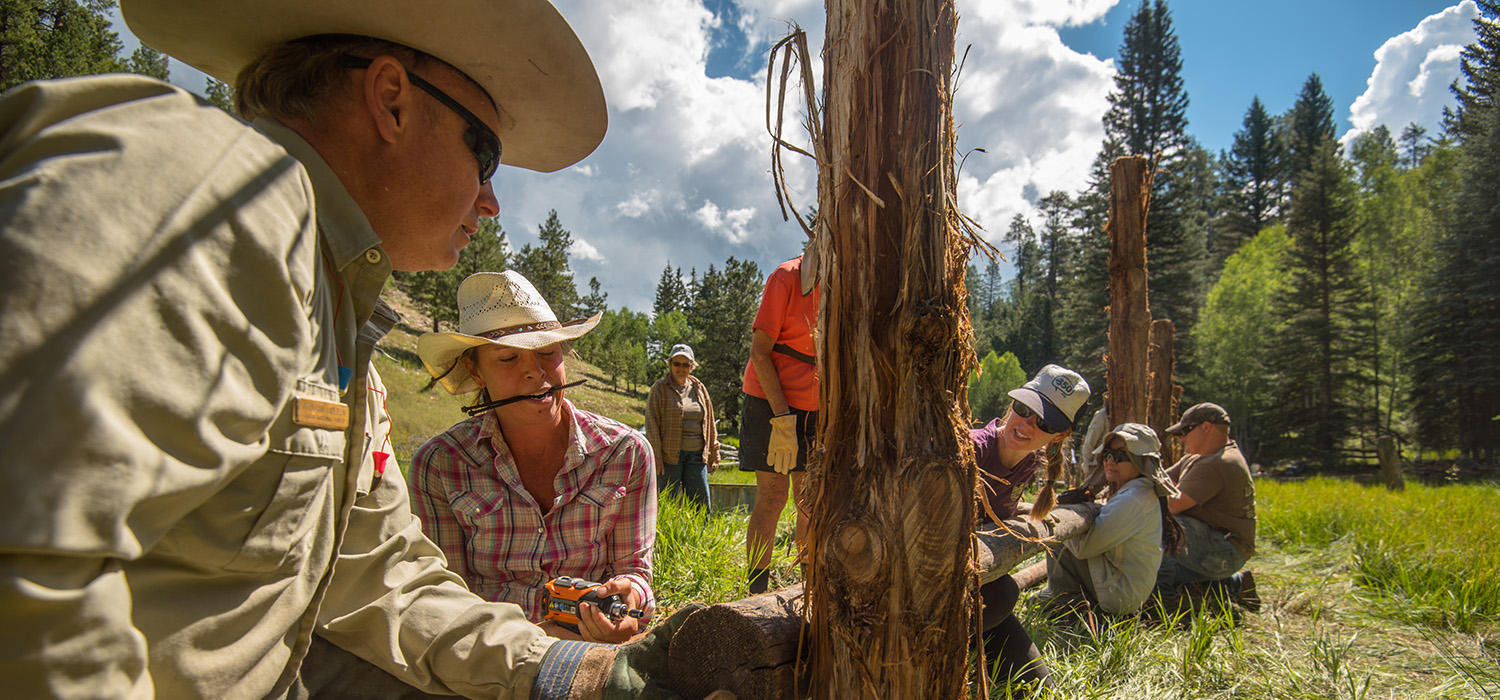
We assess the health of springs across the Colorado Plateau, prioritize work sites, and do our best to restore and preserve natural systems.
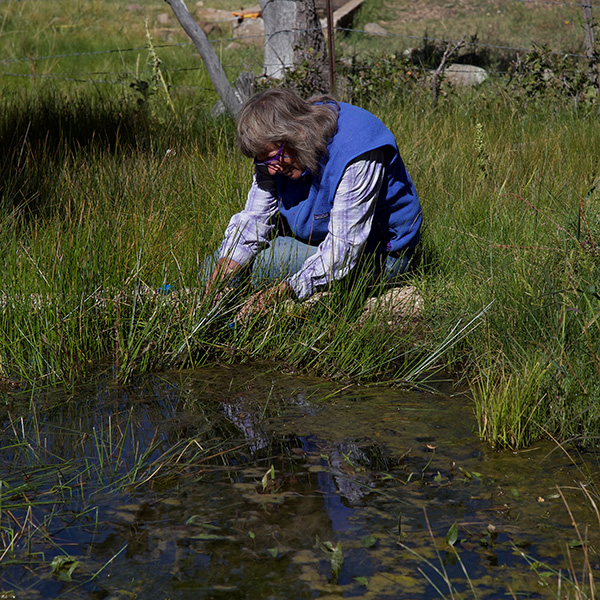
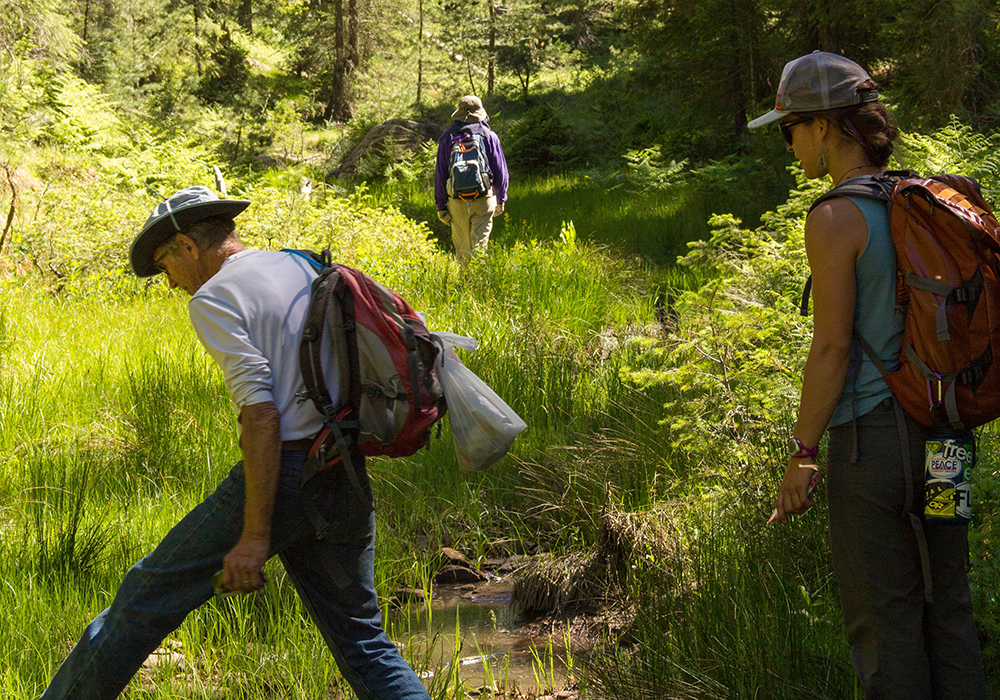
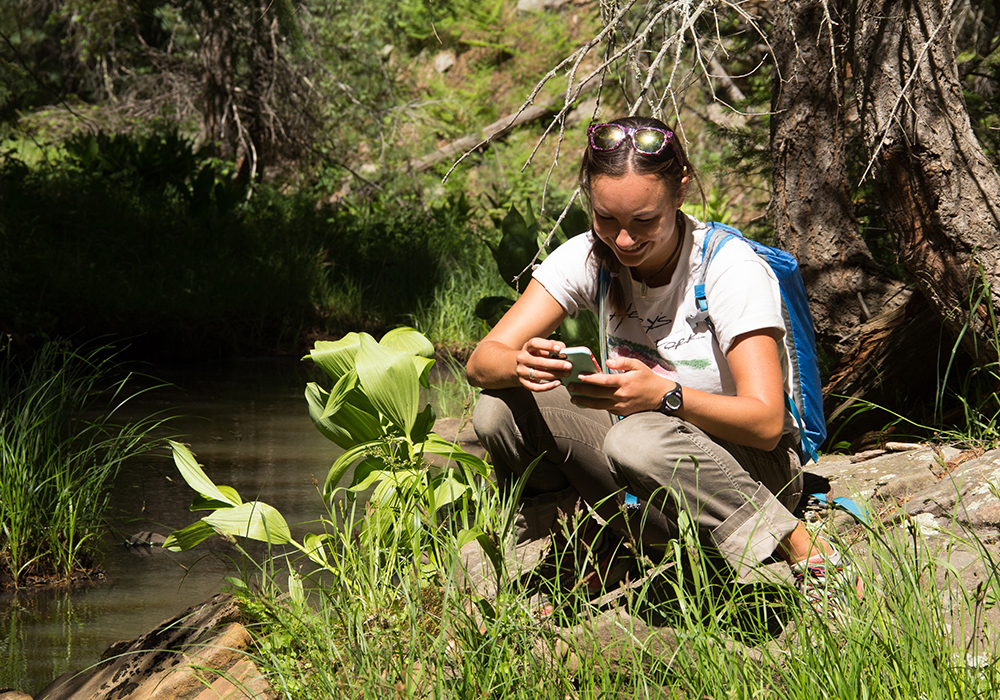
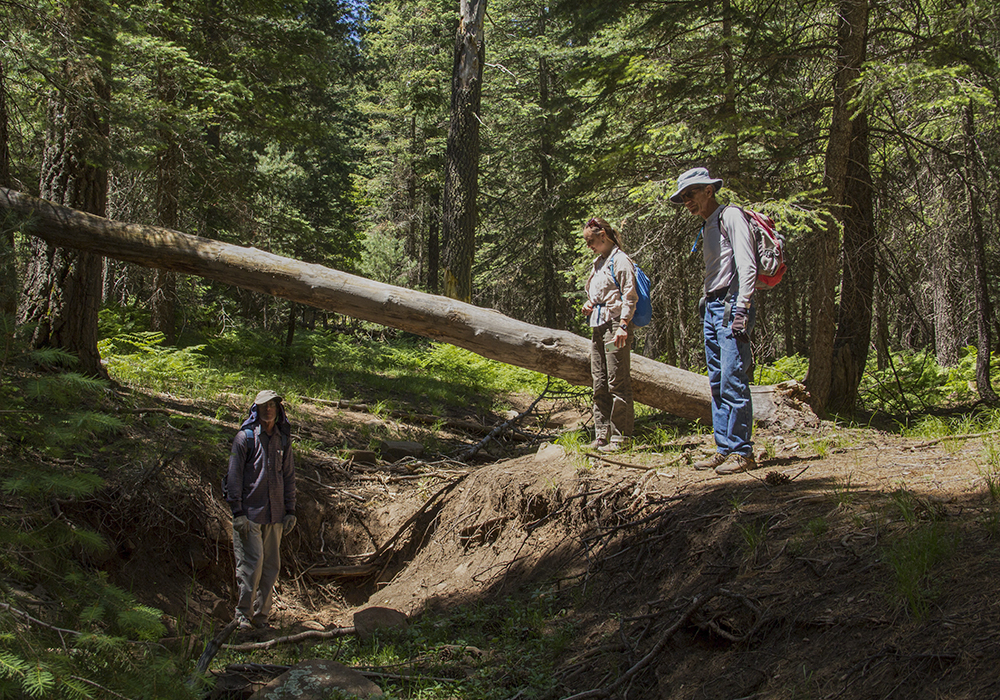
We take citizen scientists on geocaching adventures to find springs and document their condition. This typically involves measuring water quality and flow, looking for wildlife, scat, and animal tracks, assessing human infrastructure, and documenting native and non-native plants.
This information helps us prioritize restoration sites. We also share the data we collect with land management agencies, like the Forest Service and Bureau of Land Management, so they can best protect springs on our public lands.
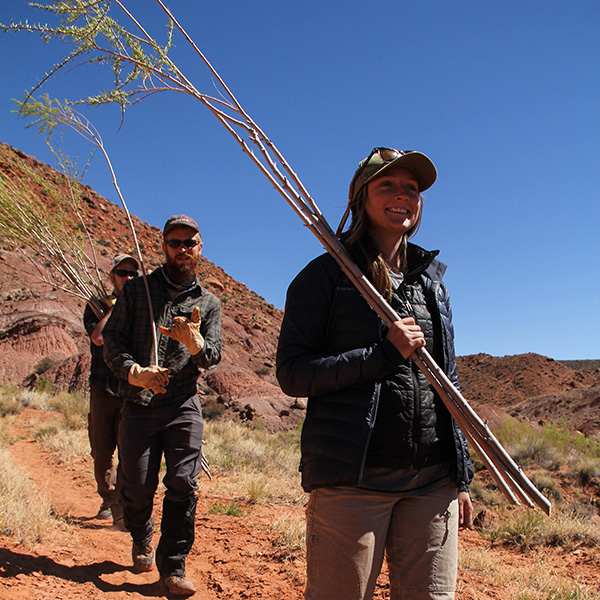
We get our hands dirty restoring springs across the Colorado Plateau. Sometimes we build fences to protect springs from the heavy feet of cattle; other times we clear out invasive water-sucking plants. But regardless of method, it takes time for springs to recover.
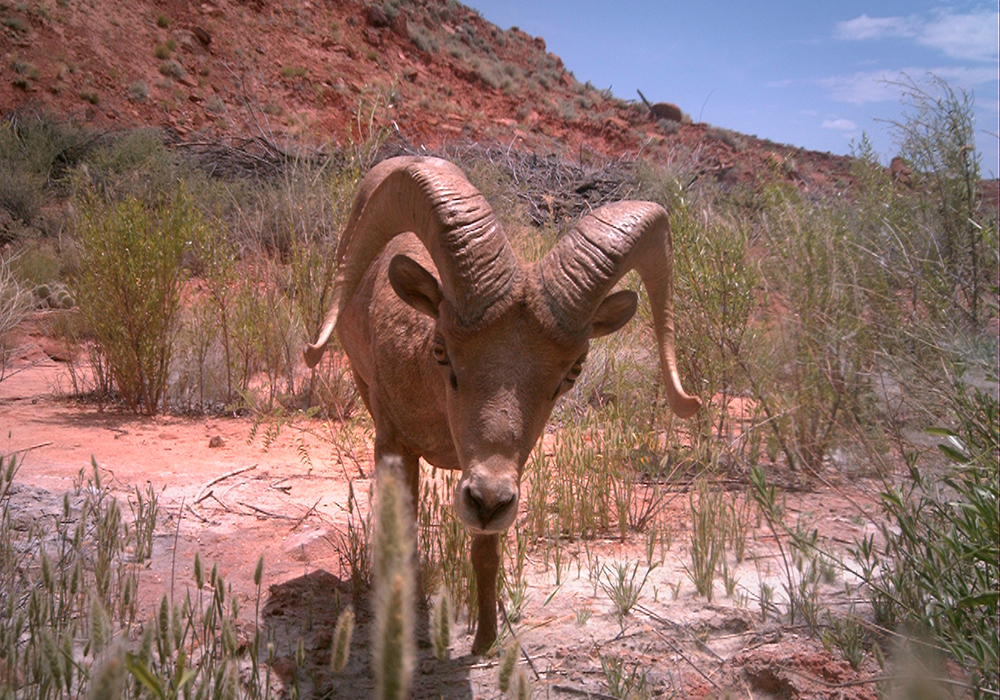
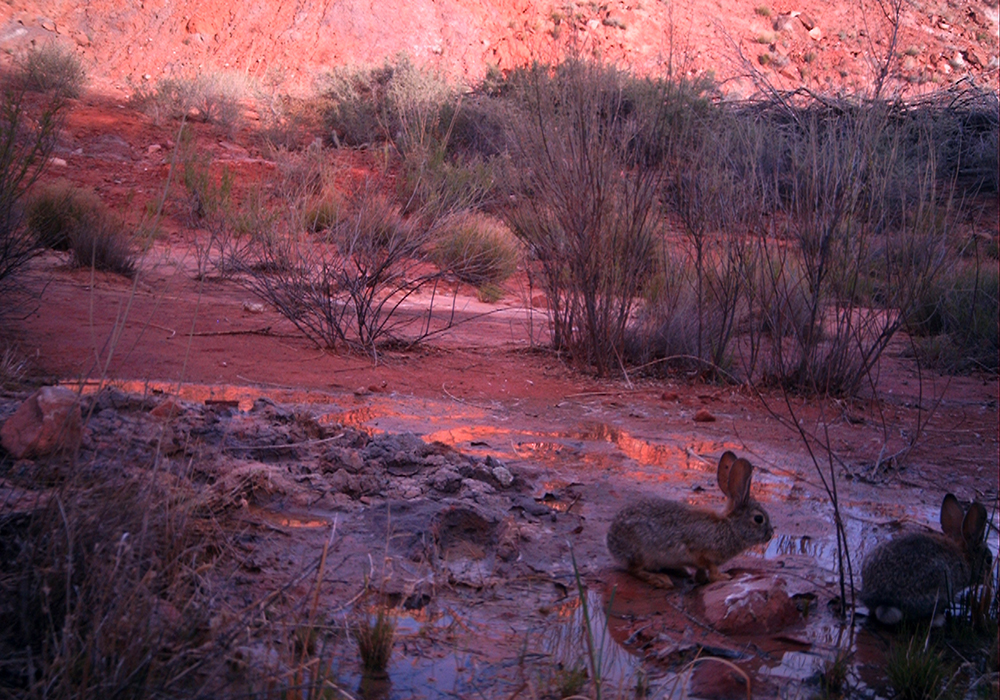
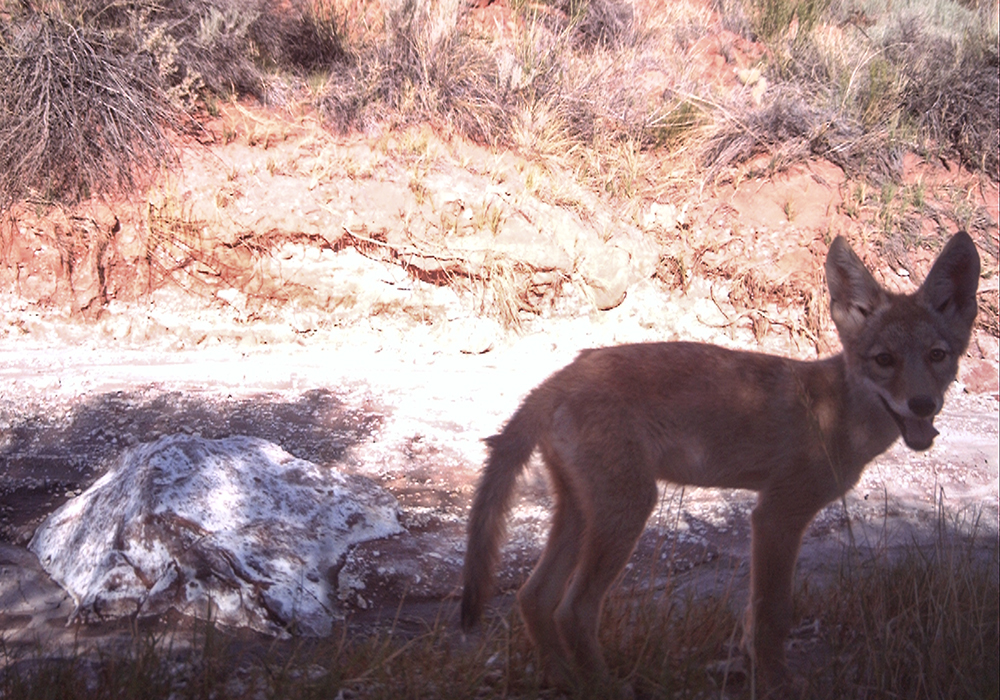
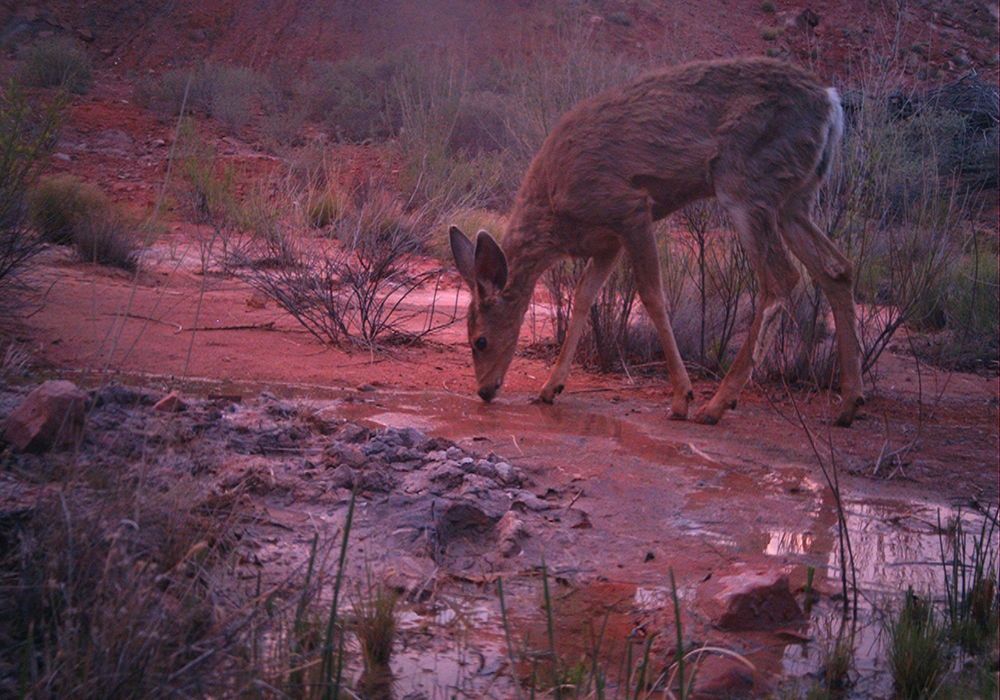
We regularly check on our sites to make sure the plants, animals, and ecosystems are thriving. If not, we tweak our restoration plans accordingly. Some of our sites have wildlife cameras that capture coyotes, pronghorn, and jackrabbits drinking from the restored springs.
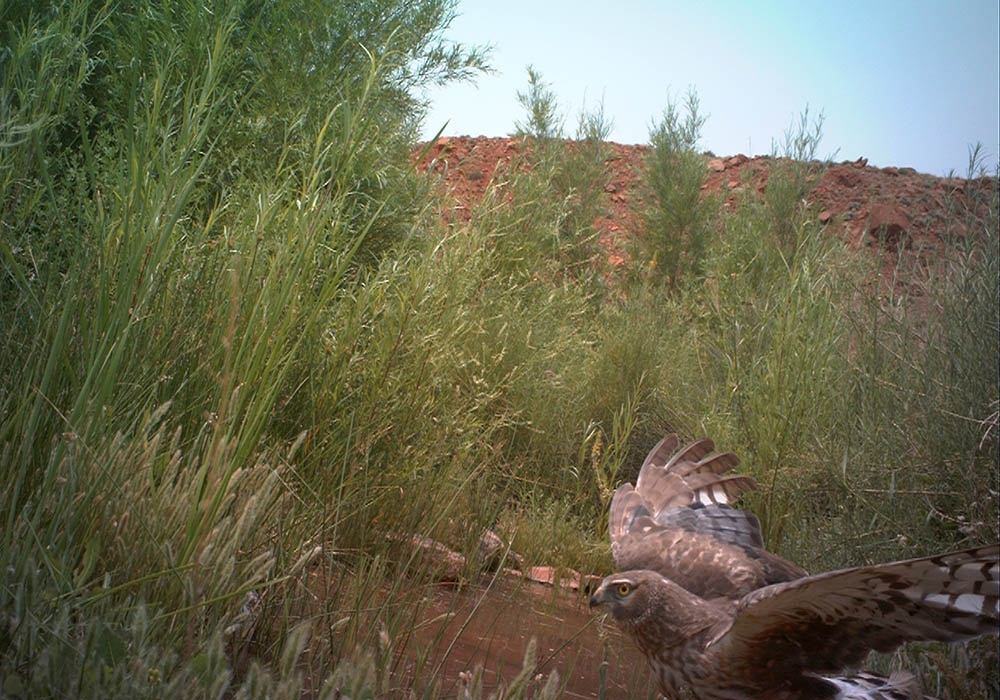
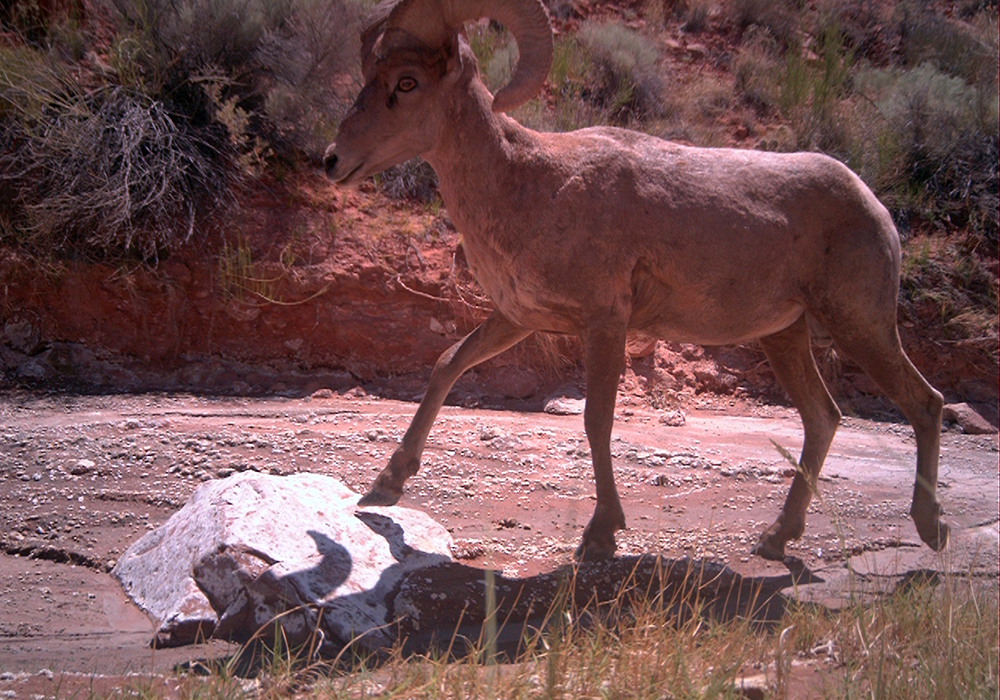
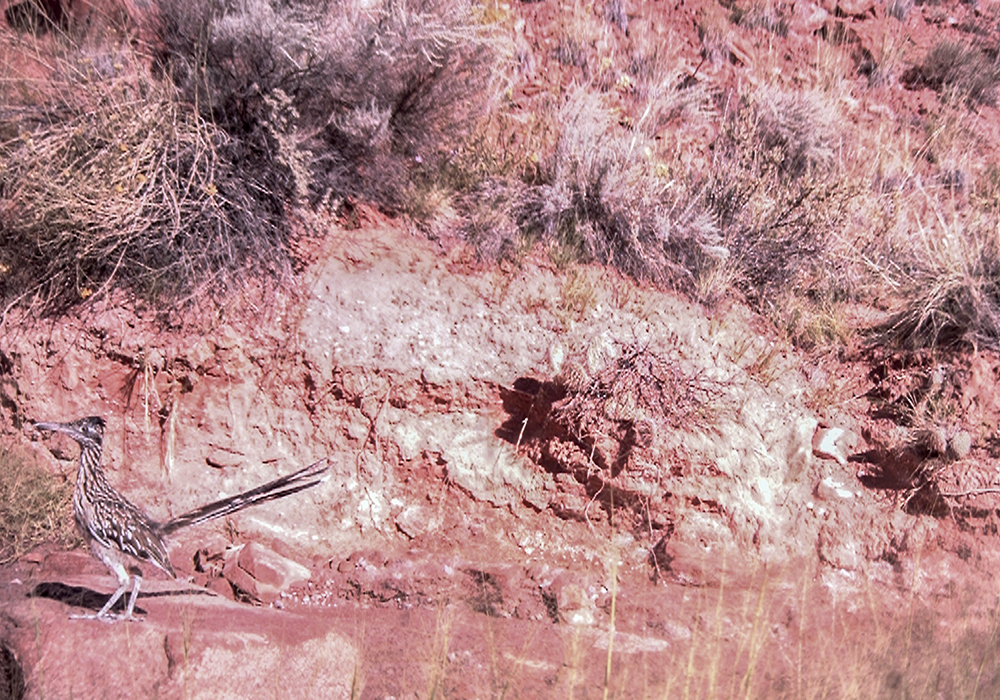
We place cameras at springs we’ve restored to see what critters are using the waters we’ve brought back to life. From mice, to birds, to bobcats, we’re learning about wildlife that depend on this landscape. It’s imperative that we help protect springs when and where we can.
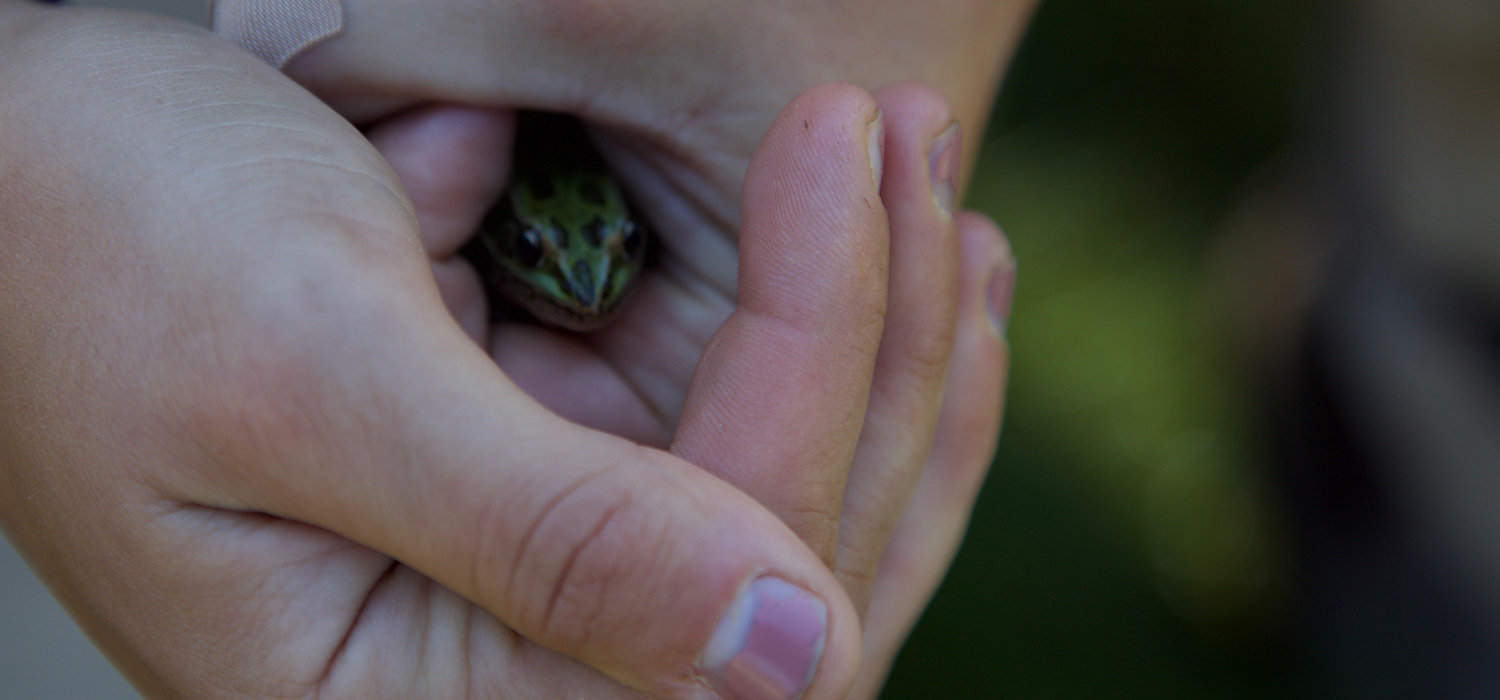
Where is it wet, and where is it dry? Our citizen scientists set out on foot to learn about surface water in northern Arizona.
Project start date: 2016
Current status: To date, we've hiked more than 100 miles off-trail along the Mogollon Rim. Our volunteers use an app on their phones to mark where they find water in creek beds, stream channels, and washes.
Our forests in northern Arizona are unnaturally dense — the result of past clear-cutting, historic overgrazing, and decades of fire supression. In addition to posing high risk of severe wildfire, too many trees has the side effect of sucking up a lot of water. Thinning our forests, then, should free up water from root systems and result in more water flowing downstream for fish, plants, animals, and people. We’re collecting baseline information, so that as the Four Forest Restoration Initiative progresses, we can understand how forest restoration activities are affecting our water resources.
When it comes to understanding groundwater in the Grand Canyon, scientists have more questions than answers. A 20-year ban on new uranium mines on 1 million acres of public lands around Grand Canyon National Park gives researchers time to study our aquifers, springs, and the potential impacts uranium mining could have on our water sources, but it's at risk of being overturned.
Springs have been sustaining plants, animals, and people for millennia. These watering holes are intertwined with clan names, origin stories, and cultures of Native American tribes in the region. Springs also support many endangered species.
From groundwater pumping, to mining, to livestock grazing, we place huge demands on our springs. Add in climate change and already scarce water sources become even scarcer.
We place cameras at springs we’ve restored to see what critters are using the waters we’ve brought back to life. From mice, to birds, to bobcats, we’re learning about wildlife that depend on this landscape. It’s imperative that we help protect springs when and where we can.
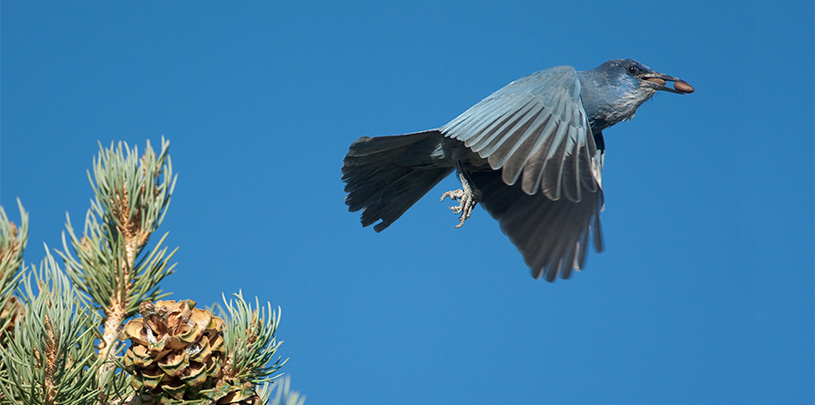
The federal government will determine if the charismatic blue bird should be listed as threatened or endangered.
Read More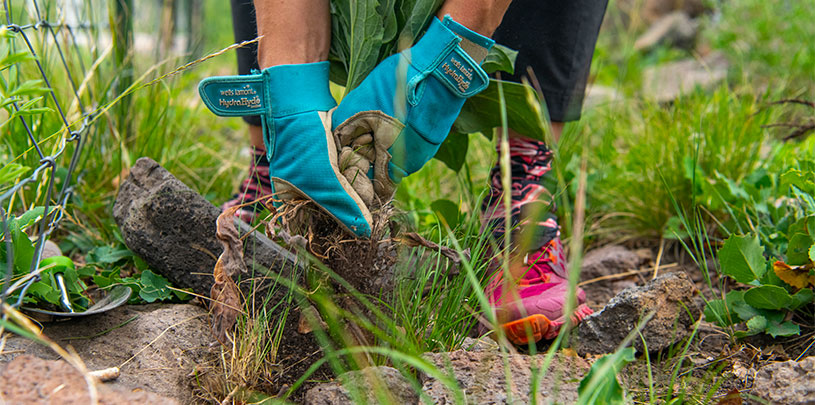
We can’t wait to meet you in a canyon, along a creek, or in the high alpine meadows of the Colorado Plateau.
Read More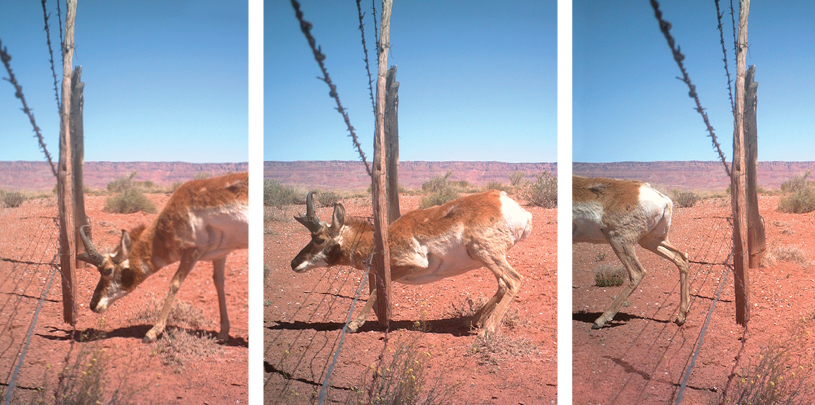
Pronghorn and barbed wire fences don't mix, but volunteers are working to change that, one wire at a time.
Read More