
As uranium prices rise, a mining company hopes to profit by developing at least one new uranium mine in the Grand Canyon region.
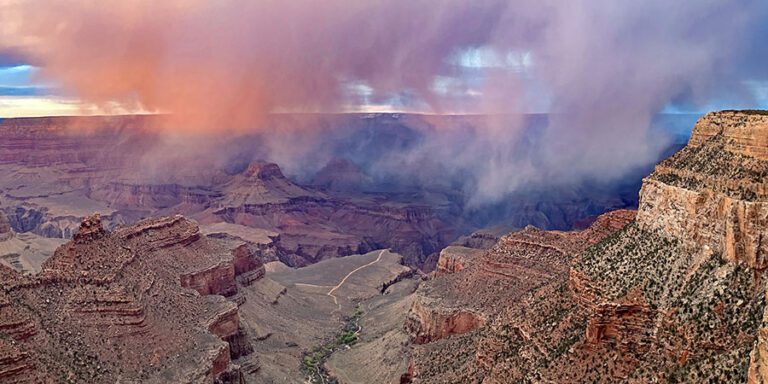
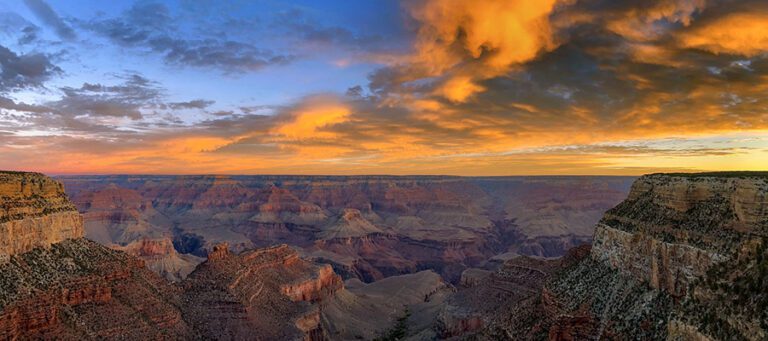
Tribes and local communities have worked hard for decades to protect the Grand Canyon region from uranium mining and other damaging activities. Baaj Nwaavjo I’tah Kukveni – Ancestral Footprints of the Grand Canyon National Monument added another layer of much-needed protection to lands north and south of Grand Canyon National Park in 2023.
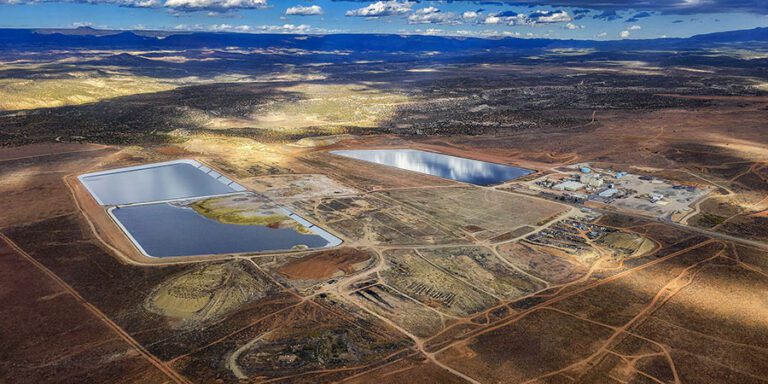
Nevertheless, one uranium mine continues to operate inside the monument, based on an exemption: Pinyon Plain Mine, formerly known as Canyon Mine. But the mine’s owner wants more.
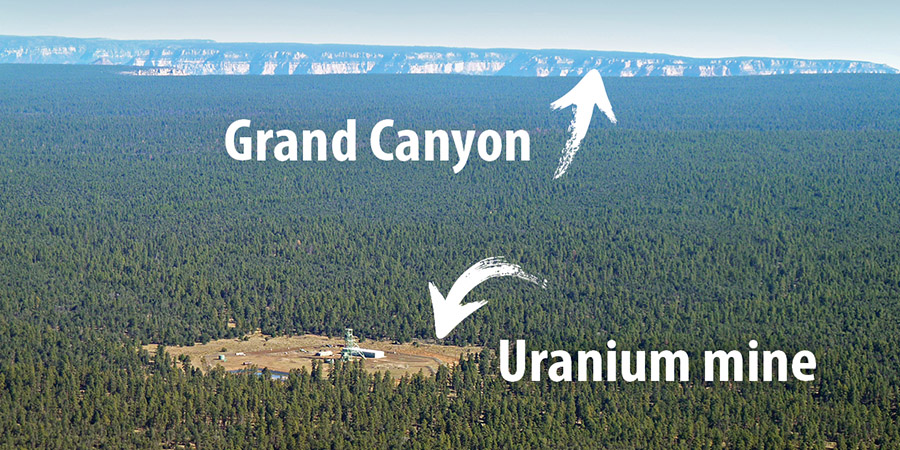
To develop a new uranium mine, Energy Fuels Resources — the company that already owns and operates Pinyon Plain uranium mine near Grand Canyon National Park — would need to get additional permits and prove that the new mine qualifies for an exemption to operate within Baaj Nwaavjo I’tah Kukveni national monument. Our research leads us to think the new mine would not be exempt.
And yet, given the pro-mining policies of the current presidential administration, the possibility stands that the company may pursue the mine anyway.
Could we see more uranium mines in the Grand Canyon region?
Mining companies hold hundreds of mining claims inside the Grand Canyon monument. 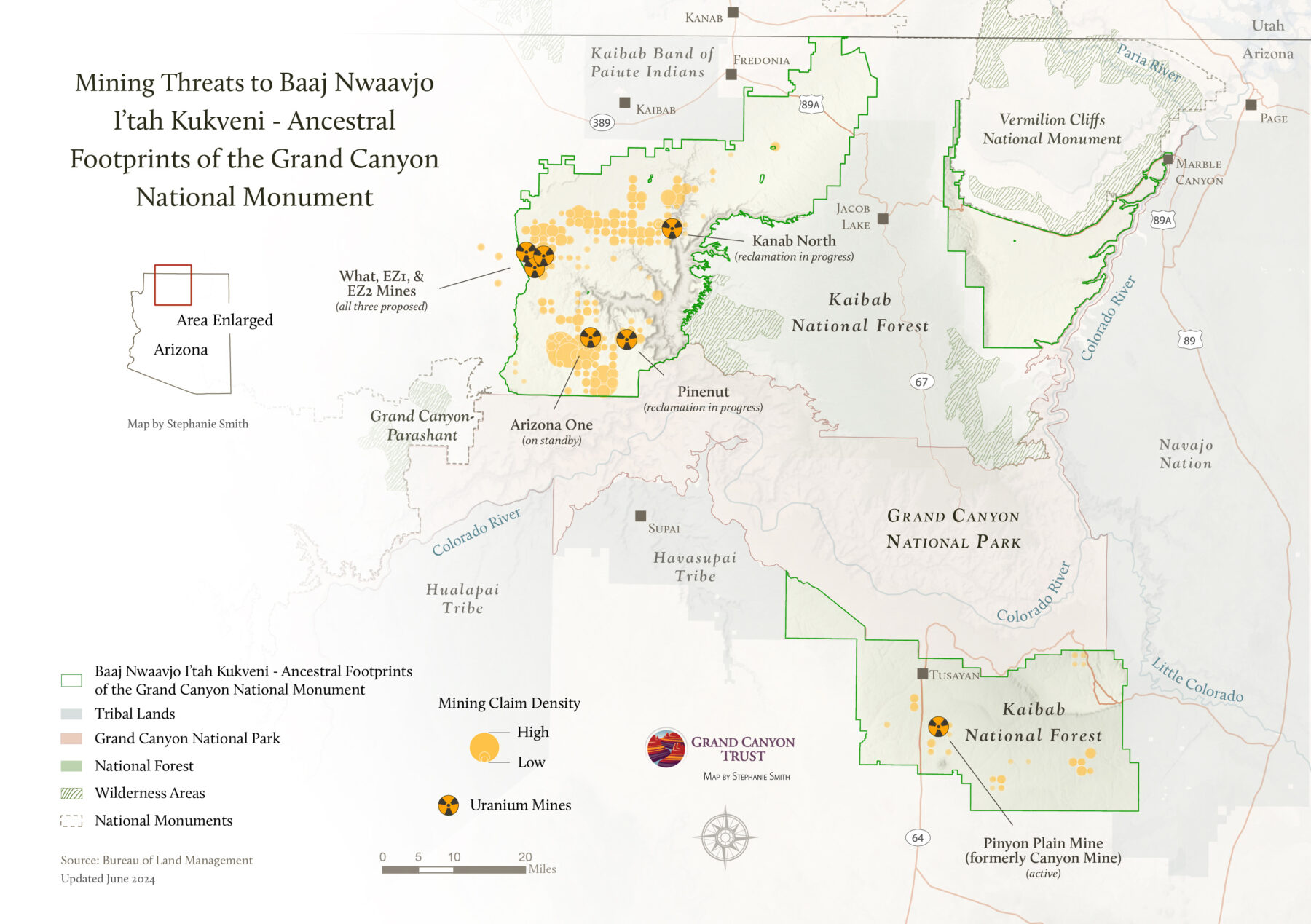
In recent months, a spokesperson for Energy Fuels Resources told the Arizona Republic that the company believes more of its uranium claims within the monument would be eligible to move forward. It’s a bold statement, considering that the exemption question turns, in part, on whether it would have made good economic sense to develop these mines many years ago, which Energy Fuels did not do.
Is mining allowed in the Grand Canyon region?
- Since 2009, about 1 million acres north and south of the Grand Canyon have been closed to new mining claims. This moratorium is set to expire in 2032, but it’s the kind of closure that could be, and often is, extended.
- Designated in 2023, Baaj Nwaavjo I’tah Kukveni national monument protects all monument lands from new mining claims, without an expiration date.
Claims that predate these protections would have to pass a “validity determination” to prove that the claimed mineral deposit could have been profitably mined at the time the first mining moratorium was put in place. And we’re highly doubtful any mining company is in a position to show that.
Could EZ be the next Pinyon Plain?
Energy Fuels Resources also told investors in 2025 that it had resumed permitting activity for the EZ Complex. The EZ Complex is a set of undeveloped mining claims in the northwest parcel of Baaj Nwaavjo I’tah Kukveni national monument, north of Grand Canyon National Park.
In order to operate, a mine would need both federal approvals and state permits. However, according to the U.S. Bureau of Land Management, while an application for the main federal permit was submitted for EZ in 2009, the mine’s owner never pursued a validity exam. A validity exam is one of several steps necessary for federal approval.
In December 2025, we also reached out to state regulators to inquire about the state permit status of the proposed mine. We were informed that although three of the required general permits were issued for EZ in 2011, one — for a non-stormwater impoundment — expired in 2016. The other two — both rock stockpile permits — were renewed in 2025. Public notice was not given at the time of the permit renewals.
Here on the Colorado Plateau, the threat of new uranium mines in critical landscapes like the Grand Canyon region is just one ripple from a growing national push to increase nuclear power generation and mining more uranium to fuel it.
As uranium prices rise, protecting the Grand Canyon region is paramount
Pinyon Plain Mine is nearing four decades of occupying national forest lands and two years of actual mining operations. Nearly every weekday, around 12 semi trucks filled with uranium ore make the 320-mile journey from the mine near the south rim of the Grand Canyon, through tribal cultural landscapes and communities, across the Arizona and Utah desert to the White Mesa uranium mill in southeastern Utah.
At the mill, uranium from the Grand Canyon region will be processed from ore to yellowcake — the first step of several before it becomes nuclear fuel.
Why is Pinyon Plain Mine operating now?
Because the price of uranium and political and policy support for uranium and nuclear power have climbed in recent years, leading the mine’s owner to decide that this was finally time to mine the deposit. And companies like Energy Fuels Resources seem to be looking at the rest of the Grand Canyon region with hungry eyes and a belief that current protections won’t be enough to stop new mines.
Past uranium mines have contaminated lands and waters and sickened people across the Southwest. As the ongoing water problems at Pinyon Plain Mine demonstrate, mining uranium in the Grand Canyon region simply is not worth the risk.