Colorado River Drought
The Colorado River is drying up. We’re doing everything we can to sustain the river and its communities.
As snowpacks shrink, temperatures rise, and less water flows into the Colorado River, we’re facing a historic mega-drought that’s worsening with climate change.
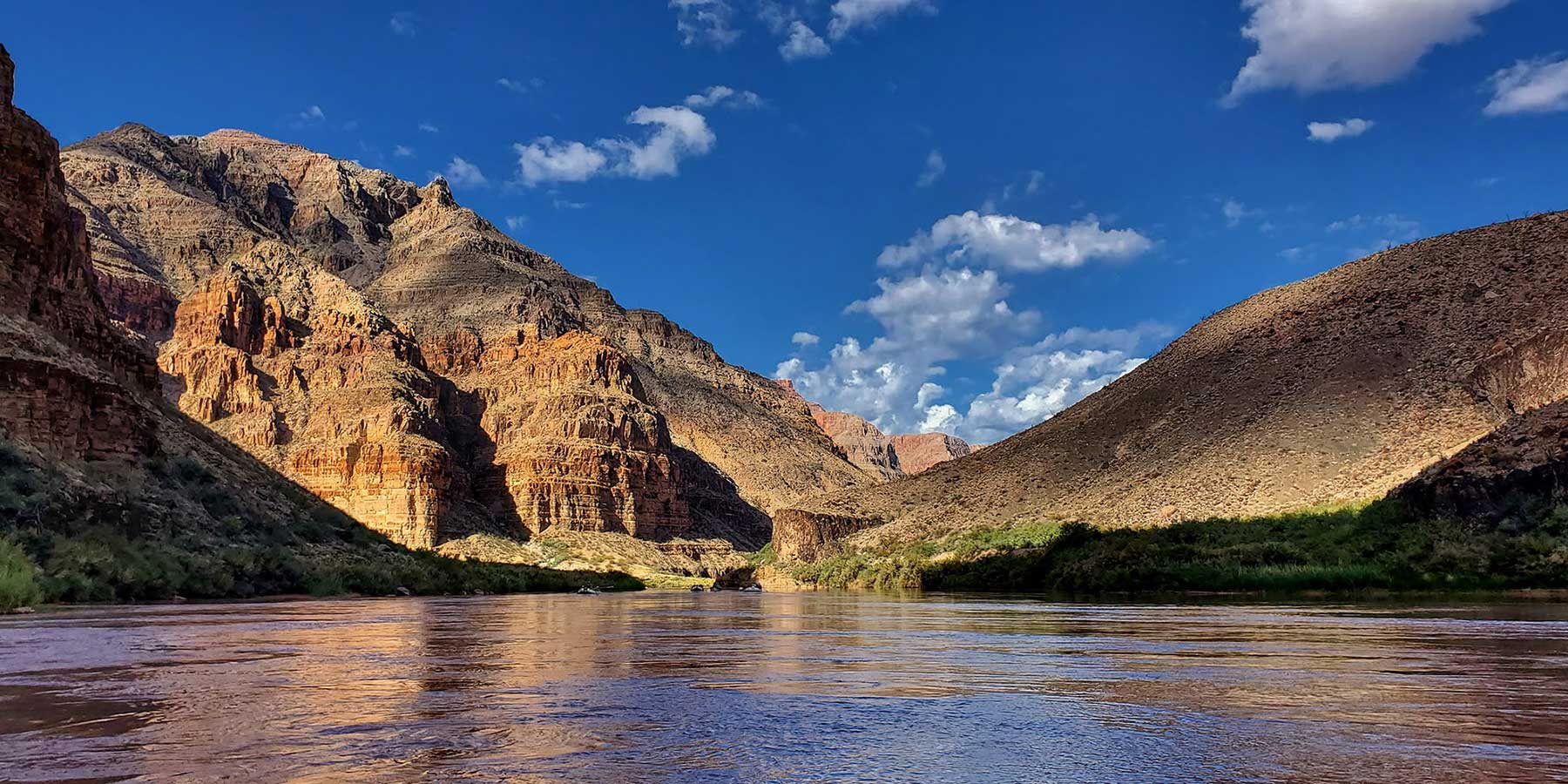
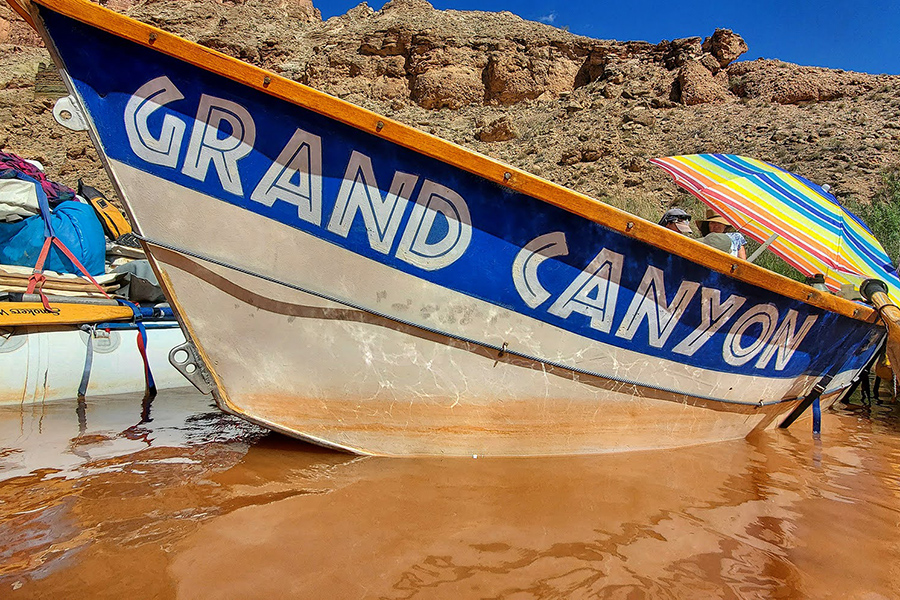
We’re working to ensure that the Colorado River continues flowing through the Grand Canyon in this hotter, drier future and that its water reaches the people, crops, wildlife, and landscapes that depend on it.
The Colorado River is the lifeblood of the Southwest
Drought makes the Colorado River work harder
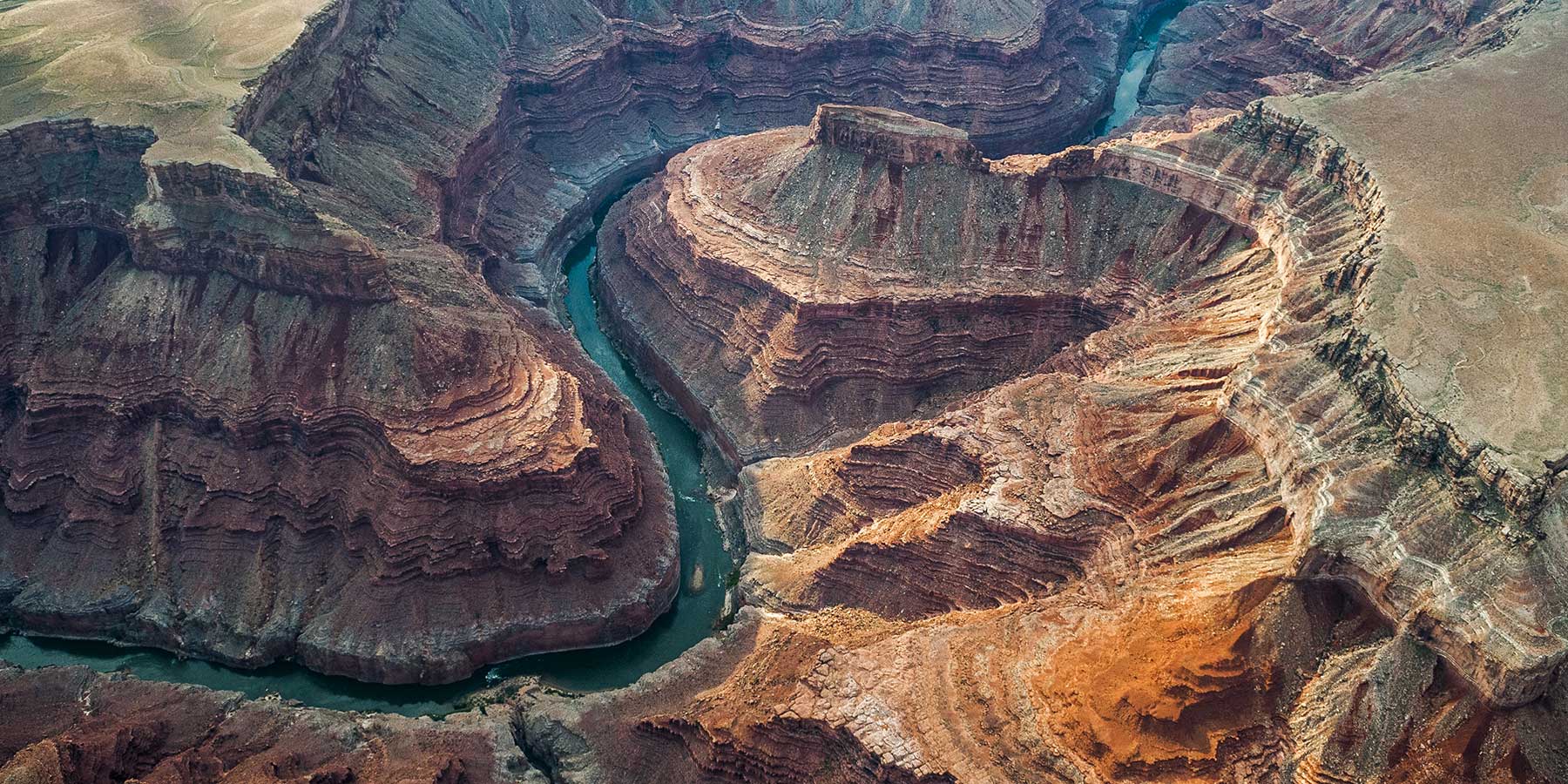
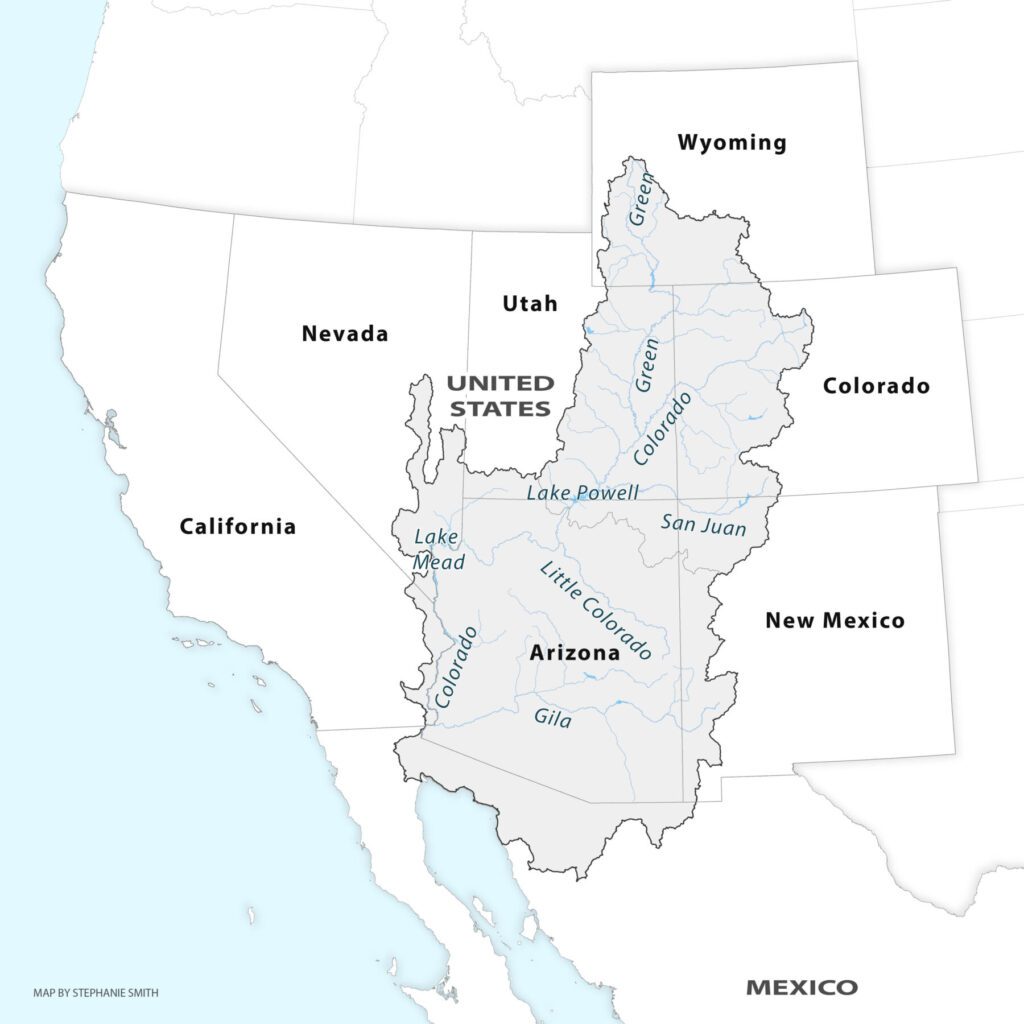
The Colorado River flows almost 1,500 miles from the Rocky Mountains to the Gulf of Mexico. Nearly every drop is piped to desert cities and sucked dry by thirsty crops before it reaches the sea.
Agriculture
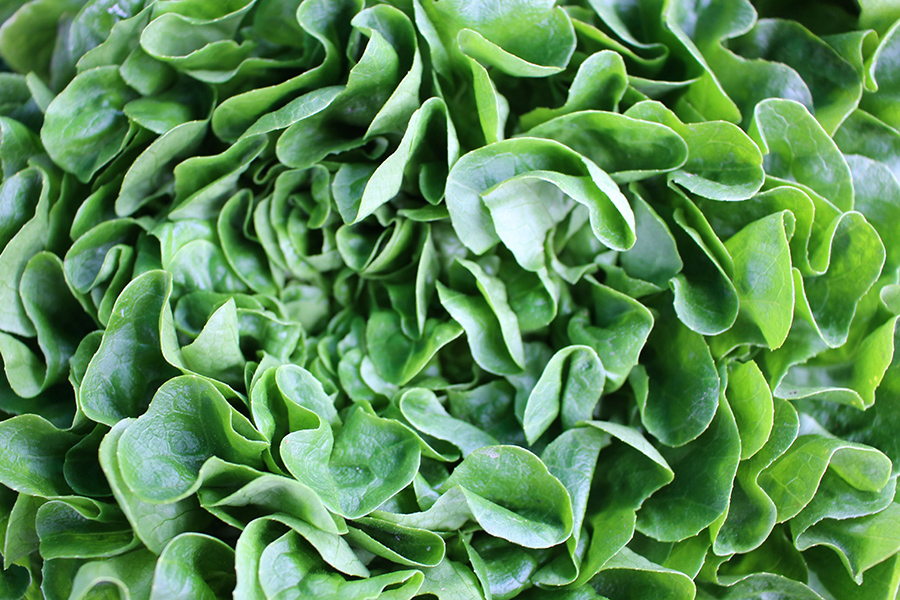
75% of Colorado River water is used to grow crops like alfalfa, cotton, and lettuce.
Cities
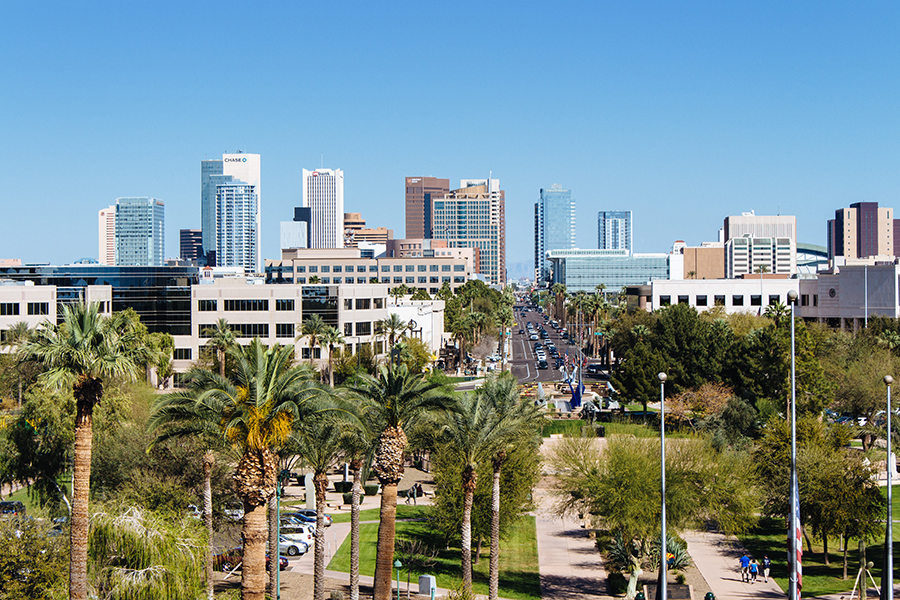
The Colorado River supplies water to Phoenix, Los Angeles, and other cities.
Economies
The Colorado River is an economic engine for WY, CO, UT, NM, AZ, NV, and CA.
Tribes
22 tribes have formal water rights, and 12 tribes have unresolved claims.
The West faces tough decisions about how it uses or saves water
Demand already outpaces supply in the Colorado River Basin, and deepening drought will diminish flows even more.
Addressing drought in the Colorado River Basin
There’s not enough water to go around. We’re advocating for new rules that ensure the river’s long-term health in the face of drought.
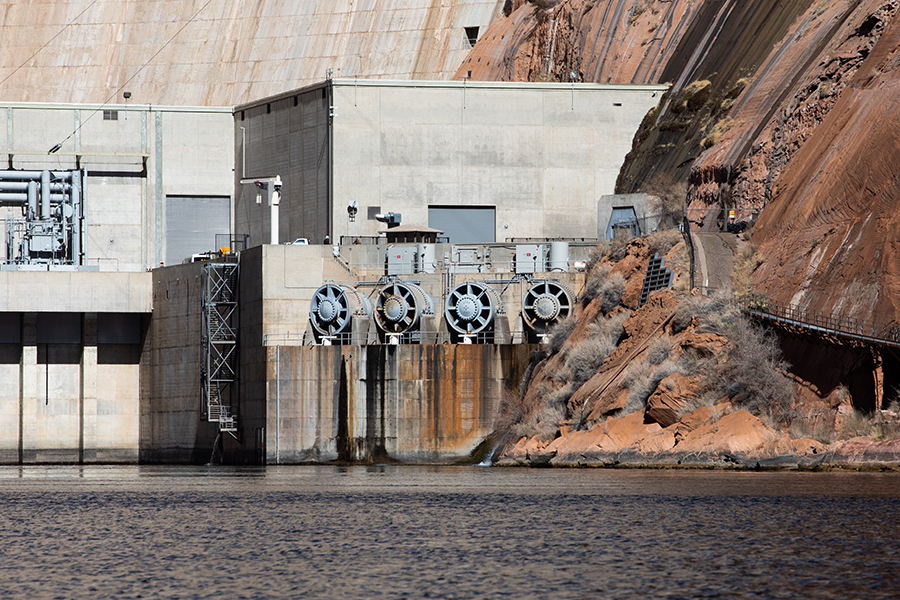
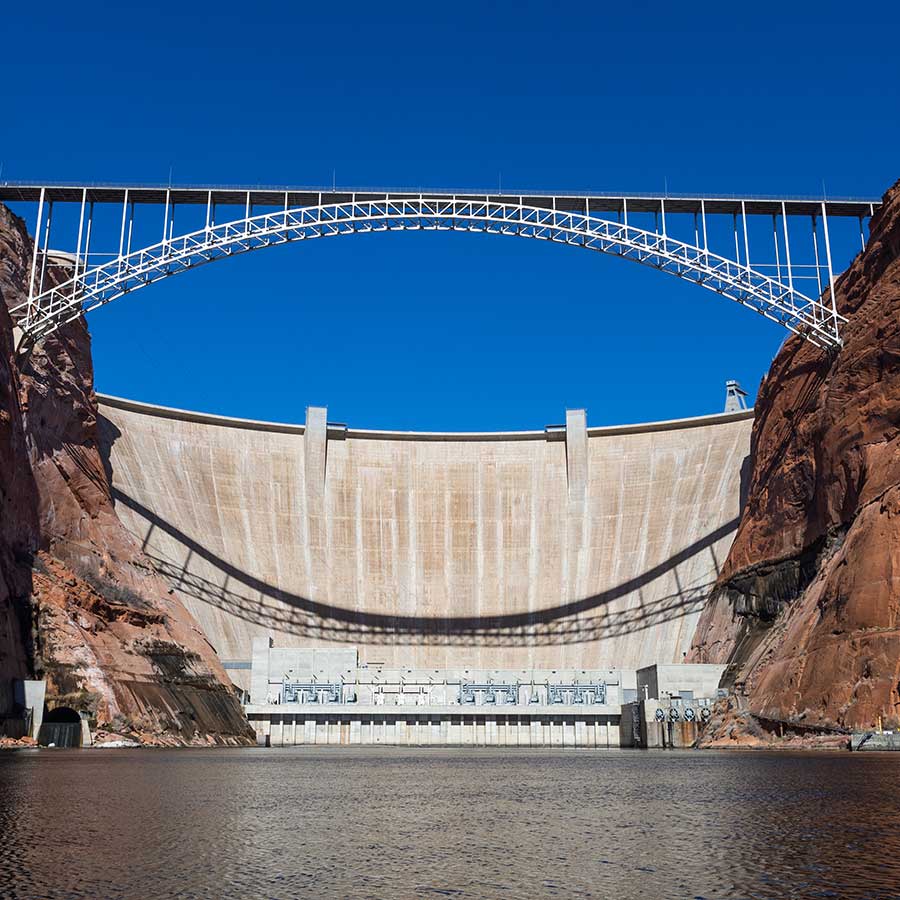
Glen Canyon Dam, the gateway to the Grand Canyon
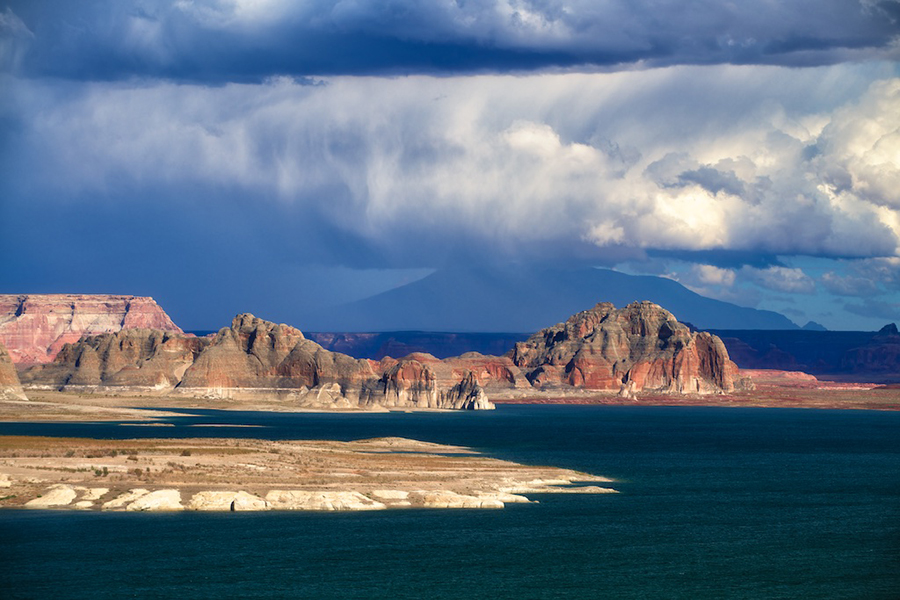
Snowmelt from the mountains drains into Lake Powell, where it is stored until water managers carefully release flows through Glen Canyon Dam into the Grand Canyon.
Water storage
Lake Powell backs up behind Glen Canyon Dam. The reservoir helps manage floodwaters and stores water for cities and states downstream.
Hydropower
Water sent through Glen Canyon dam generates electricity that powers air conditioners and lights up cities across the West.
Fixing Glen Canyon Dam’s plumbing problems
We need to modify Glen Canyon Dam’s aging infrastructure to ensure the Colorado River can flow through it at low water levels.
Nature needs water too
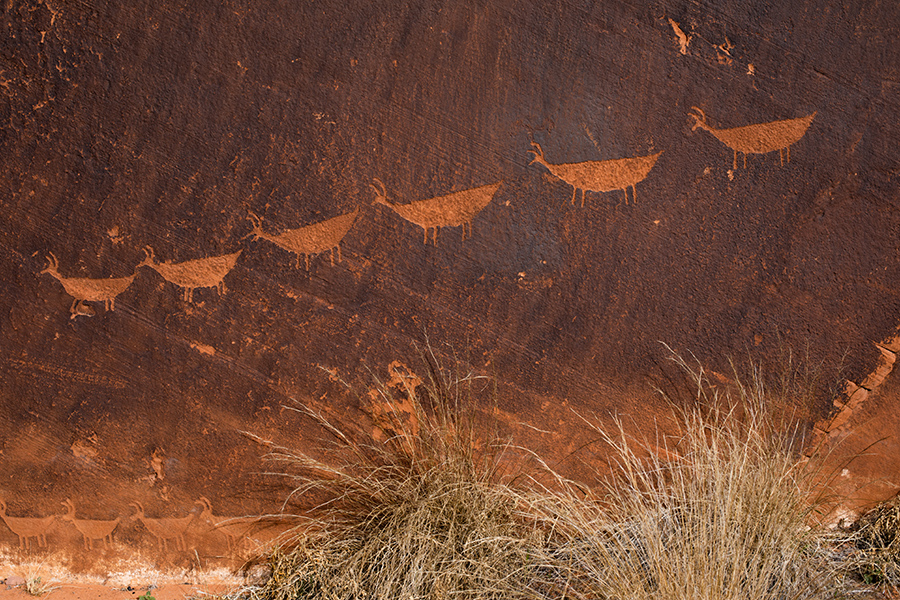
Bighorn sheep, cacti, canyon wrens, and many other critters rely on the Colorado River. We’re working to make sure plants and animals that call the Grand Canyon home can thrive.
Learn about endangered and rare species in Grand Canyon National Park

Native fish of the Grand Canyon
Eight fish are native to the Grand Canyon. Can you name them?
Grand Canyon wildflowers
Wildflowers grow in the desert too. See the Grand Canyon’s bright blooms
The Colorado River is an economic engine for the region. Each year, it generates:
“The Colorado River is at its tipping point.
We must act now to protect the artery of the Southwest for future generations.”
Grand Canyon Trust Water Director
Stories from the Colorado River
Get the latest water news on the blog
Help protect the Colorado River for future generations
The future of the Colorado River is in your hands. Help protect it with a gift today.