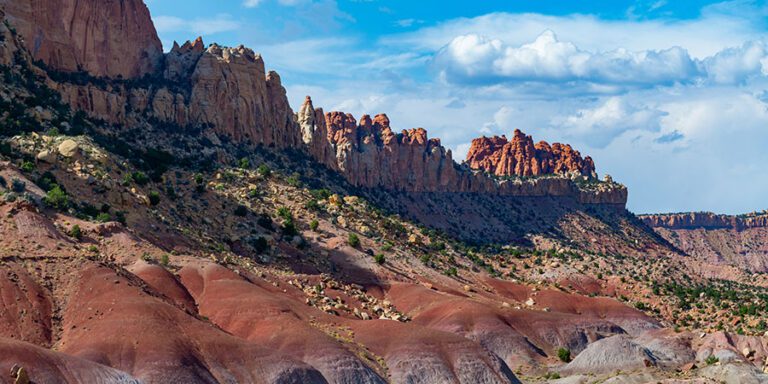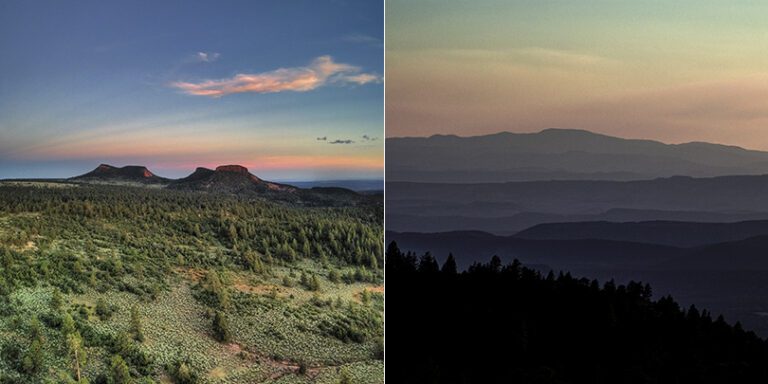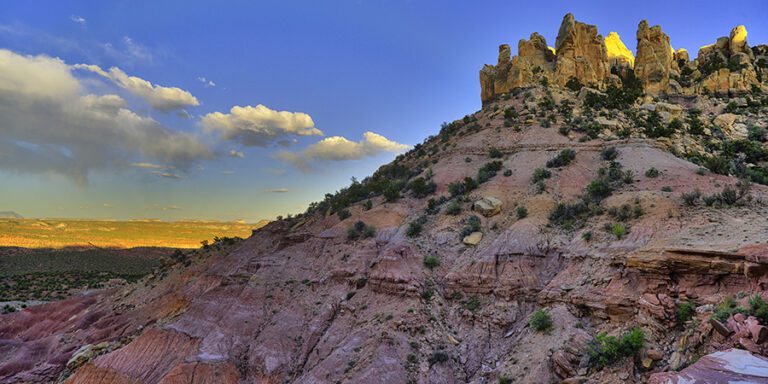
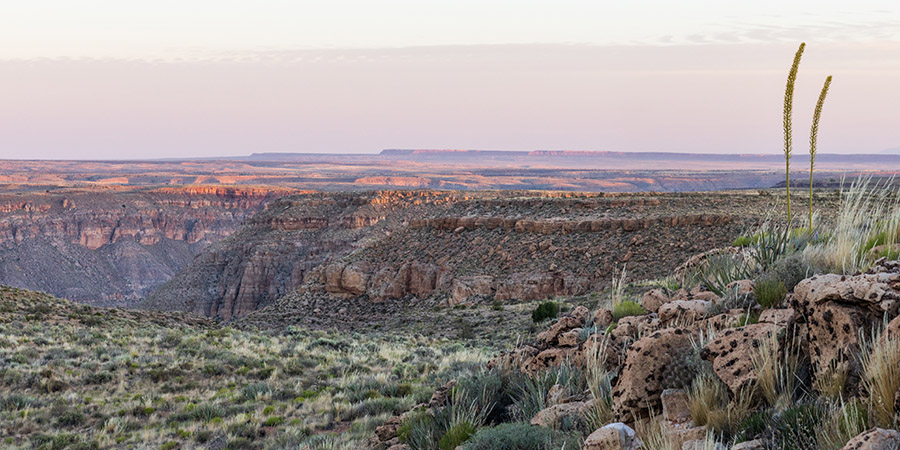

In a victory for Grand Canyon tribes and Arizona voters, a federal court has dismissed a lawsuit attacking Baaj Nwaavjo I’tah Kukveni – Ancestral Footprints of the Grand Canyon National Monument.
A federal court of appeals has rejected an attempt by a group of Arizona politicians and local governments to overturn Baaj Nwaavjo I’tah Kukveni national monument. On April 1, 2026, the Ninth Circuit Court of Appeals affirmed a January 2025 district court ruling dismissing the lawsuit, which had been filed against the president, the secretary of the interior, and the secretary of agriculture. The state of Arizona and Arizona Governor Katie Hobbs intervened in defense of the monument.
What did the court say in its ruling?
In an effort to present a controversy that the federal courts had the power to resolve, the group that brought the lawsuit — the Arizona Senate president and speaker of the Arizona House of Representatives, alongside the Arizona state treasurer, Mohave County, and towns of Fredonia and Colorado City — argued that the monument’s creation would harm them. The postulated harms included reduced future revenues from mining, diminished municipal water supplies, interference with the legislature’s lawmaking authority, forced expenditure of time and money relating to the monument, and increased energy prices.
These allegations, the court ruled, each failed to meet the minimum constitutional requirements to seek relief in the federal courts. While the precise legal defect in each argument varied, a centerpiece of the ruling was that the alleged future injuries were too speculative to warrant judicial intervention. The court concluded, moreover, that the state legislature and treasurer lacked authority under Arizona state law to sue over other claimed injuries. And putting time and money into issues relating to the monument was not an obligation but a choice, the court held, and that choice could not engineer the basis for a lawsuit.
A victory for Grand Canyon tribes and Arizona voters
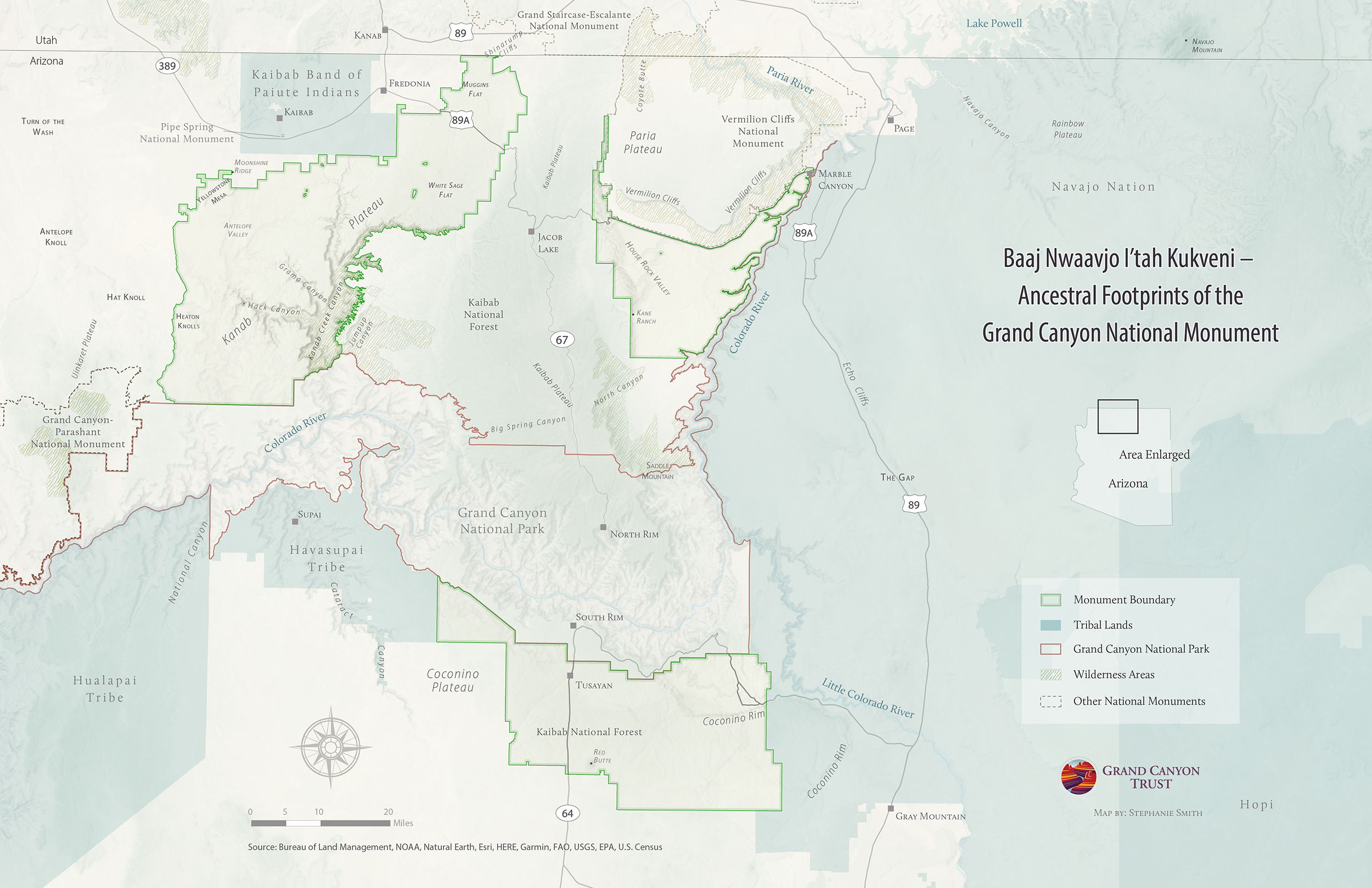 This court decision is an undeniable victory for the Grand Canyon Tribal Leaders’ Coalition, the state of Arizona, and Arizona voters across the political spectrum who overwhelmingly support the national monument. A December 2024 poll found that four out of five Arizona voters support the monument and that this support is strong across the political spectrum. Baaj Nwaavjo I’tah Kukveni was designated a national monument in 2023 to protect the ancestral lands of many tribes north and south of the Grand Canyon.
Could the case go to the U.S. Supreme Court?
From here, the plaintiffs could ask the U.S. Supreme Court to review the case. But it is difficult to see a reason for the court to agree, given that the appellate court’s ruling involved a routine legal issue about the prerequisites for lawsuits in federal court.
In the meantime, the Arizona Legislature has chosen to continue to devote taxpayer resources toward dismantling this incredibly popular national monument in the name of mineral extraction. In late March, the legislature passed something called “a concurrent memorial” — essentially a note to Congress and the Trump administration — asking the federal government to weaken or dismantle this and other land protections across Arizona in the name of streamlining access to minerals by private, sometimes multi-national, mining companies. Dissatisfied with the loss in the Ninth Circuit, some Arizona politicians are vowing to work with the Trump administration to undo the monument.
The Grand Canyon Trust will continue to support the Grand Canyon Tribal Leaders’ Coalition in defense of this critical landscape and against foolhardy attempts to dismantle hard-won protections that safeguard communities, cultural landscapes, limited water resources, and more. You can help by signing the tribal coalition’s petition to make it clear that public opinion remains strongly in favor of protecting this national monument.