 by Ashley Davidson, Communications Director
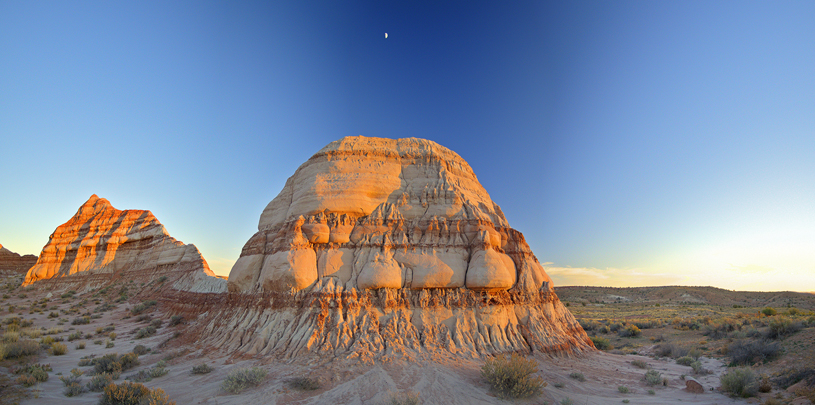
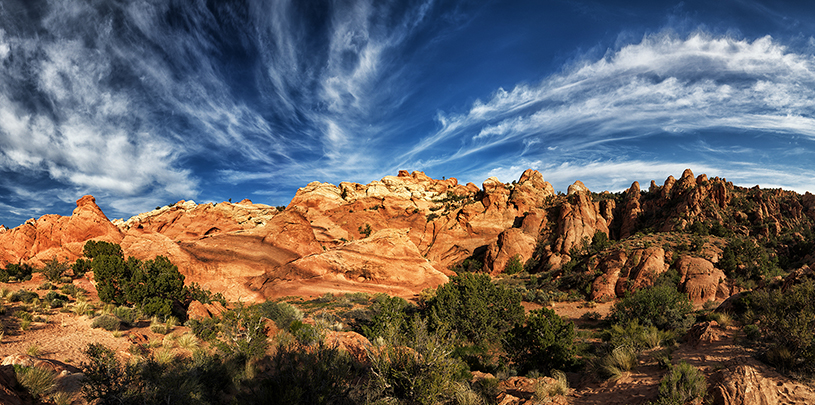
A little-known gem in southeastern Utah, Johnson Lakes Canyon is an 840-acre island of private land owned by Susie and Rick Knezevich, surrounded on all sides by Grand Staircase-Escalante National Monument. Unlike the monument around it, where 96.4 percent of the desert landscape is grazed by cattle, the Knezeviches don’t run cows on their land. Instead, they’ve partnered with the Grand Canyon Trust’s volunteer program to restore Johnson Lakes Canyon.
In May 2016, they invited 18 scientists to a “bioblitz,” a three-day scavenger hunt to catalogue some of the birds, plants, and animals that are flourishing on their ungrazed land. In just 72 hours, the team documented 60 species of birds, hundreds of species of insects, and 265 species of plants, a small fraction of the total number of species that call the canyon home, but nonetheless a colorful snapshot of this vibrant land — ungrazed since 2009 — and a heartening lesson in recovery.
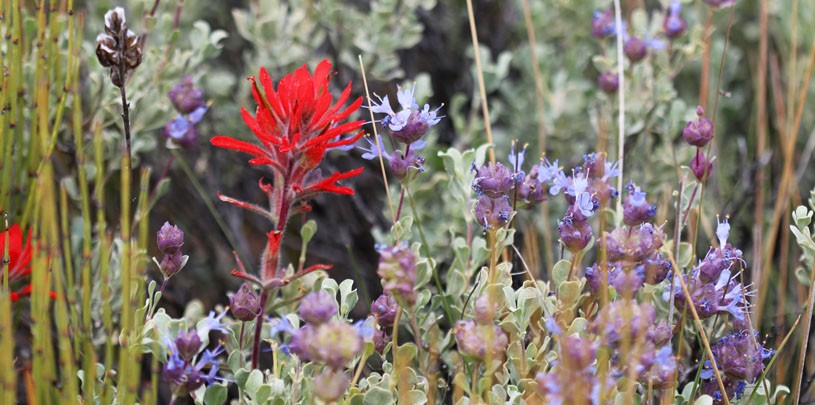
Don’t let their names fool you. From the prairie spiderwort to the hairy false golden aster, here are some of the most eye-catching blooms botanists found on display in Johnson Lakes Canyon.
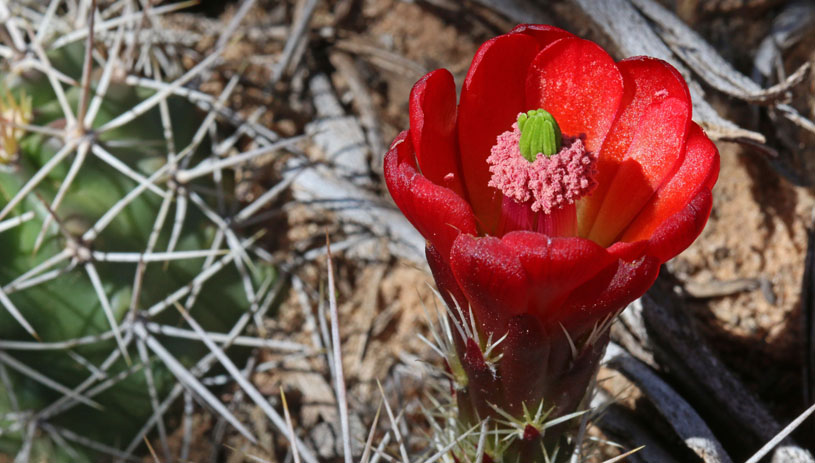
1. Scarlet hedgehog cactus
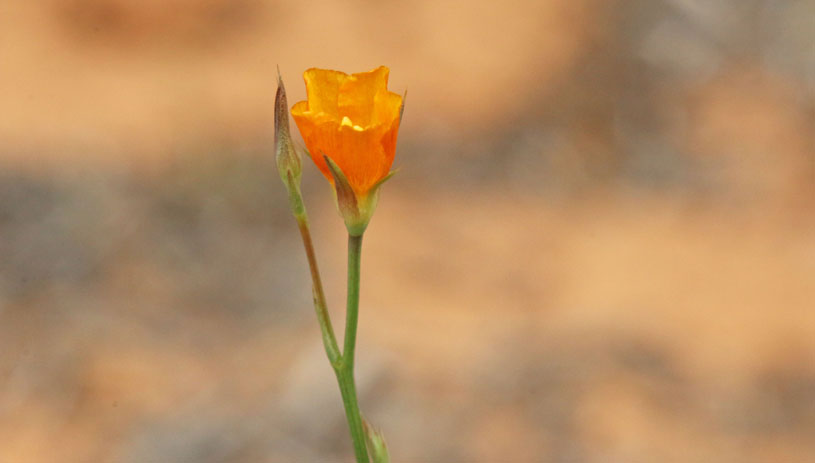
2. Bristle flax
3. Hairy false golden aster
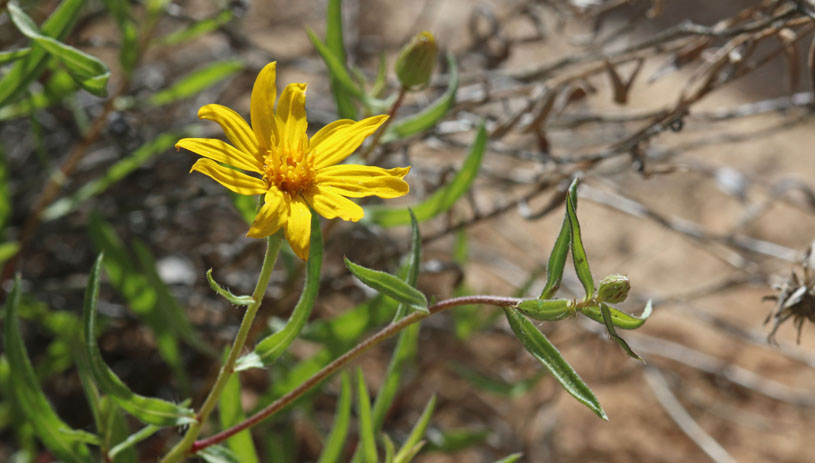
4. American speedwell
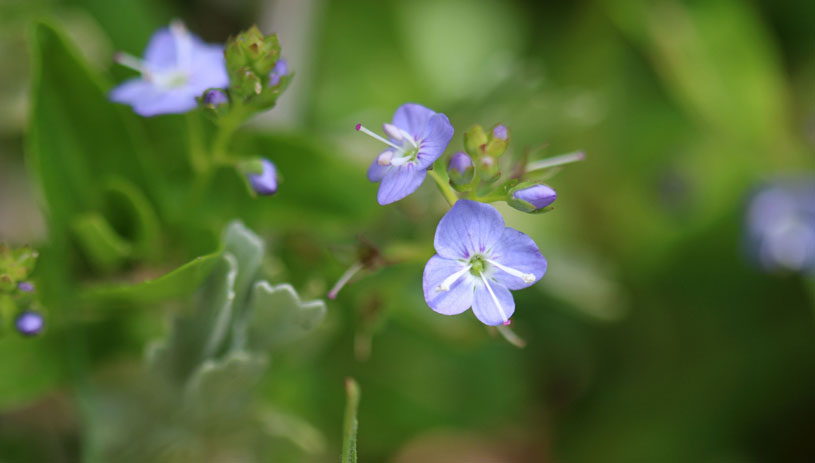
5. Desert mountain phlox
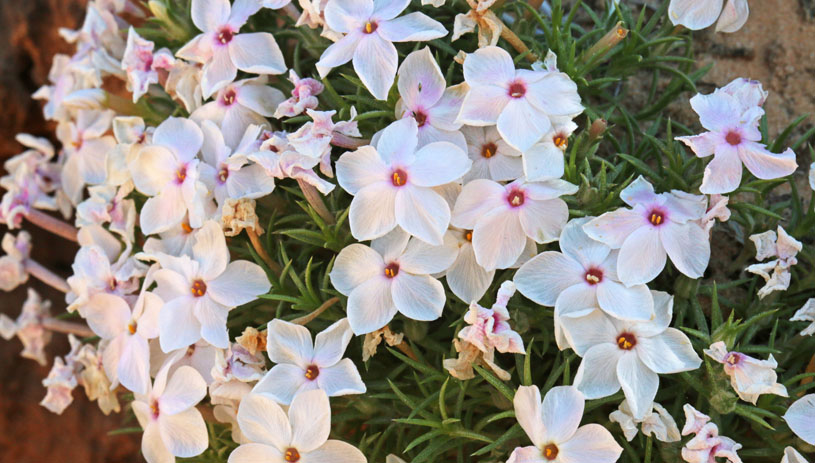
6. Kidneyshape buckwheat
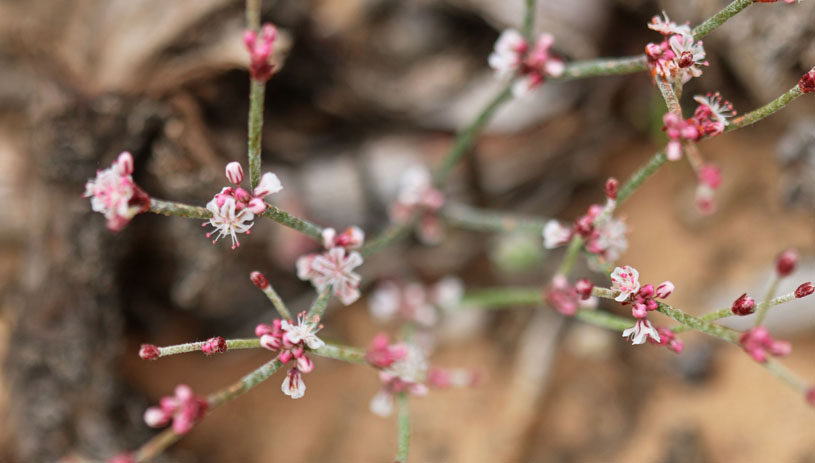
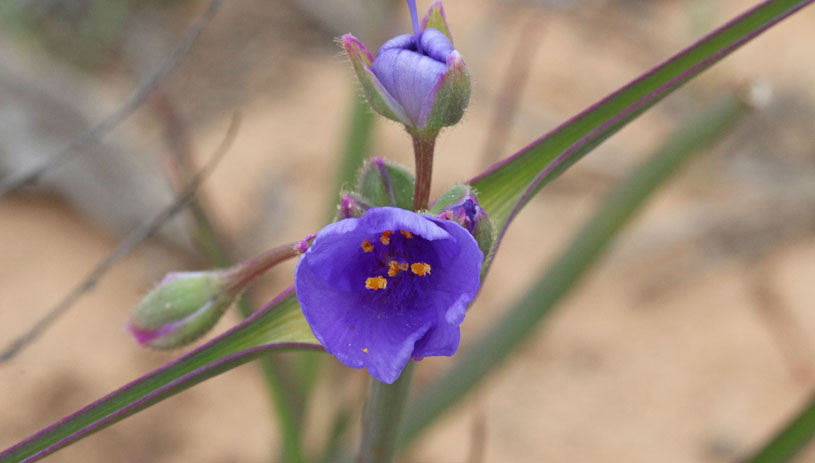
7. Prairie spiderwort
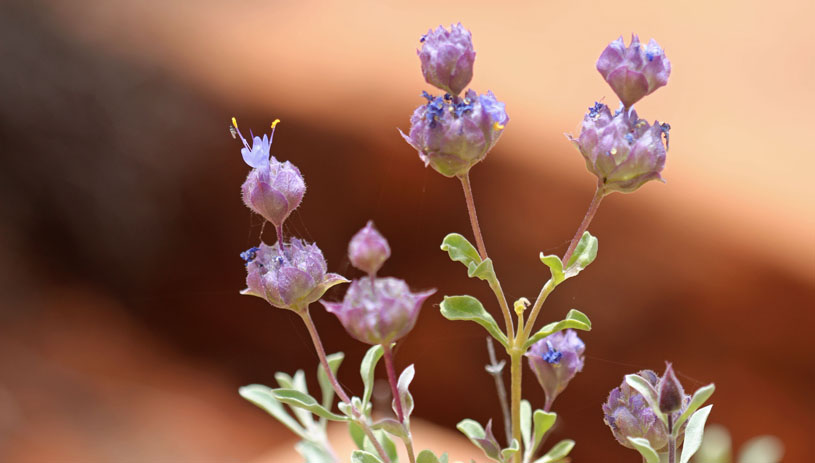
8. Grayball sage, purple sage
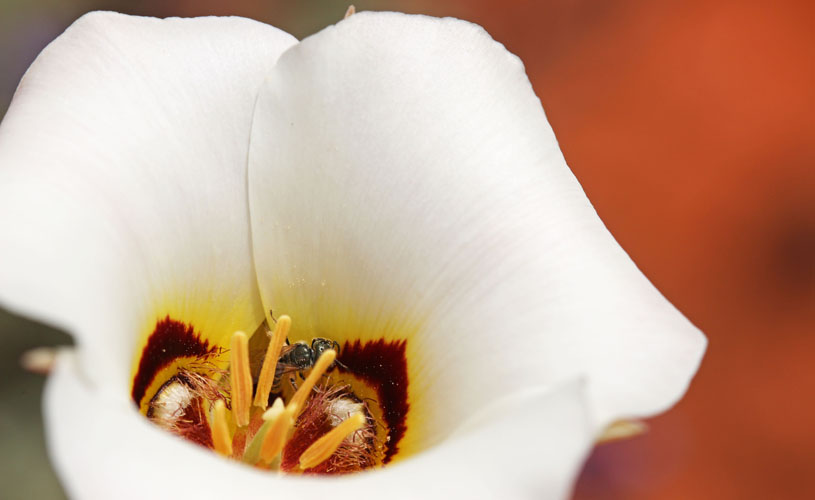
9. Sego lily
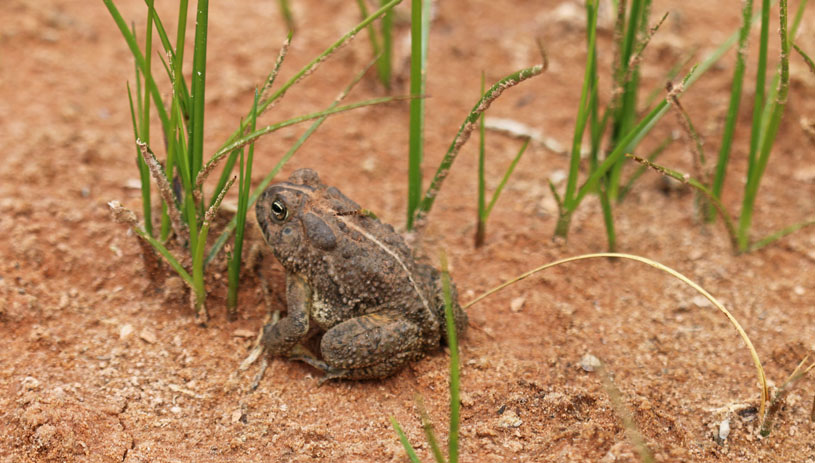
10. American Toad