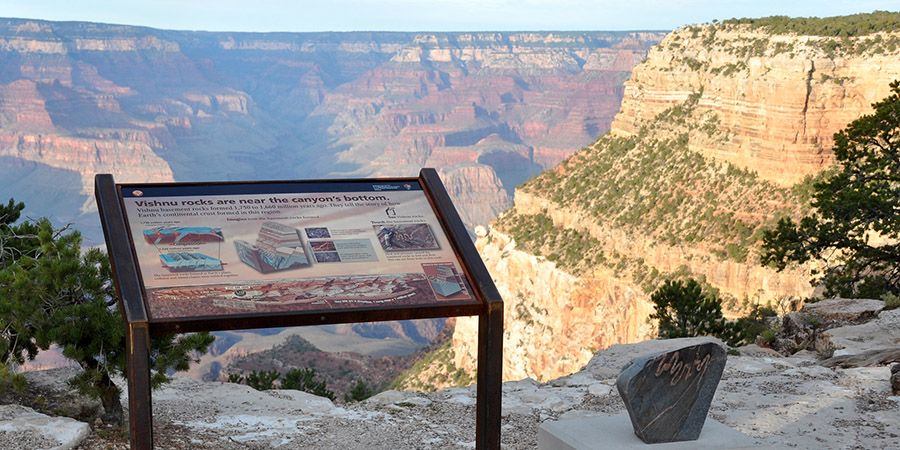

From Arches, to Canyonlands, to Mesa Verde, materials about Native history, science, and climate change in national parks across the Colorado Plateau are targeted for federal review.
At least 23 National Park Service-managed units across the Colorado Plateau could be affected by censorship, including seven national parks, 14 national monuments, and two national recreation areas. Arches, Canyonlands, and Mesa Verde national parks are among the units targeted for federal review. Censorship efforts on the plateau appear to focus mainly on erasing references to Native American history, science, and climate change.
A push to erase history and science from U.S. National Park Service materials
In March and May 2025, the Trump administration issued two parallel orders titled “Restoring Truth and Sanity to American History” to review National Park Service materials for any content that “inappropriately disparage[s] Americans past or living.” The orders direct all materials to be updated in time for the July 4, 2026, 250th anniversary of the United States.
The Grand Canyon Trust is alarmed by these apparent efforts to erase history and science from National Park Service materials. The Trust opposes Executive Order 14253 and Secretarial Order 3431, and any attempts to bury parts of our shared history and deprive visitors of information about the health of our public lands. After all, education is a key component of the National Park Service’s mission to “preserve unimpaired the natural and cultural resources and values of the National Park System for the enjoyment, education, and inspiration of this and future generations.”
A leaked spreadsheet lays out censorship targets
We reviewed a February 2026 leaked internal U.S. Department of the Interior spreadsheet listing which interpretive materials have been flagged for potential updates at locations across the Colorado Plateau. The list focused on materials like books sold in park stores, brochures, signs, and films shown to visitors.
Signs at Arches, Canyonlands, and Mesa Verde national parks flagged
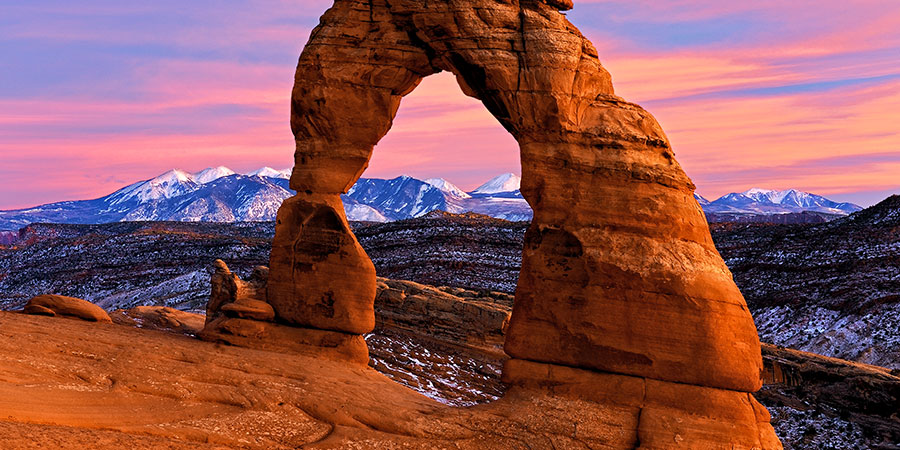
Several national parks, including Arches, Canyonlands, and Mesa Verde, have had signs flagged as inappropriate because they discuss climate change, science, and the history of forced removal of Native peoples from what are now national park lands.
In Arches National Park, a sign has been flagged that currently reads:
“Continue down this trail to see evidence of Indigenous people, who lived and traveled here before being forced onto reservations.”
The spreadsheet notes: “The park seeks guidance on whether covering or removing the final five words of that text is advised.” Arches also asks whether it needs to remove a panel that addresses the impacts of human-caused climate change.
At Canyonlands National Park, staff asked whether it needs to cover and remove a panel that acknowledges that:
“Human activities have changed the face of Canyonlands. Livestock grazing in the late 19th century altered plant communities. The roads and seismic lines you see below were constructed in the 1950s in a search for uranium and oil. Mining and grazing activities eventually ceased with the creation of Canyonlands National Park, but the impacts are still visible today…”
At Mesa Verde, numerous wayside panels and signs are targeted, including one highlighting the historic and ongoing connection between the Ute Mountain Ute Tribe and ancestral lands in the park, which includes the sentence: “Under continued pressure from white settlements, additional negotiations between the federal government and the tribe further reduced Ute lands, resulting in today’s reservation boundaries.”
What about other national park units?
At Sunset Crater Volcano National Monument in Arizona, a picture could be changed to suppress LGBTQ+ history at the monument.
Leaked documents note that:
“Picture currently shows a visitor holding a Pride flag in an indoor exhibit interpreting basalt bubbles and where to find them. Plan to replace photo with either a visitor/visitors looking up close at basalt bubbles or an up-close photo of just the basalt bubbles themselves.”
Not all the park units appear to be flagged for non-compliance with the Trump administration orders. For example, the list notes that Grand Canyon National Park needs to replace old, sun-damaged signs, but no content appears to have been flagged for “review.”
Erasing any part of history is unacceptable
Here on the Colorado Plateau, we are particularly concerned about language diminishing the violence against and forced relocation of Native peoples.
At Canyon De Chelly National Monument, a site in Arizona that is managed with the Navajo Nation, the leaked documents indicate that staff do not want to change their materials.
Staff notes:
“We have one DVD film that briefly mentions the story of the Long Walk, which Canyon De Chelly National Monument is centered around… We would not like to change it if we had the option.”
The Long Walk was a forced march of thousands of Diné (Navajo) people in the 1860s from their traditional lands in the Four Corners to an internment camp in Bosque Redondo.
Where does the censorship effort stand?
News reports indicate that National Park Service staff are confused as to whether they need to censor interpretive signs and educational materials. This lack of direction and transparency points to another issue: concerns about the cost implications of needlessly replacing thousands of materials like brochures, signs, films, and more. This is on top of the fact that the National Park Service has lost 24% of its staff since January 2025, according to the National Parks Conservation Association.
At the Grand Canyon Trust, we believe that the health of the Colorado Plateau is inextricably linked to the resilience and well-being of its diverse peoples. When we erase history and suppress science, it reduces our ability to accurately understand the natural and cultural environment and avoid recreating the harms of the past. Please consider sharing your thoughts on Executive Order 14253 and Secretarial Order 3431 with your lawmakers. Contact your members of Congress now