This is a popup dialog that overlays the main content of the page. The popup includes a search form to help you find the information you are seeking. Pressing the close button or using the escape key will close the popup.
Tom Bean
Four Forest Restoration Initiative
Restoring northern Arizona’s ponderosa pine forests.
In 2009, the Trust helped launch the largest forest restoration project in the country.
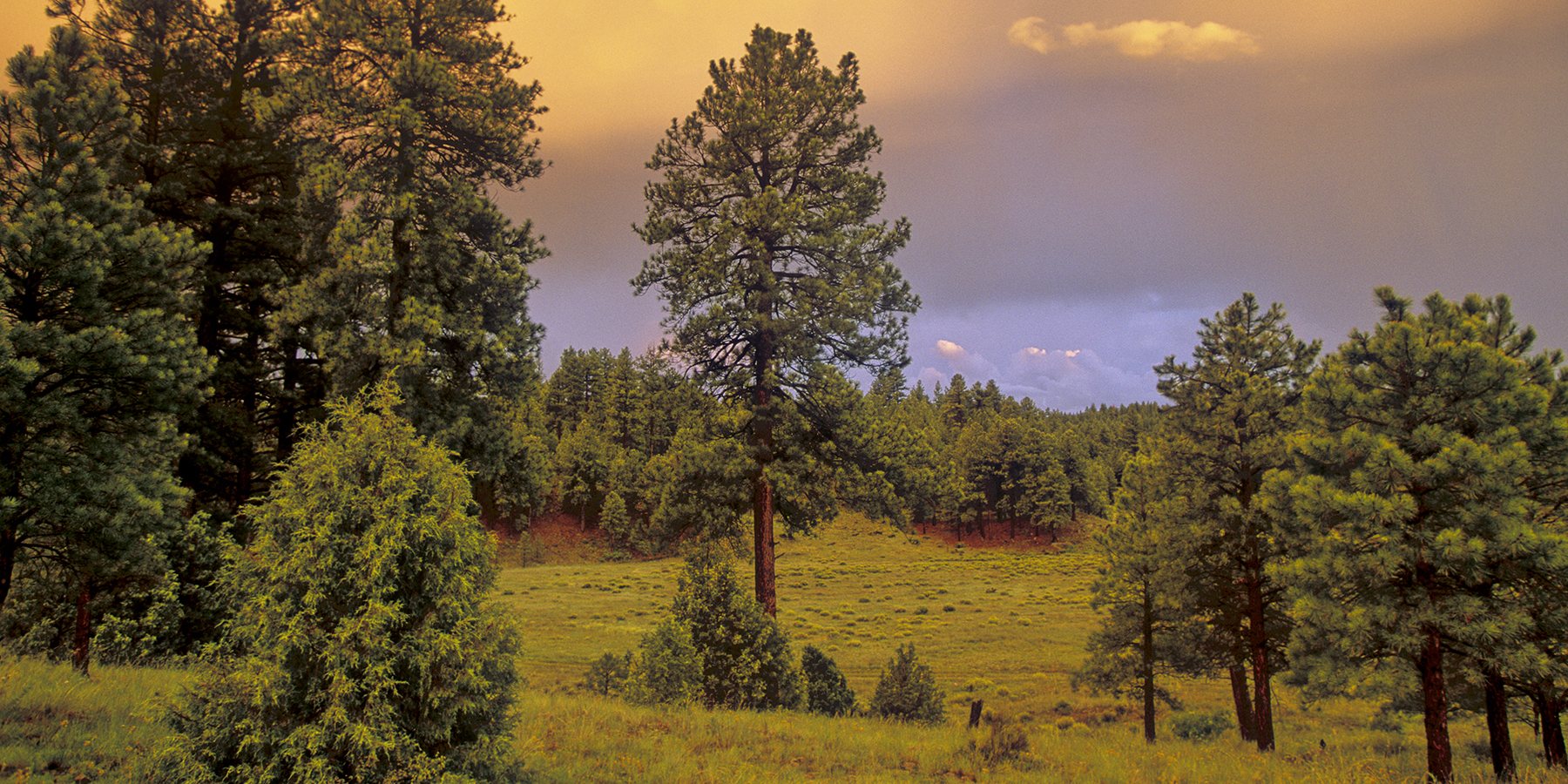
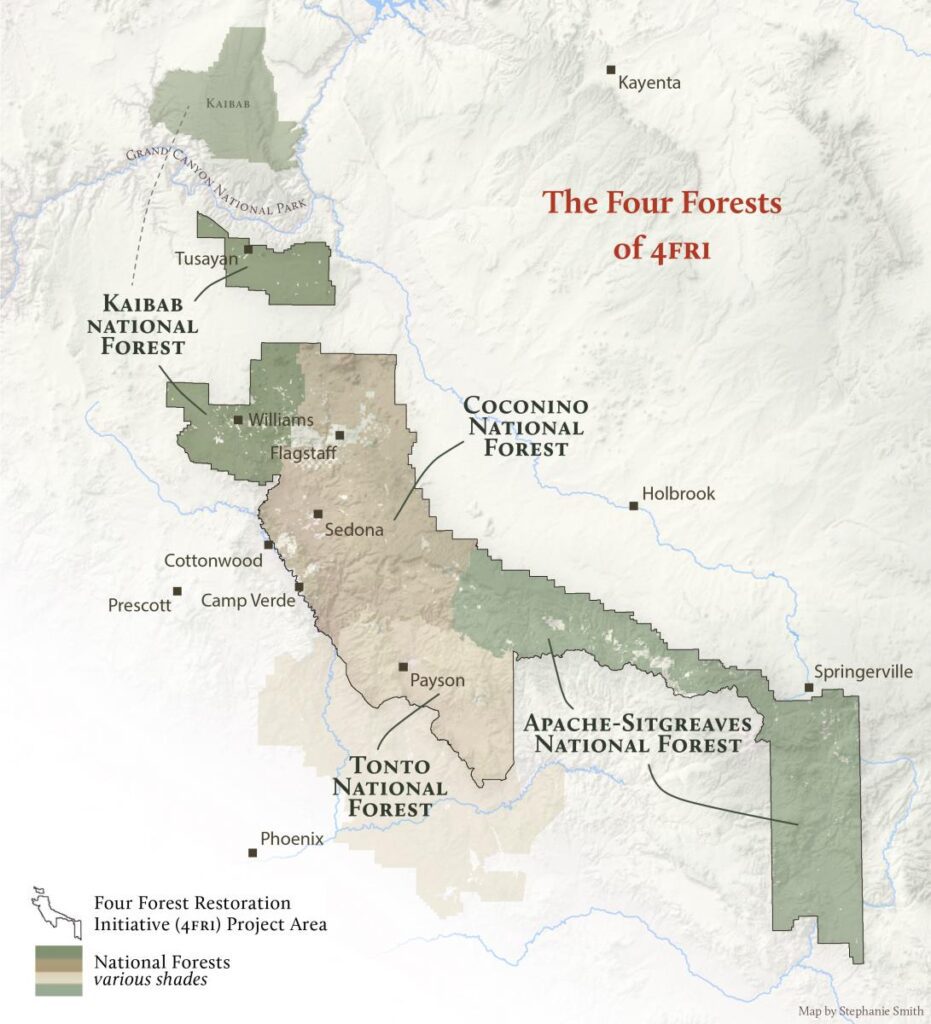
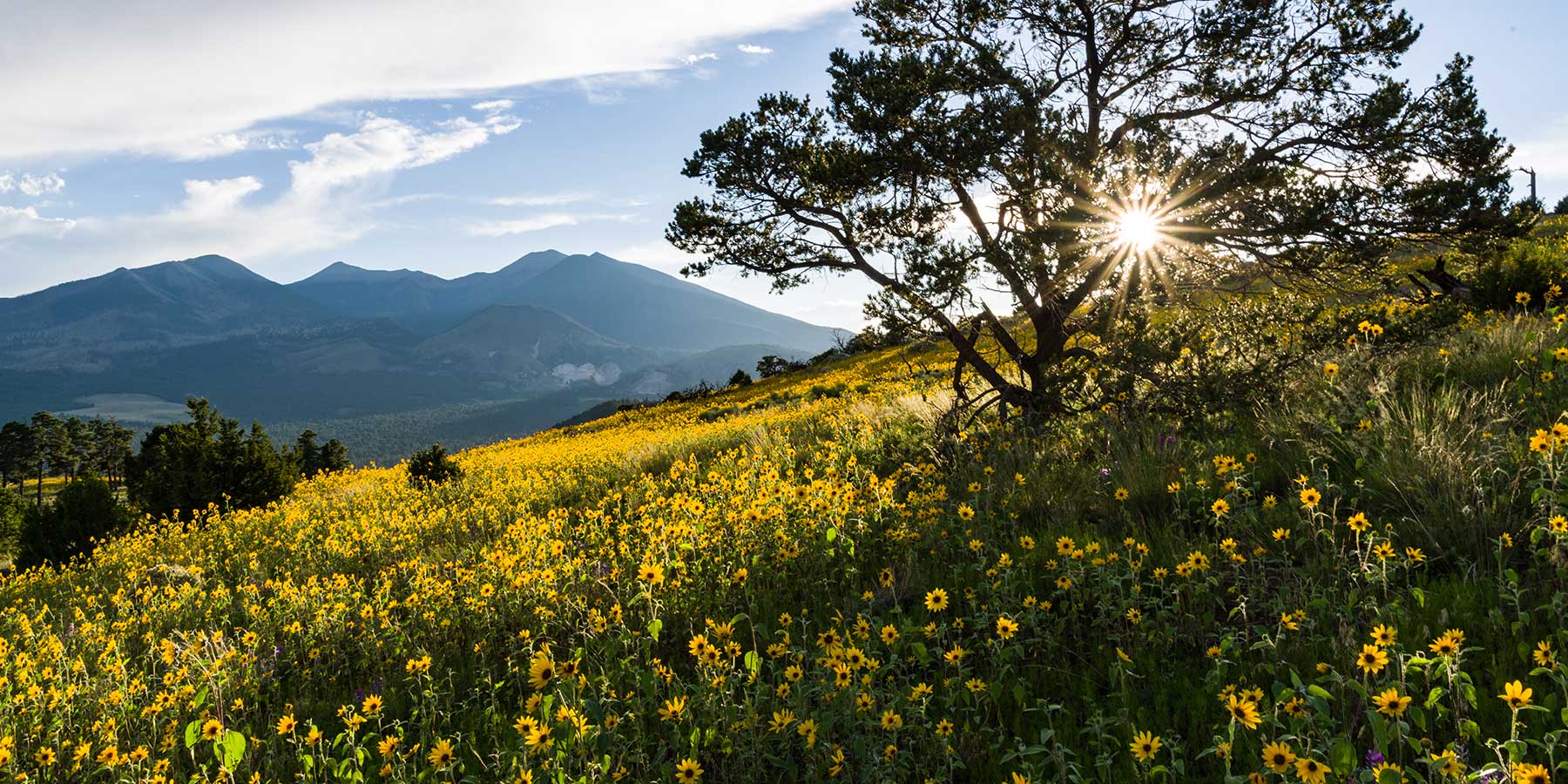
The Four Forest Restoration Initiative (4FRI) covers a 2.4 million-acre swath of ponderosa pine forest along Arizona’s Mogollon Rim, stretching from the Grand Canyon to New Mexico.
We’re working with the U.S. Forest Service, contractors, and dozens of partners to reduce the risk of severe wildfire, improve the health of our springs and streams, protect old-growth and wildlife habitat, and make our forests more resilient to climate change.
Blake McCord
Power in partnerships
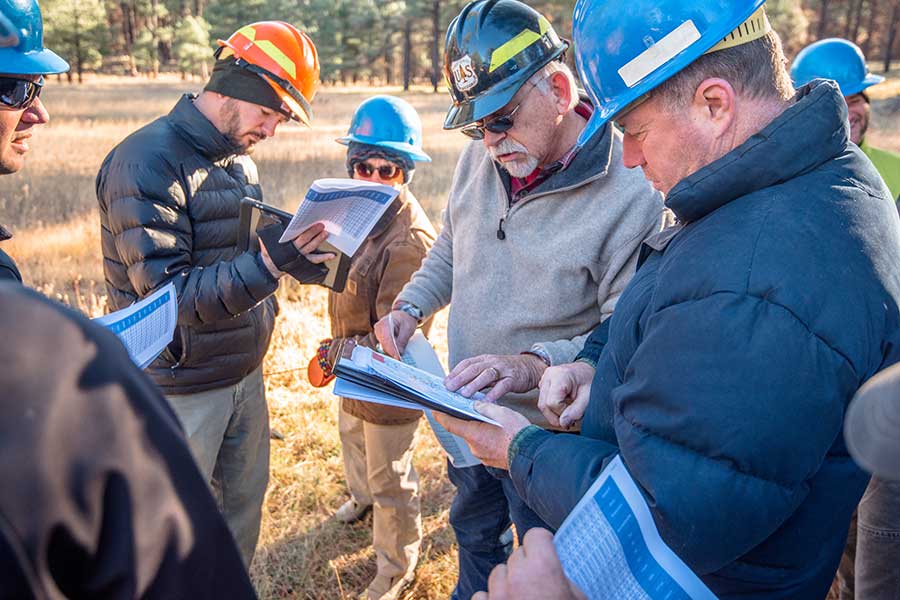
Large-scale restoration involves a lot of people, a lot of planning, and a lot of coordination. Day-to-day, we spend a lot of time in meetings, discussing past restoration activities and planning future thinning and prescribed burns.
Blake McCord
Field trips
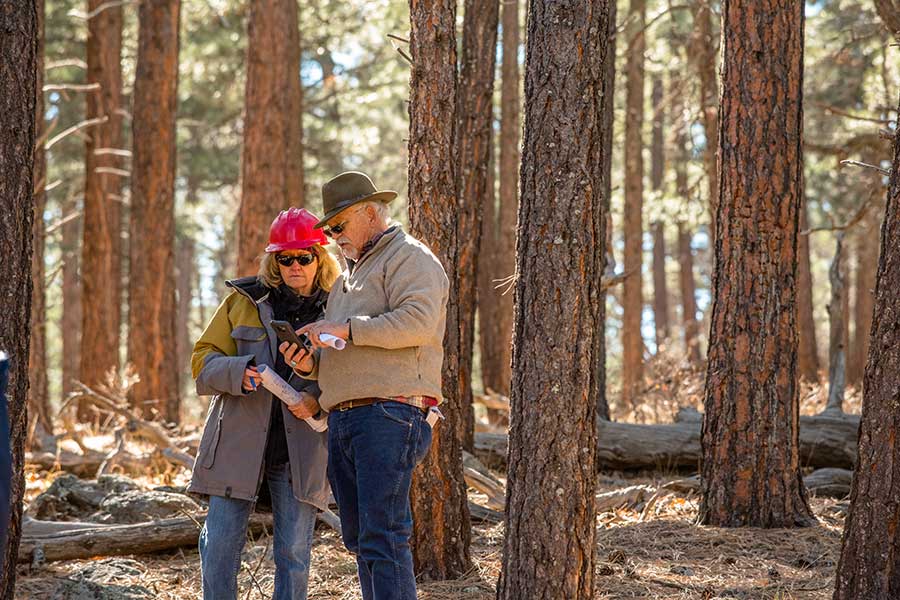
In places where restoration is underway, we visit tracts to monitor the size and spacing of trees left behind. We also look at untreated stands to determine which trees should be cut. Our field trips help us track progress and tweak plans.
Meredith Meeks
Survey springs and streams
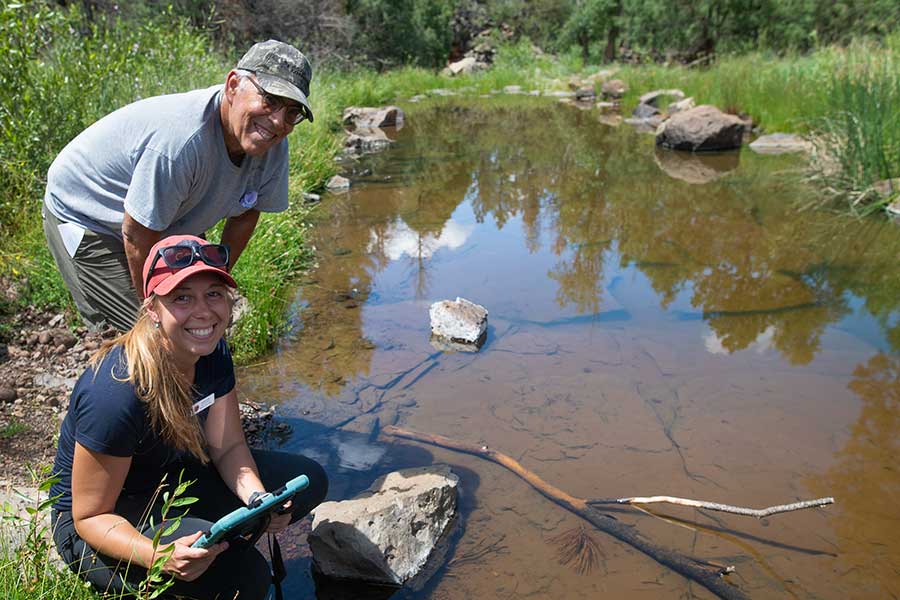
Forest restoration and the health of our water sources go hand-in-hand. We’re collecting baseline data on springs and streams so that over time, we can track the impacts of forest restoration on our water.
There are too many trees
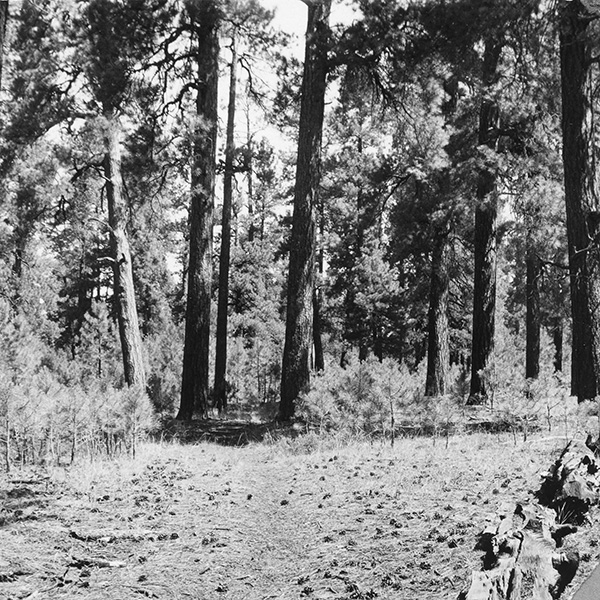
Fire used to be frequent in the Southwest, clearing understories of grasses and saplings and maintaining open stands of trees.
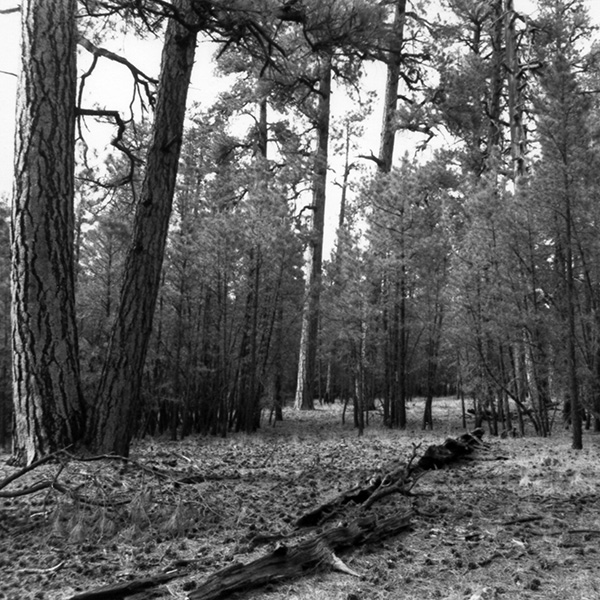
But decades of fire suppression has allowed spindly trunks to crowd our national forests.
The unnaturally dense forests now fuel severe wildfires that burn hotter and longer than ever before. Add with climate change, prolonged drought, and shrinking snowpack, and the need for forest restoration has never been greater.
Description of the Kaibab Plateau, circa 1872:
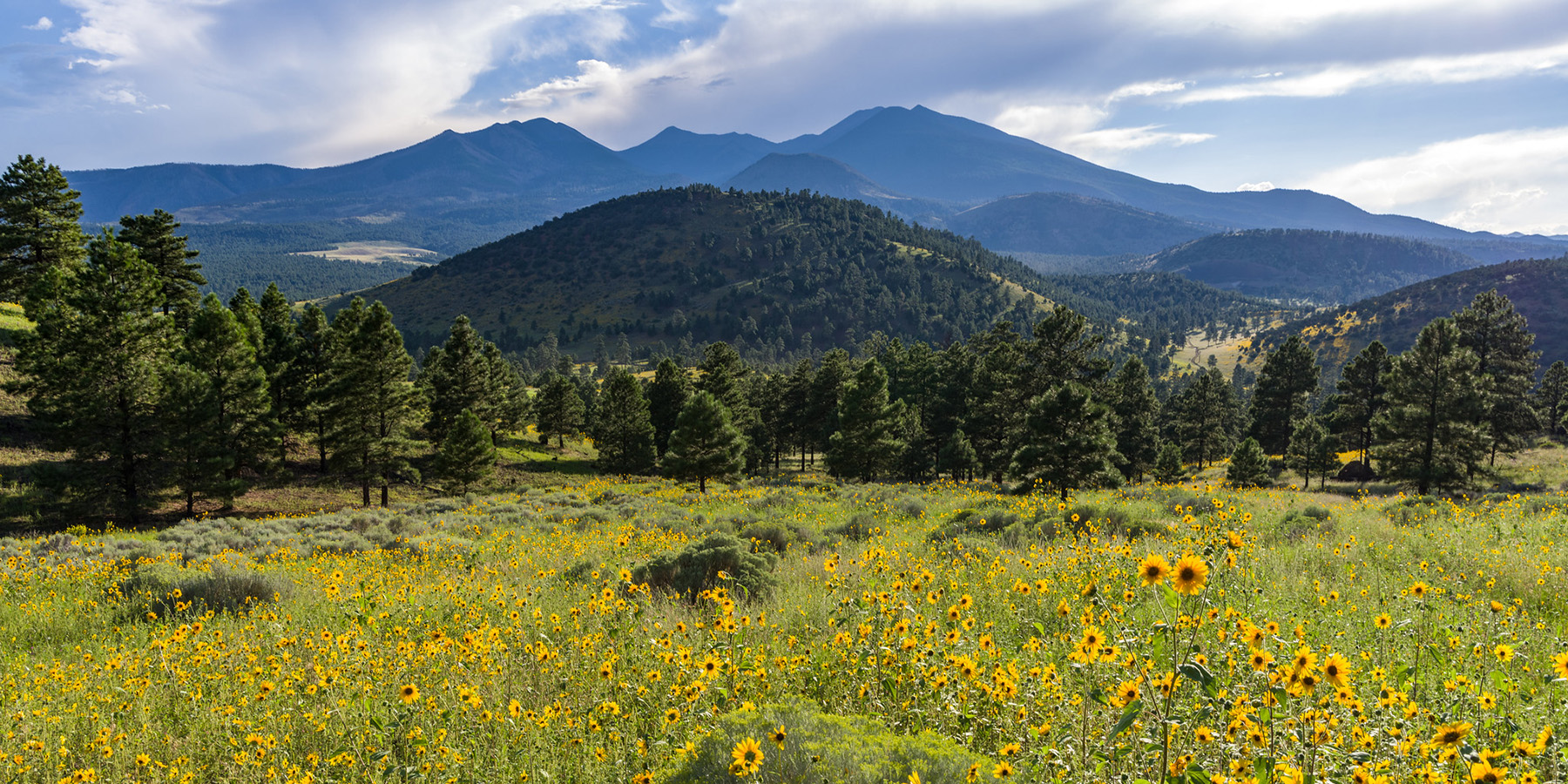
“The trees are large and noble in aspect and stand widely apart, except in the highest part of the plateau where spruces dominate. Instead of dense thickets where we are shut in by impenetrable foliage, we can look far beyond and see the tree trunks vanishing away like an infinite colonnade. The grounds unobstructed and inviting. There is a constant succession of parks and glades, dream avenues of grass and flowers winding between sylvan walls, or spreading out in broad open meadows. From June until September, there is a display of wildflowers which is quite beyond description.”
Clarence Dutton
geologist for the United States Geological Survey
1909
1938
1990
By partnering with the U.S. Forest Service, wood products industry, and others, we’re cleaning out understories with prescribed burns, managed wildfire, and mechanical thinning across Coconino, Kaibab, Tonto, and Apache-Sitgreaves national forests.
Coconino National Forest
7 reasons for forest restoration
Why should you care about protecting our forests? For starters, it could save millions of taxpayer dollars.
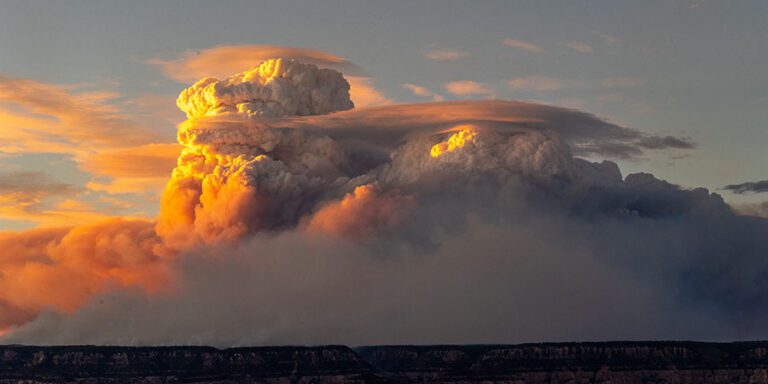
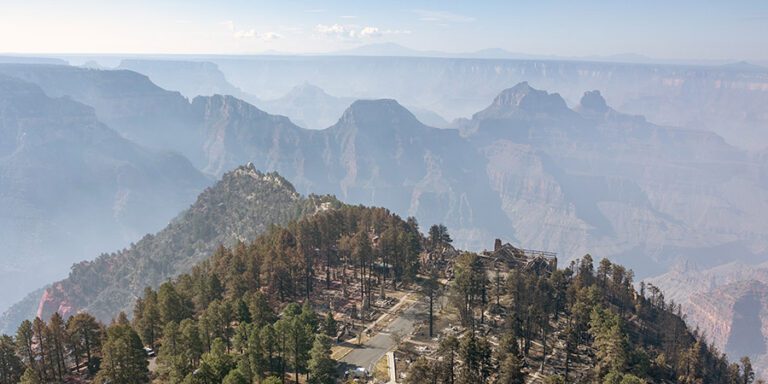
In the summer of 2025, fires raged across the north rim of the Grand Canyon. Now that the smoke has lifted, what does the future hold for the national park?
Grand Canyon wildfires burned across more than 200,000 acres in 2025. Now local communities are looking ahead at recovery and rebuilding on the North Rim.
The U.S. Forest Service needs to hear your support of the roadless rule. Comment by September 19, 2025 to stop the rollback of a policy that protects forest lands, watersheds, wildlife habitat, and more.
Coconino National Forest, Deborah Lee Soltesz
Your recurring gift to the Trust makes a difference for the Colorado Plateau.
Become a Sustaining Member today for as little as $5 per month.