The Grand Canyon Protection Act and the effects of fluctuating flows
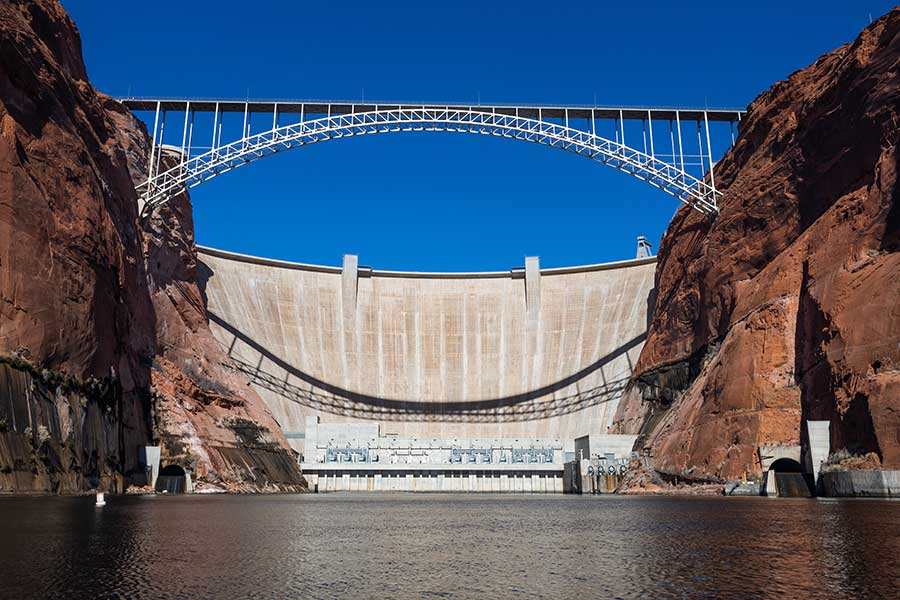
Several federal laws have been passed to protect Grand Canyon, prominent among them the Grand Canyon Protection Act (GCPA), signed into law on October 30, 1992. The GCPA states:
“The Secretary shall operate Glen Canyon Dam in accordance with the additional criteria and operating plans specified in section 1804 and exercise other authorities under existing law in such a manner as to protect, mitigate adverse impacts to, and improve the values for which Grand Canyon National Park and Glen Canyon National Recreation Area were established, including, but not limited to natural and cultural resources and visitor use.”
The intent of the GCPA is unambiguous: to operate the dam in a manner that protects park resources, notwithstanding impacts to hydropower generation. Senator John McCain, co-sponsor of the bill, stated:
“The erratic release of water from the dam to meet peak electric power demands [has] destroyed Colorado River beaches, and harmed other natural, cultural, and recreational resources. Somewhere along the line, we forgot our obligation to the canyon and to [t]he future generations for whom we hold it in trust.”
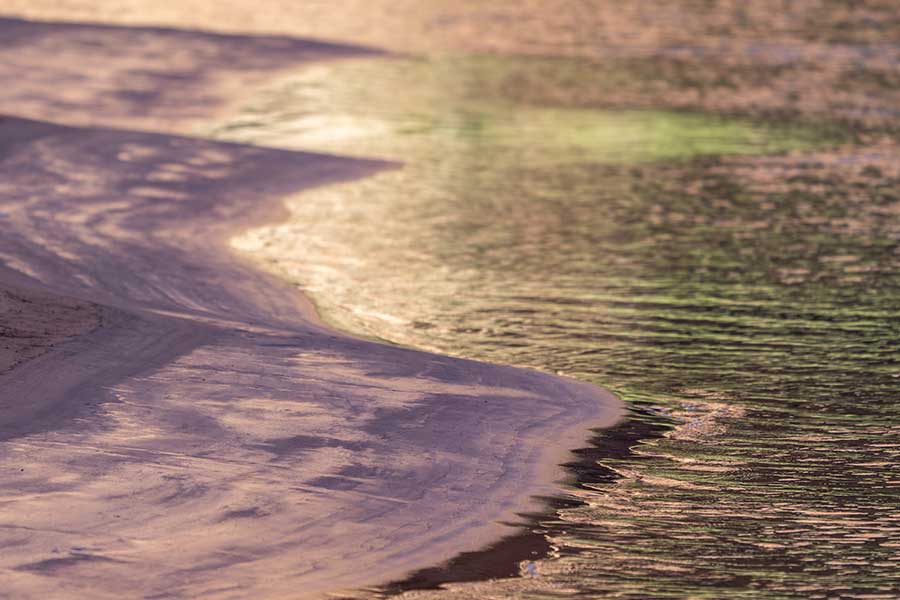
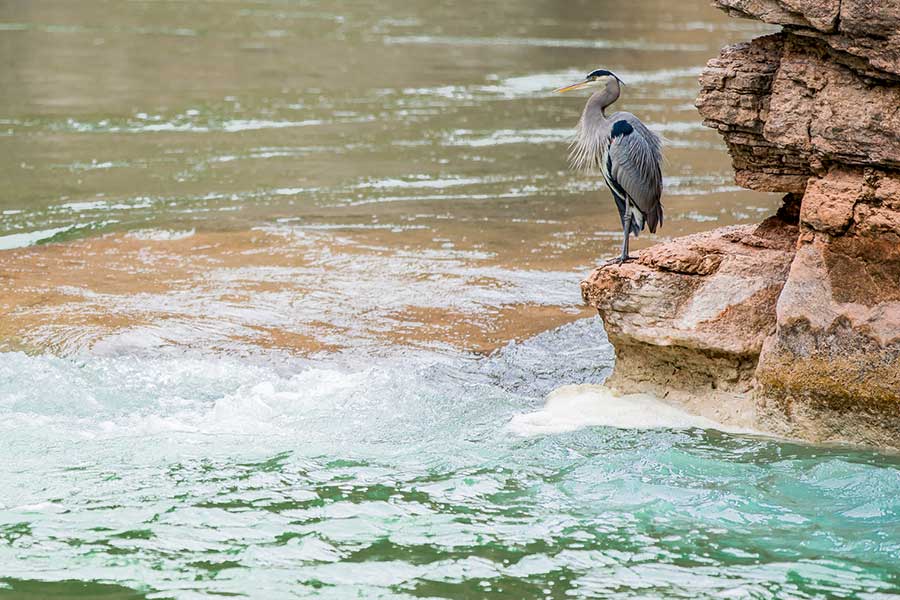
The destructive “erratic releases” Senator McCain refers to are the ceaselessly fluctuating flows from Glen Canyon Dam that generate cheap peaking power but, in the bargain, unravel the health of Grand Canyon. Fluctuating flows erode sediment faster than steady flows, diminishing beaches, harming native fish habitat, eroding centuries-old cultural sites, and jeopardizing the existence of the 4-million-year-old humpback chub, an endangered fish found only in the Colorado River.
The Grand Canyon has suffered resource declines for years.
The U.S. Geological Survey found in its 2005 SCORE Report that Modified Low Fluctuating Flows (MLLF; the flows coming through the dam since 1996) have been destroying Grand Canyon beaches, native fish habitat, and archaeological sites. U.S. Fish & Wildlife Service’s 1994 Biological Opinion determined that these fluctuating flows jeopardize the existence of the humpback chub, destroy its critical habitat in Grand Canyon, and impede the chub’s recovery.