A re-examination of Glen Canyon Dam operations is coming.
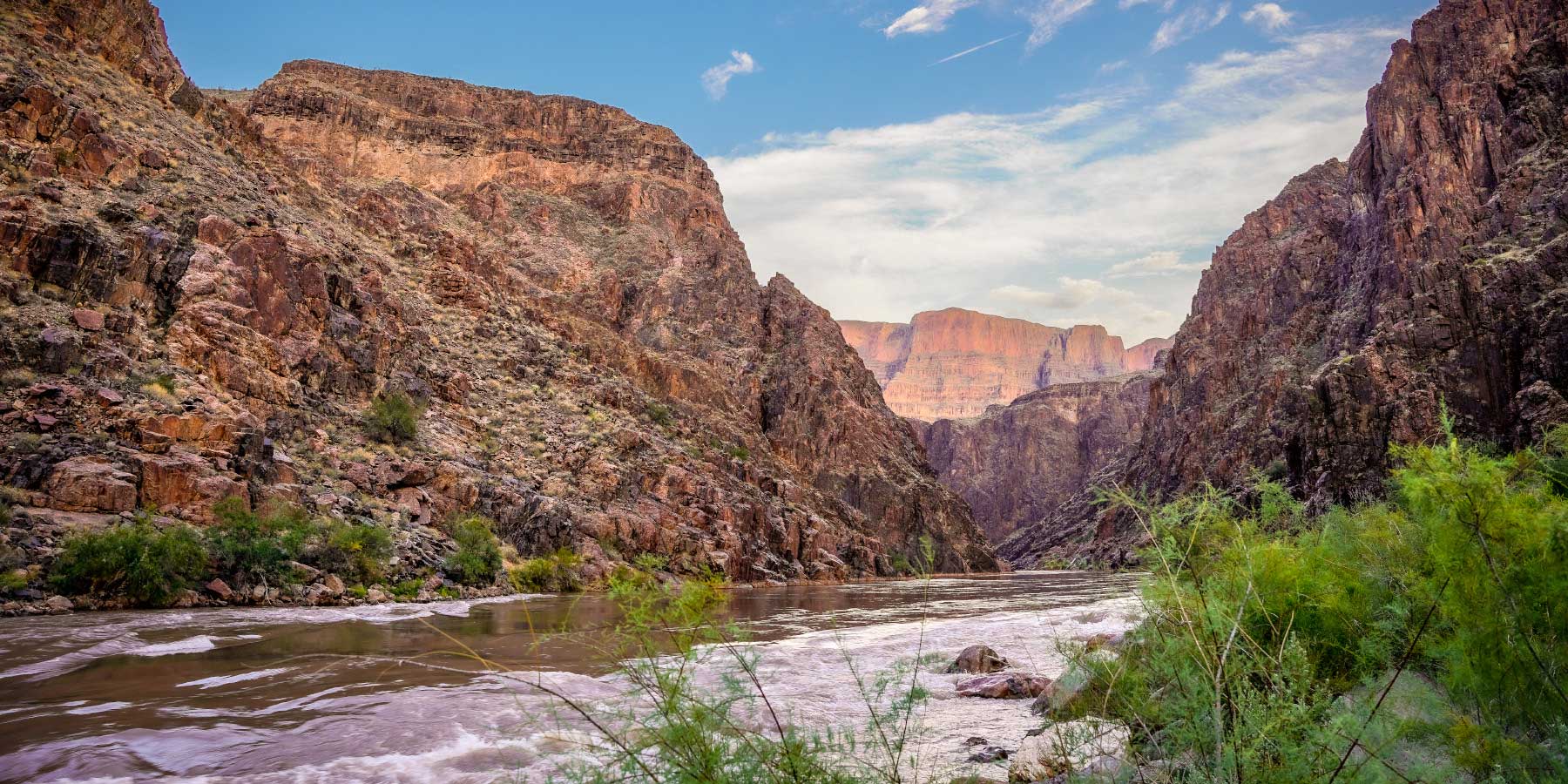
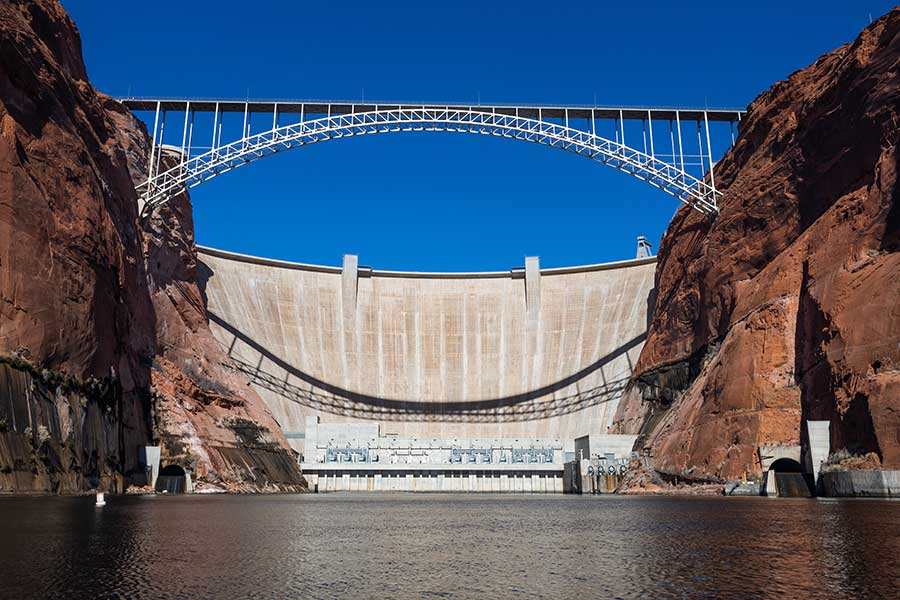
The way water is released from Glen Canyon Dam profoundly affects the river corridor, the species living there, and the abundant cultural sites. Simply stated, water can be released as either steady flows or fluctuating flows. Neither flow regime impacts water supplies or water deliveries by the Colorado River; however, over the last 15 years, science has shown that fluctuating flows damage all the key resources in Grand Canyon — the beaches, the backwater habitats for native fish spawning and rearing, the native shoreline plants and animals, and cultural and archaeological sites. At the same time, scientists have concluded that steady flows are very likely to be optimal for all sediment-related resources. A recent report from Grand Canyon Monitoring and Research Center concluded that fluctuating flows following the last high-flow experiment quickly eviscerated the benefits created by the high flow.
Ideally, two types of flows are needed:
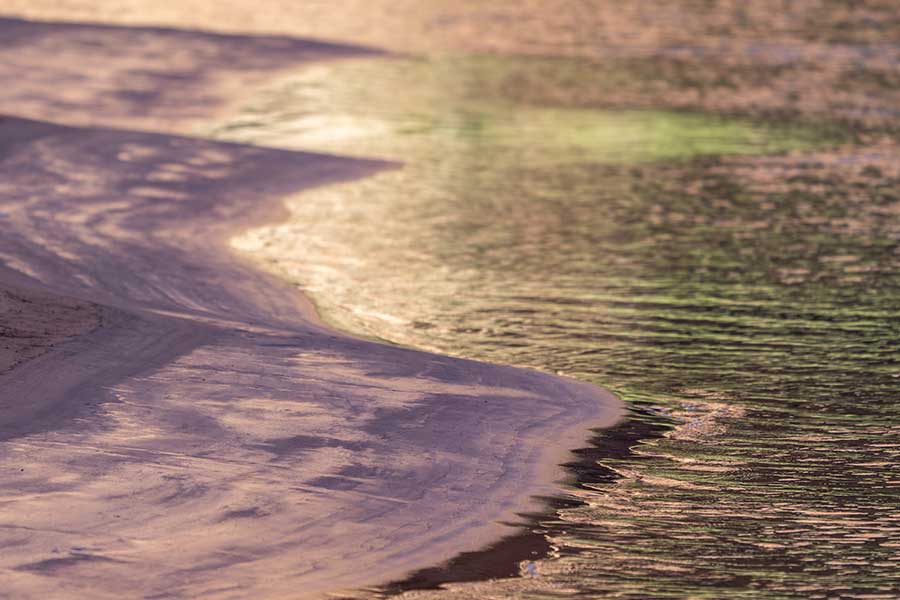
- Regular high flows, under sediment-enriched conditions. These flow deposit sediment from tributaries and scour sediment from the bottom of the river to rebuild beaches and near shore habitat for native fish.
- Seasonally adjusted steady flows, based on the natural rhythms of the pre-dam river. These flows preserve beaches, protect native fish habitat, and stabilize centuries-old cultural sites.
Long-Term Experimental and Management Plan EIS
The Department of Interior has initiated the Long-Term Experimental and Management Plan EIS (LTEMP EIS) process, which will be focused on experiments and management actions related to dam operations. This is monumental. The LTEMP EIS will provide a great opportunity to engage the American public in support of changing dam operations to protect hundreds of miles of the Colorado River through the Grand Canyon. As part of the EIS, destructive fluctuating flows will be examined alongside beneficial seasonally adjusted steady flows.
The LTEMP EIS will be the first re-examination of dam operations since 1996 when the fluctuating flows became the default method for operating the dam. We are partnering with National Parks Conservation Association to develop national support for changing dam operations through the EIS to improve Colorado River resources in Grand Canyon NP, as required by the Grand Canyon Protection Act.
See the Grand Canyon Trust’s comments on the LTEMP EIS here.