Protecting the Colorado River in Grand Canyon
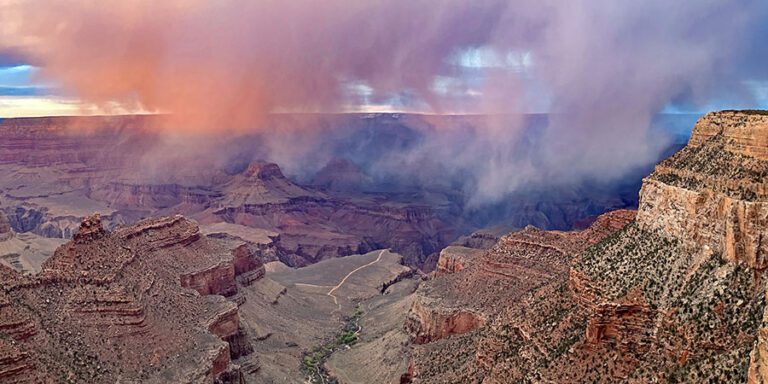
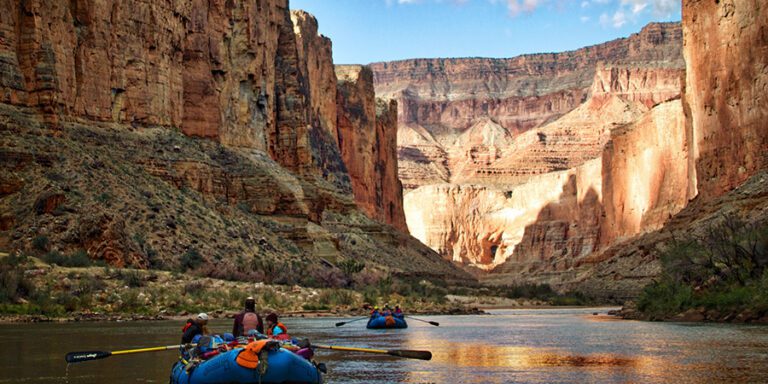
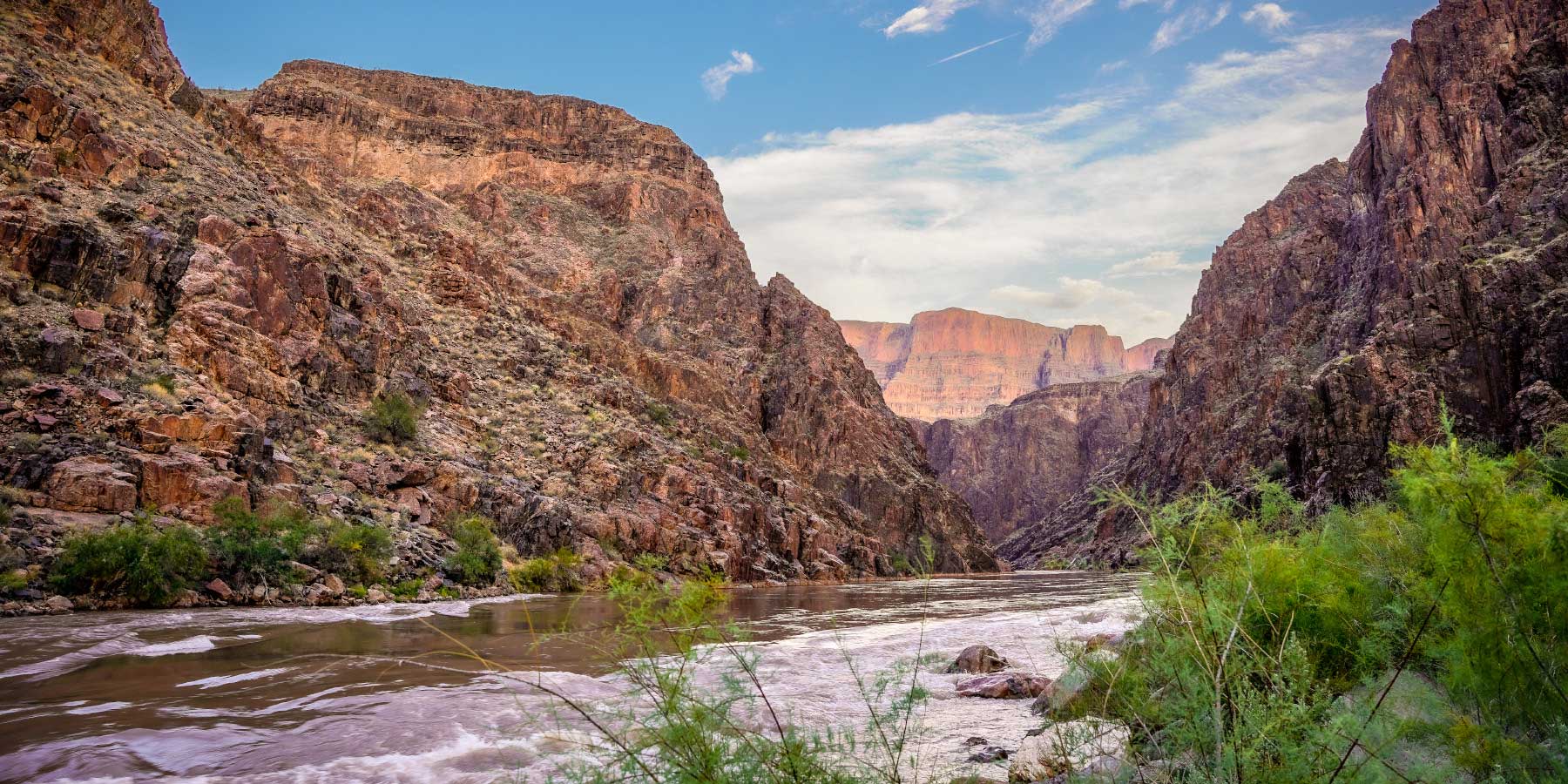
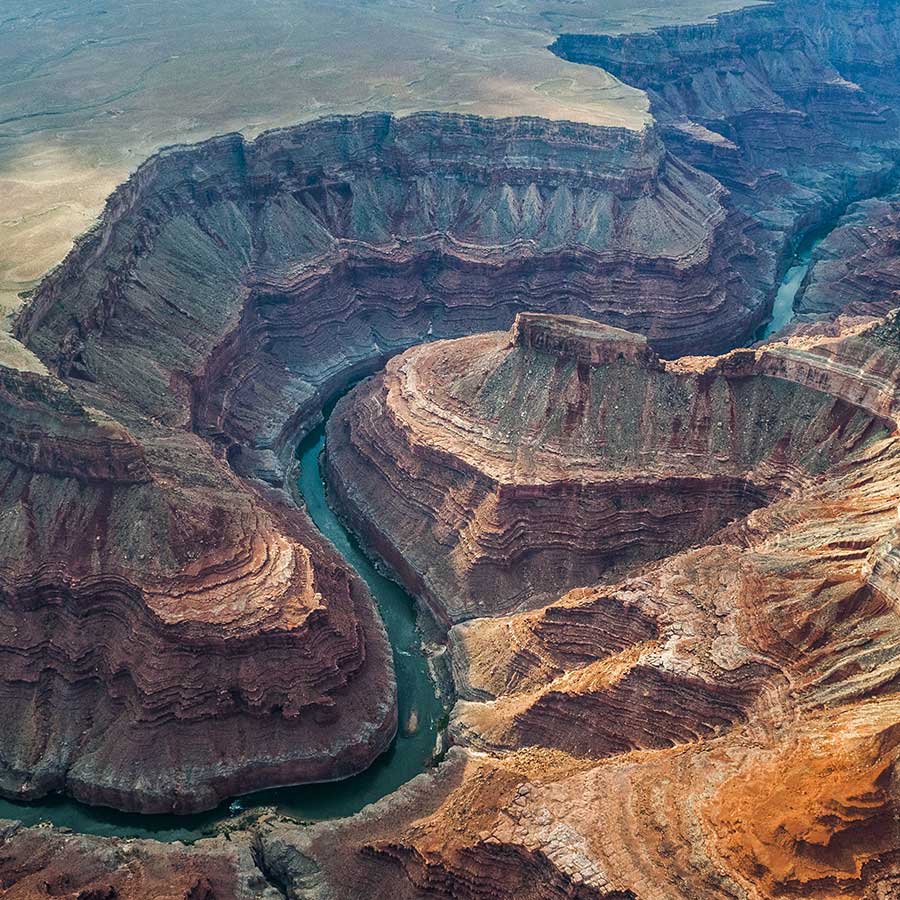
For millions of years, the Colorado River carved its way through the Colorado Plateau, persisting through ice ages, changing course to adapt to continental shift, and burrowing through molten lava dams and walls of granite. The river brought life to the ancient civilizations of the canyons and made possible the early European settlements of the Southwest. Finally, it was captured to create today’s dense urban Sunbelt. Now, 30 million people, 13 Native American tribes, innumerable species, and thousands of acres of increasingly rare habitat depend on it. But Grand Canyon’s ecosystem has begun to weaken under the river’s heavy burden.
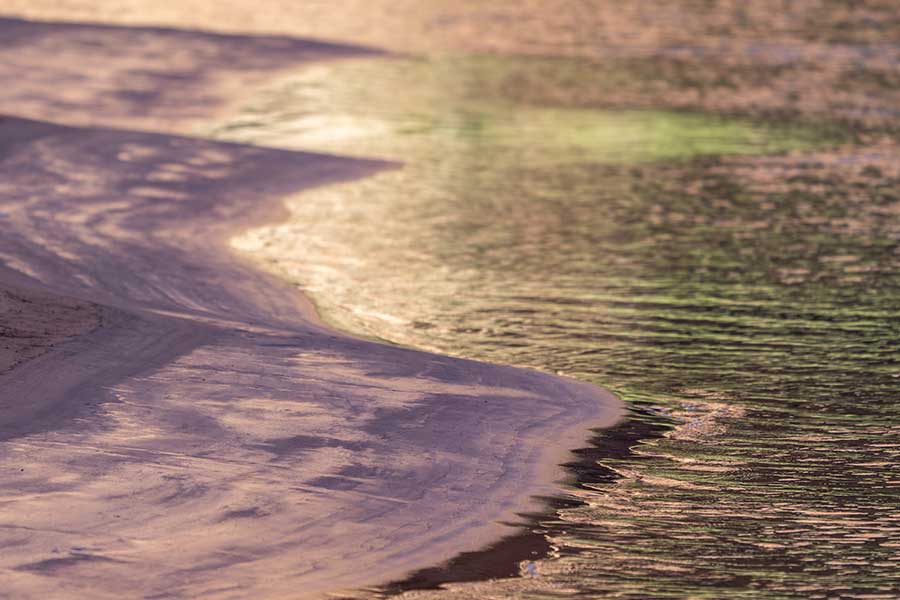
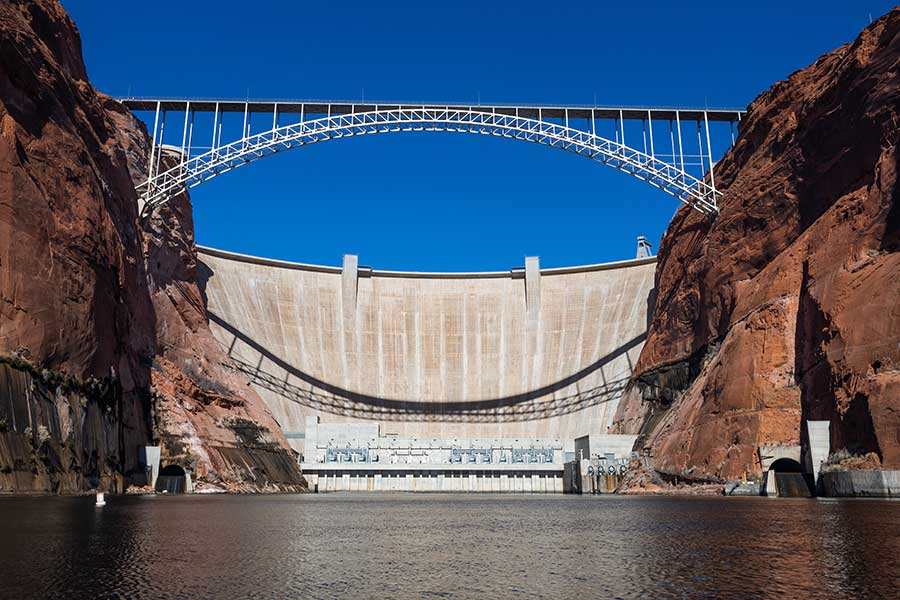
The Grand Canyon has suffered dramatically from downstream flows from Glen Canyon Dam. The fluctuating flows that have been a regular part of dam operations since blocking the river in 1963 have eroded beaches, reduced native fish populations and habitat, and undermined sediment support for cultural sites. Grand Canyon’s declining state has been well documented. The 2005 USGS Colorado River report concluded that every resource of concern in Grand Canyon has declined over the past decade. Scientists recently reported that fluctuating flows immediately following the 2008 high-flow release quickly destroyed the beach-building benefits originally conferred by the high flow.
Severe drought combined with burgeoning growth has also put intense pressure on the Colorado River and its canyons, species, habitats, and communities. As reservoir levels have fallen to historic lows, it has become imperative to not only change the way we manage the river but also to reconsider how we operate dams.