
Grand Canyon issues and projectsUranium Mining

Landscapes Program


Contact Us
2601 N. Fort Valley Rd
Flagstaff, AZ 86001
Phone: 928.774.7488
Fax: 928.774.7570
E-mail Us

Grand Canyon and Colorado Plateau conservation advocates : Grand Canyon Trust

Home » Grand Canyon » Uranium Mining » Issues


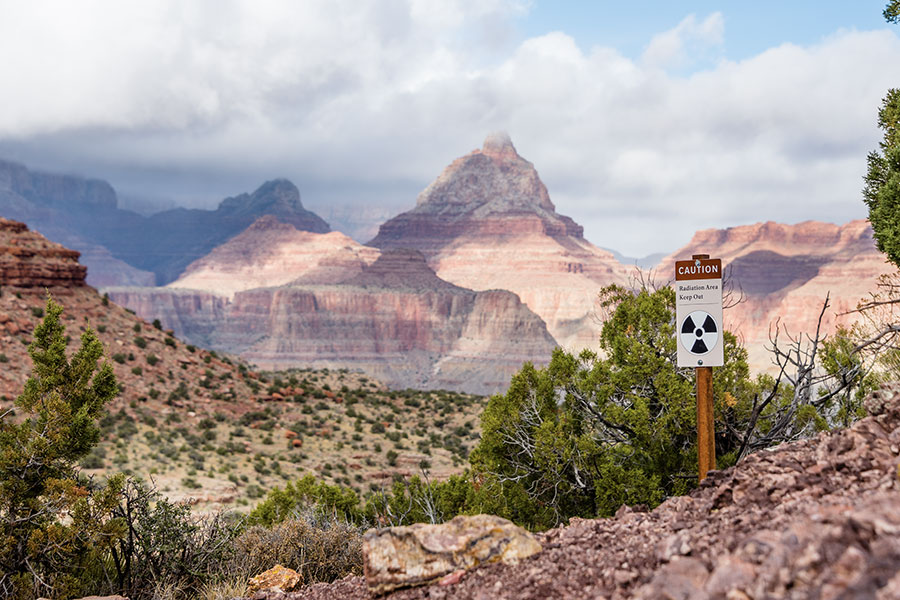
Radioactive residues have been accumulating in and around Grand Canyon for more than five decades.

Permanently polluted land and water are a direct result of federal programs that encouraged uranium prospecting on public lands beginning in the 1950s. That mining and milling boom in the Four Corners area lasted for about three decades before going bust. When the bottom dropped out of the uranium market, the industry went belly-up, leaving behind thousands of poisonous surface sites and deadly groundwater plumes.

Impacts of nearby uranium exploration

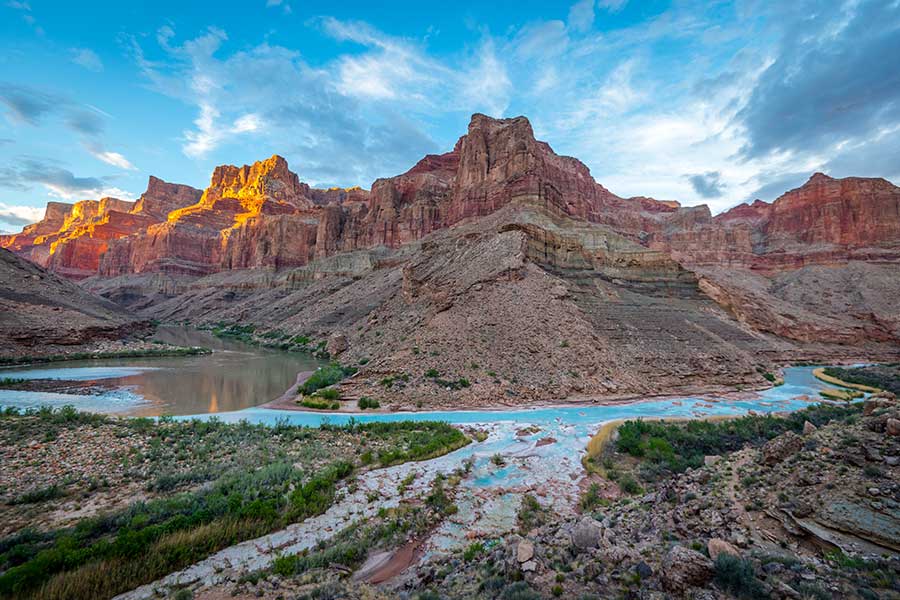
In 1979, an earthen dam breached, releasing 1,100 tons of radioactive mill wastes and 90 million gallons of contaminated water into a tributary of the Little Colorado River. The Nuclear Regulatory Commission acknowledges that many additional toxic tailings have been washed into our region’s waterways. Collectively, these events correlate with documented risks and harm to people’s health.

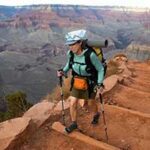
The first wave of uranium development resulted in dozens of claims and mines to be located in and around the Grand Canyon. In 1984, a flash flood washed tons of high-grade uranium ore from Hack Canyon Mine into a tributary of Kanab Creek, which drains into Grand Canyon. Located within the Park’s south rim, the Orphan Mine continues to contaminate creeks, prompting the National Park Service to warn backpackers along the Tonto Trail not to use water from two drainages.

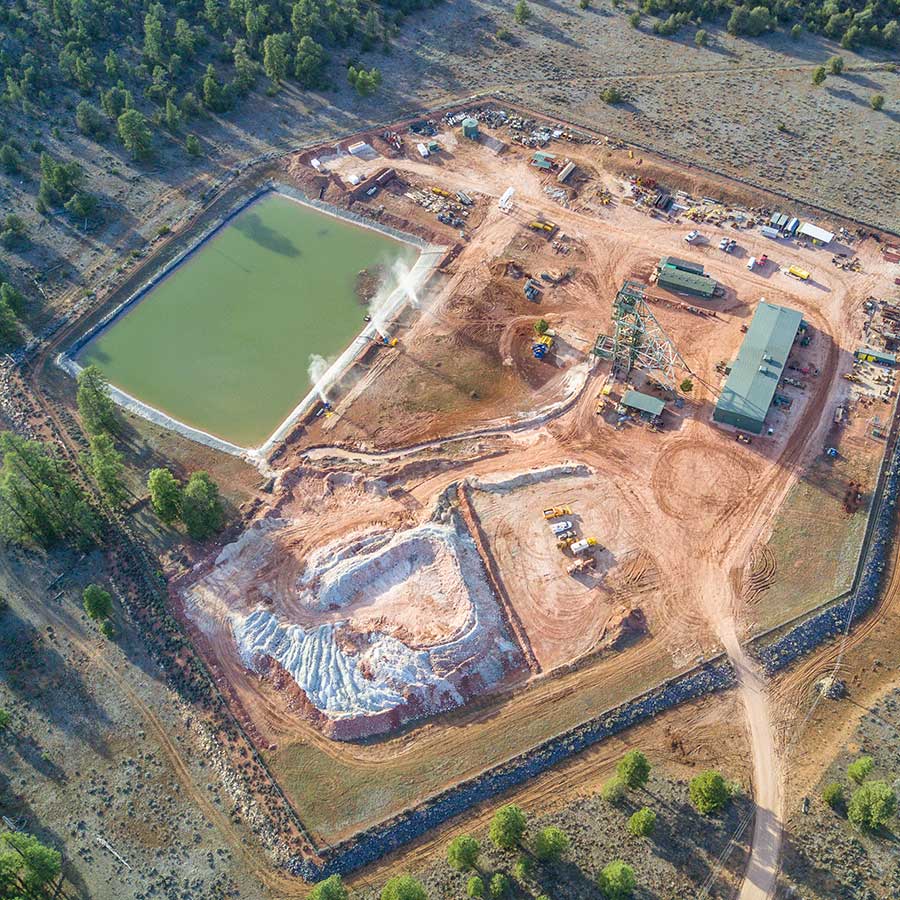
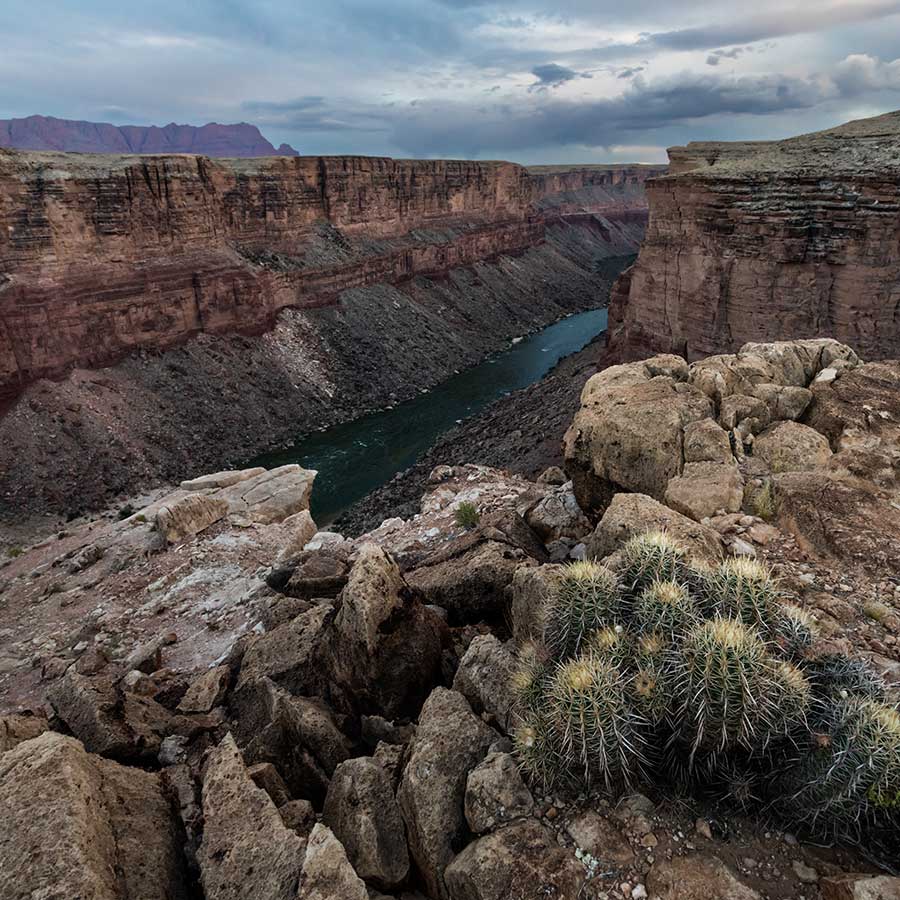
Beginning in 2006, the price for uranium began to rise. Thousands of new claims have been filed within watersheds that drain directly into Grand Canyon National Park and the Colorado River.  A Canadian-owned company reopened the White Mesa Mill in Blanding, Utah, and began processing uranium for powering nuclear reactors in South Korea and France. Without requiring any revisions to outdated environmental assessments, the BLM automatically allowed the same company to begin opening mines that were abandoned by its previous owners in the 1980s.

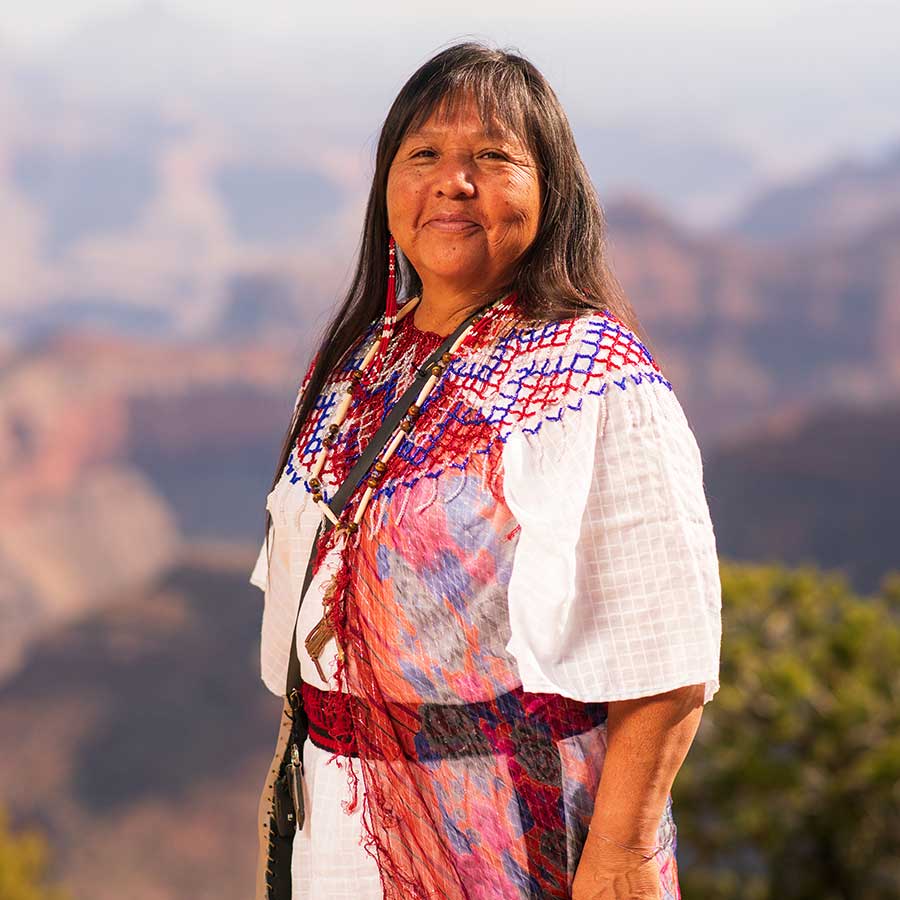
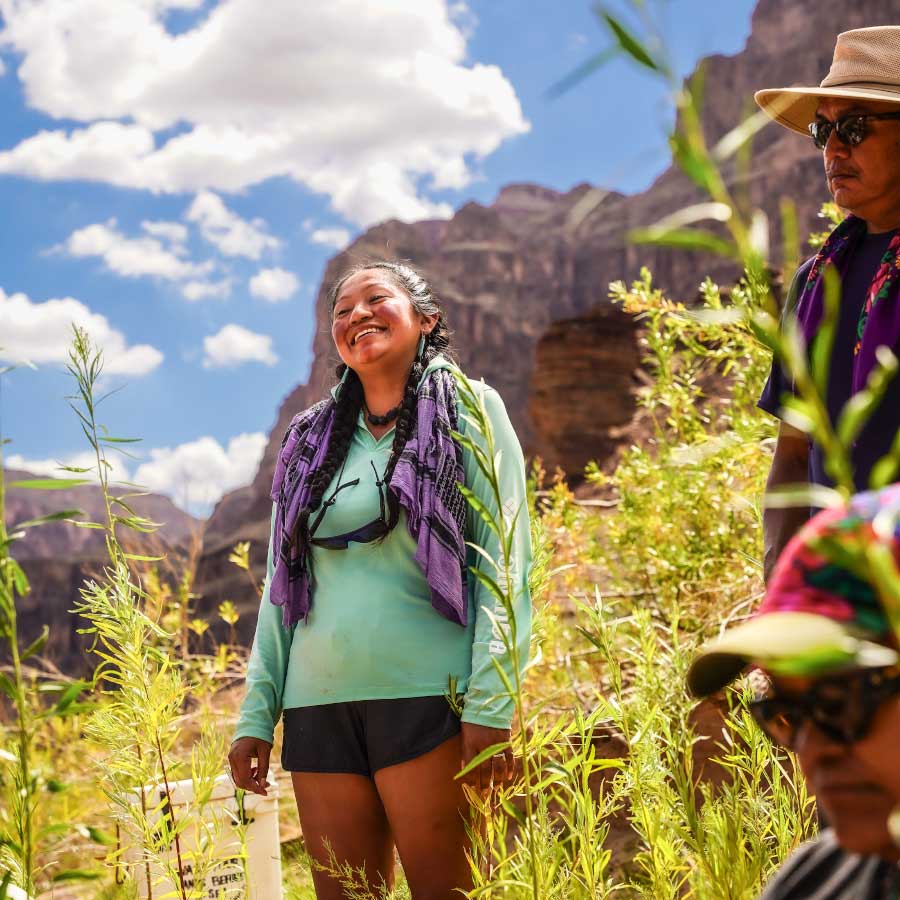
Coleen Kaska with “No Mines” sticker

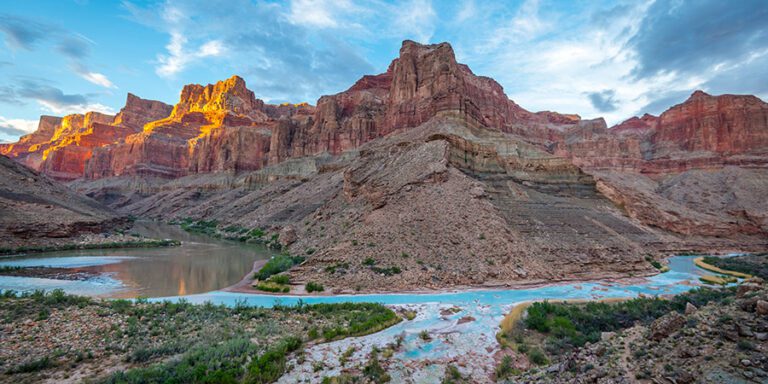
Today, the NPS advises against “drinking and bathing” in the Little Colorado River, Kanab Creek, and other Grand Canyon waters where “excessive radionuclides” have been found. Although it is difficult to attribute this contamination to any specific activity, there can be little doubt that the cumulative effects of mining, milling, and transporting radioactive materials are causing long-term, adverse effects on people, water and other resource values in the Grand Canyon region.

Twenty-year ban on new mining claims

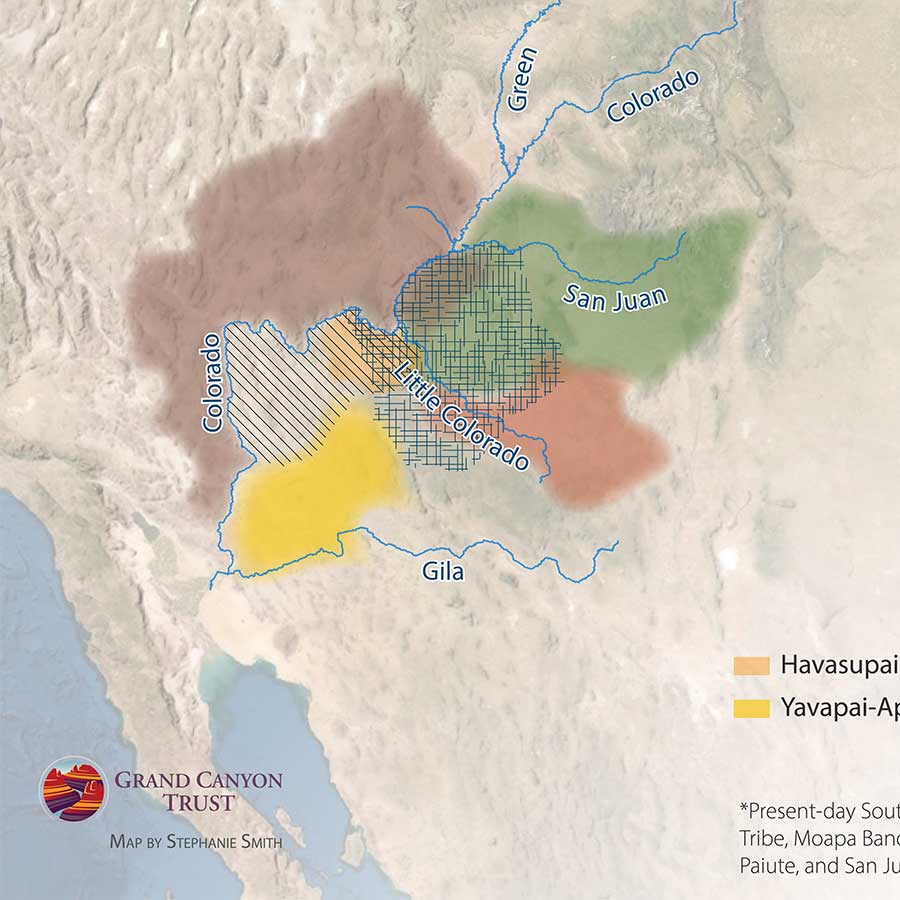
On January 9, 2012, Secretary of the Interior Ken Salazar ordered a 20-year moratorium on thousands of new mining claims that threaten to industrialize watersheds, which drain directly into Grand Canyon and the Colorado River. The 20-year ban was achieved through an unprecedented and formidable coalition of tribal, business, and civic leaders, hunting, fishing, ranching, and conservation groups, water, wildlife, city, and county officials, and nearly 300,000 individuals who commented favorably on the proposed moratorium.

The decision culminates a successful, four-year campaign that the Trust initiated in response to a surge in new mining activity as uranium prices began to soar in 2006. Please see our chronicle that summarizes many of the actions, events, and articles that are shaping the future of uranium mining on public land surrounding Grand Canyon National Park.

As Coconino County Supervisor Carl Taylor summarized, “Uranium mining benefits only the corporations that promote it. It does not assure energy independence. It poses a very high probability of negatively impacting safe tourism in the area. It generates practically no revenue benefit to local economies while saddling local governments with uncompensated health and safety services to the mines.” Please see his entire op-ed and Grand Canyon Trust program director Roger Clark’s op-ed, published in the Arizona Republic.

Our success in securing the 20-year ban on new claims is significant, but we must help defend legal appeals to Secretary Salazar’s decision and prevent it from being reversed by legislation or new administrations. We are appealing the lower-court decision on our claim against Department of the Interior for allowing the Arizona 1 mine to reopen without updating its 20-year-old Environmental Assessment. We are anticipating the need to take new actions as owners of existing uranium mines prepare to re-open them and to challenge the validity of mining claims that were made prior to the administrative withdrawal.
Grand Canyon conservation

Support Grand Canyon Conservation

 Your donations and membership dues make our work in Grand Canyon possible.

Become a member of Grand Canyon Trust and support our work in Grand Canyon

Look up acronyms and abbreviationsguide to acronyms and abbreviations