


Alternatives for meeting increasing demands
Over the years, various projects and approaches have been proposed to meet water demands on the Coconino Plateau.
Colorado River pipeline
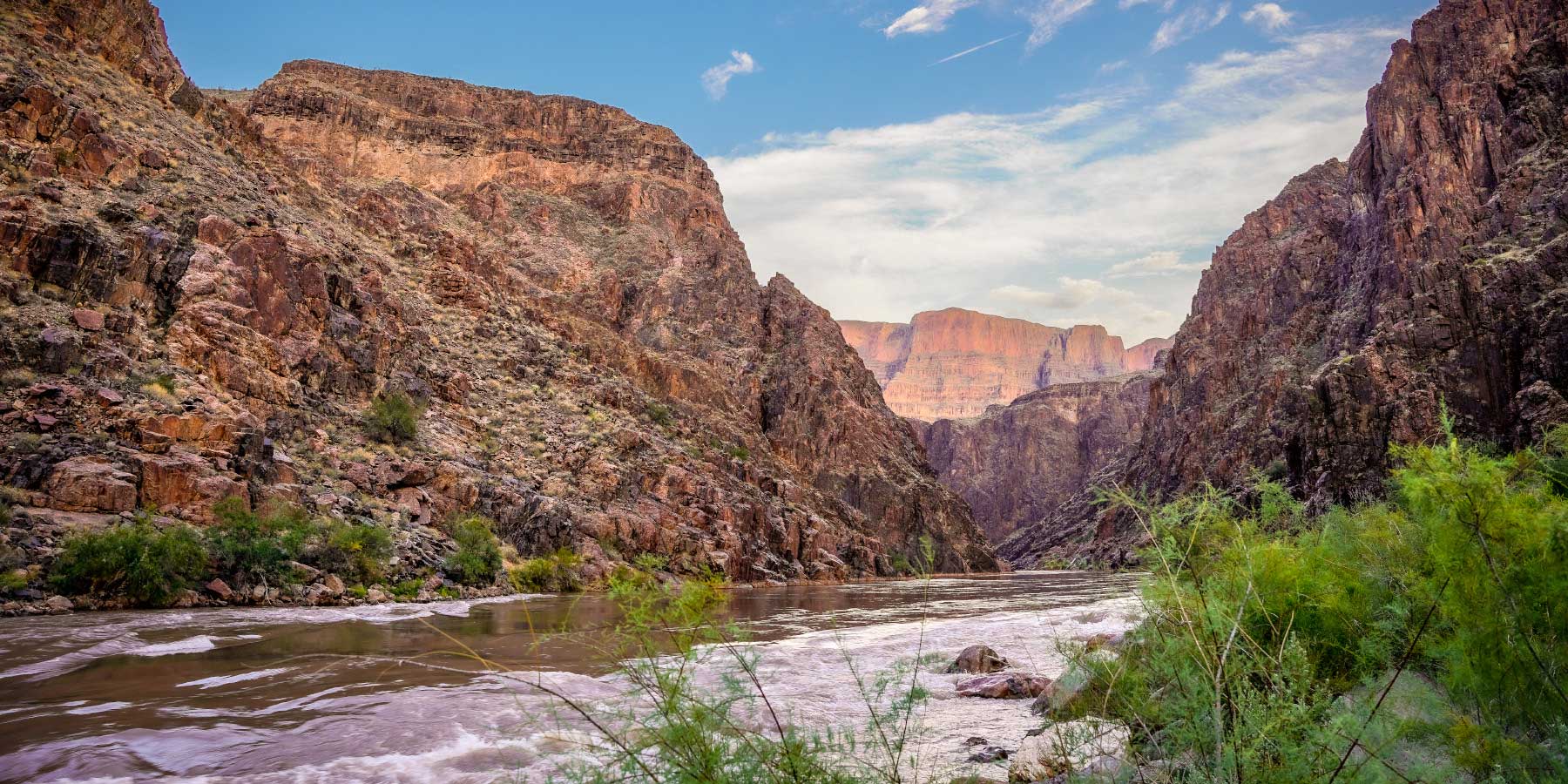
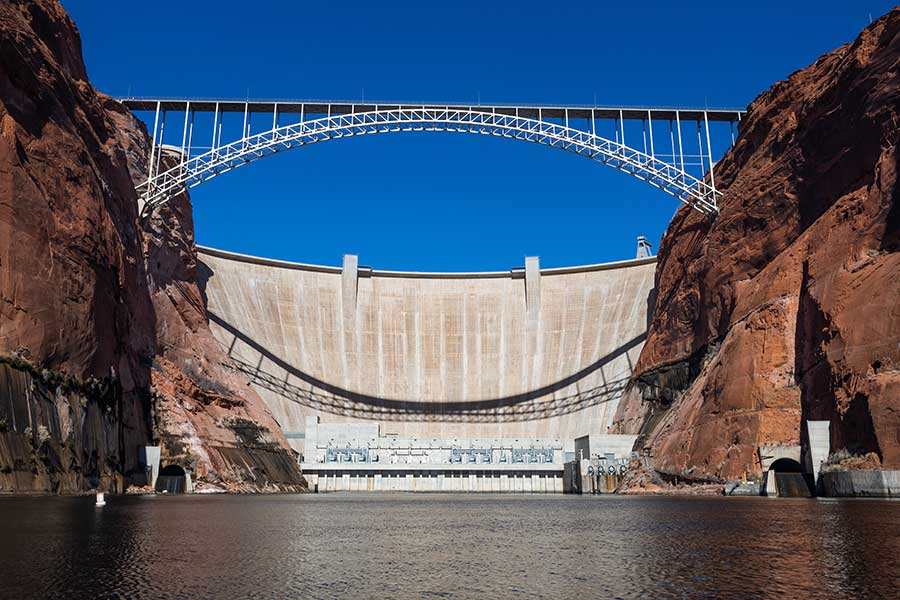
Some have suggested constructing a Colorado River pipeline to meet burgeoning water demands. However, a pipeline would divert more water from a river system that is already overburdened by demands from seven states and Mexico to meet municipal, industrial, agricultural, recreational, and environmental needs. It also has the potential to encourage more growth and cause various environmental consequences.
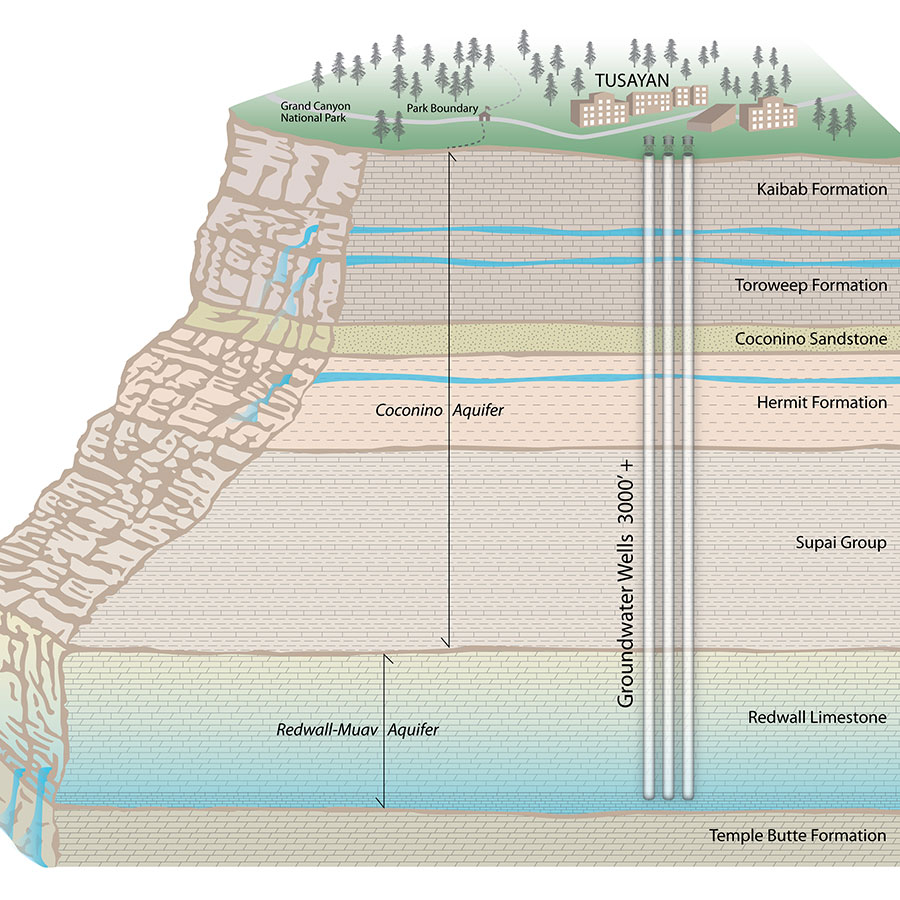
So, what is the answer? Indeed, future water supply alternatives may need to include a pipeline, at least to Native American lands. However, a judicious use of regional aquifers and water-conservation technologies will be necessary to address burgeoning water demands.
Conservation
Programs across the country have shown that water gained through conservation and improved efficiency should be considered a “supply” — an already developed resource that, when tapped, can help defer, downsize, or avoid altogether costly new infrastructure. The aggressive implementation of water conservation technologies — installing more efficient faucets and toilets, reclaiming / recycling water, reusing gray water, and harvesting rainwater— has been shown to reduce demand by 30 to 50 percent.