Email this article Click to send
Print this article Choose File Print or Ctrl P or Apple P
Most popular pages Today | This Week

Forced to let cattle graze, environmentalists attempt to restore land near Grand Canyon

Shaun McKinnon
The Arizona Republic
Jan. 8, 2006 12:00 AM

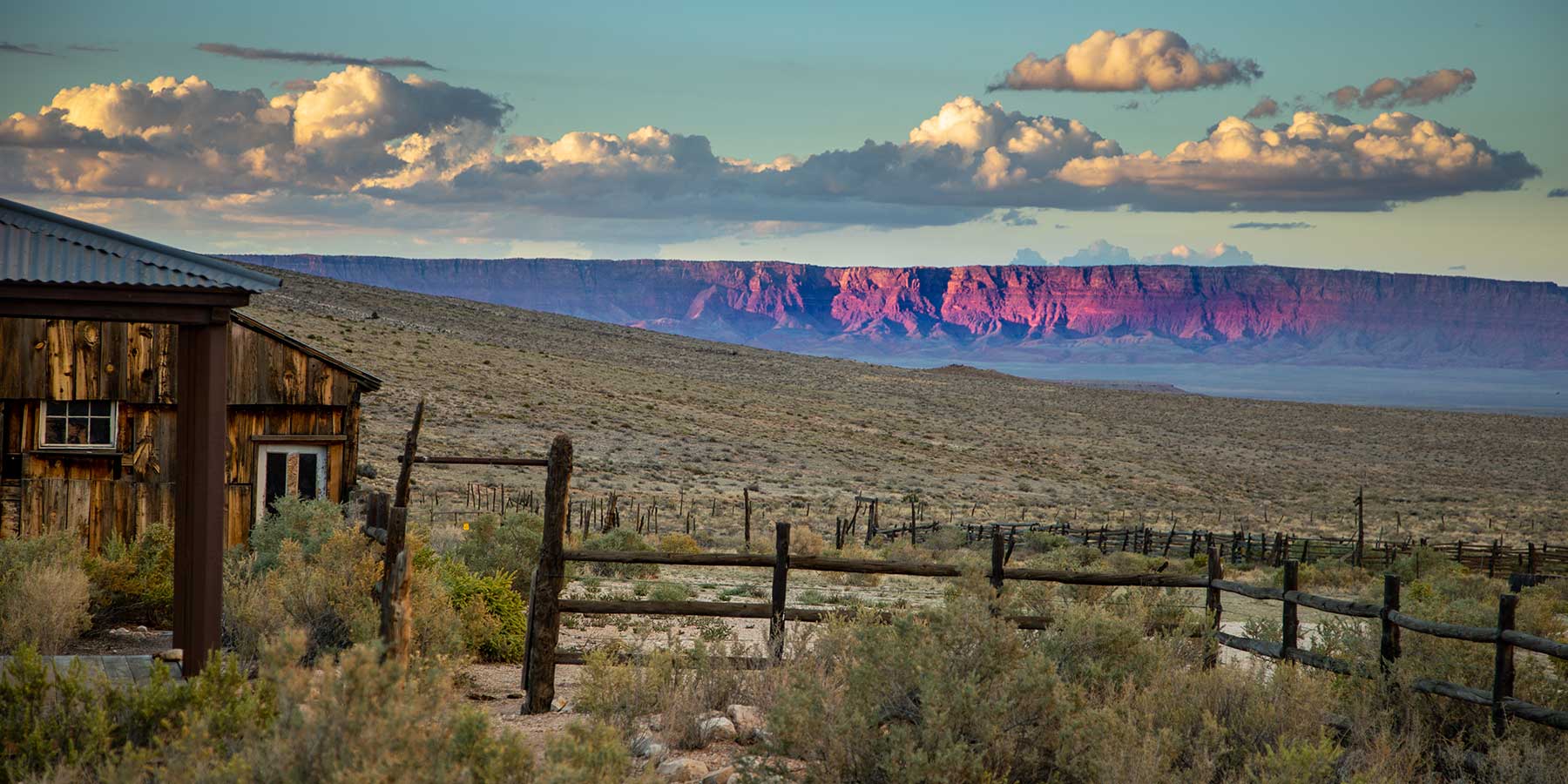
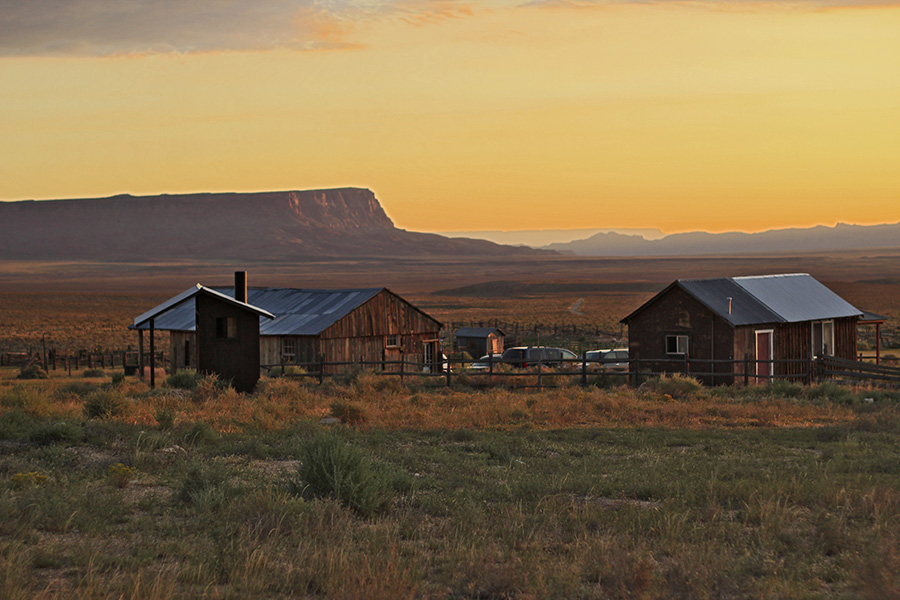
ATOP THE PARIA PLATEAU - Step through the doorway of the cramped line shack out on the Two Mile Ranch grazing range and you might figure it's worth it to sit a spell until the cowhand gets back.

His hat's there, black and felt like it ought to be, hanging from a nail in the cinder-block wall. He has stocked the cupboard with cans of green beans and carrots. He hasn't cleaned in a long time - the floor crunches with each step, and mice have taken over the lumpy mattress - but you forgive him that because he's getting paid to chase cattle, not dust bunnies.

Still, for all the Hollywood details, this is not a place stuck in an episode of Bonanza. Or even in the past. The next time a cowhand shows up for work, he or she will find the beginnings of a modern experiment in ranching, an operation steeped not in tradition but in conservation.

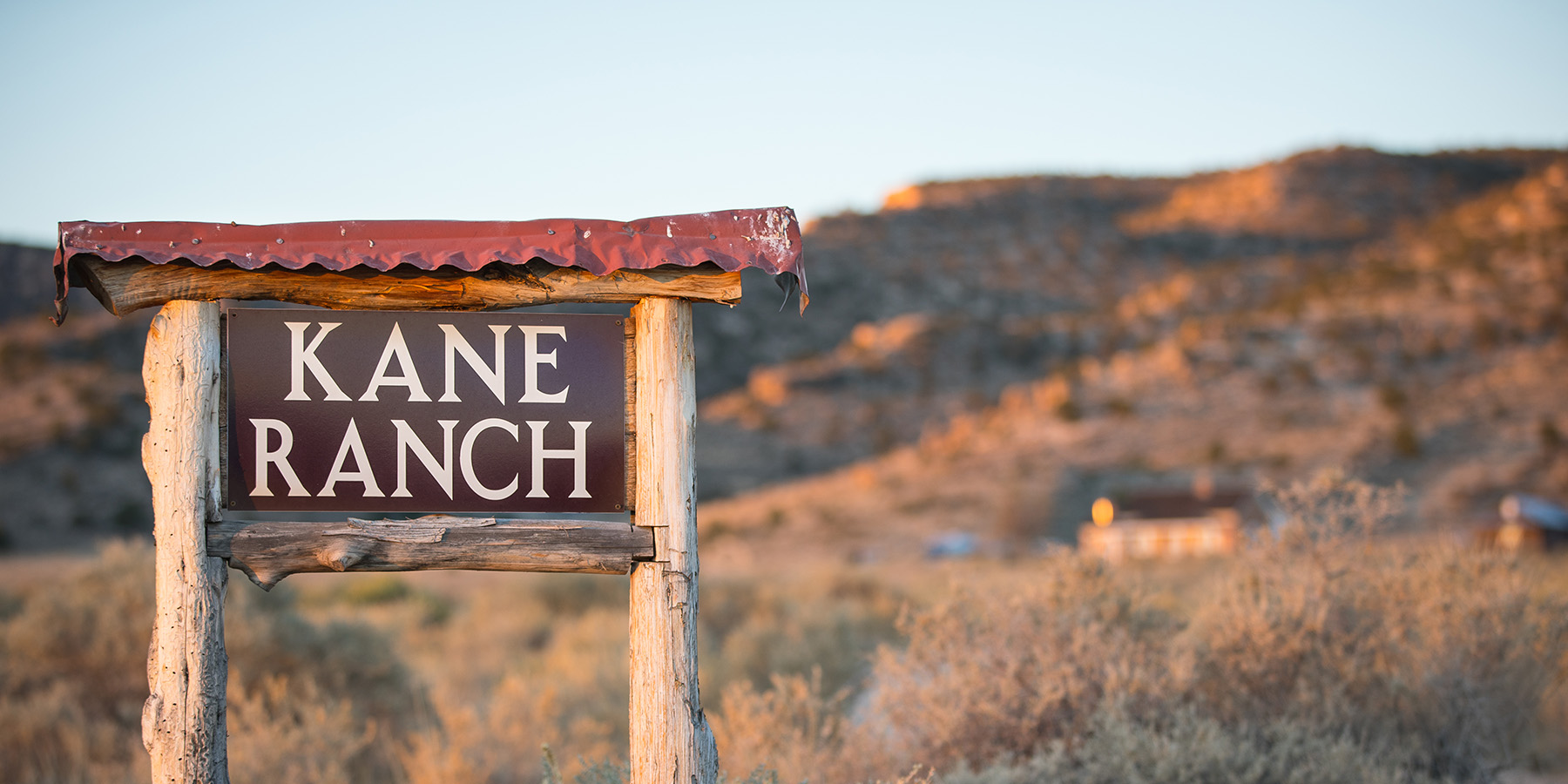
In one of the largest deals of its kind, Two Mile Ranch and neighboring Kane Ranch were sold last year to Grand Canyon Trust and the Conservation Fund, environmental groups trying to position themselves on the leading edge of the so-called green ranch movement.

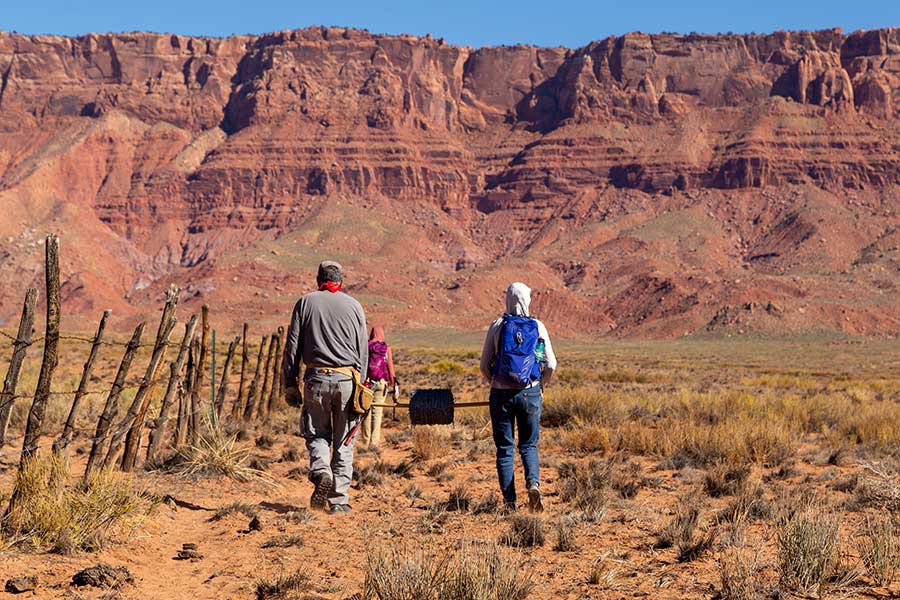
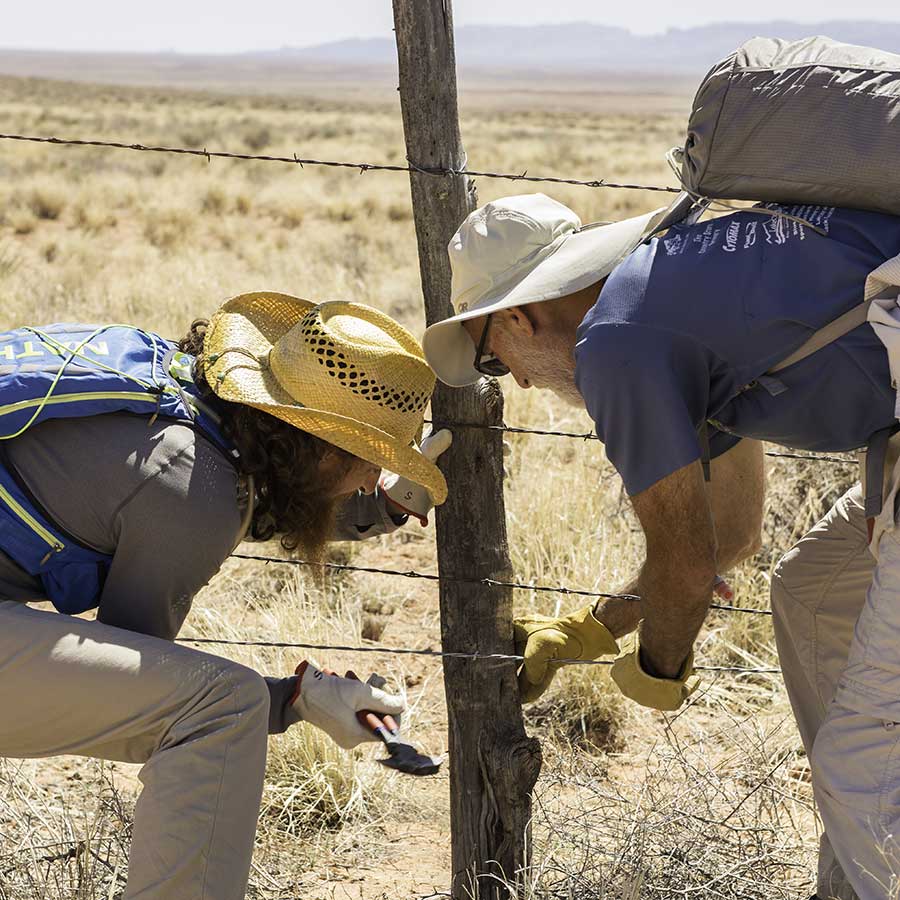
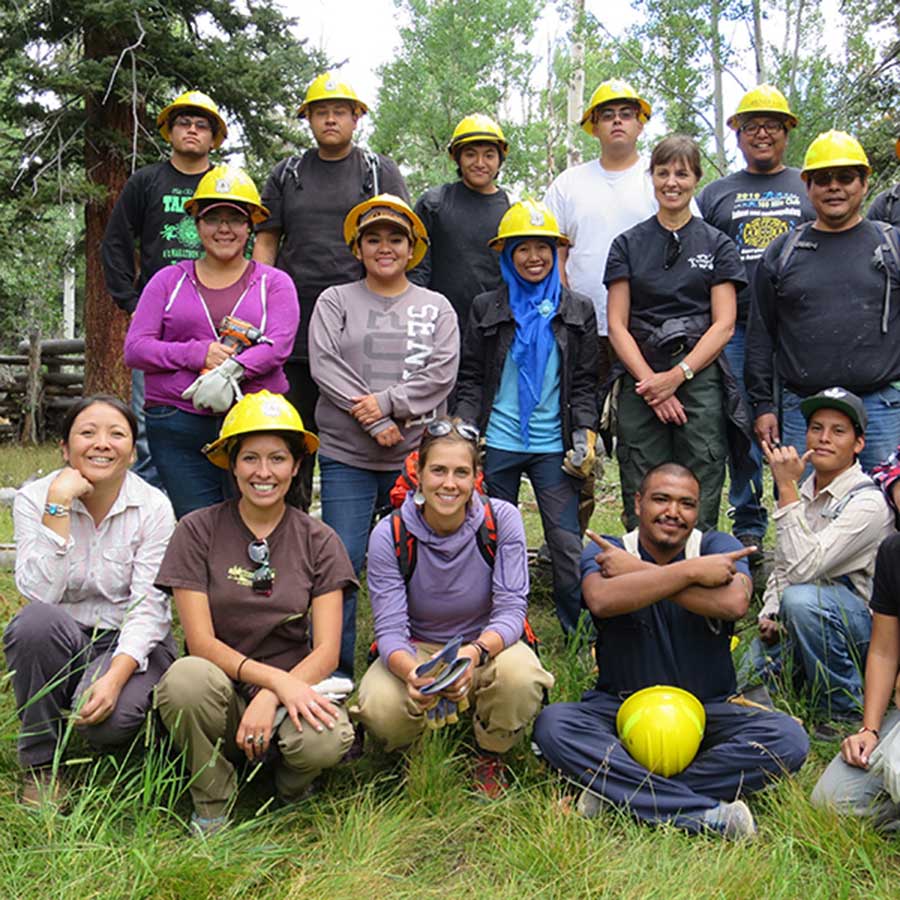
Guided by a detailed ecological study of the ranches and the accompanying grazing allotments, the groups want to restore depleted springs and forest areas and drive out invasive weeds and shrubs. They plan to unleash an army of volunteers to clean up the battered rangelands that sit along the Grand Canyon and include some of the West's most iconic landscapes.

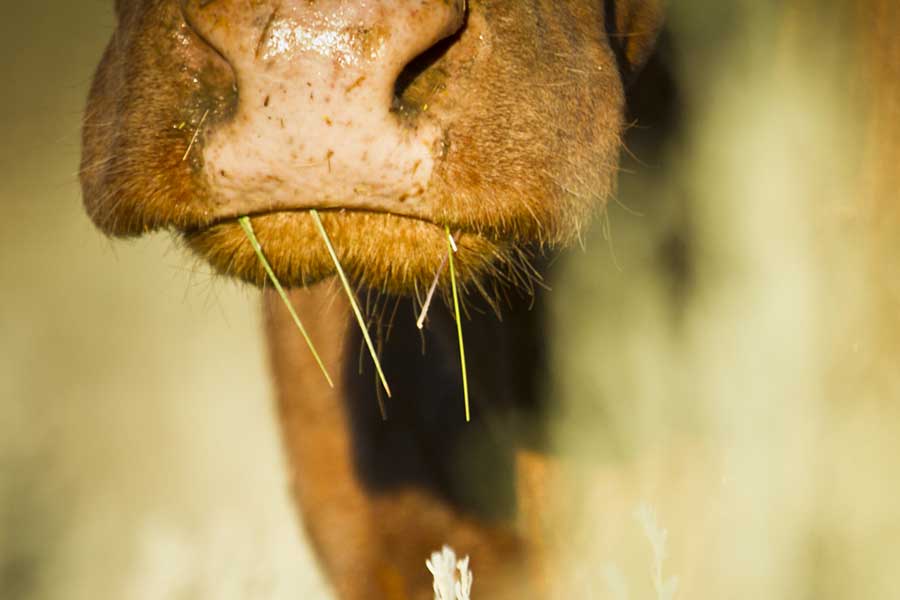
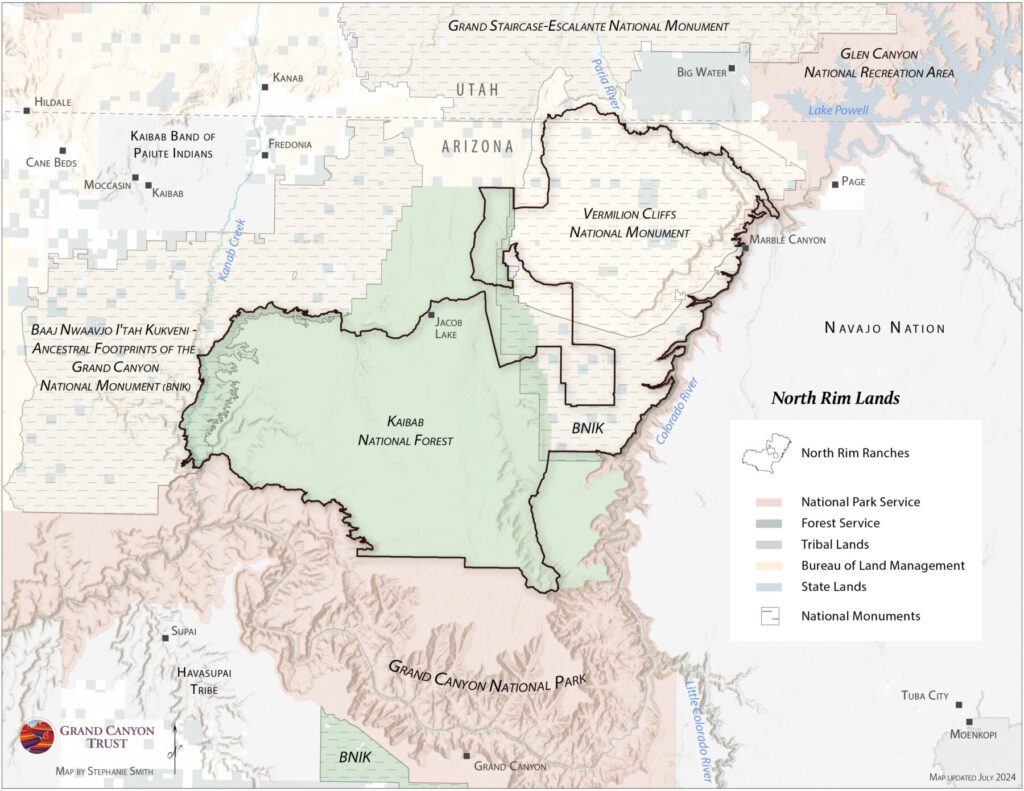
Amid those audacious plans, ranching will continue. As much as the groups might like to end ranching on their corner of the plateau, they can't. Federal laws don't allow a new owner to take over grazing permits and just not use them, which means the trust and the fund must buy cattle and run a ranch on nearly 850,000 acres of high Arizona desert.

They also must work within federal land-management rules. The groups own fewer than 1,100 acres; the rest is public land, open to recreation, to hunting and still subject to laws that were written to encourage multiple uses.

The groups, which have questioned the value of open-range grazing in the past, see the irony of their situation and often point it out themselves.

"We still think we're the best option out there," said Rick Moore, director of the Kane and Two Mile ranch program for the trust. "For a traditional permit-holder, the tendency might be to graze more cows. We can do the opposite. We're driven by ecological needs, not economic. We can put money back into the land because we're not trying to put kids through college."

Other environmental groups hope the experiment succeeds, if only because it could lend support to a so-far failed attempt to rewrite grazing laws. Some ranchers are wary of the interlopers and their unorthodox agenda, which is one reason Moore hired a bona fide Wyoming cowboy to run the whole operation.

His first chore: Get the cattle - as many as 900 head, a daunting number to buy all at once - and get them out on the range.

Ranching hard to leave

Moore is clearly eager to get started. He is a veteran of the environmental wars, but he drives like an old rancher across the washboard roads that slice through the remote pastures. He knows the area well enough to recognize when he takes a wrong turn.

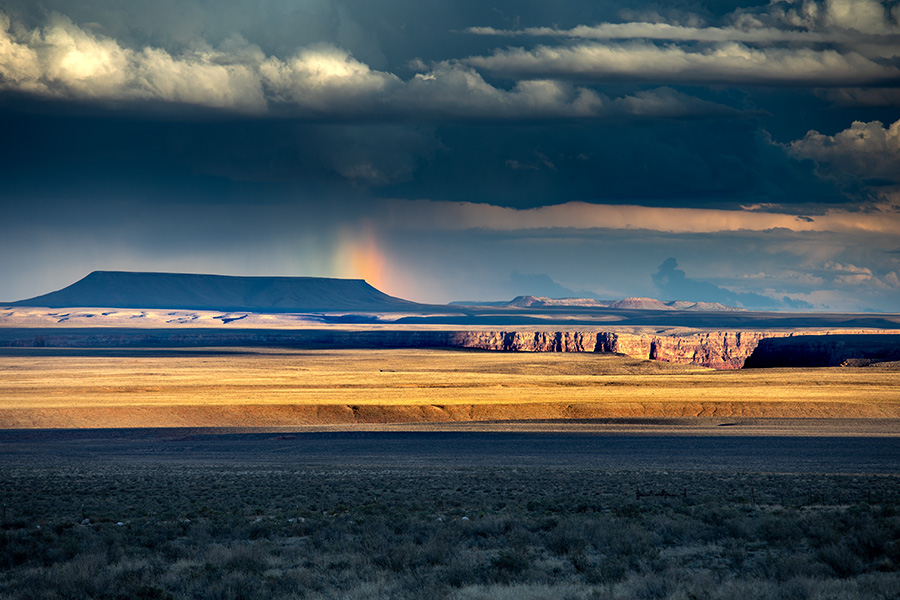
"This is a spectacular landscape," he said, a bit of hyperbole he backs up easily with a stop at a stunning sandstone formation. Much of the area is unfamiliar and inaccessible to anyone without a four-wheel drive vehicle or a grazing permit. The land that comprises the ranches and the grazing allotments includes a national monument, vast tracts of national forest but not the one thing that led the trust to this point: the Grand Canyon itself.

"The reality is, a deal like this is pretty rare," Moore said. " . . . I don't think it would have happened without the Grand Canyon."

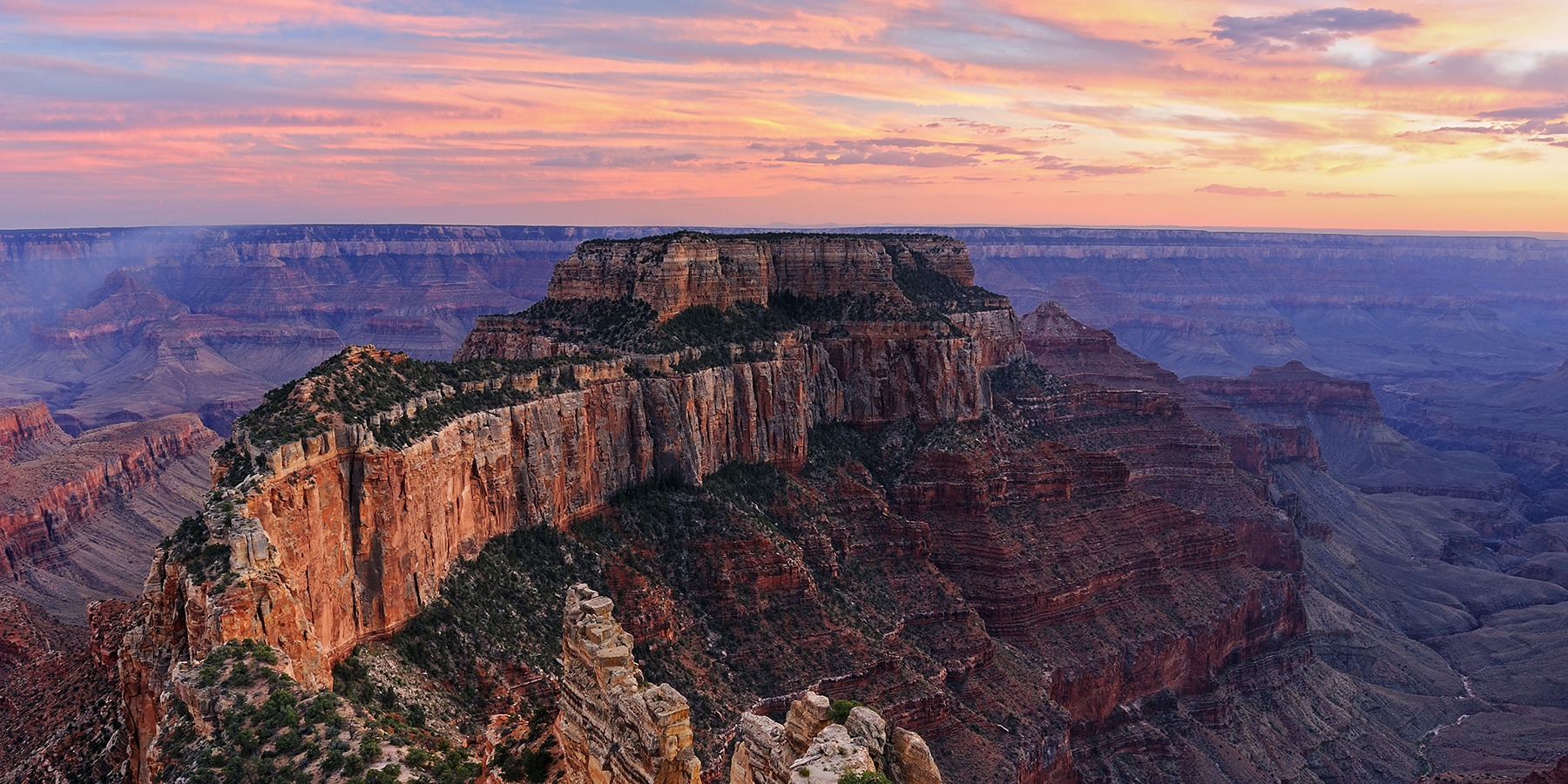
The Kane Ranch grazing allotment shares a 125-mile border with Grand Canyon National Park, and the rim of the natural wonder is visible from the range. That was enough to give the deal juice.

The trust and the Virginia-based Conservation Fund raised $4.5 million from sources as diverse as Wal-Mart and purchased the ranch from California conservationist David Gelbaum, who bought it years ago with similar plans to reduce stress on the land.

But it's not easy to get out of the ranching business once you get into it.

Western ranches have been immortalized for their scope, their wide, rugged reach, but the reality is, most deeded ranches are small. Together, the Kane and Two Miles ranches total fewer than 1,100 acres. It's the grazing allotments that are big, almost 850,000 acres worth on these two ranches alone.

Because so few ranchers can afford to buy the land needed to graze cattle, they lease public land from the federal government, paying $1.79 per cow and calf per month for the privilege. But once they hold a permit, they have to use it; if they don't, the government will give it to someone else.

Environmental groups and some ranchers have lobbied for legal changes that would allow a permit holder to retire land from grazing through a system of government-funded buy-outs, but those proposals have died quickly amid opposition from cattle growers. Some groups think the Kane and Two Mile project could boost support for buy-out programs.

"The trust is going to be able to show the impacts of grazing much better than the agencies ever have and better than the permittees have," said Daniel Patterson, an ecologist for the Tucson-based Center for Biological Diversity. "This could produce valuable data to show it would make sense to give some areas a rest."

Studying the land

Ethan Aumack, the restoration director for the trust, is a scientist who sees the Kane and Two Mile ranches as a giant laboratory. He has already helped to create 750 "data points" from which he and his co-workers will glean details about forest and range conditions that have never been available.

"The issue of public-lands grazing in the West can be contentious politically," he said. "We can use science as a common language. This is a tremendously valuable place."

The trust established a science advisory council from the start, seeking regular input from ecologists, soil scientists, biologists and others. With their guidance, Aumack launched the baseline assessment of the ranch properties, using a computer to plot the data points on a map and a team of researchers to visit every point and leave behind remote sensing equipment.

Part of their aim is to help direct grazing away from the most sensitive areas, which can be easily damaged; the other part of the work will be used in trying to restore damaged areas.

"We don't necessarily know if livestock grazing can happen in an ecologically viable manner in this area," Aumack said. "To a certain degree we want to let the data speak for itself."

This is not the sort of conversation most ranchers are accustomed to having, but John Heyneman, the man hired to run Kane and Two Mile, isn't like most ranchers. He brings the pedigree, growing up on a small cattle ranch in Montana, studying agriculture in college.

But he also earned a graduate degree in soil science and worked on agricultural projects in Brazil and Venezuela and says he also brings a bias about his work: "I think agriculture and ecological health can go hand in hand," he said.

At the same time, he can offer the conservation bosses a good reality check.

"This is a tough place to ranch," Heyneman said. "The irony is that for all the ecological stuff we're going to be doing, this is brutal country and we're going to be doing a lot of old-timey cowboy stuff, too."

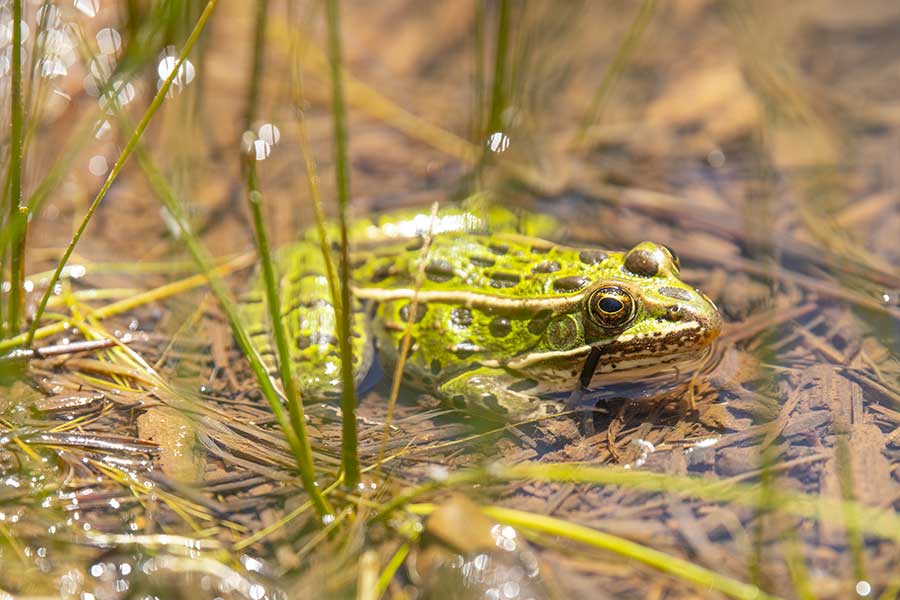
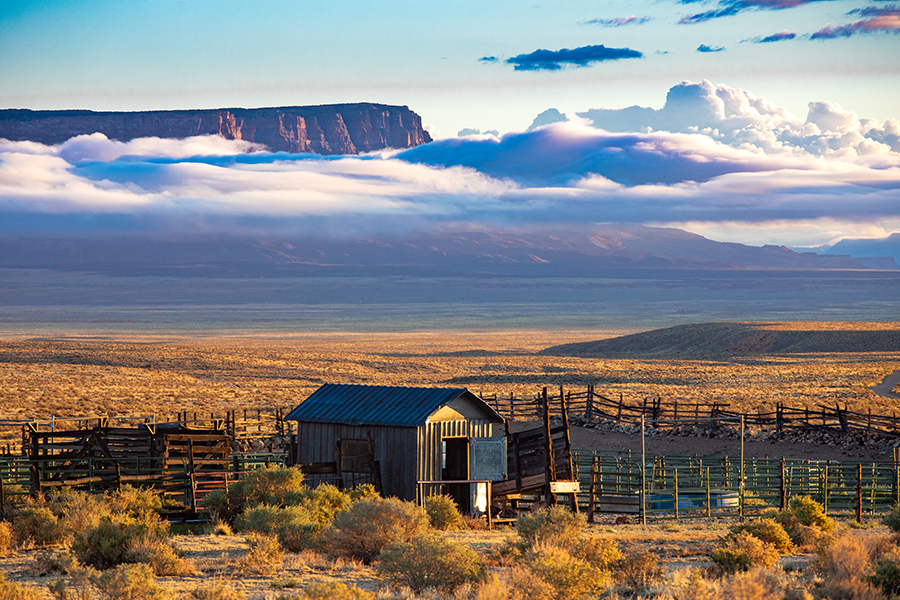
One of the biggest challenges Heyneman will face is the lack of water. The Kane and Two Mile grazing allotments sit atop plateaus with few convenient water sources. Much of the water has to be piped from wells or springs through a fragile network of more than 155 miles of pipelines. Dirt water tanks dot the range, but they rely mostly on rain.


Working within the rules

Heyneman must also deal with rules set by the U.S. Forest Service, which oversees much of the Kane allotment, and the Bureau of Land Management, which oversees most of the Two Mile allotment.

The federal agencies manage grazing allotments to benefit the permit holders, but Heyneman said they're easing some rules to protect resources in some areas and seem more willing to close small tracts to grazing.

The bureau is looking at use vs. preservation as it develops a management plan for the 294,000-acre Vermillion Cliffs National Monument. That monument, created by President Clinton in 2000, sits almost entirely within the Two Mile allotment, which creates one of the toughest conflicts for the trust and the fund.

The monument harbors an array of visual treats, including its namesake cliffs and a rusty orange and white sandstone formation that opens onto a breathtaking view into southern Utah. The sandstone appears less carved than it does scooped, like softened ice cream stirred with a giant wooden spoon.

It's a favorite of monument visitors and of grazing cattle, which are attracted by the natural basins of water. Ranch director Moore said the area is a perfect example of how the bureau could balance uses by closing it to grazing instead of trying to avoid conflicts between cows and people.

"Multiple use doesn't have to mean you use every acre for everything," he said.

The bureau's rules allow some flexibility and could let the trust leave some of its allotment unused at least temporarily. The Forest Service adheres to more structured guidelines.

"We have a good allotment management plan," said Stu Lovejoy, stewardship staff officer for the Kaibab National Forest. "It allows for everything from forage and wildlife to recreation and resource considerations."


'A special area'

Both agencies work with conservation groups on smaller projects in the West, including others initiated by the trust and the fund. The Nature Conservancy manages Dugout Ranch near Moab, Utah, which includes about 5,200 acres of private land and 255,000 acres in grazing allotments.

"It's an important approach," said Peter Warren, a field specialist for the conservancy.

Warren said conservationists have found they have more in common with ranchers than they thought. Studies have found that some of the best surviving grassland areas in the Southwest are on traditional ranches, where land owners and managers have a strong interest in keeping their resource productive.

"One of the biggest threats to grasslands is losing ranches, having the land sold off and subdivided and developed," he said.

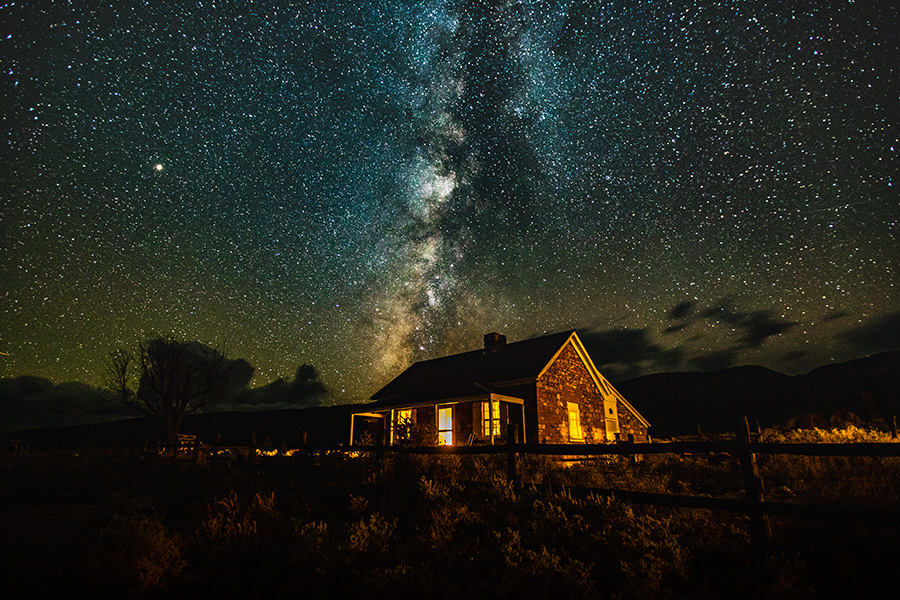
Among the private parcels on the Kane Ranch is the old rock ranch house, a still-sturdy structure that sits within view of Marble Canyon's rim. That's a geographical fact not lost on the trust, which has long feared development near the Grand Canyon. The group plans to make the house the project's headquarters, a place potential donors can visit.

Running the ranches won't come cheap; the cattle alone will run nearly $1 million to start and the beef market is notoriously volatile.


"We've got to start somewhere," said Moore as he drew water from a spring-fed faucet to brew a sunrise pot of coffee. "It's a special area, and it deserves our attention."

Email this article Click to send
Print this article Choose File Print or Ctrl P or Apple P
Most popular pages Today | This Week