This is a popup dialog that overlays the main content of the page. The popup includes a search form to help you find the information you are seeking. Pressing the close button or using the escape key will close the popup.
Our work
Native America
Supporting tribal lifeways and Indigenous knowledge across the Colorado Plateau
Indigenous peoples have been living, farming, trading, and traveling throughout these desert landscapes since time immemorial.
Today, the Colorado Plateau is home to at least 15 Native American nations and tribes. Tribes maintain their own distinct cultures, languages, spiritual practices, and relationships to the lands, waters, animals, and plants.
Tim Peterson
We support the rights of Native peoples
Partnerships with tribal communities and nations serve as the cornerstone of the Grand Canyon Trust’s conservation work on the Colorado Plateau. It’s part of our mission.
We must incorporate the values, priorities, and leadership of Indigenous peoples. We have much to learn from the original caretakers of the region.
“You can’t do conservation work on the Colorado Plateau — where a third of the lands are controlled by tribes and where tribal nations have interests in all of this region — without involving tribes.”
Jim Enote
Board Chair, Grand Canyon Trust
Our work in Native America
We stand behind Native communities in their efforts to build equitable and sustainable economies, protect sacred landscapes, elevate Native voices, and reclaim authority to manage their ancestral lands.
Native communities are breaking free of capitalist systems and creating their own economies that honor Indigenous knowledge, reflect community values, and restore the land.
Development proposals, uranium mining, groundwater pumping, and more threaten tribes’ sacred ancestral landscapes, but Native communities are pushing back.
The Grand Canyon Trust is proud to partner with Change Labs to help entrepreneurs realize their dreams and build strong, resilient, and culturally respectful economies across Native America.
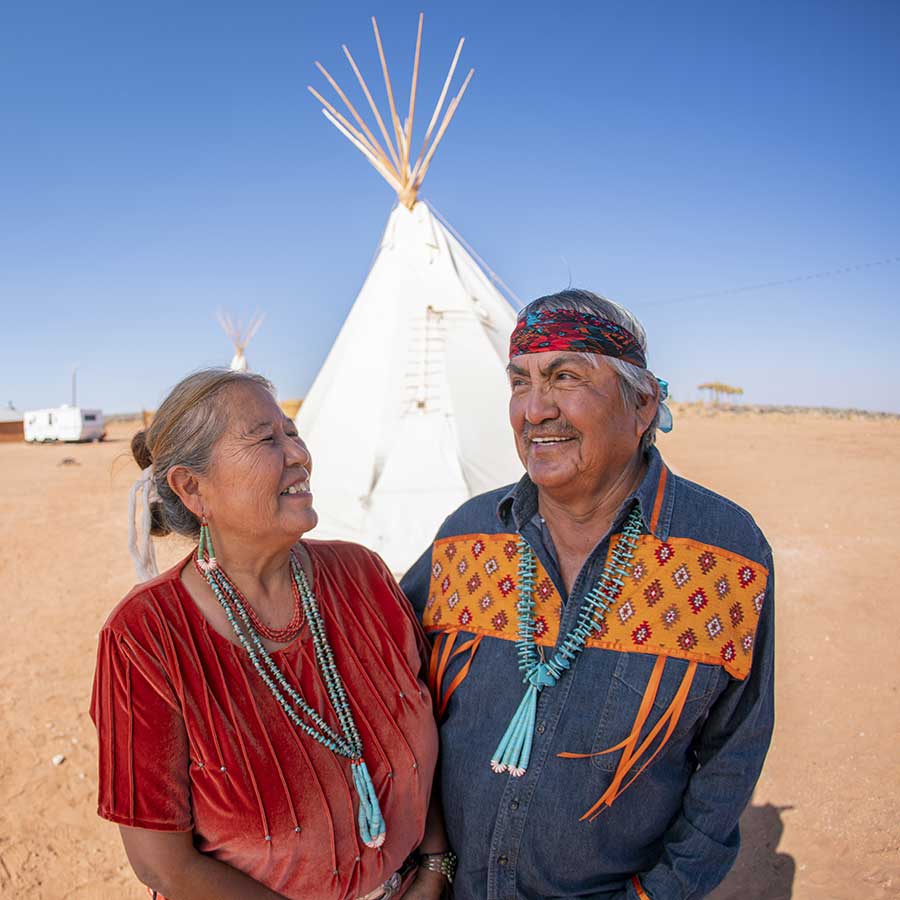
Meet the bed-and-breakfast owners, fashion designers, and chefs revitalizing Native economies.
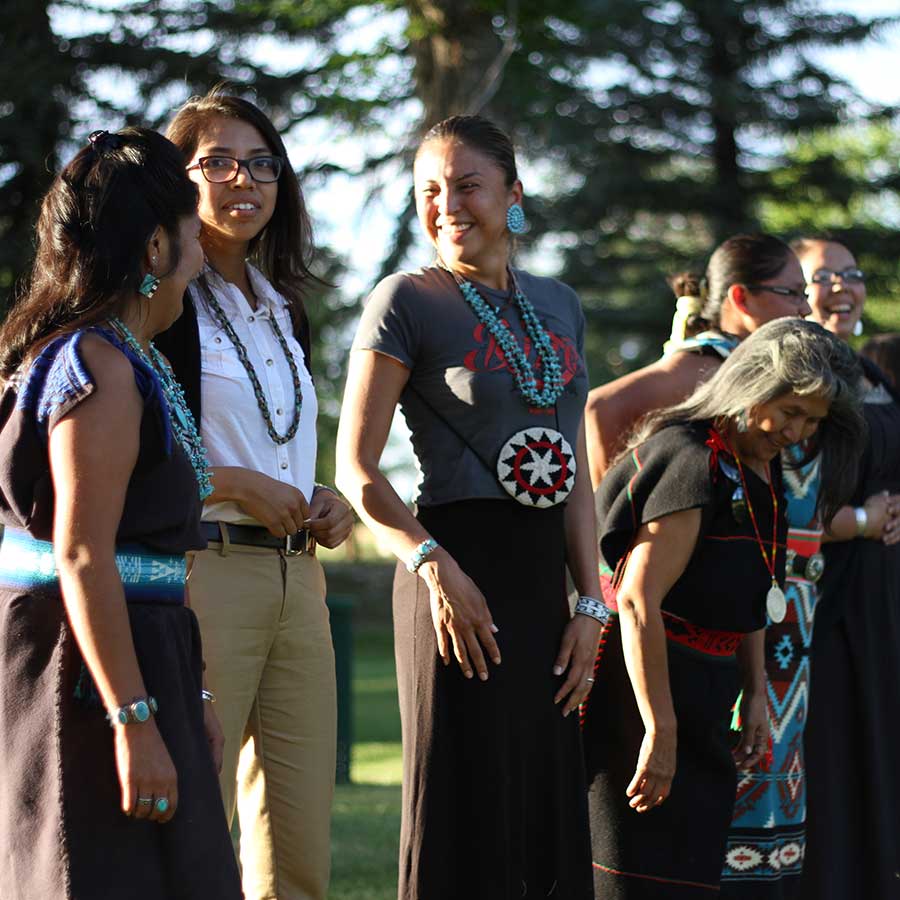
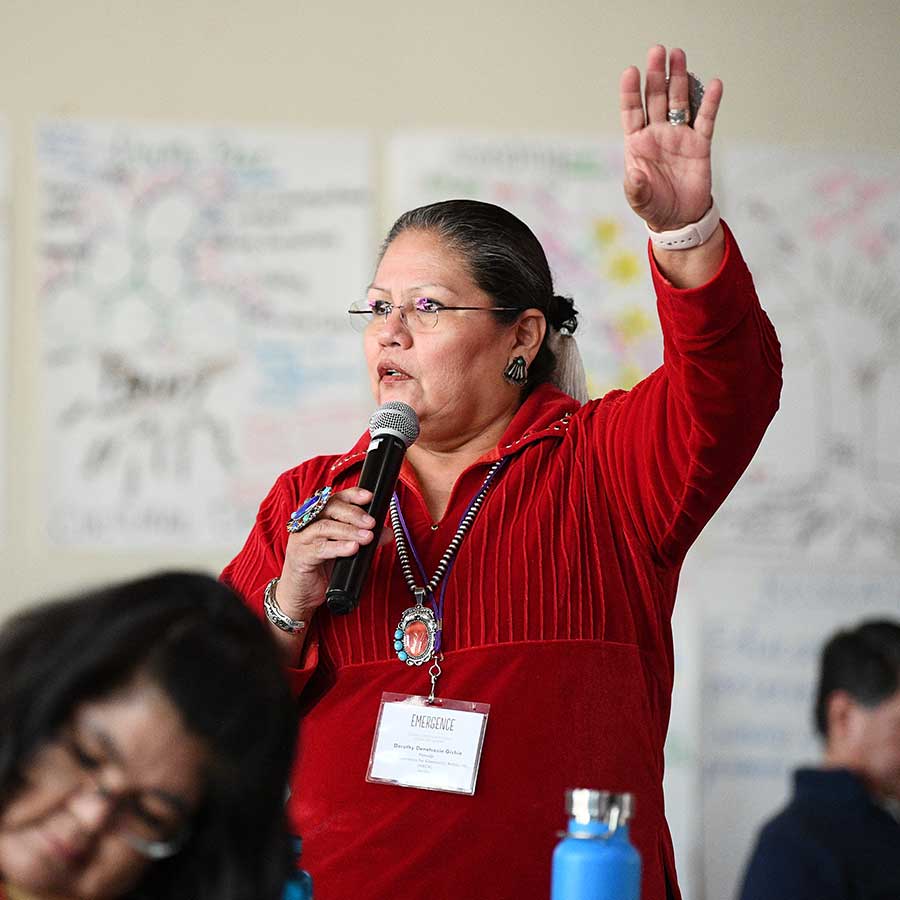
Since 2009, we’ve facilitated the Colorado Plateau Intertribal Gatherings, which bring tribal members from across the region together to share knowledge and traditions and work together to protect the Colorado Plateau.
The relationships we’ve built through decades of hosting intertribal gatherings are the bedrock of our work in Native America.
We listen to communities’ needs and work under their direction to support community-led projects, including economic summits, spiritual walks, river trips, and more.
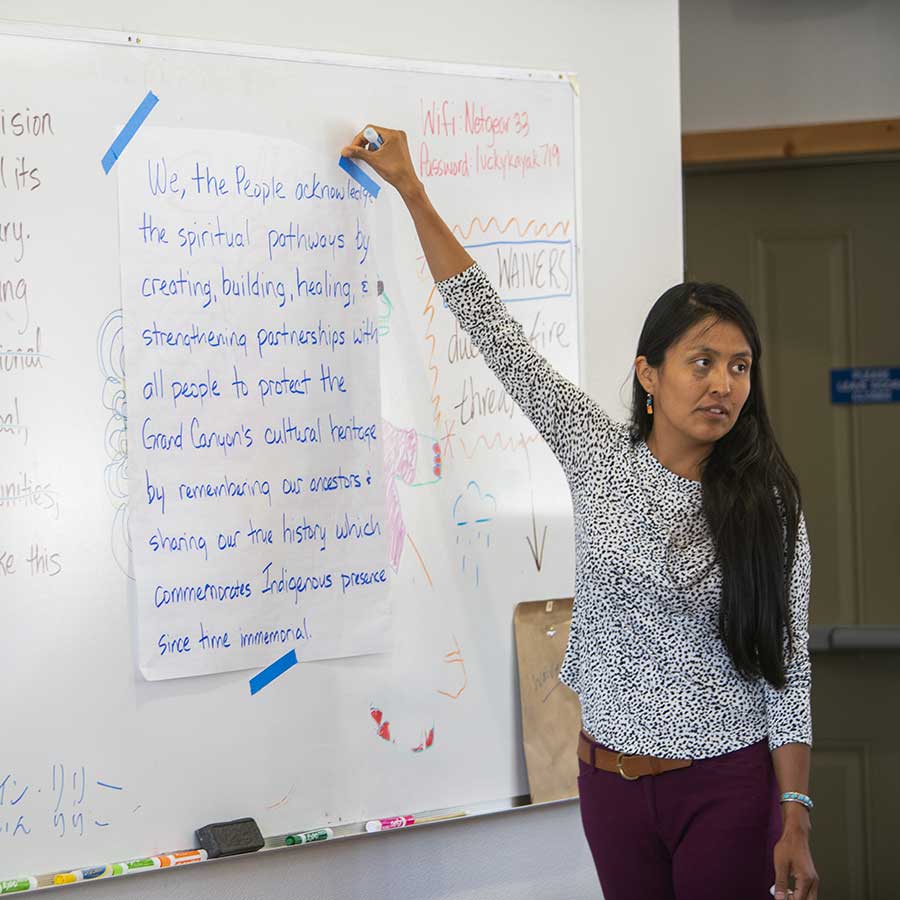
Cultural leaders from Grand Canyon tribes are working to place Native voices at the forefront of education, stewardship, and economic opportunities at Grand Canyon National Park.
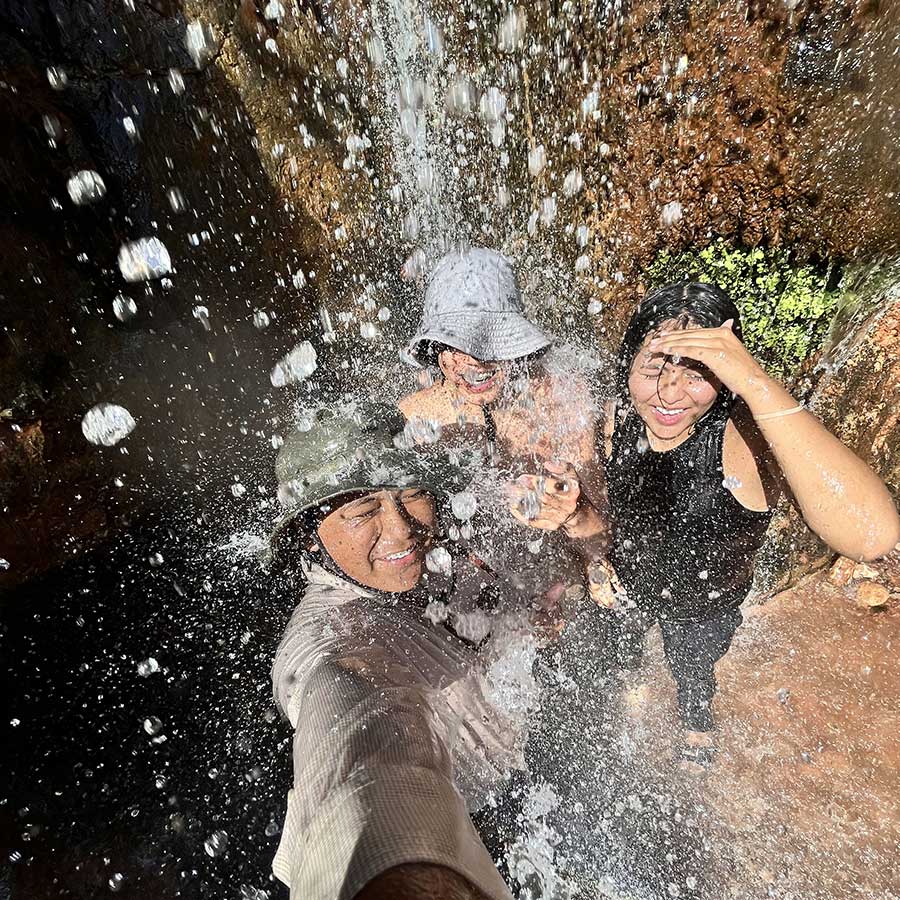
Each year, young Indigenous leaders and older knowledge holders raft the Colorado River through the Grand Canyon to share knowledge and cultural teachings with each other.
Native entrepreneurs, artists, National Park Service employees, and others are laying the foundation for a more equitable Grand Canyon economy that centers Native cultural values.
Blake McCord
We respect tribal sovereignty
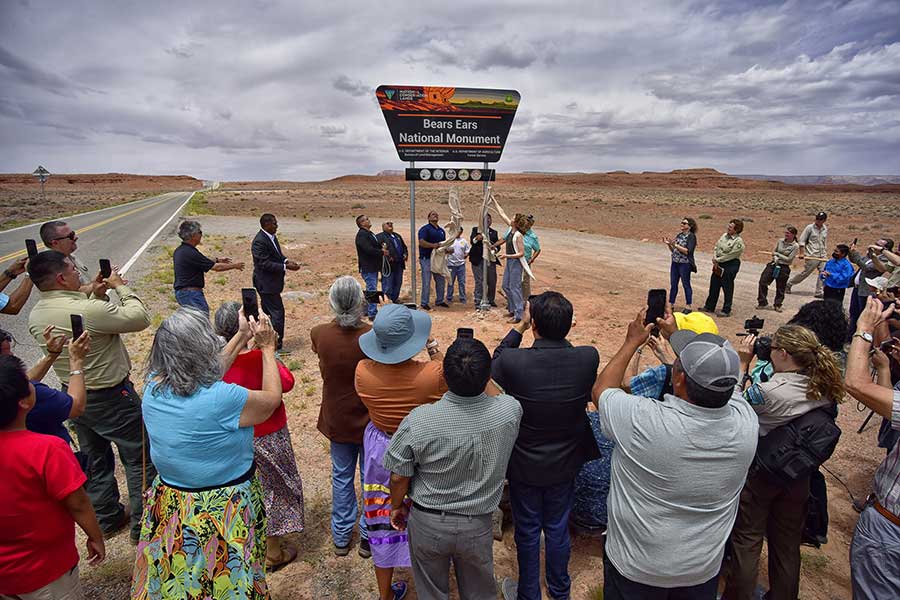
From national monument campaigns to historic collaborative stewardship agreements with federal agencies, tribes are leading conservation efforts across the Colorado Plateau. We are here to support, when asked, and help find resources.
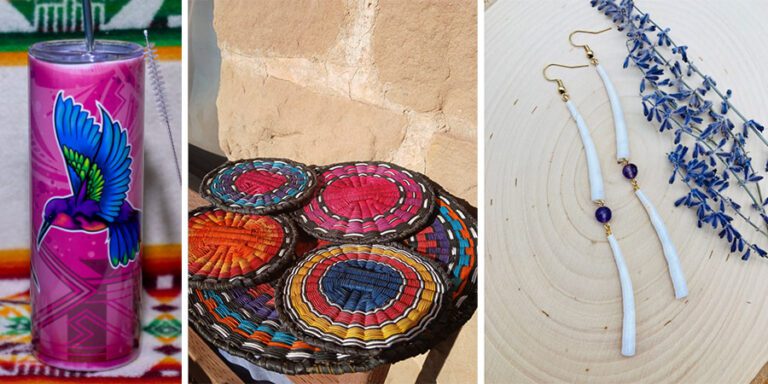
Looking to shop local this holiday season? You can help support Native-owned small businesses by buying your holiday gifts from one these Native artists.
An alarming new rule would undermine tribal sovereignty, allowing developers to get permits for hydropower projects on tribal lands over a tribe’s objection.
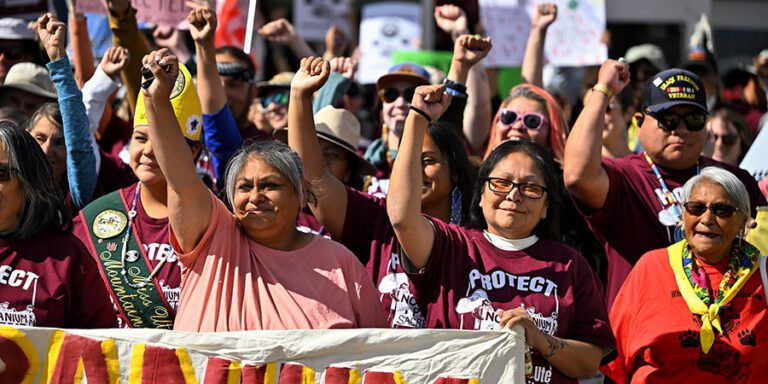
Tribal members from across the Southwest convened in White Mesa, Utah to support Ute tribal members’ protest walk against the Energy Fuels uranium mill.