This is a popup dialog that overlays the main content of the page. The popup includes a search form to help you find the information you are seeking. Pressing the close button or using the escape key will close the popup.
Blake McCord
Our Work Forests
Improving the health of our national forests in Utah and Arizona
We work to protect our forests for plants, animals, and people alike.
We go to our national forests to hike, camp, fish, and cut firewood. But they are more than recreation grounds and stores of resources. Forests provide homes for wild creatures, keep our air clean, and filter our water.
From pinyon and juniper scrubland, to ponderosa forests, to high-elevation aspen and fir, our forests are vital to the Colorado Plateau.
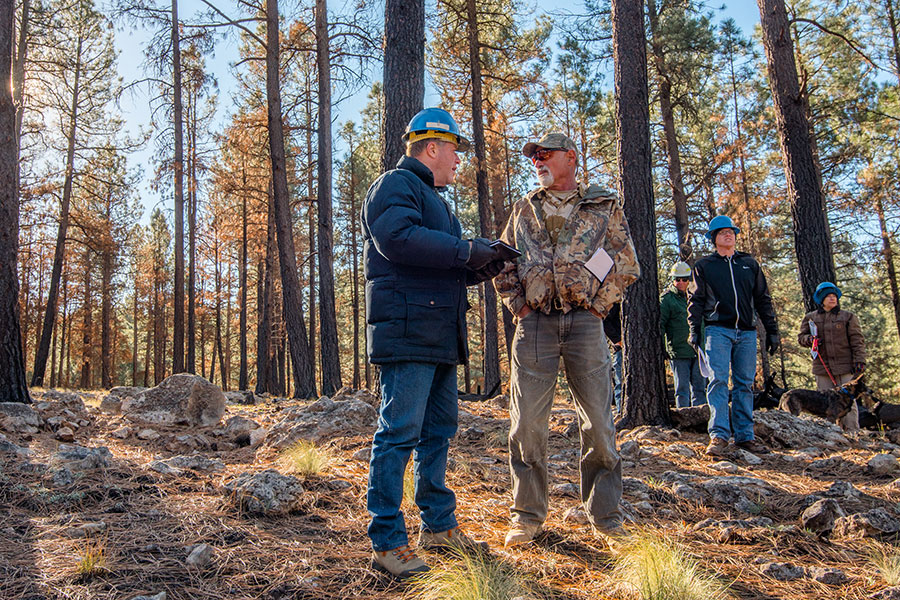
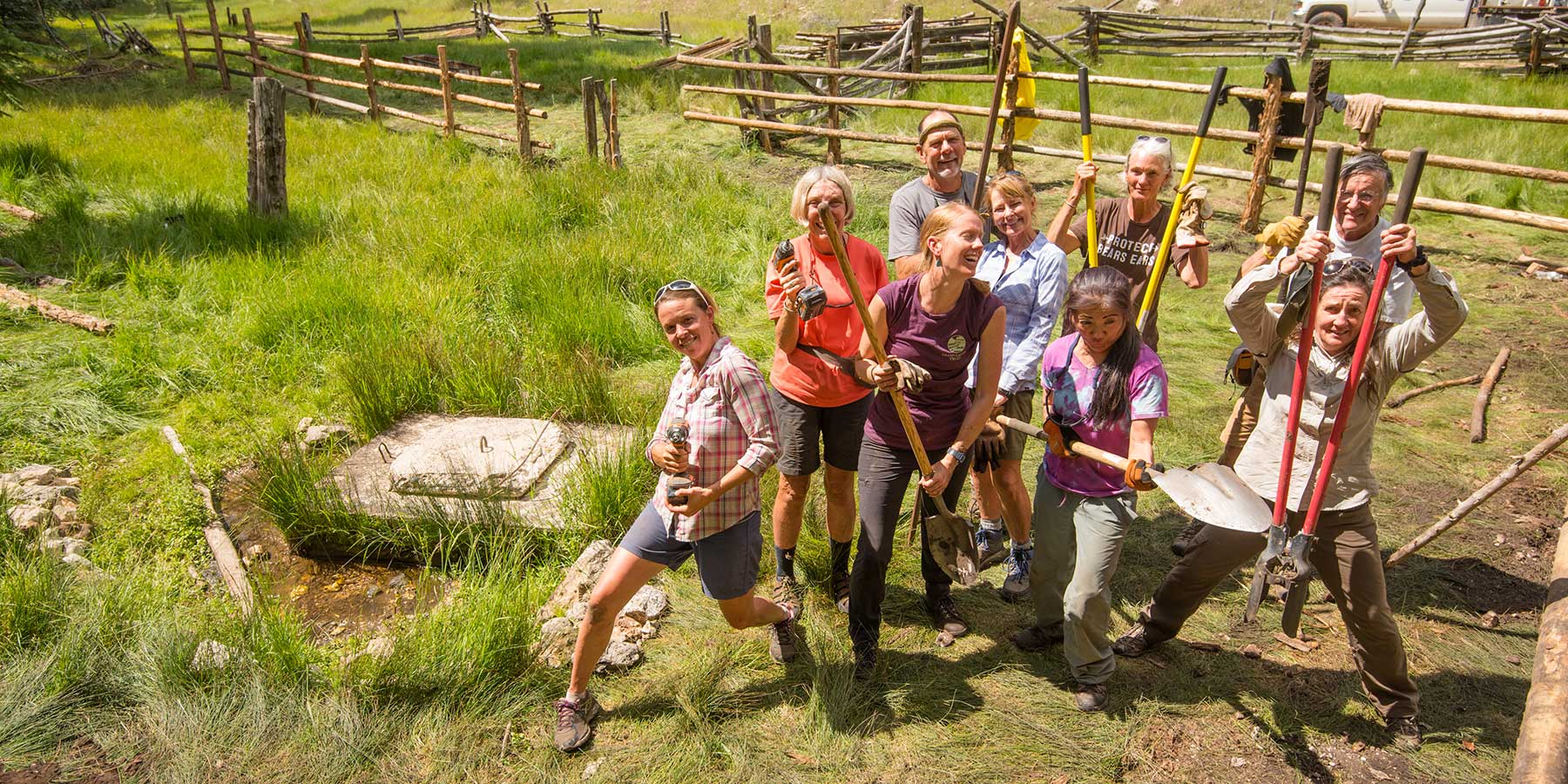
We are helping restore the world’s largest contiguous ponderosa pine forest in northern Arizona. The long-term project involves thinning of small trees, prescribed burns, and restoring springs and streams on 2.4 million acres across four national forests.
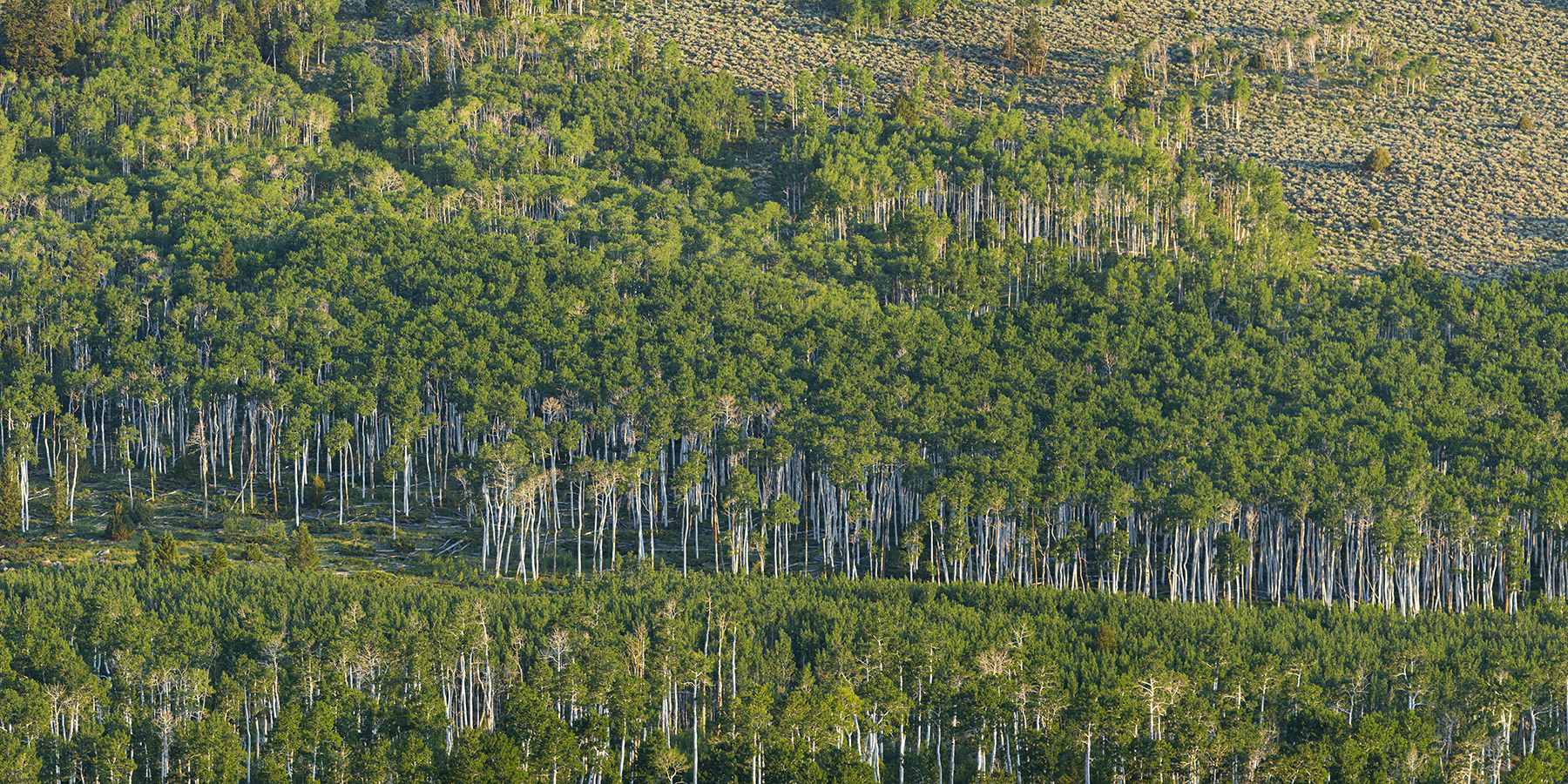
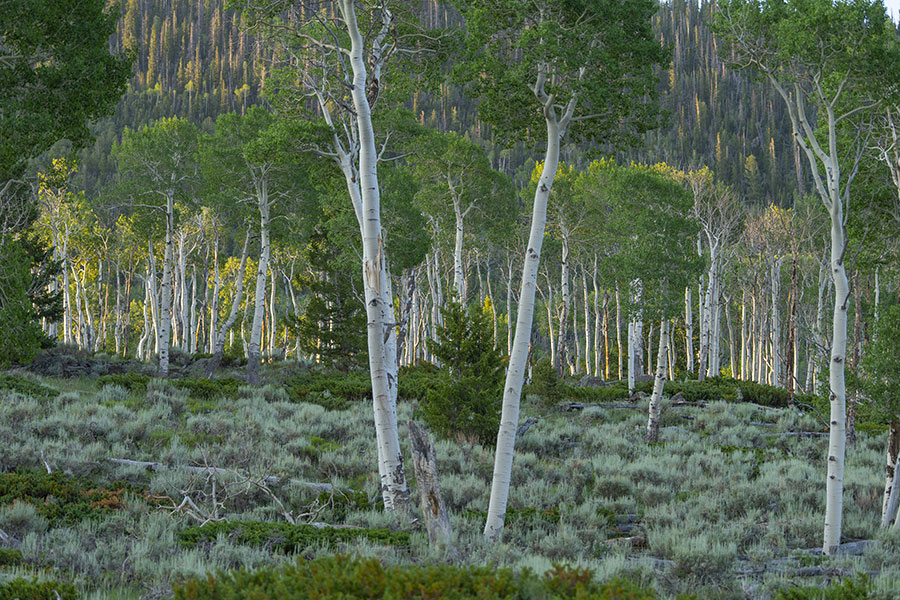
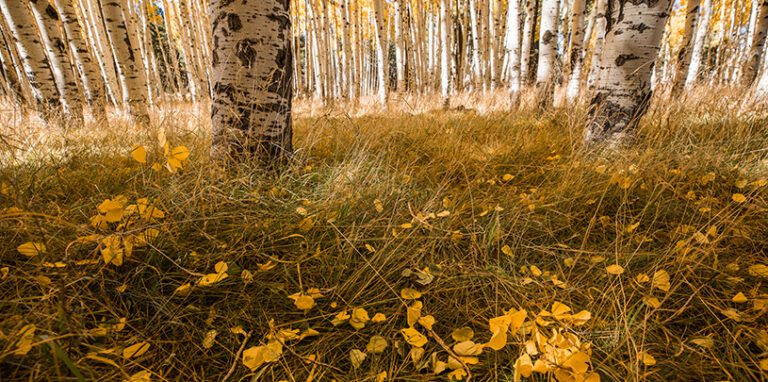
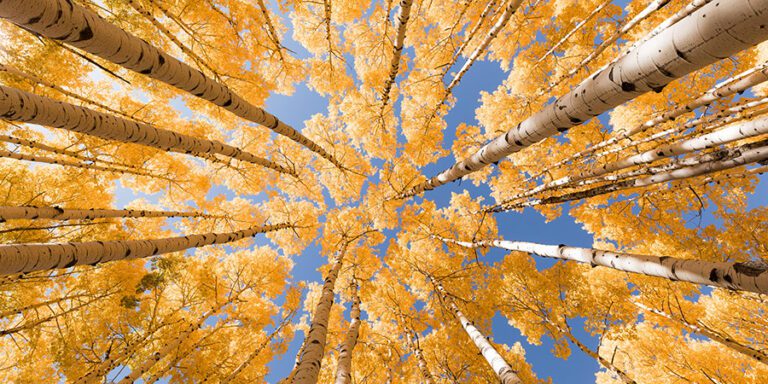
Aspen stands are shady respites in the summer and confetti storms of gold leaves in the fall, but they are losing ground in Utah’s high country. We’re working with the Forest Service, ranchers, and other groups to make sure aspen have a chance to take root.
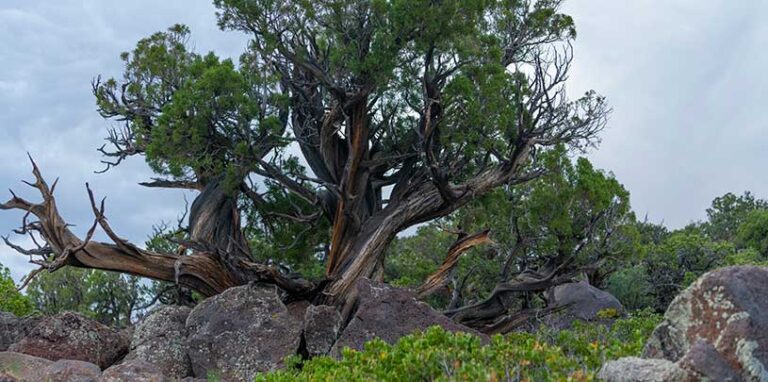
When agencies propose clear-cutting projects, we work to protect old-growth pinyon and juniper trees. We also collect data on pinyon jays to inform sound management of forests in Grand Staircase-Escalante National Monument and beyond.
Blake McCord
Healthy forests = healthy waters
Forests play a key role in capturing, filtering, and supplying clean water for plant, animal, and human communities. We’re restoring springs and streams to help make our forests more resilient.
It’s easy to take our forests for granted. But the reality is that unnaturally severe wildfires, drought, and overuse pose serious threats to the ponderosa and aspen forests we love.
Climate change
Scientists agree. The Southwest is heating up. For forests, this means increased drought, pest outbreaks, the spread of invasive species, and more severe wildfires.
Overgrazing
The vast majority of our forests are open to grazing. Livestock leave big impacts on the land, including trampled native plants and increased spread of invasive species.
Wildfire
Wildfires not only threaten homes and infrastructure, but also send loads of ash and debris into our waterways, killing aquatic life and impacting water quality.
Recreation
We flock to our forests to hike, camp, fish, hunt, and ride off-road vehicles. But increased use is stressing the natural resources and creating problems for land managers.
Blake McCord
7 reasons for forest restoration
Why should you care about protecting our forests? For starters, it could save millions of taxpayer dollars.
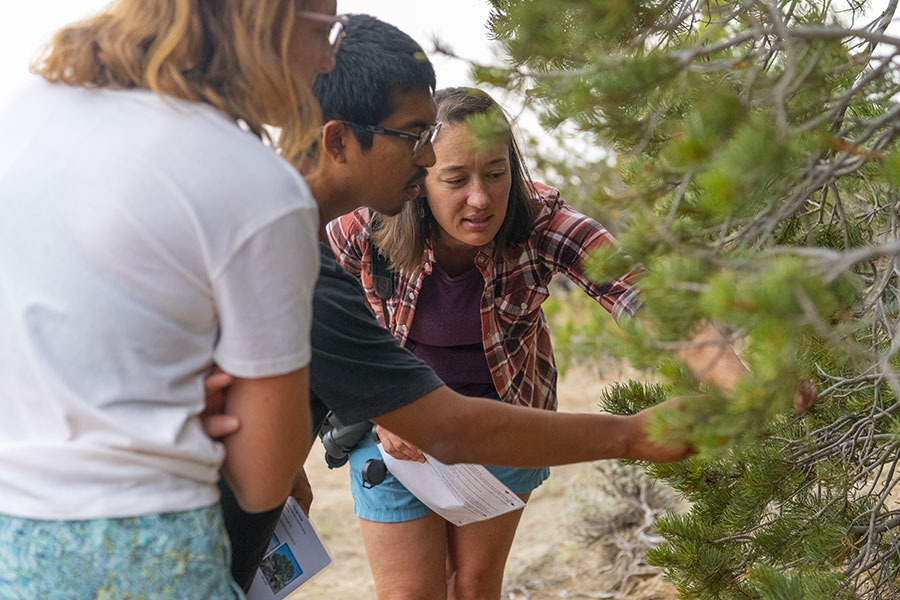
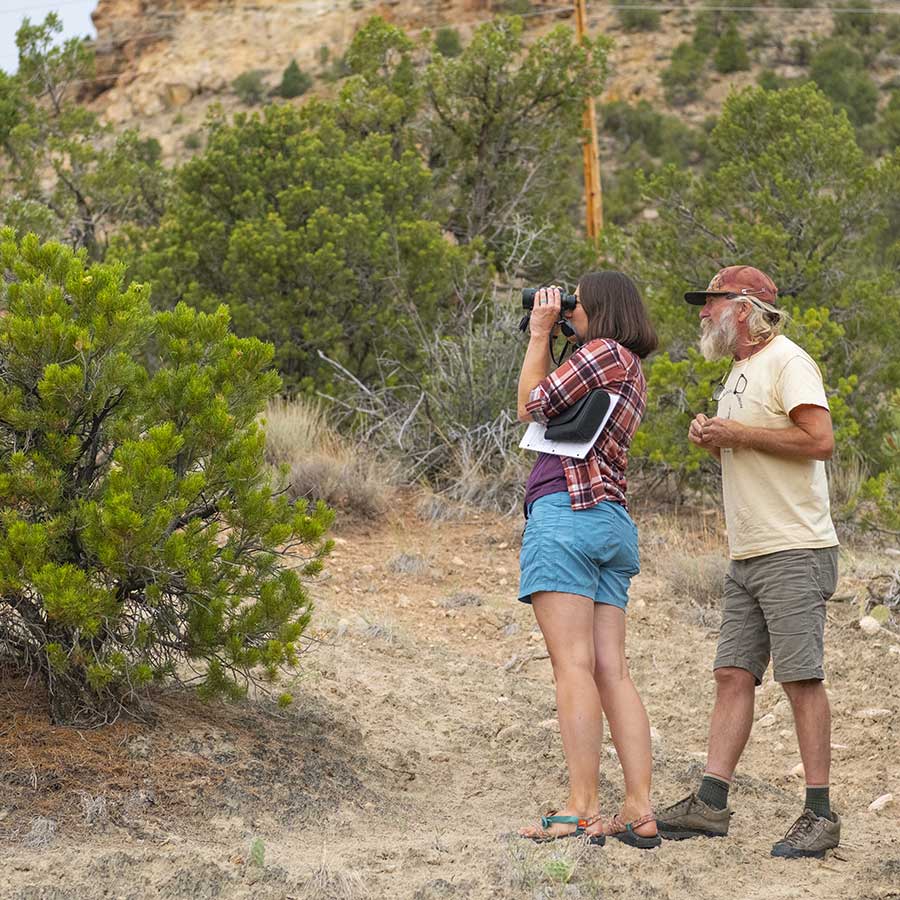
Grab your binoculars and help us spot pinyon jays. We need volunteers to help gather information about pinyon jays. Knowing where the birds are helps us advocate against clear-cutting of the forests they depend on.