
Volunteer
Join us in the field as a volunteer.
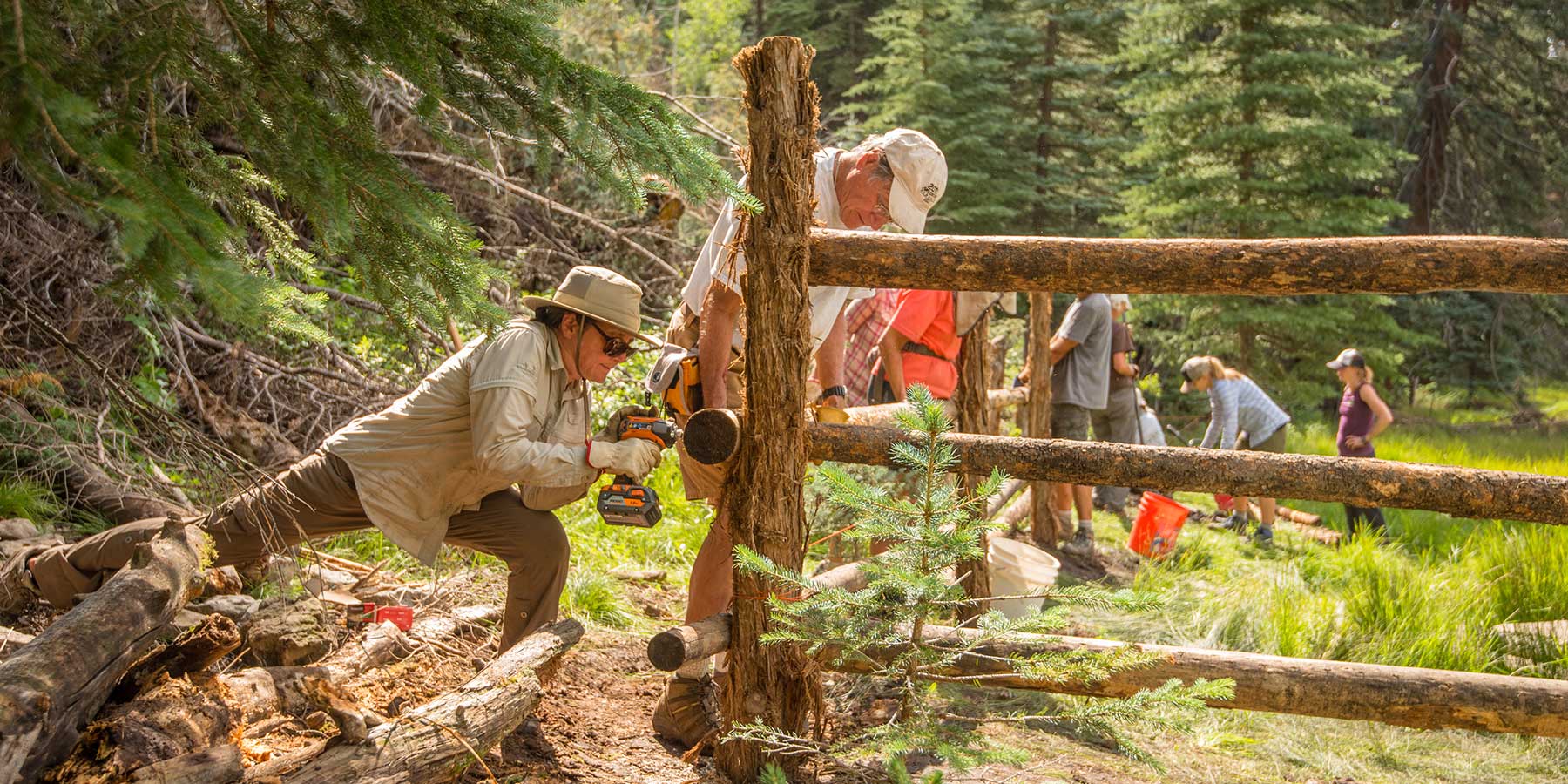
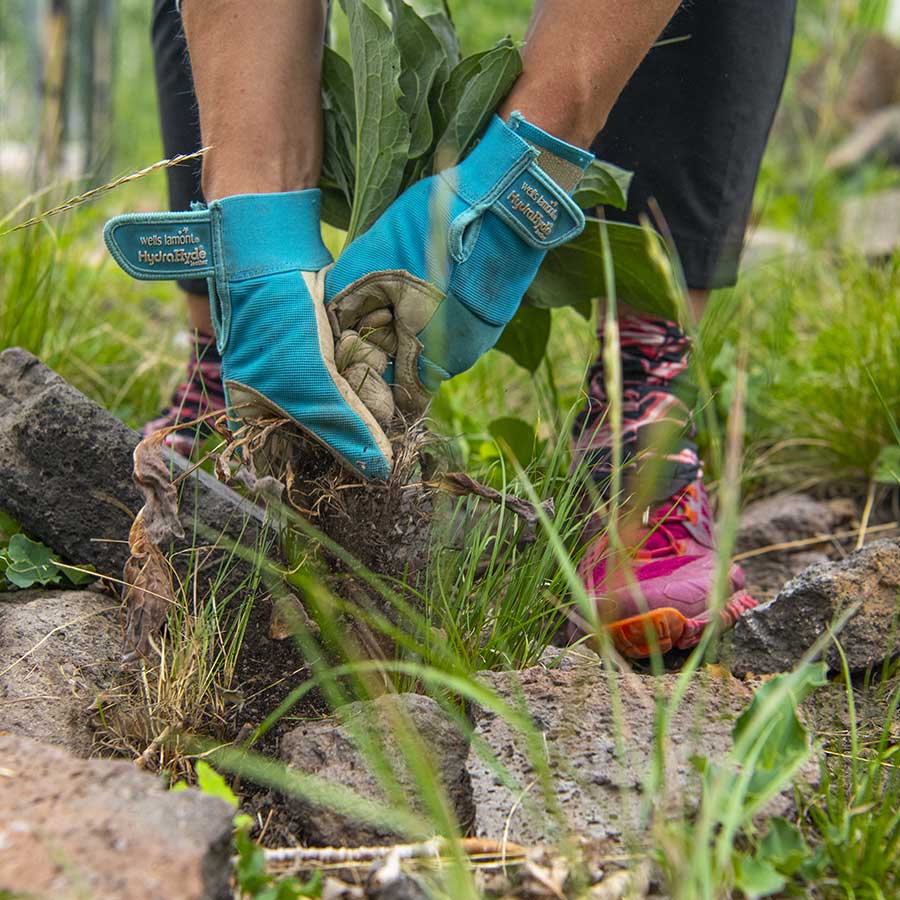
We’ve got weeds to pull, springs to restore, and fences to repair.
Roll up your sleeves in the name of conservation
Volunteers are at the heart of what we aim to do — protect and restore the Colorado Plateau.
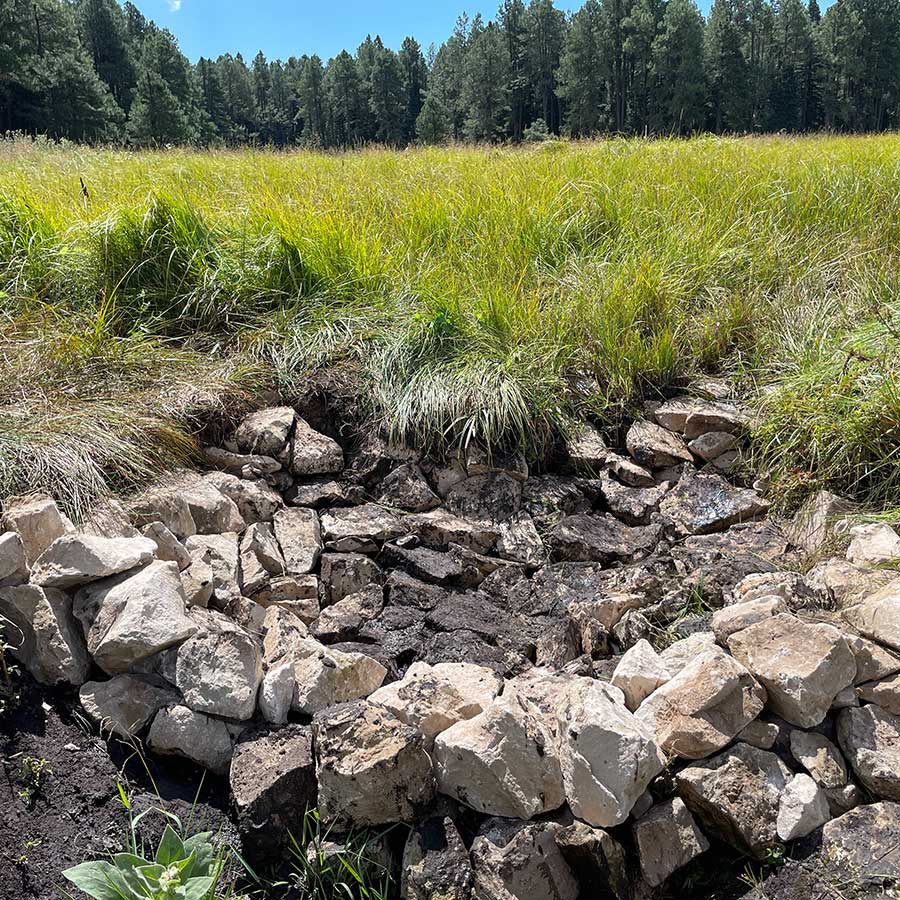
Each year, hundreds of volunteers help us survey springs, plant native grasses, and document grazing impacts. Sometimes we pull weeds, other times we collect data, but thanks to our volunteers, we always bring passion and laughter to the task at hand.
We offer a variety of trips and volunteer opportunities to fit your lifestyle, interests, and skills. Trips usually run from April — October and are between one and five days long.
Help care for our forests, wetlands, and canyons
Whether you’re an artist, academic, entrepreneur, or unemployed, we want you to volunteer!
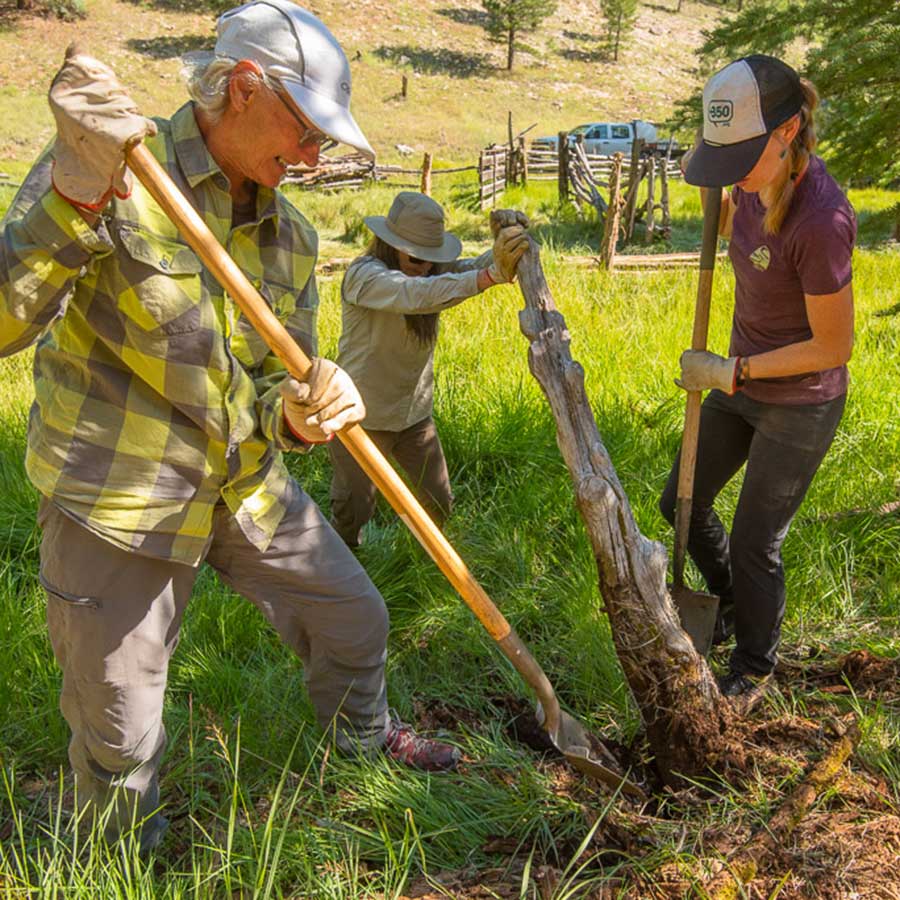
Join passionate and caring folks from all over the country who are eager to dig postholes, discuss native plants of the region, and enjoy belly laughs during dinner.
Volunteer in-person
Join Trust staff for a day, weekend, or week — whatever works best for you — and give back to the places you love. Learn about our projects.
Volunteer on your own
Can't join us on a volunteer trip? Contribute to one of our independent science projects when it fits into your schedule.
How to sign-up
- Browse our trip list, and choose one you’d like to join.
- Select “SIGN UP,” and follow the prompts.
- Check your email for further instructions.
- Send in your volunteer application form.
- Become a member of the Grand Canyon Trust.
- A Trust trip leader will confirm your spot.
Questions? Email volunteernow@grandcanyontrust.org.
Sign up for volunteer updates
Perks of being a volunteer
We know you volunteer out of love for the Colorado Plateau, but what’s in for you? Your time is precious, so when you set aside a day or week to volunteer with the Grand Canyon Trust, we make it worth your while.
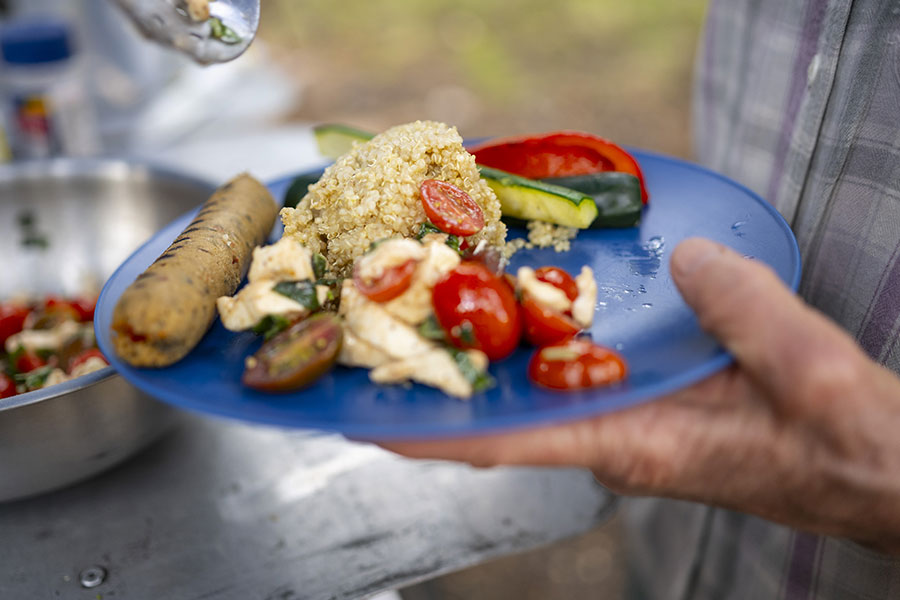
You eat yummy food
Our trip leaders are excellent cooks who have the skills to take care of you and keep you safe.
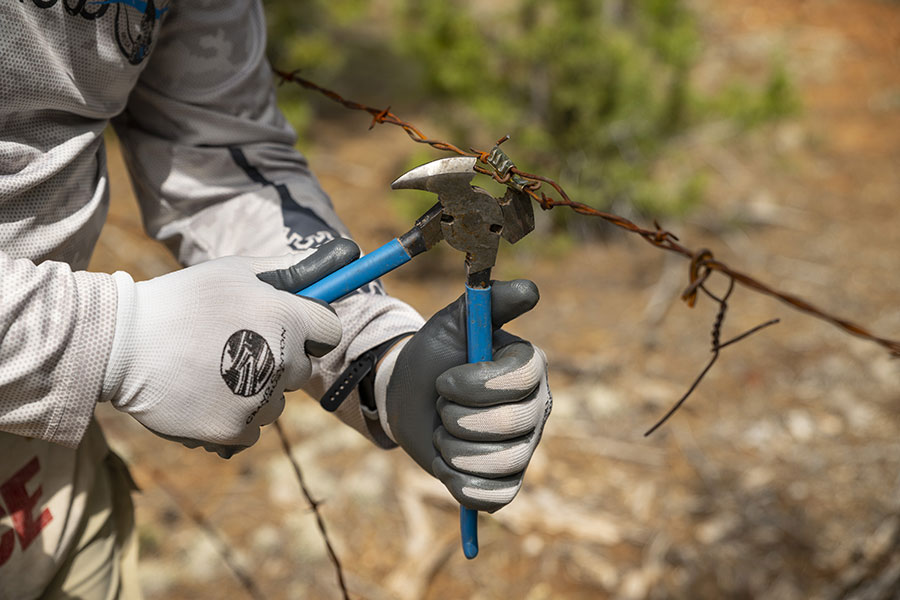
You learn new skills
From using power tools to identifying plants, you can learn hone your skills.
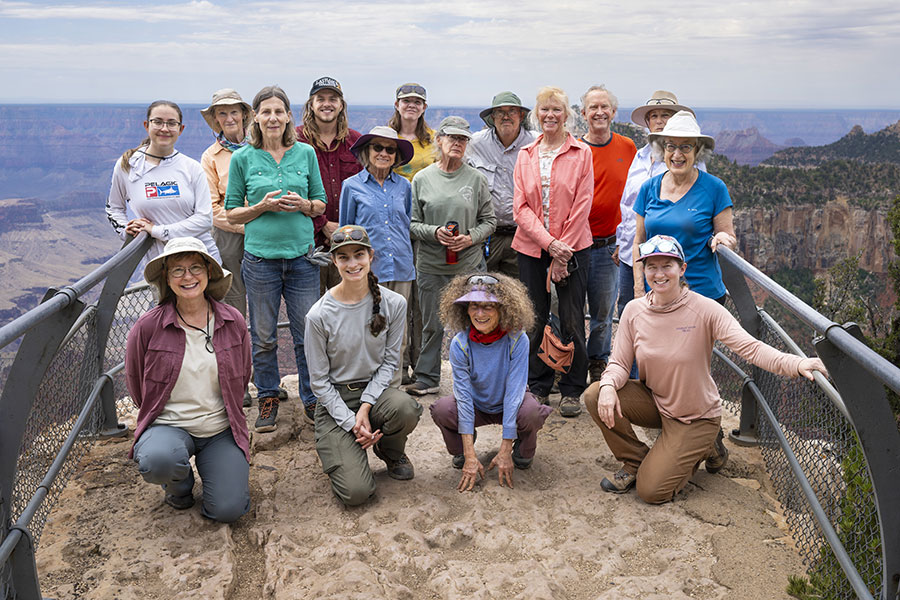
You camp in beautiful places
Our trips range from the Grand Canyon, to lush meadows, and everywhere in between.
Our philosophy of volunteerism
We believe volunteering with the Grand Canyon Trust should benefit you as much as it does our organization.
In return for bringing your passions and skills to our projects, we strive to provide high-quality experiences, skills training, and opportunities to deepen your connection to the lands and peoples of the Colorado Plateau. We foster a culture of camaraderie and continuously evaluate our program to build a community in which everyone feels valued, supported, and empowered to advocate for the Colorado Plateau.
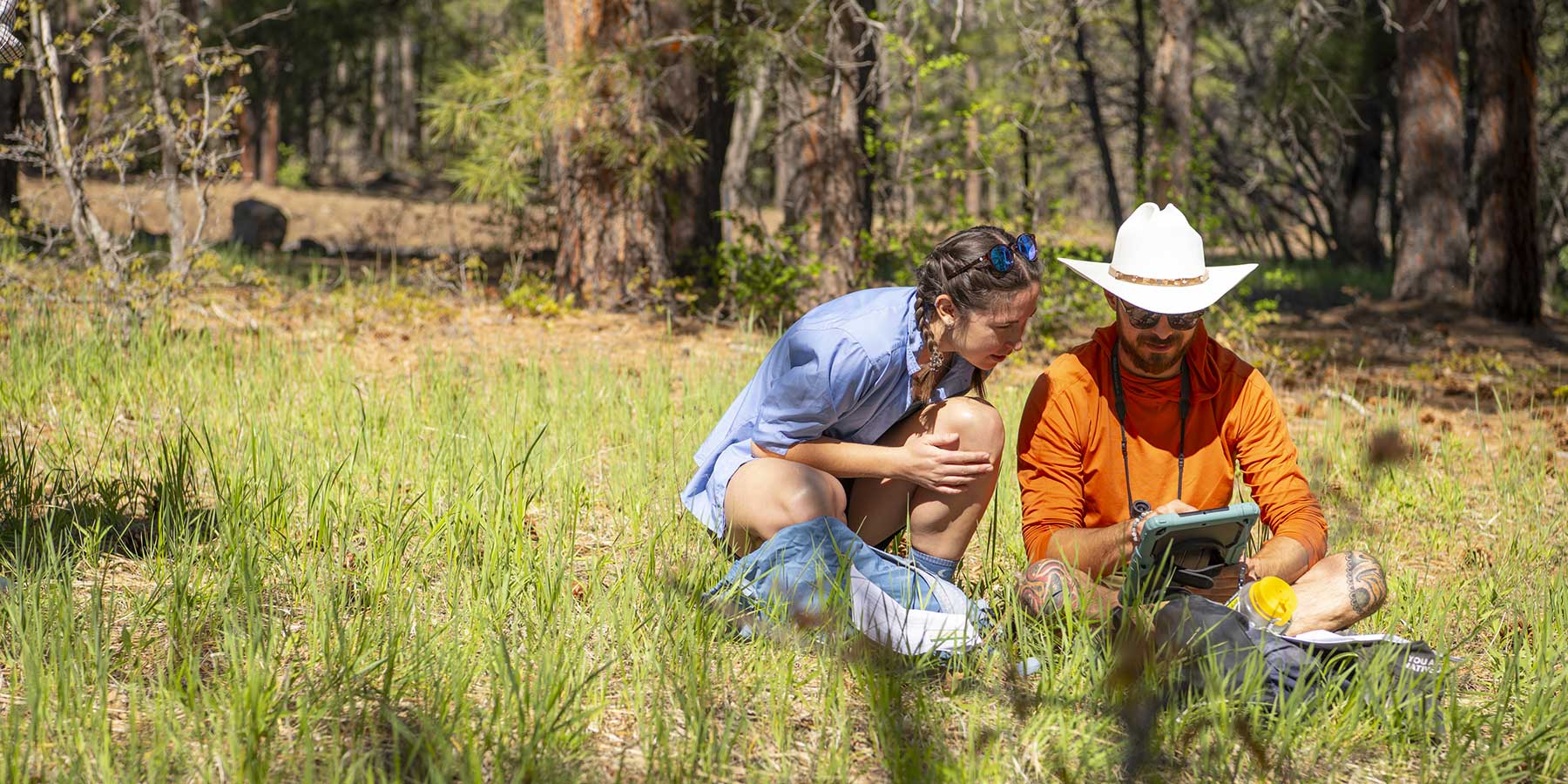
Questions? Contact us.
Curious about the menu on volunteer trips, or the gear you’ll need?
Read through our FAQs or get in touch
- Read through our trip packing list
- Understand the trip difficulty ratings (see FAQs)
Public health considerations on volunteer trips
Our top priority is the safety and comfort of our trip participants. Precautionary measures that will be followed on trips to avoid the spread of communicable diseases will be communicated in pre-trip emails. If we feel that a trip cannot be safely conducted due to public health conditions, or for any other reason, we will cancel the trip with as much notice as possible. Volunteers or participants may reach out to volunteernow@grandcanyontrust.org with any questions.
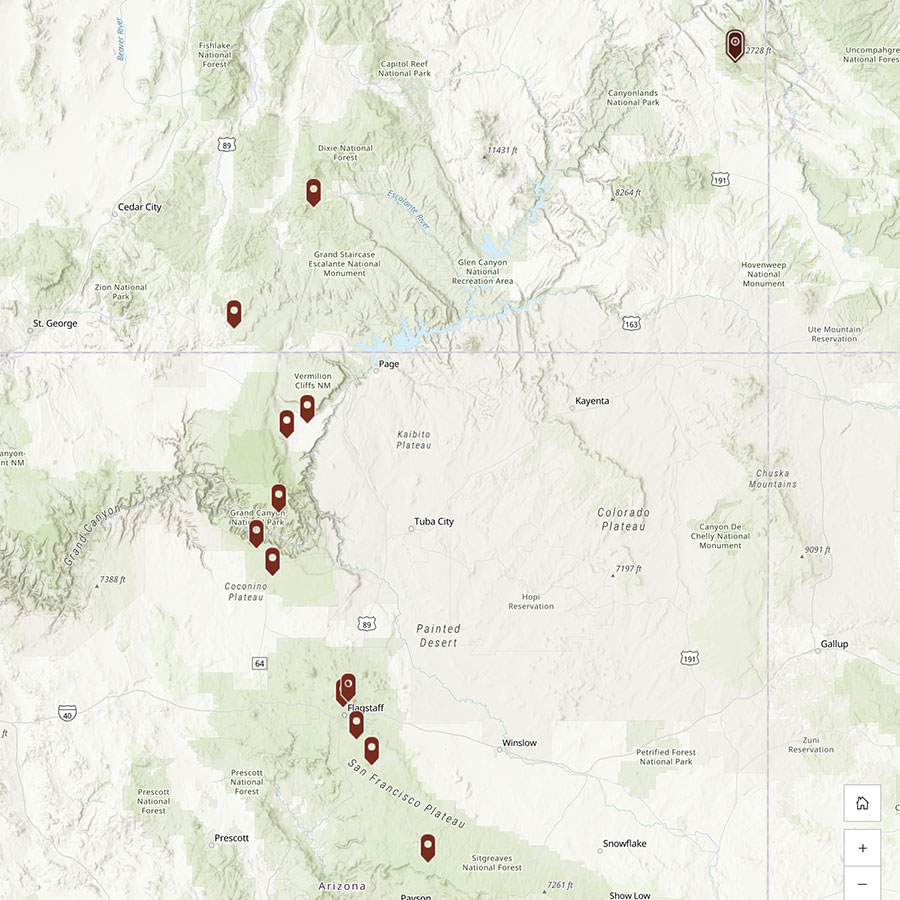
Interactive map
2025 Volunteer Season Highlights
Sign up
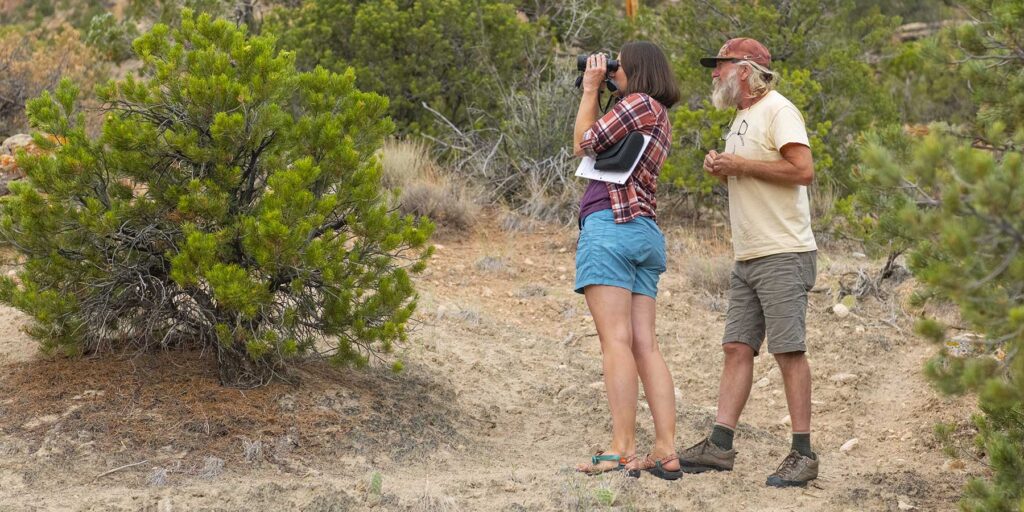
Help Us Spot Pinyon Jays
Volunteer Project
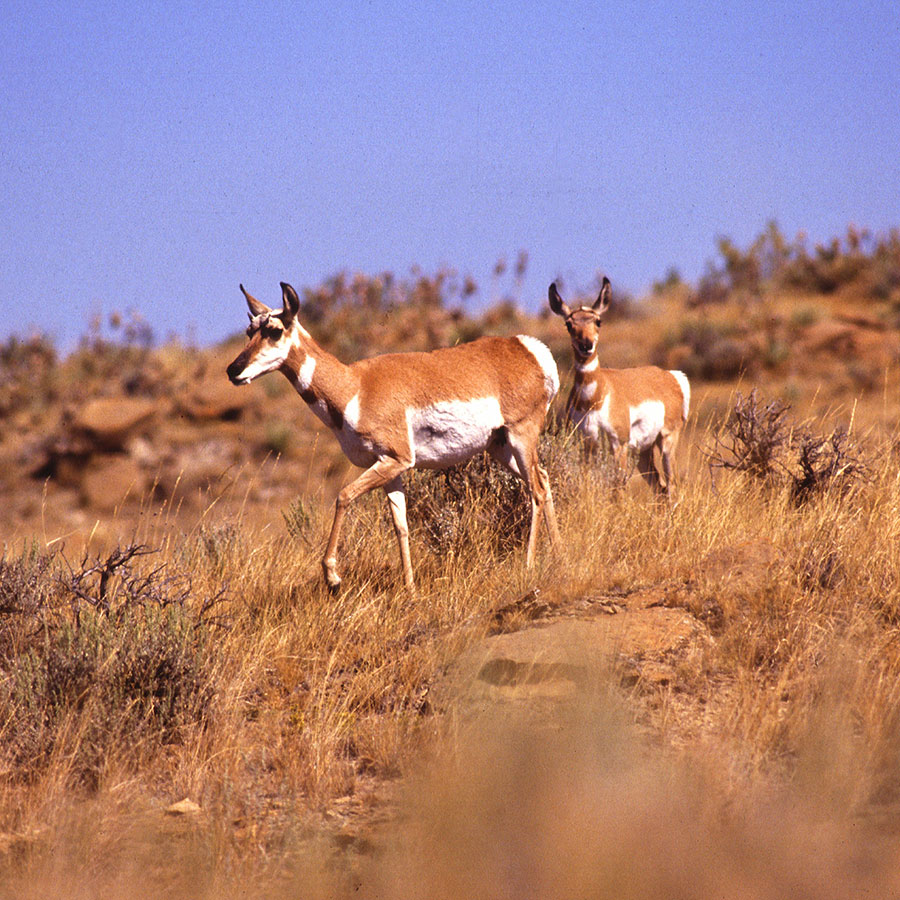
Modifying Fences for Pronghorn
Volunteer with us!
How to sign up
When are volunteer opportunities available at the Trust?
The Trust holds volunteer trips during our field season from April through October each year. Outside of the field season, opportunities are limited to independent projects like the pinyon jay project. We post trips available for sign-up on our events calendar a few months before the field season begins. Please sign up for our volunteer newsletter to receive a notification when trips are posted. Unfortunately, we don’t have the capacity to offer custom trips for organizations or school groups. All trips posted on the website are open to the public.
I have been on the website and read through the awesome trip schedule. Now what?
Thank you for your interest in our program! Once you have found your desired trip, click the “Sign Up” button and fill out the online sign-up page. Next, fill out the volunteer application form (sent to you via email) to reserve your place on the trip. You will hear from someone shortly confirming your spot. Please note that not every application can be accepted due to trip difficulty or availability.
Cost
How much does it cost to volunteer with the Grand Canyon Trust?
We do not charge for food, transportation, or housing. We ask that you join our organization as a member at the $25 level or higher, if you are comfortable doing so financially. Your membership will be good for one year, and you can volunteer as many times as you like during that time period without renewing your membership.
Please note: Current members in good standing are automatically eligible to apply for and attend volunteer trips.
The Grand Canyon Trust is a 501 (c)(3) non-profit organization, and your tax-deductible membership helps support our entire organization.
Trip ratings
What are the requirements to volunteer?
You don’t need experience in the project focus area, but we highly suggest that you are physically and mentally willing, able, and responsible to do the work for which you are signing up. The projects listed on this website are rated by difficulty to ensure that you end up on the right trip, creating a safe and effective work atmosphere for all involved.
Easy — Short walks on relatively even terrain, work project with minimal bending and lifting, usually day trips.
Moderate — Shorter trips, typically car-camping or staying at a rustic cabin facility, with long day hikes often on uneven ground. Work projects requiring lifting, bending, and working several hours each day with tools. These trips are for people in good shape ready for a full day of activity.
Difficult — More intense projects on both established trails and off-trail, car-camping or staying at a rustic cabin facility, with long day hikes and demanding physical work. The work projects may include heavy lifting, bending, shoveling, and picking. These trips are for energetic, fit people who are comfortable camping in remote areas.
Strenuous — Our most physically demanding projects. These trips are often five days long and include tent or car camping in remote areas. Activities may involve long off-trail hikes, with significant elevation changes and heavy backpacks. The work projects may include heavy lifting, bending, shoveling, and the use of power tools. These trips are very challenging and require excellent aerobic condition and stamina.
Trip cancellation policy
What if I sign up for a trip and have to cancel?
If you need to cancel your participation, please email us as soon as possible at volunteernow@grandcanyontrust.org. The sooner you inform us, the better chance we have to fill your spot. The Grand Canyon Trust reserves the right to cancel any trip due to conditions such as pandemics, inclement/dangerous weather, or low enrollment. In the event of a trip cancellation, we will notify you as far in advance as possible. The Grand Canyon Trust is not responsible for additional expenses incurred by participants (e.g. equipment, gear, non-refundable airfare, etc). The Trust reserves the right to disqualify a participant(s) at any time during a trip if he/she poses a risk to their own or the group’s health, well-being, or safety. Please do not book non-refundable travel until you have received confirmation of your acceptance for the trip. Participants are encouraged to consider trip cancellation insurance, which protects you against financial loss if you must cancel or interrupt a trip because of illness or injury to yourself, a family member, or traveling companion.
Lodging
Where will I stay the night before the work week?
Often, out of town volunteers will arrive the evening before the trip and look for a place to stay. You may camp in various areas around Flagstaff, reserve a room in a hotel, or look into the Grand Canyon International Hostel, a favorite of many of our volunteers and located in the heart of downtown Flagstaff.
Where do we stay while working on the project?
The accommodations vary from project to project. Sometimes, we stay in rustic cabins with running water (such as Kane Ranch), while other times, we’ll be backcountry camping. Each trip description tells you the specific accommodations so you can plan accordingly.
Transportation
What transportation does the Trust provide?
In some instances, we can provide transportation to and from the project area from our office in Flagstaff on a first-come, first-served basis, and we encourage volunteers to carpool. It is your responsibility to meet us at the project site or get to the Flagstaff office. Please contact the Volunteer Program with transportation inquiries for a specific trip.
What if I am flying? What are the different options to get to Flagstaff?
If flying into Phoenix, you can prearrange a shuttle from the airport, take the Greyhound, or rent a car/van to get to downtown Flagstaff. You can also fly directly into Flagstaff, but tickets will typically cost significantly more. For trips elsewhere on the Colorado Plateau, ask your trip leader about the nearest airport.
Food
Is food provided on the trip?
The Volunteer Program staff know how to cook, and love to eat good food! We love to share menu ideas, and we provide three meals a day and snacks during the trip, unless otherwise noted.
What if I have special dietary needs?
The application has a section on food preferences, allergies, and special needs. We take your needs seriously and can adapt our menu accordingly. If a dietary need is extremely specialized, you may need to provide some fixings. You will find we do a tasty and amazing job keeping you full and happy.
Gear
What is provided by the Trust? What do I need to have?
You provide your own camping gear and equipment. We have some gear that we can loan to individuals. Check out the gear pack list for what you’ll need for a great trip.
Age
Is there an age requirement to participate in a project?
In order to join a volunteer project on your own, you must be 18 or older. If you are younger than 18, you must be accompanied by an adult. Young people, ages 15-30, who are interested in environmental advocacy are encouraged to check out our Rising Leaders Program as well.
Risk
What risk is involved with volunteer trips?
Volunteers, staff, and partners all share in the responsibility of managing risk in wilderness contexts. We explain some of the risks you might expect to encounter on a volunteer trip in the event page for each trip and in pre-trip emails from trip leaders. Our staff members are professional outdoor leaders who not only are knowledgeable about the projects and work areas, but also are certified Wilderness First Responders. This means each leader has gone through rigorous training to become skilled at identifying hazards ahead of time, practicing good leadership and communication to prevent accidents, and providing outdoor first aid care to participants if needed. We also are trained in “Leave No Trace” and practice these environmental ethics on each trip.
Health and liability insurance
Does the Trust provide insurance coverage while I am volunteering?
Volunteers are asked to have their own medical insurance coverage. In the event of injury or illness requiring evacuation, the cost of evacuation and treatment will be the responsibility of the participant.