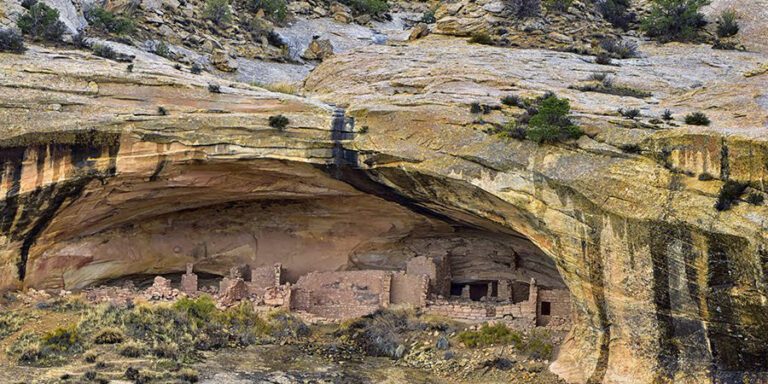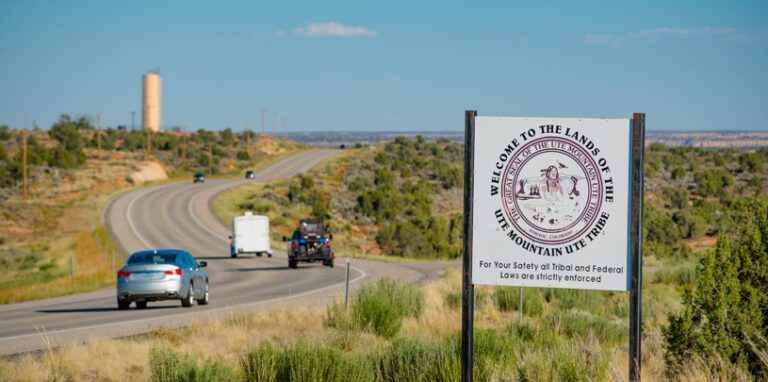
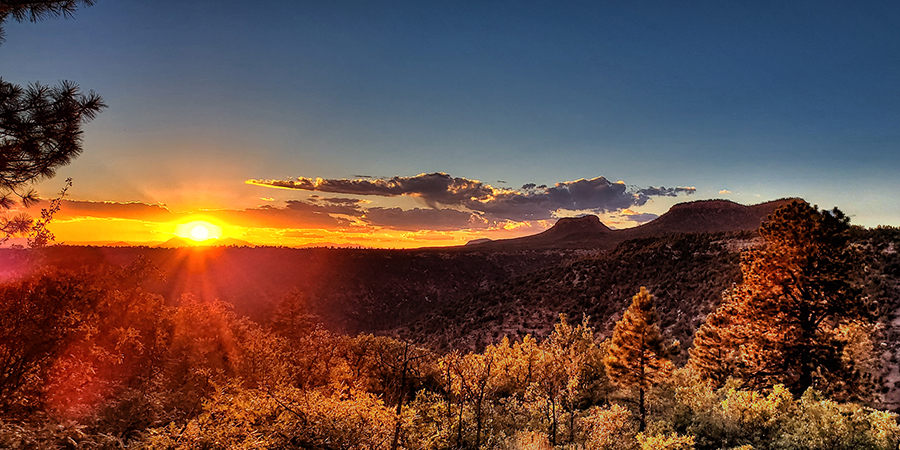

The unlawful 2026 proclamation shrunk Bears Ears National Monument by more than 90%. See photos of places that have lost protections.
The administration’s decision to eviscerate Bears Ears National Monument for a second time is heartbreaking. With the stroke of a pen, the administration illegally eliminated over 90% of the monument’s land base while also attempting to terminate the Bears Ears Commission, a first-of-its-kind collaborative body composed of five tribes (the Hopi Tribe, Navajo Nation, Ute Indian Tribe of the Uintah and Ouray Reservation, Ute Mountain Ute Tribe, and Pueblo of Zuni) that helps manage the monument.
The 2026 proclamation asserts that many of the features within Bears Ears are “generic” rather than historic landmarks, structures, or other objects of historical or scientific interest protected under the Antiquities Act.
But Bears Ears is more than a collection of individual features. The region and the lands around it form a vibrant, living cultural landscape where everything is connected. Harm one element and others suffer.
Humans are a part of this place too. As Regina Lopez-Whiteskunk, a member of the Ute Mountain Ute Tribe and former co-chair of the Bears Ears Inter-Tribal Coalition says, “There’s a relationship that we all share with living things. Every tree, every plant — it needs a part of us, as we need it.”
With that broader understanding of Bears Ears in mind, here are some of the “generic features” described in the proclamation. Take a look and consider what they mean within this living landscape.
White Canyon
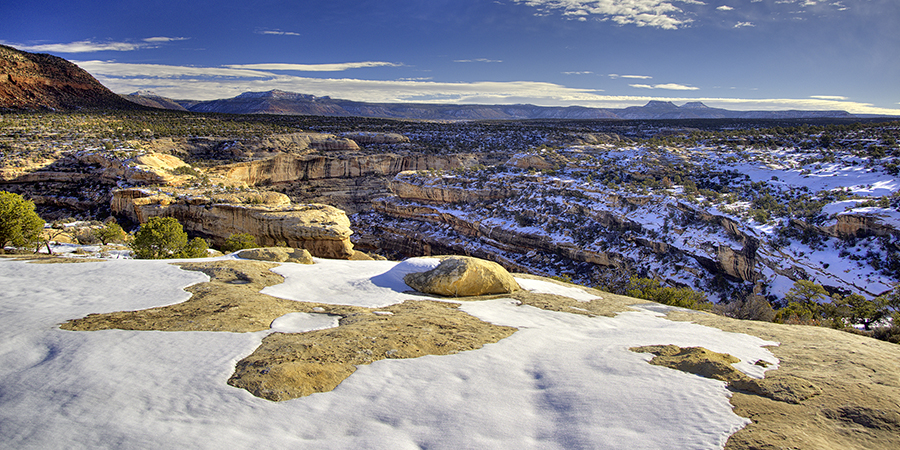
Surrounding Natural Bridges National Monument, the entire White Canyon region in the shadow of the Bears Ears Buttes was eliminated from the monument. Uranium deposits here are now vulnerable for exploitation. As of September 24, 2026, at least 72 new mining claims had been staked in areas cut from the monument.
Grand Gulch
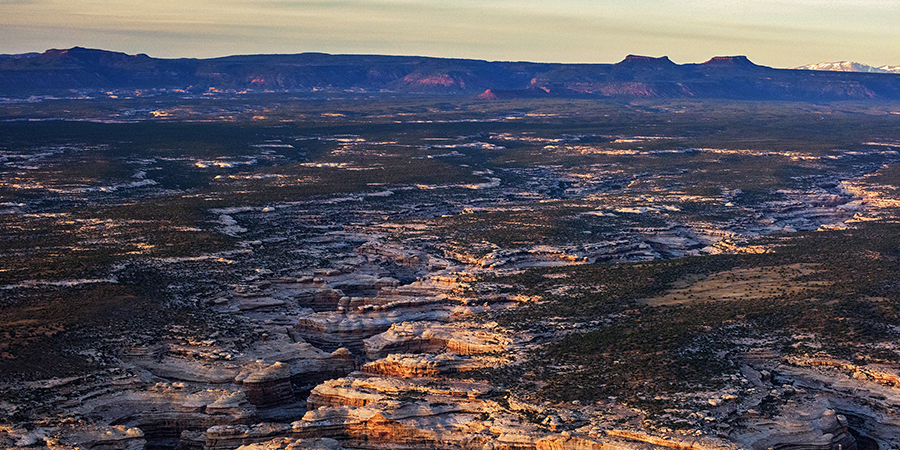
There is truly no place on Earth quite like Grand Gulch. The surrounding canyons hold an extraordinary record of human history, including a 2,000-year-old tattoo needle, the oldest ever identified, found here.
North and South Sixshooter Peaks
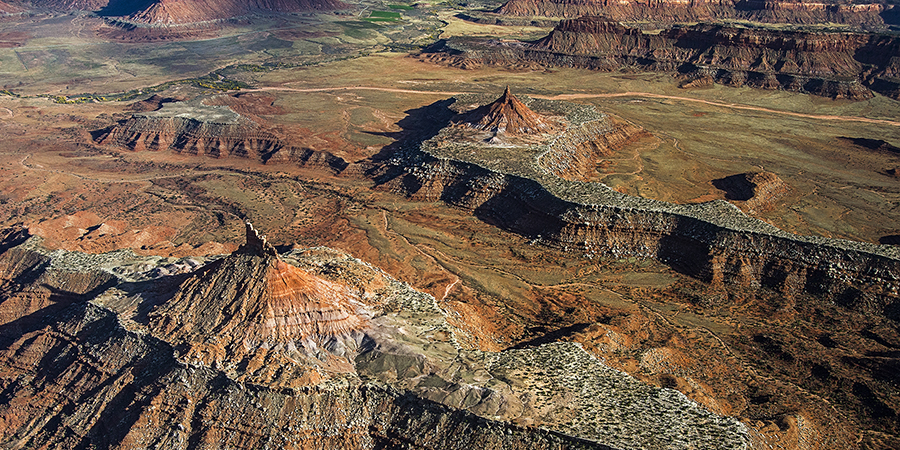
North and South Sixshooter Peaks are distinctive sandstone spires that rise above Indian Creek. They remained within Bears Ears after the 2017 cuts, but lost monument protection in 2026.
Indian Creek Falls
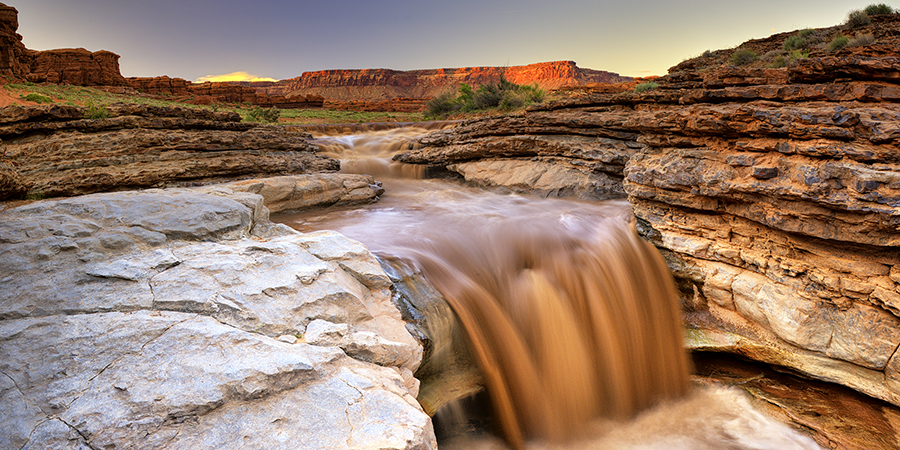
Indian Creek is a seasonal waterway that flows through Bears Ears. These falls were included in the 2017 boundaries but lost protection in 2026.
Mt. Linnaeus
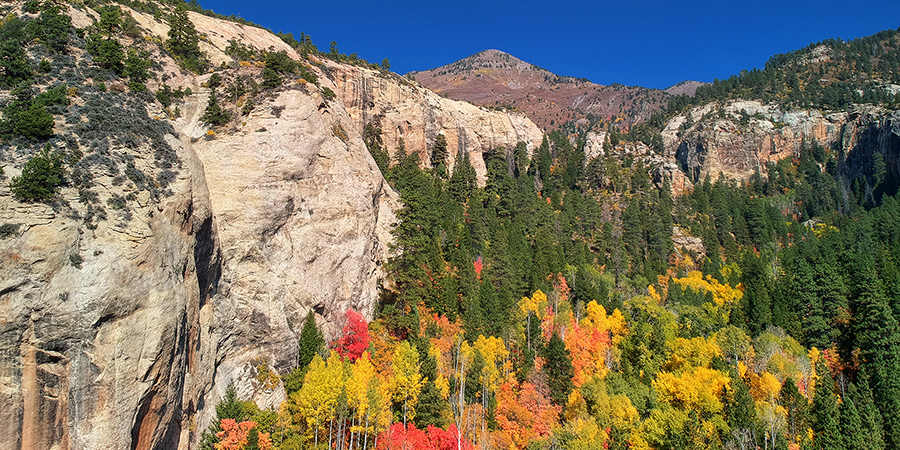
Bears Ears’ original boundaries stretched across an incredible range of elevations and ecosystems, from nearly 11,000-foot Mt. Linnaeus, pictured here, down to the San Juan River at about 3,700 feet. Both were included within the monument’s larger boundaries before the 2026 reduction.
The Dugway
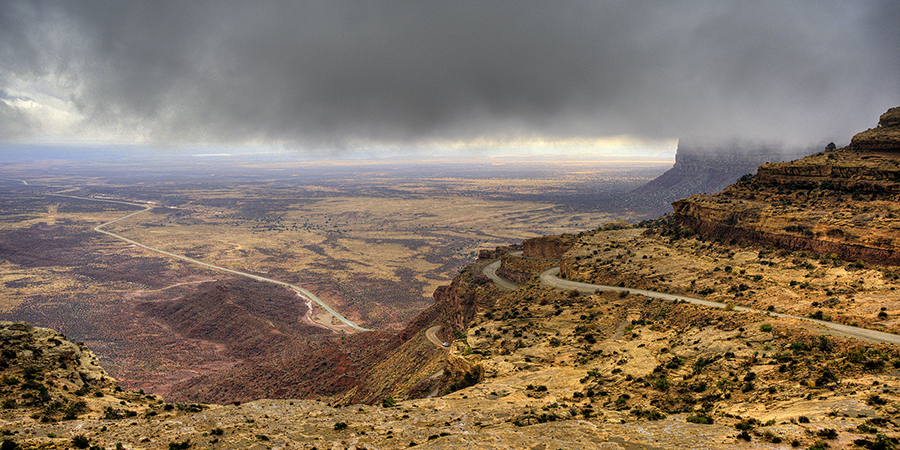
This steep, twisting road drops from Cedar Mesa toward the Valley of the Gods, offering sweeping vistas. The route is a well-known scenic drive and a destination for visitors from around the world. In 2026, the lands along this stretch were removed from Bears Ears National Monument.
Cream Pots
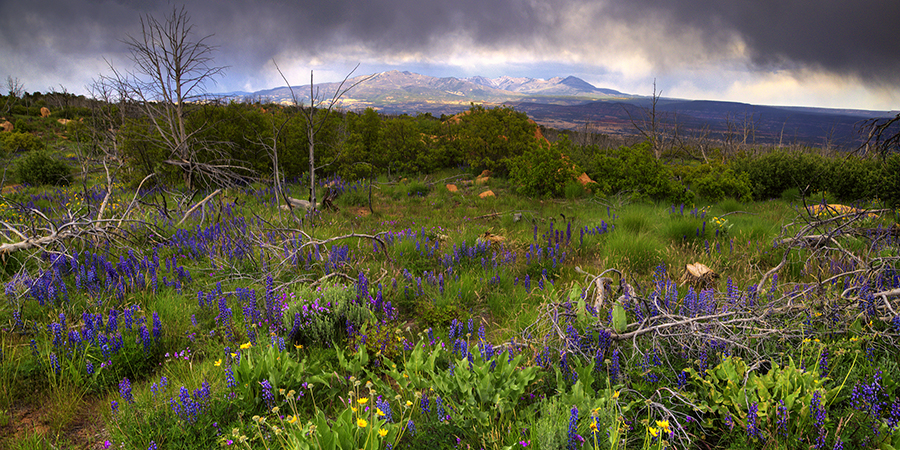
Fire is part of the natural cycle of this landscape. This area burned in 2012, and the vegetation has since returned. The 2026 Babylon Fire in Bears Ears burned over 100,000 acres, but landscapes like this show how these ecosystems can recover over time. The Cream Pots were protected within Bears Ears National Monument before the 2026 boundary reduction.
Speak up for Bears Ears National Monument
Even though these places have lost their national monument status, they are still public lands. And they still matter.
National monument designation provides an important layer of protection, putting the preservation of cultural, historic, and natural resources at the heart of how these lands are managed. Bears Ears undoubtedly deserves national monument protection.
The need for that protection is only becoming more urgent. Visitation is increasing, bringing greater risks from careless use and damage. New mining claims and even commercial logging could further threaten these places.
Feel inspired to act? Let your members of Congress know that you oppose the 2026 cuts to Grand Staircase-Escalante and Bears Ears, and ask them to speak in their defense today.