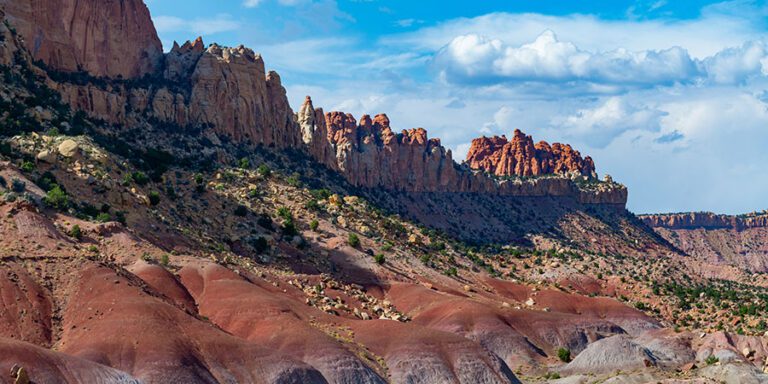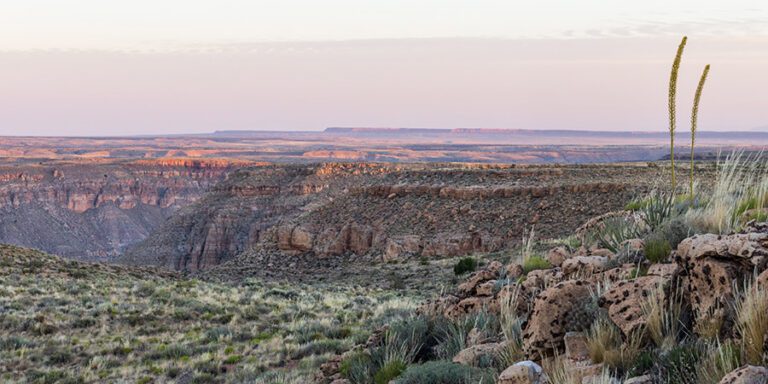
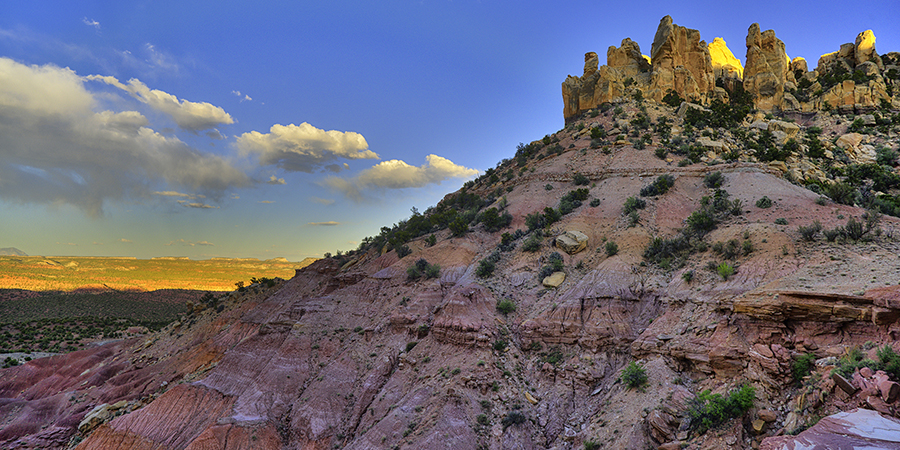

A Senate deadline has passed, and Grand Staircase-Escalante National Monument’s good management plan stands.
On June 11, 2026, a fast-track simple majority vote deadline passed that could have eliminated Grand Staircase-Escalante National Monument’s protective 2025 management plan using an obscure law known as the Congressional Review Act.
In order to pass the bill now, Sen. Mike Lee, R-Utah, needs 60 Senate votes (requiring seven Democrats to vote for it), and he seems to have accepted defeat.
In a joint statement released to news outlets on Friday, June 12, Sen. Lee and the sponsor of the House version of the bill Rep. Celeste Maloy, R-Utah, conceded the contest, saying, “While the [Congressional Review Act] pathway is no longer available for this measure, our focus on this issue is unchanged.”
Why did they fail?
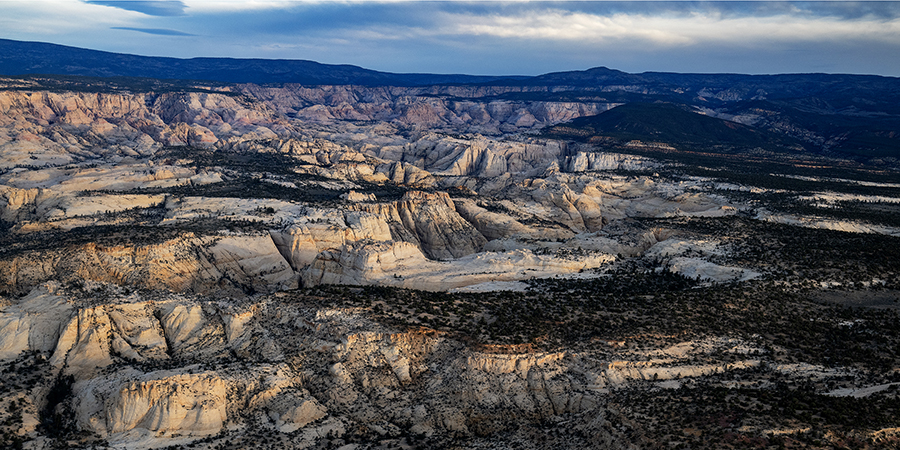
The explanation could be simple — Sen. Lee couldn’t find 30 senators to support his bid to harm Grand Staircase-Escalante, and House leadership didn’t see this as a priority for the nation.
There are many more reasons why the plan could have failed. It could have been the combined opposition of thousands of Americans like you who contacted their members of Congress voicing their opposition (thank you). After all, 91% of Western voters polled support keeping our national monuments and 74% of Utah voters polled support keeping Grand Staircase-Escalante in particular.
It could have been strong opposition from the Grand Staircase-Escalante Inter-Tribal Coalition, the National Congress of American Indians, the Navajo Nation Council, more than 150 scientists, local business owners, a unified conservation community, and more.
It could also be that the two Utah lawmakers are infamous for pushing unpopular and unsuccessful proposals to sell off public lands. After House leadership stripped Rep. Maloy’s public land sale provision from the House version of last year’s One Big Beautiful Bill Act, bipartisan backlash to Sen. Lee’s broader proposal was so strong that he was forced to drop it from the Senate version.
Lee and Maloy’s proposal threatening Grand Staircase-Escalante may just have been too toxic. As Will Pattiz wrote in More Than Just Parks, “A [Congressional] majority doesn’t let a fight like this die on a deadline when it has the votes to win. It stalled for the same reason their land sell-off collapsed last summer. Forcing members to go on record gutting a beloved national monument in an election year was a vote nobody wanted to cast.”
Why does this matter?
The 2025 management plan was the product of years of collaboration and exhaustive public input. Rep. Maloy stated that one of her primary reasons for trying to destroy the 2025 plan was that it was “…developed with little to no meaningful input from local leaders, county governments, or the people who live and work in the region.” Erik Stanfield, Senior Anthropologist for the Navajo Nation Heritage and Historic Preservation Department participated deeply in the process. He wrote in the Salt Lake Tribune that far from being ignored, state government officials pressured tribes and others to support their position “in a way that looked less like dialogue than an attempt to eliminate other perspectives.”
In the end, a compromise was reached, and as Mr. Stanfield wrote, “If critics believe parts of the Grand Staircase plan should be changed, they should say which parts and why. They should make that case in public. They should not pretend the process never happened. They should not erase years of work because the final compromise did not tilt far enough in their favor.”
That compromise included something important. According to Stanfield, “One of the components that survived that process, and that would be lost if the management plan is overturned using the Congressional Review Act, was the tribal co-stewardship section. This was one of the most forward-looking parts of the plan and one of the few places where years of tribal participation produced something concrete.”
On news that Sen. Lee had failed, Autumn Gillard, Southern Paiute and coordinator of the Grand Staircase-Escalante Inter-Tribal Coalition agreed, saying, “We celebrate with gratitude today that Grand Staircase-Escalante National Monument’s 2025 management plan still stands. That plan, for the first time, heeded our voices and our Traditional Knowledge by establishing a framework for Tribal co-stewardship over our ancestral lands.”
What else was at stake?
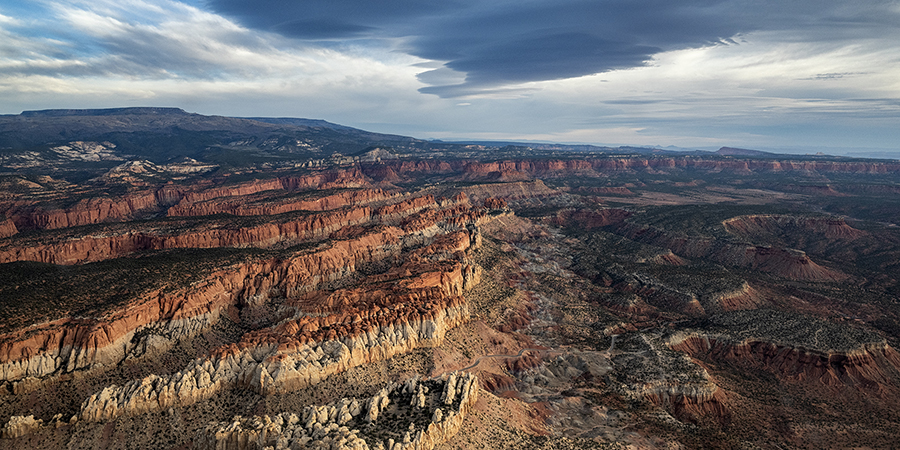
Had Lee and Maloy succeeded in destroying the monument’s 2025 management plan, presumably, Trump-era 2020 plans would have taken effect, erasing not only the landmark tribal co-stewardship framework, but potentially setting the stage for more off-roading, casual collection of irreplaceable fossils, the return of cattle to the canyons of the Escalante River that have been recovering for decades, and the resumption of clearcutting ancient pinyon and juniper forests.
Most importantly, we won because of you and your efforts. Thanks to all of you who took action — calling and writing your members of Congress, posting to social media, and sharing how to speak up with your friends and family. We’re sure this isn’t the end of threats to our national monuments, but for now, we celebrate!