Resource Issue: National monuments

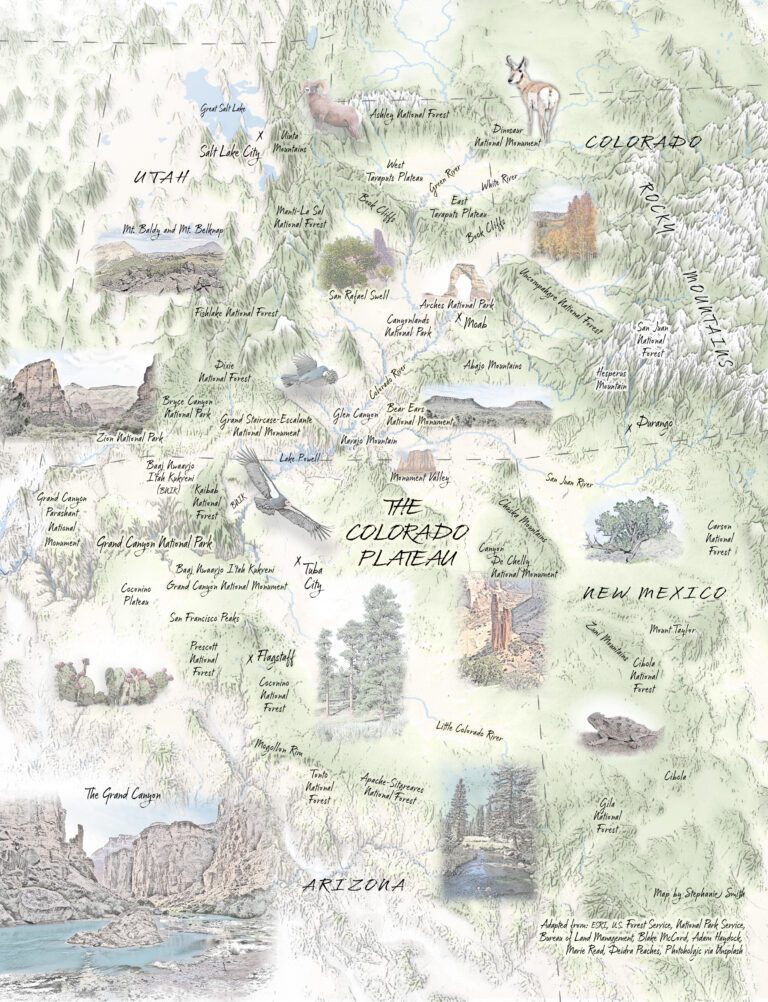
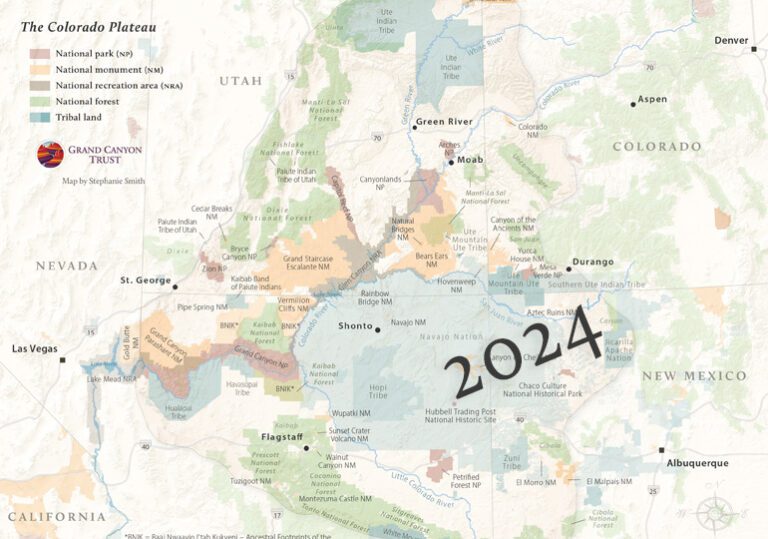
Illustrated map of the Colorado Plateau showing major landmarks, animals, and vegetation across regions of Utah, Colorado, New Mexico, and Arizona.
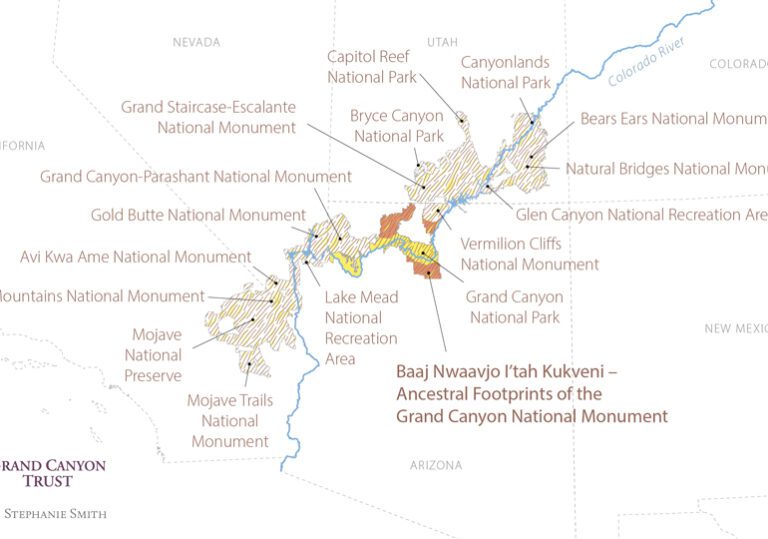
The Grand Canyon Trust’s 2025 map of national monuments, national parks, landmarks, plants, and animals across the Colorado Plateau.
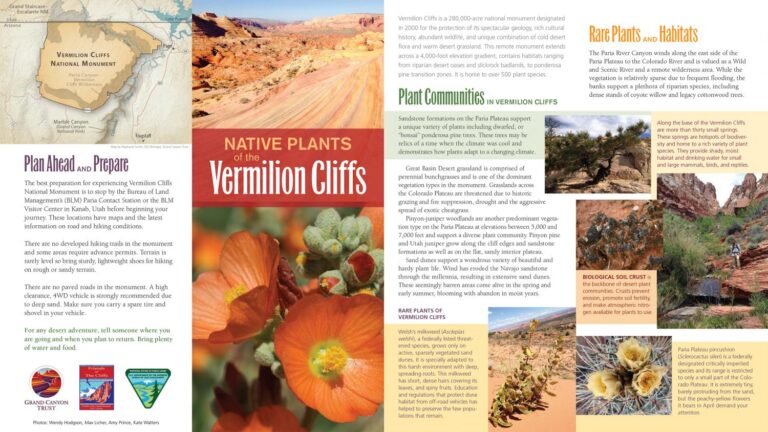
Brochure for Vermilion Cliffs National Monument highlighting plant communities, rare habitats, and travel preparation tips. Includes images of desert landscapes and native plants.
This brochure outlines the native plants, plant communities, rare plants, and more that are found in Vermilion Cliffs National Monument.
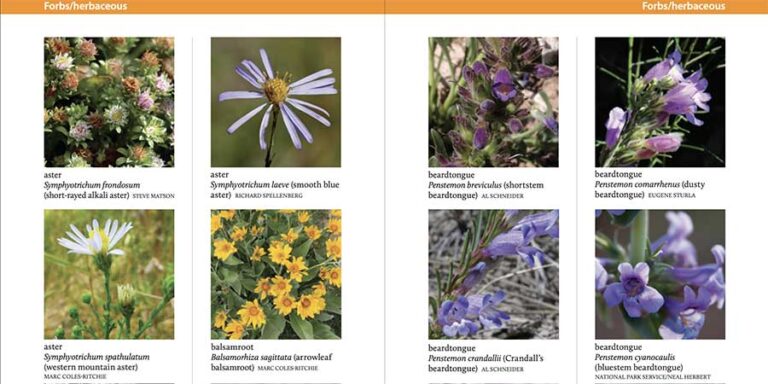
A guide displays photos and names of various herbaceous forbs, including asters and beardtongues, with brief descriptions beside each image.
Learn about the 129 species of plants noted in the proclamation of Bears Ears National Monument.
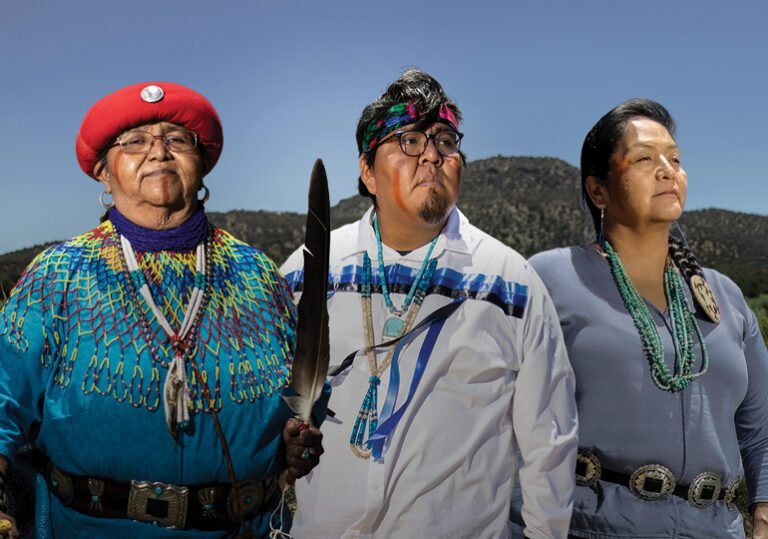
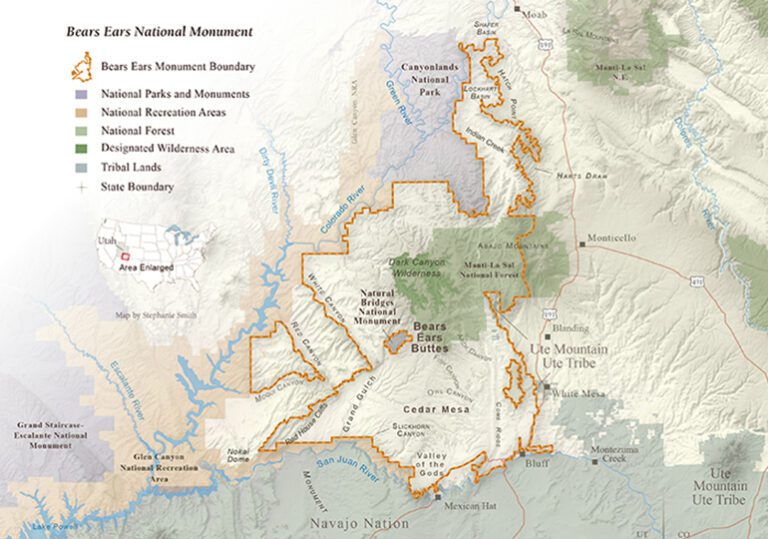
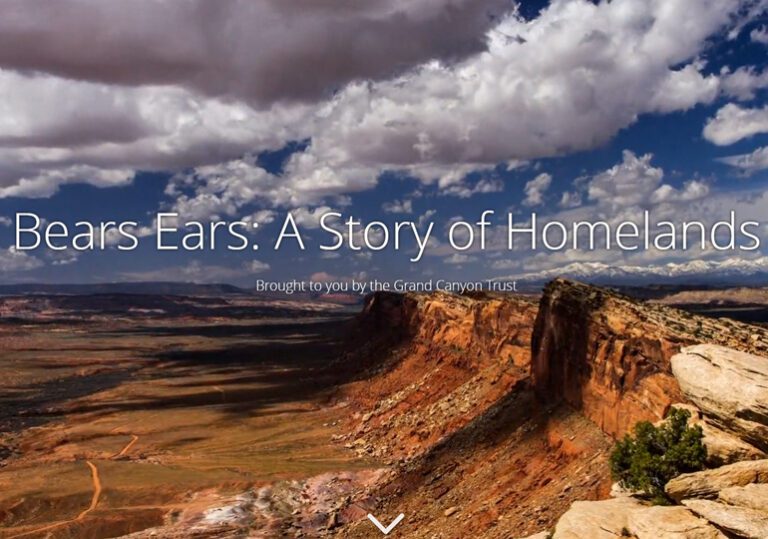
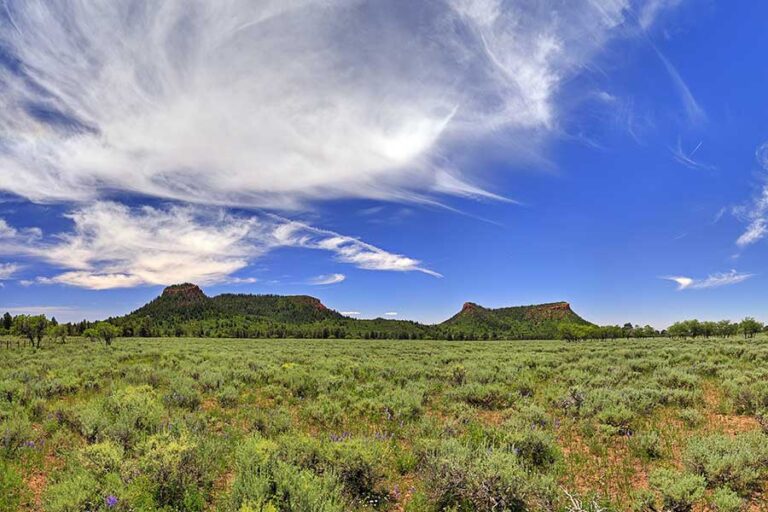
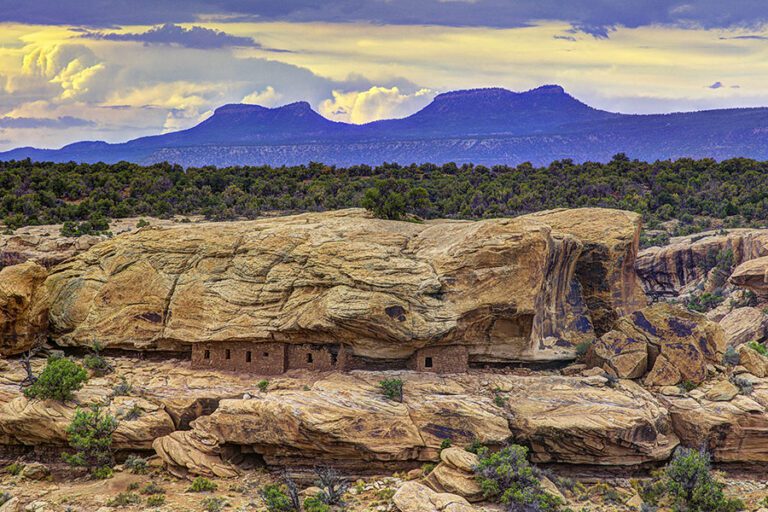
For more than 600 generations, the Bears Ears cultural landscape has been a homeland to Native American tribes. Learn the history of Bears Ears.
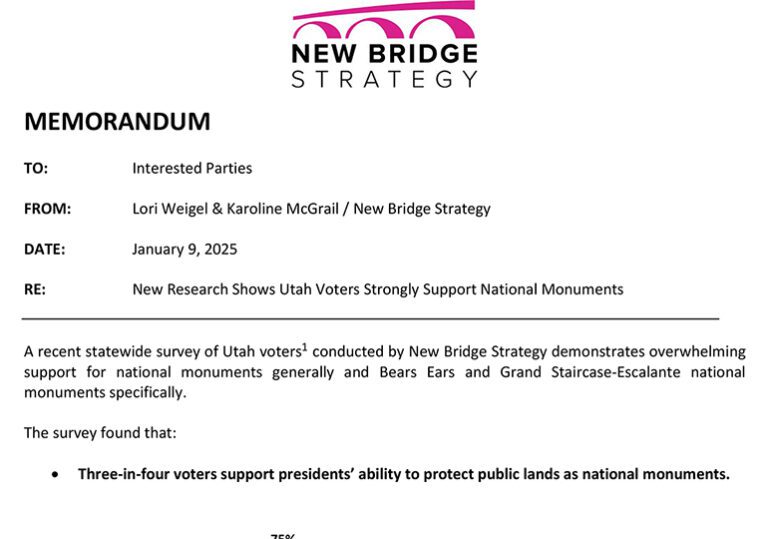
A December 2024 poll of 500 voters across Utah found strong public support for Bears Ears and Grand Staircase-Escalante national monuments
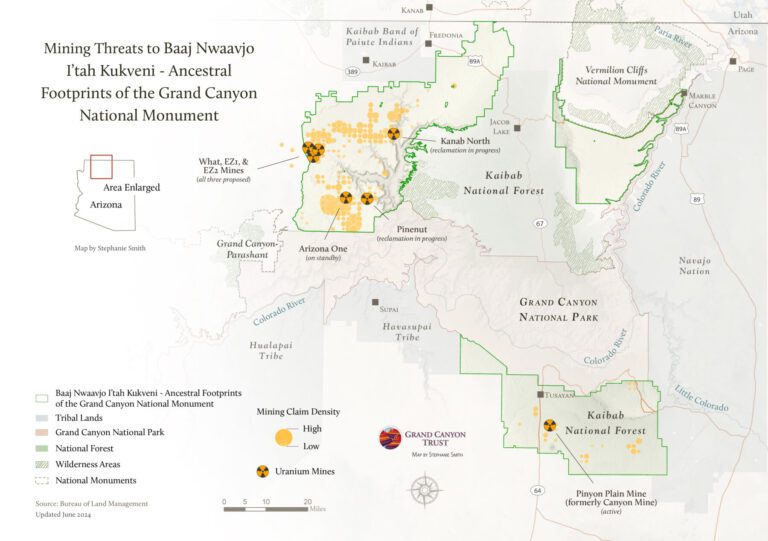
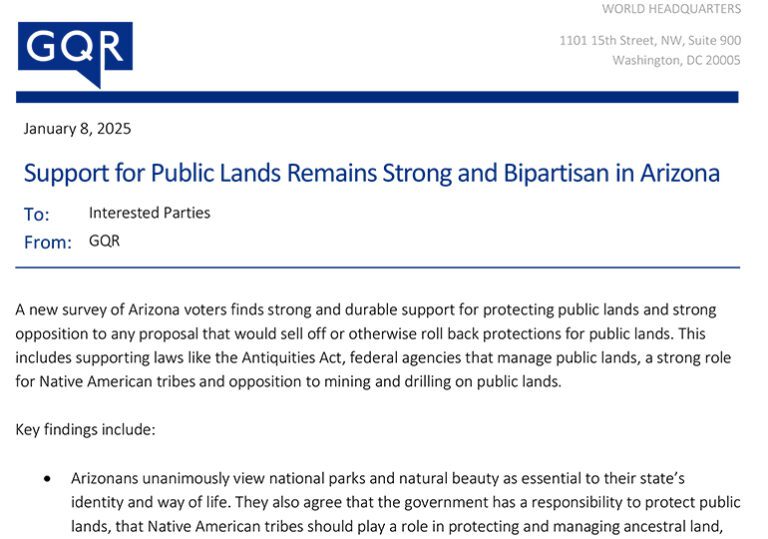
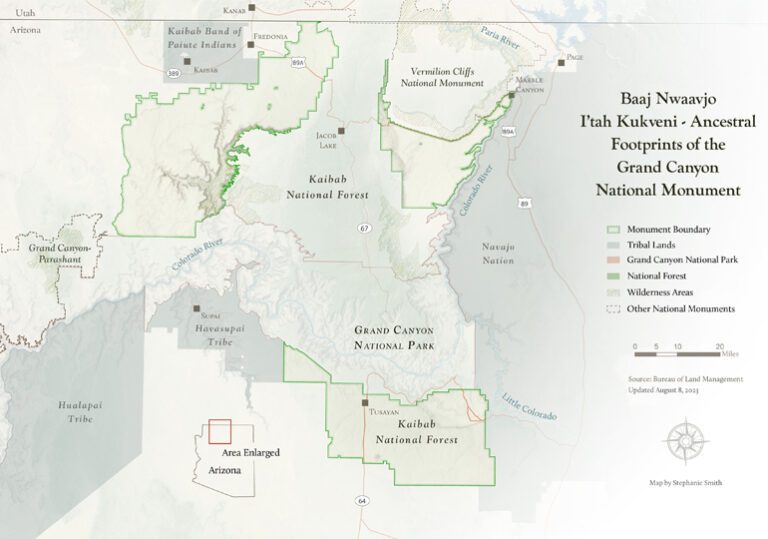
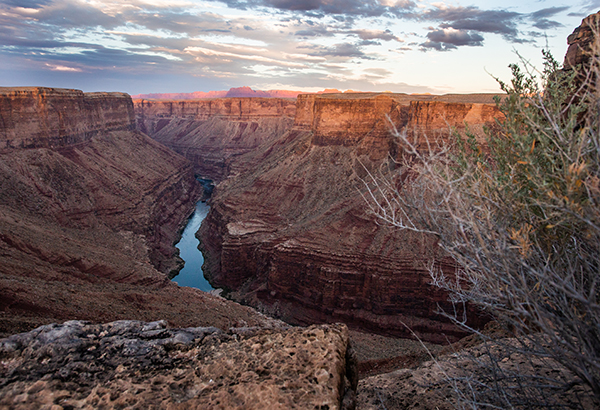
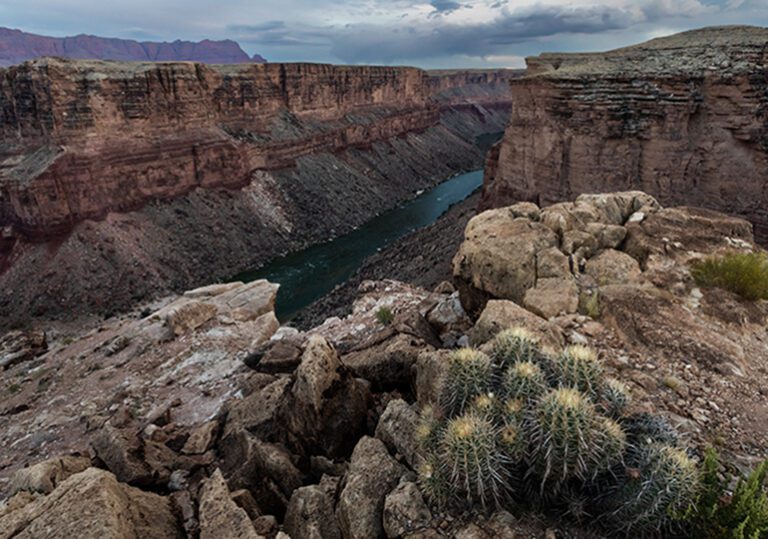
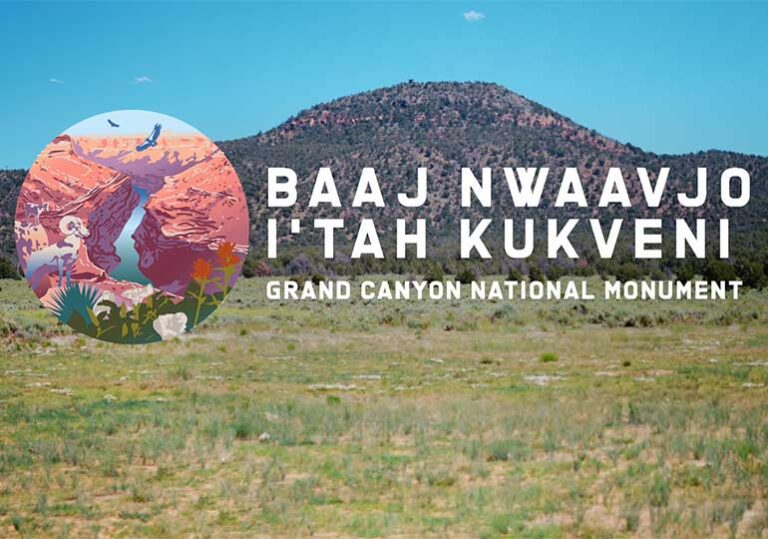
A December 2024 poll of 500 Arizona voters by public opinion research firm GQR found strong public support for Baaj Nwaavjo I’tah Kukveni – Ancestral Footprints of the Grand Canyon National Monument.
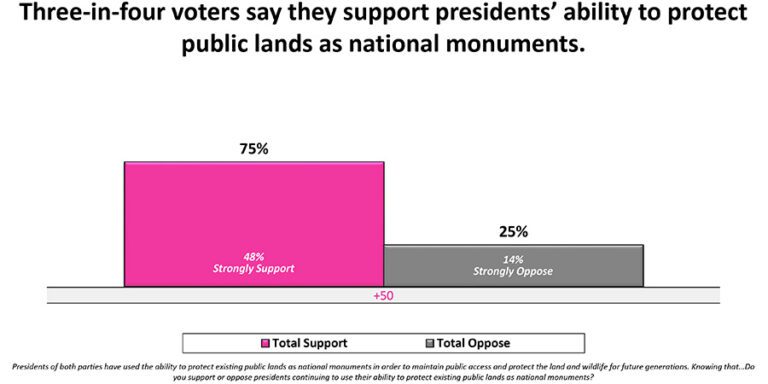
A bar graph showing in pink 75% of Utah voters support presidents' ability to protect public lands as national monuments, compared to 25% who oppose in gray bar, from the 2024 Utah National Monuments Poll
Utah voters strongly support national monuments and Bears Ears and Grand Staircase-Escalante in particular a December 2024 poll shows.
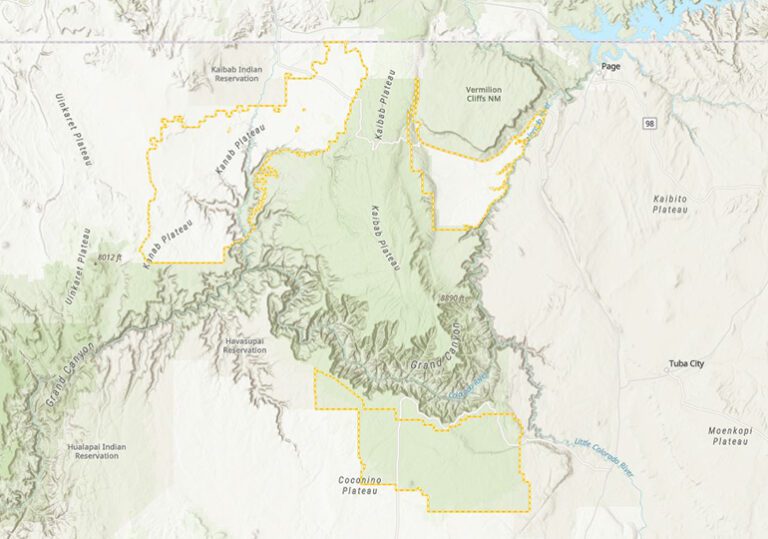
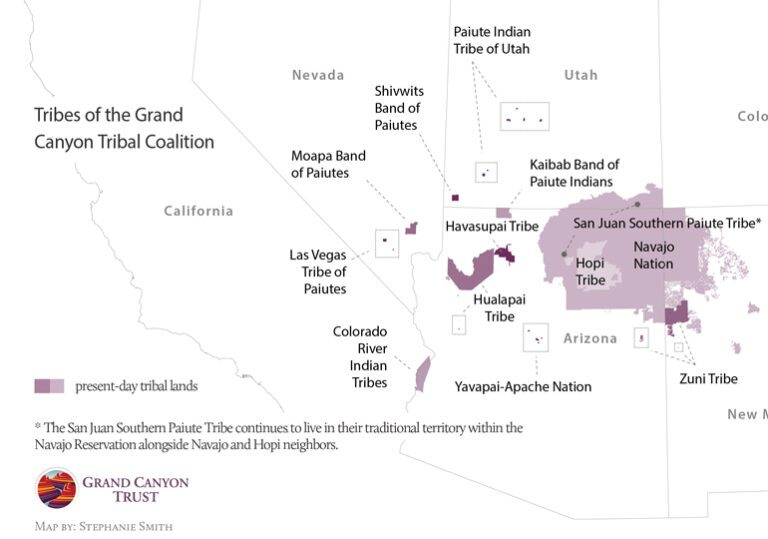
See a map of public lands and tribal lands across northern Arizona, southern Utah, southwest Colorado, and northwest New Mexico.
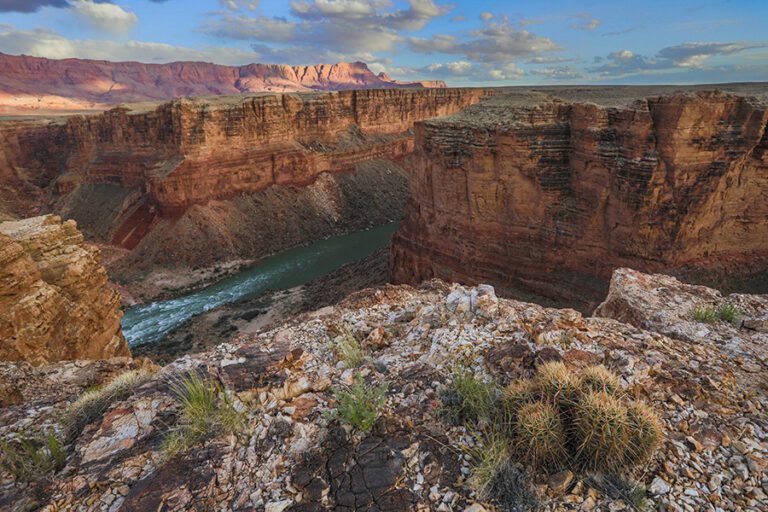
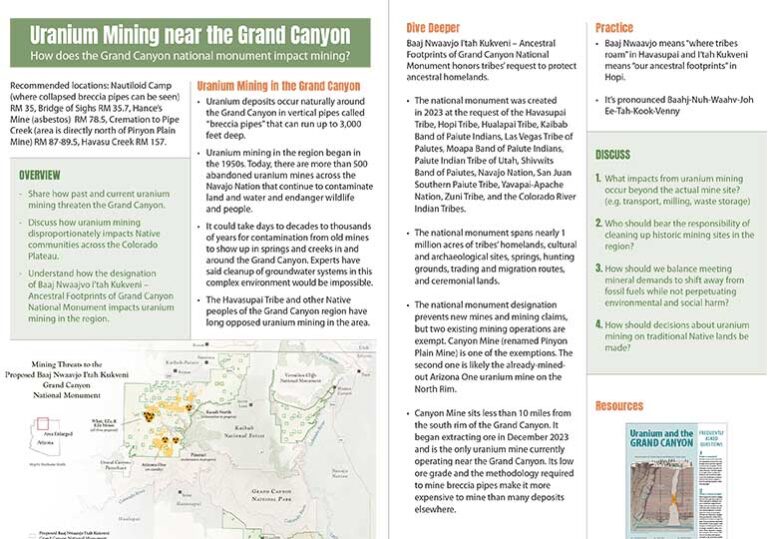
Learn about the history of uranium mining near the Grand Canyon and the extra protections that Baaj Nwaavjo I’tah Kukveni – Ancestral Footprints of the Grand Canyon National Monument brings to the region. Download the lesson plan.
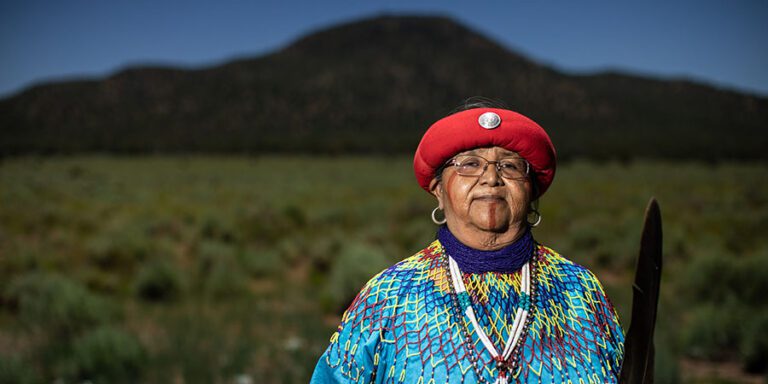
Watch the video to learn about the Havasupai Tribe’s ancestral lands, which span the Grand Canyon and Colorado River to present-day Flagstaff, Williams, Ash Fork, and Seligman, Arizona.