Report challenges economic impact of GCNP mining
By Kathy Helms Dine Bureau
Gallup Independent
April 7, 2011
WINDOW ROCK – A Scottsdale consulting firm specializing in Arizona economics and real estate says a Bureau of Land Management analysis of the economic impacts of uranium mining in northern Arizona is so full of errors and inconsistencies it “demonstrates a serious misunderstanding of economic impact theory.”
Elliott D. Pollack & Company was retained by Grand Canyon Trust to evaluate the economic impact portions of the Draft Environmental Impact Statement for the proposed withdrawal of approximately 1 million acres of land in northern Arizona from new mining claims.
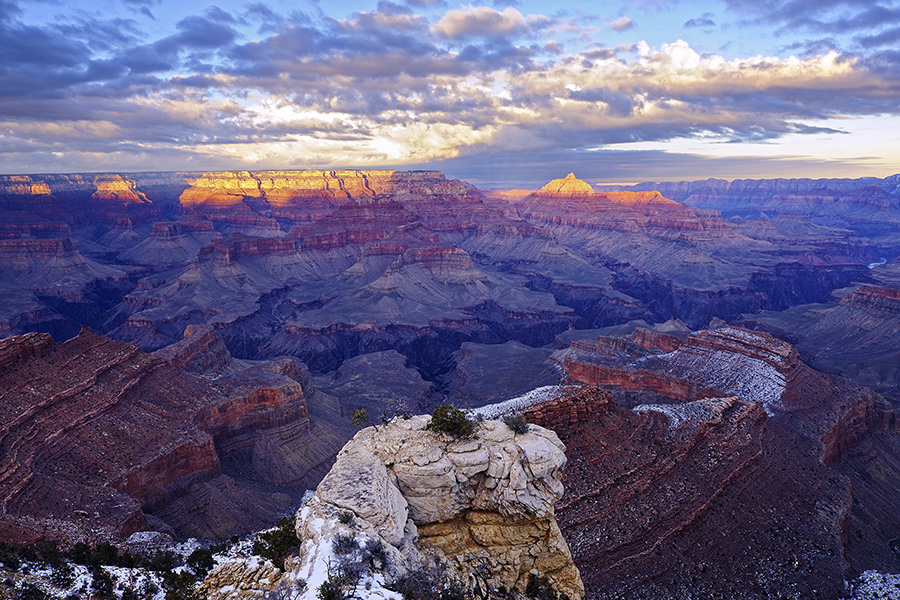
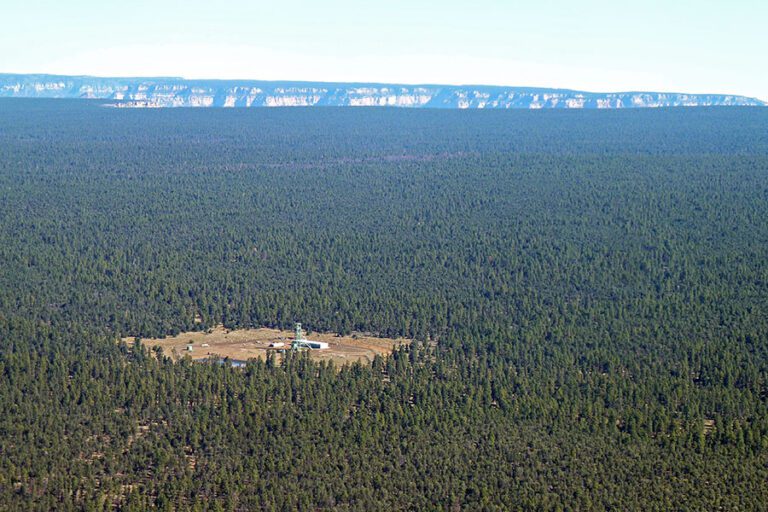
The DEIS was prepared in response to the Secretary of the Interior’s proposed 20-year withdrawal of public land north and south of the Grand Canyon from new filings of mining claims. The withdrawal would not affect claims with valid existing rights. The public comment period for the Northern Arizona Proposed Withdrawal DEIS was due to close April 4 but has been extended to May 4. No additional public meetings will be held.
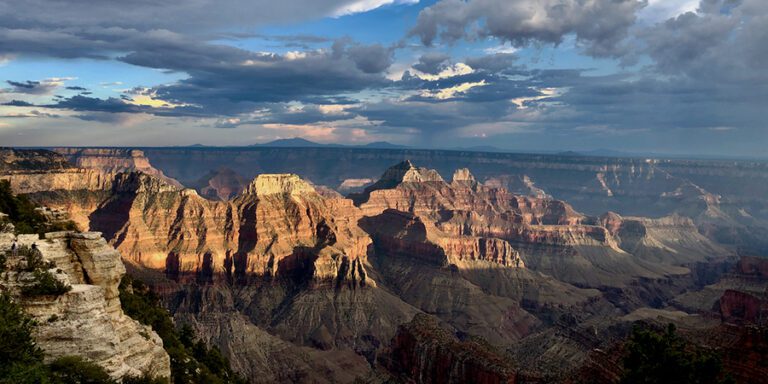
According to the BLM, the lead agency, overall regional tourist activity and associated employment within the proposed withdrawal area would not be affected under the four alternatives. Visitation to the Grand Canyon generates $687 million annually in direct, indirect and induced revenues, and contributes to the creation of more than 290,000 tourism-related jobs in the state, according to Grand Canyon Trust.
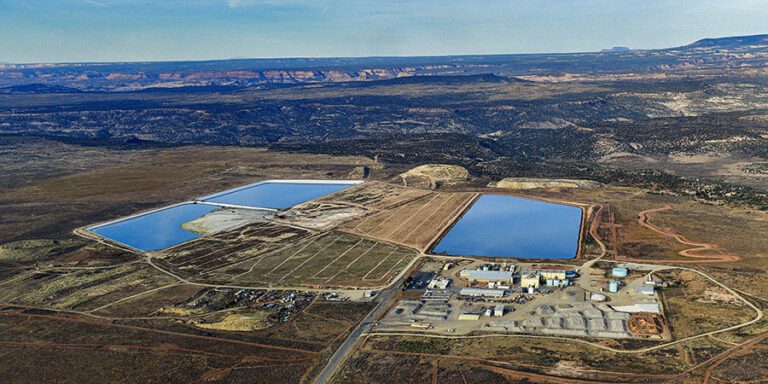
The Bureau of Land Management, the lead agency, projects a high of $2.9 billion in potential economic value from uranium mining under Alternative A and a low of $364.9 million under Alternative B. However, Richard Merritt, president of Elliot D. Pollack & Company, questioned why the economic impact analysis considers the impact of uranium mining on five counties in Arizona and Utah when all mining activities will be conducted in just two Arizona counties: Coconino and Mohave.
“If the BLM truly desires to evaluate the impact of mining on northern Arizona, then the economic impact analysis should be focused on the mining activities that occur only in Arizona,” Merrit said. “(T)here is little need to extend the impact to the distant San Juan County, Utah, where processing of the uranium ore will occur. That processing operation is wholly separate from the mining of the ore and does not impact northern Arizona.”
By including the Blanding uranium processing operation in the economic impact assessment on northern Arizona, the economic impact of mining is greatly expanded in the report and could mislead lay persons on the true impact, he said. “In addition, any profits related to the sale of yellow cake will flow out of the U.S. to the Canadian company that operates the Blanding, Utah, mill and its shareholders. This fact is not addressed anywhere in the DEIS.”
The economic impact of mining in northern Arizona should be based on the value of the ore as it is extracted from the ground and transported to Utah, according to Merritt. “We would recommend that the DEIS address this issue which would permit the development of estimates of the economic impact of uranium mining on northern Arizona.”
Merritt also questioned the BLM’s assumption of an estimated output of 3 million pounds of Uranium-308 per mine. BLM referenced a September 2009 report by the American Clean Energy Resources Trust, “which has a vested interest in the uranium assets of northern Arizona on behalf of its members,” he said. Based on that information, “the historic output per mine in northern Arizona is 2.7 million pounds of U308, not 3 million pounds. This overstates the average output by more than 10 percent.”
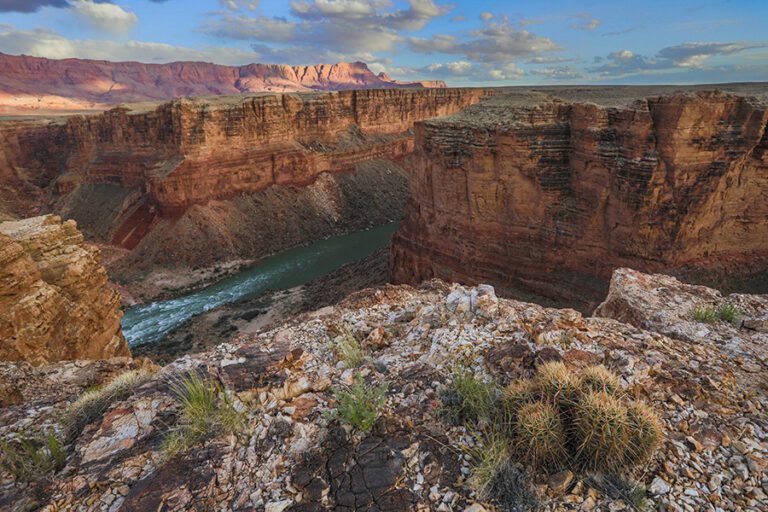
According to BLM information, Arizona, Colorado, and Utah possess only 10 to 11 percent of uranium reserves. With reserves available in other states, Merritt said, “we question why the reserves near the Grand Canyon, one of the wonders of the world and the major tourism generator in northern Arizona, would be put at risk to uranium exploration and mining.”
Click here for information. Send comments to NAZproposedwithdrawal@azblm.org or Bureau of Land Management, Arizona Strip District, 345 East Riverside Drive, St. George, Utah 84790