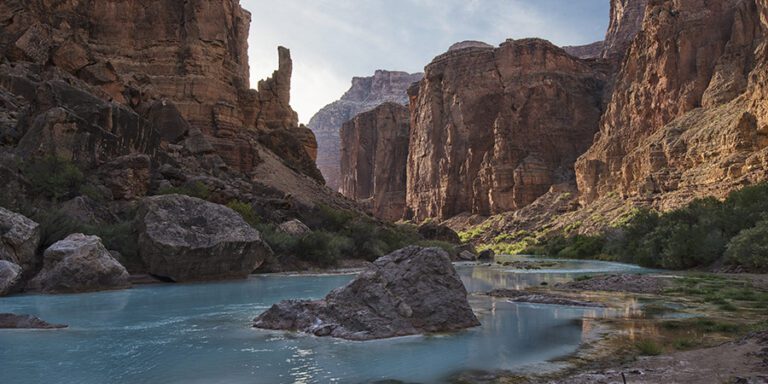
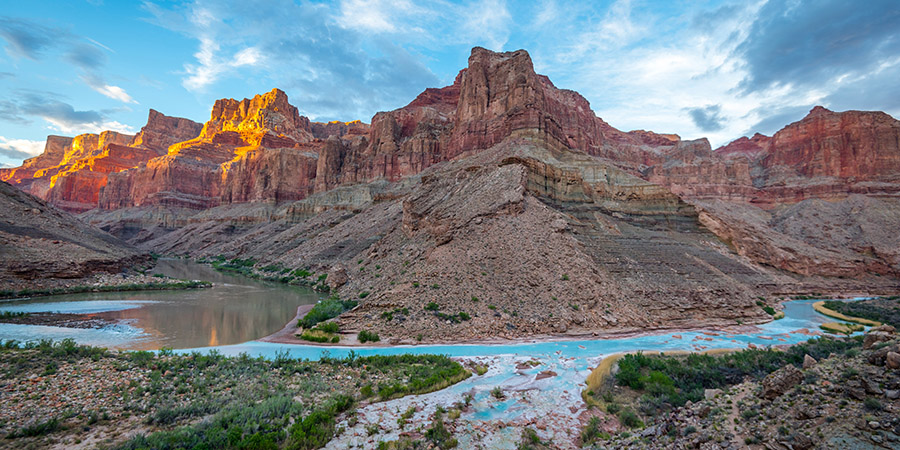

Save the Confluence, a grassroots coalition of Navajo families, is celebrating a historic achievement in the long effort to protect Tooh Ahidiilíní — the confluence of the Little Colorado River and the Colorado River.
With the passage of sacred site legislation by the Navajo Nation Council, the Navajo Nation has formally recognized Tooh Ahidiilíní, the Little Colorado River Gorge, and the surrounding cultural landscape as a sacred site of the Navajo Nation. The confluence also holds deep cultural and spiritual significance for other Indigenous peoples, whose ancestral histories and traditional practices are connected to the Little Colorado River and Grand Canyon.
The legislation affirms through Navajo law that the confluence is a place of profound cultural and spiritual significance and that its protection is a responsibility extending beyond any single generation. It also designates the area as a cultural resource and traditional cultural property protected under the Navajo Nation Cultural Resources Protection Act.
“I think today about the elders, veterans, families, and community members who carried this struggle when the outcome was uncertain. Some of them are no longer here to celebrate with us. We owe them our gratitude. They protected this place for us, and with this legislation we have taken an important step toward making sure our grandchildren will not have to fight the same battle all over again.”
— Delores Wilson Aguirre, Save the Confluence
Navajo Nation sacred site protection more than a decade in the making
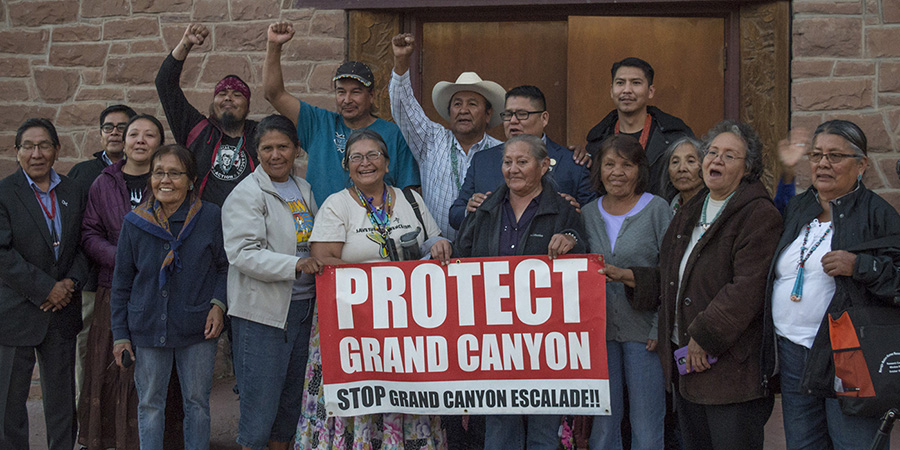
As historic as this legislation is, it did not begin in the halls of government, but in the Diné community.
More than a decade ago, families in the Bodaway Gap Chapter of the Navajo Nation confronted the Grand Canyon Escalade Project, a massive commercial development proposing a tramway into the Grand Canyon near the confluence, along with hotels, restaurants, retail facilities, and other tourism infrastructure.
The debate was about more than economic development. At its core was a deeper question: Should a place so deeply woven into the history, identity, and cultural life of the Diné people be treated primarily as an opportunity for commercial development?
In 2017, after years of sustained advocacy by Save the Confluence and opposition by many Native tribes and nations, the Navajo Nation Council answered that question by rejecting the Escalade proposal. But other proposals followed, including pumped-storage hydropower projects in and around the Little Colorado River and greater Grand Canyon landscape. The terminology changed — renewable energy, infrastructure, economic development — but the potential threat to these sacred landscapes remained.
Through years of advocacy, Save the Confluence and the families at the heart of the movement came to recognize a fundamental truth: Protecting Tooh Ahidiilíní could not depend upon mobilizing against every emerging threat. Meaningful protection required something more enduring.
“For many years, our families were placed in the position of having to defend this sacred place one proposal at a time. Today represents something different. Through our own laws and through the voices of our own people, the Navajo Nation has said that Tooh Ahidiilíní is sacred and worthy of protection. This is what our elders fought for, and it is something we can now carry forward for our children and grandchildren.”
— Nelda Dugi, Save the Confluence
What the Navajo Nation sacred site legislation protects
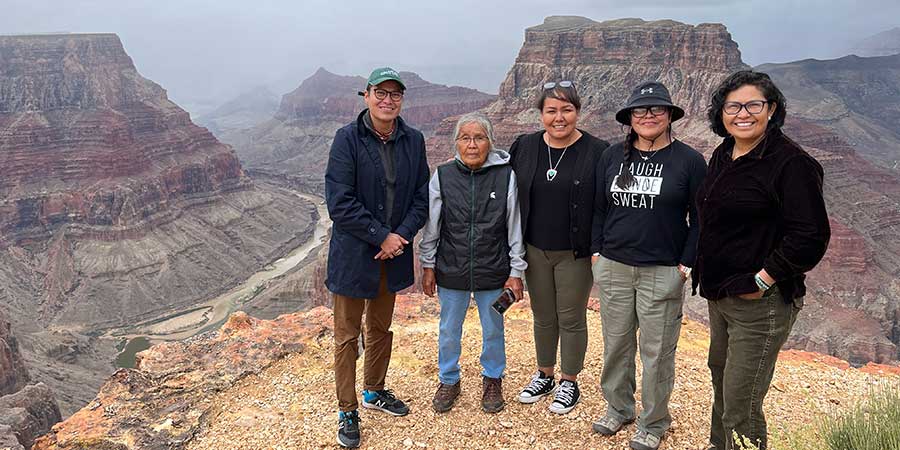
In addition to designating the site as sacred, the legislation recognizes the landscape as a cultural resource and traditional cultural property protected under the Navajo Nation Cultural Resources Protection Act. Projects affecting the designated area must receive approval from the Navajo Nation Historic Preservation Office before they can proceed.
The legislation also establishes Navajo Nation policy opposing commercial or industrial development of the confluence and the Little Colorado River Gorge when it is unwanted by local grazing permittees and land users or would impair the cultural and spiritual qualities of Tooh Ahidiilíní.
Sacred long before the law
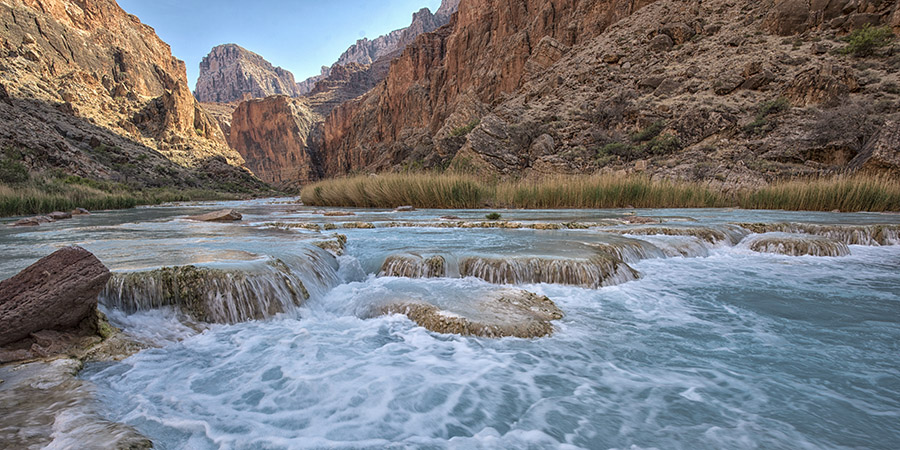
The Navajo Nation Council did not make Tooh Ahidiilíní sacred; it formally recognized a sacredness that long predates the legislation.
The legislation acknowledges the profound importance in Diné ceremonial life, while also recognizing the longstanding cultural and historical relationships of the Diné, Hopi, Zuni, Southern Paiute, White Mountain Apache, and Cibecue Apache peoples to this broader landscape.
It specifically recognizes the confluence’s significance to the Blessing Way and related ceremonies, including offerings made there for the protection of Diné servicemembers during World War I, World War II, the Korean War, and the Vietnam War.
Navajo Nation sovereignty and the future of the confluence
As a sovereign nation, the Navajo Nation has the authority to determine not only where and how development occurs, but the values and responsibilities that guide those decisions. Sovereignty is measured not only by the power to authorize development, but also by the ability to recognize that some places hold cultural, spiritual, and intergenerational value that should not be traded for short-term economic gain.
“This victory does not mean that we oppose progress or opportunity for our people. It means that progress must have wisdom behind it. There are places where development can occur and there are places that carry responsibilities greater than ourselves. Tooh Ahidiilíní is one of those places. Once a sacred landscape is lost, no amount of money can bring it back.”
— Delores Wilson Aguirre, Save the Confluence
The passage of this legislation demonstrates what can be achieved when community advocacy, cultural responsibility, and governmental action converge around a common purpose. It is a reminder that the institutions of government are at their strongest when they give meaningful expression to the voices of the people and exercise sovereignty not only for the needs of the present, but with responsibility for the generations to come.