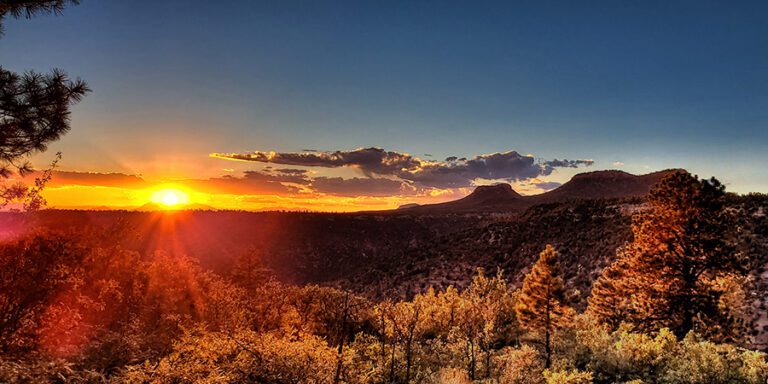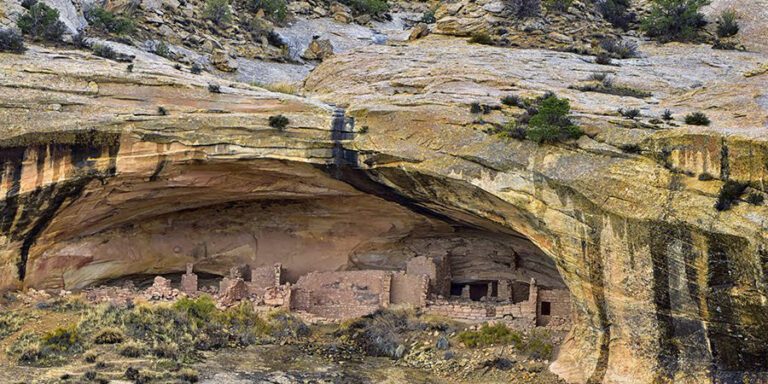
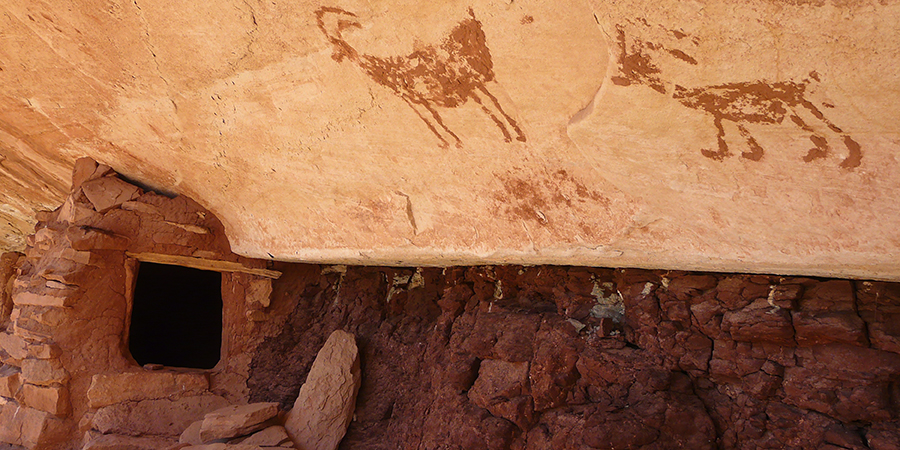

Photos of rock writings and structures cut from Bears Ears National Monument reveal just a fraction of the culturally significant places now without monument protections.
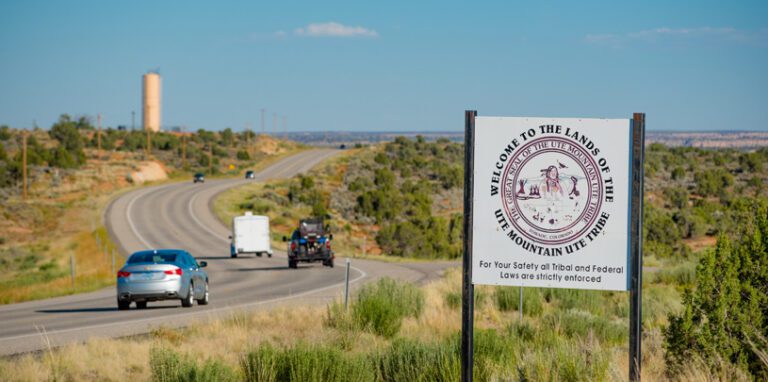
Bears Ears National Monument is more than a spectacular landscape of canyons and mesas. It is an ancestral homeland and living cultural landscape for the Ute Indian Tribe, Ute Mountain Ute Tribe, Navajo Nation, Hopi Tribe, and Zuni Tribe.
The monument takes its name from two distinctive sandstone buttes rising above the landscape, but it encompasses far more: cliff dwellings, pueblos, rock writings, roads and trails, sacred springs, medicinal plants, and other places that remain important to Native communities today.
Yet on July 13, 2026, the administration reduced Bears Ears National Monument by more than 90%, removing national monument protections from more than a million acres.
The photographs below offer a small glimpse of rock writings and structures that lost national monument protections and highlight what is at stake for Bears Ears.
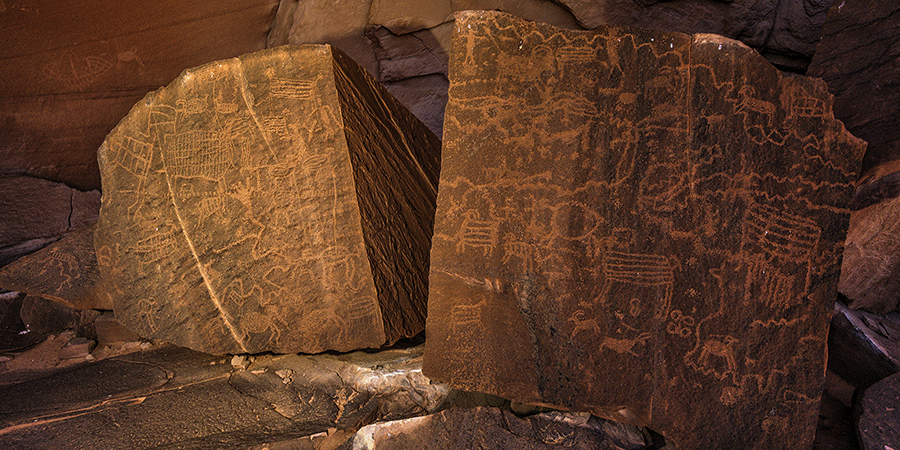
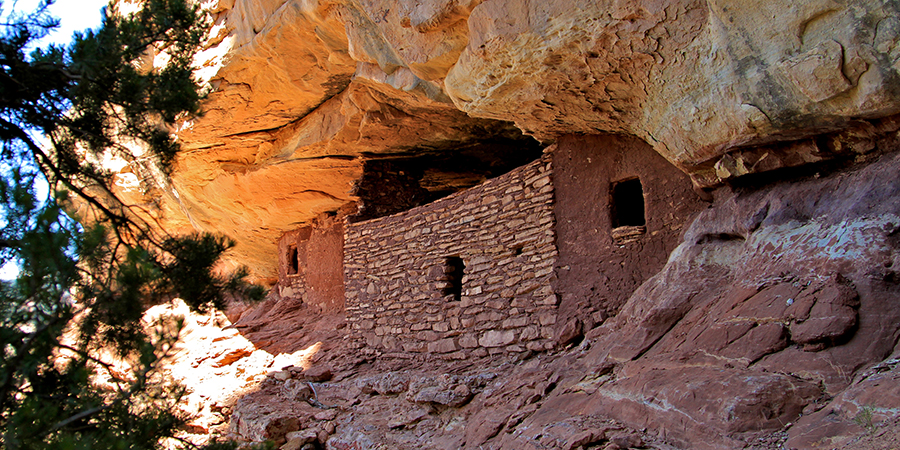
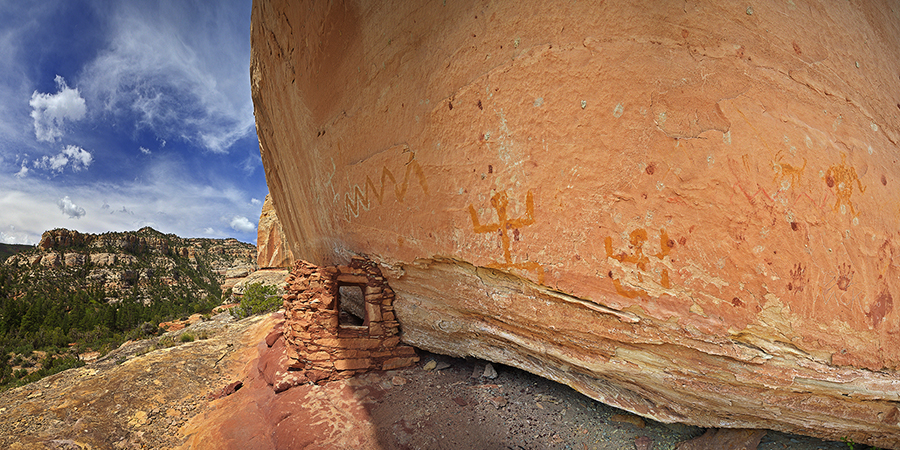
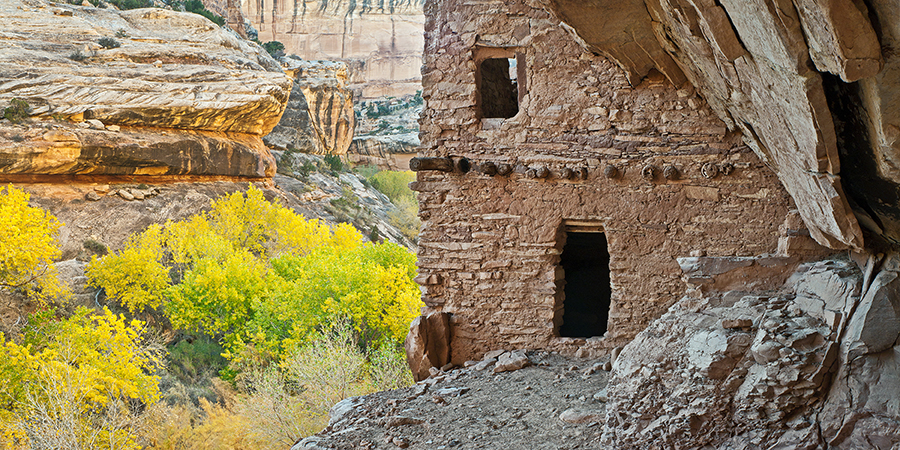
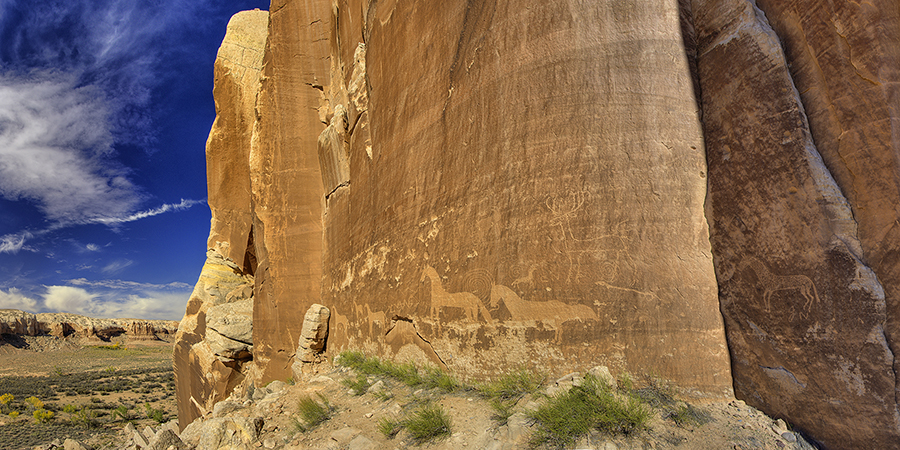
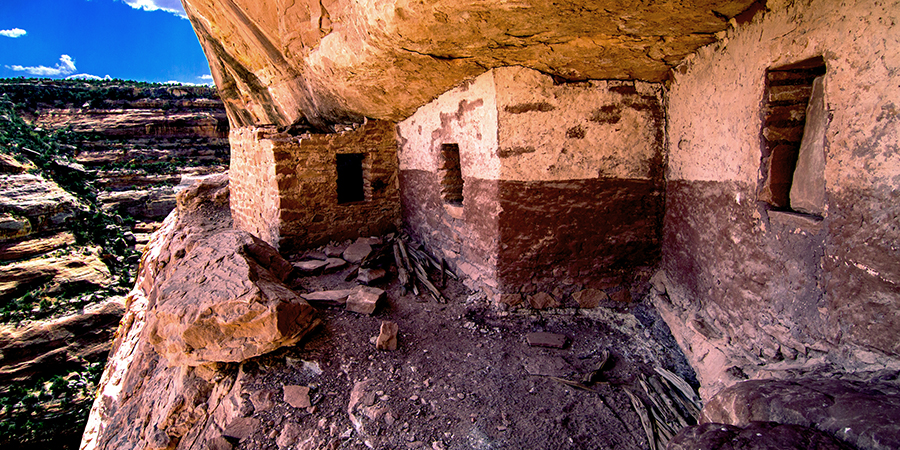
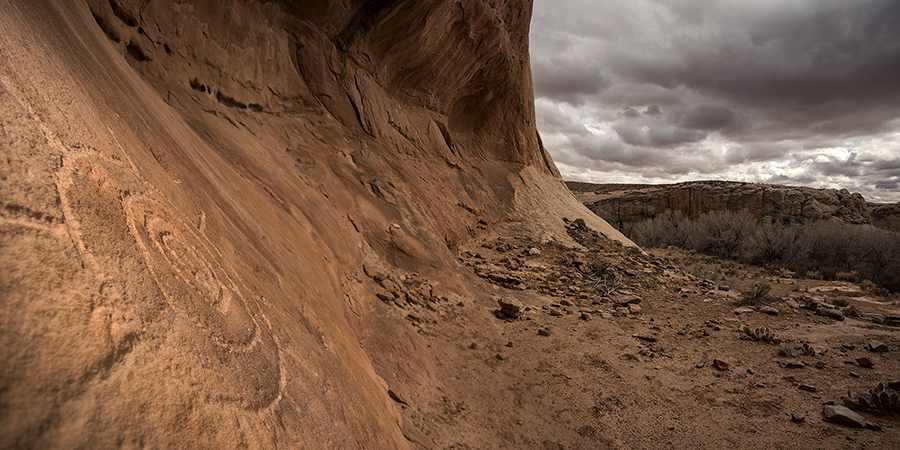
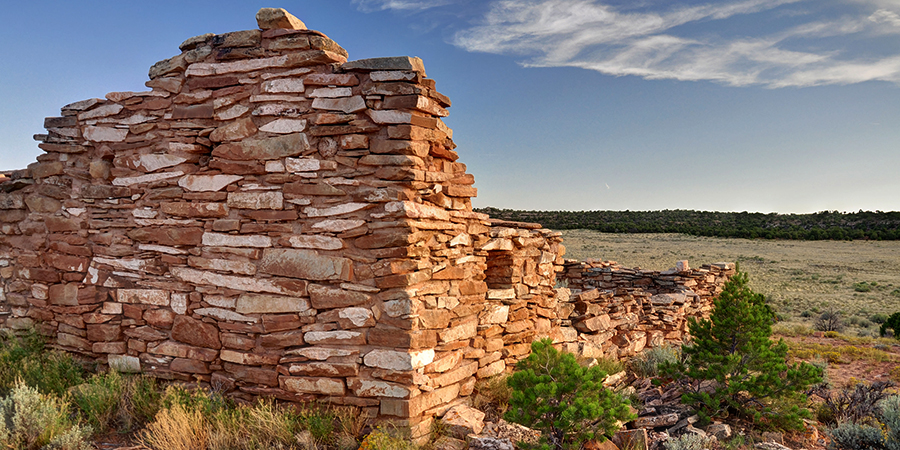
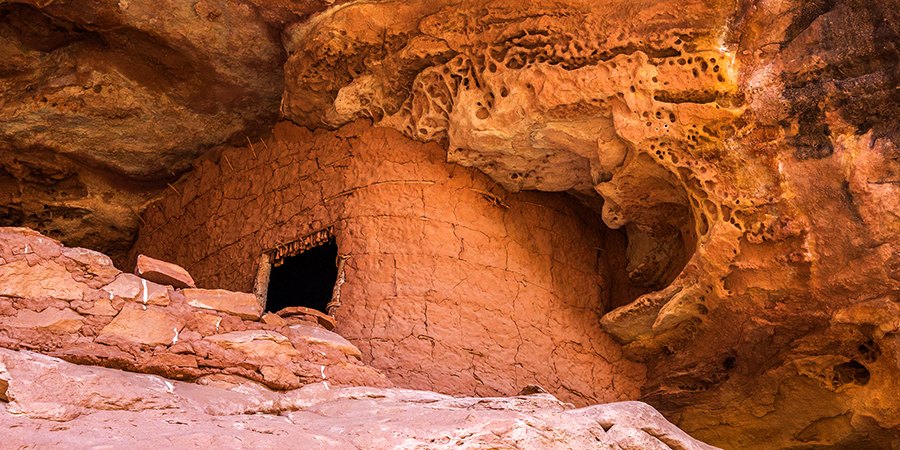
What was lost, and what’s at risk
All the places pictured here have lost the added protections that come with national monument status, though vandalizing or looting them is still illegal. But national monument protection means more than simply keeping people from damaging these places. It gives the cultural, historic, and natural resources that define these landscapes a higher priority when decisions are made about how the land is used.
The lands removed from the monument in July 2026 are now available for oil and gas leasing and new mining claims. These activities, along with increased off-roading, logging, and careless visitation, put added pressure on places that have endured for thousands of years.
Please help protect these irreplaceable national monuments. Contact your members of Congress and ask them to speak out against the illegal cuts to Bears Ears and Grand Staircase-Escalante national monuments.