
Grand Canyon wildfires burned across more than 200,000 acres in 2025. Now local communities are looking ahead at recovery and rebuilding on the North Rim.
Fires are common across Arizona, but the summer of 2025 proved to be one of the worst fire seasons on record for the Grand Canyon.
In July, lightning strikes ignited two major fires on the remote and heavily forested north rim of the Grand Canyon. The North Rim, though less visited than the South Rim, is famous for its high elevation, towering ponderosa pines, and awe-inspiring vistas. But by early July, little was visible through the smoke.
Two fires burn over 200,000 acres near the Grand Canyon
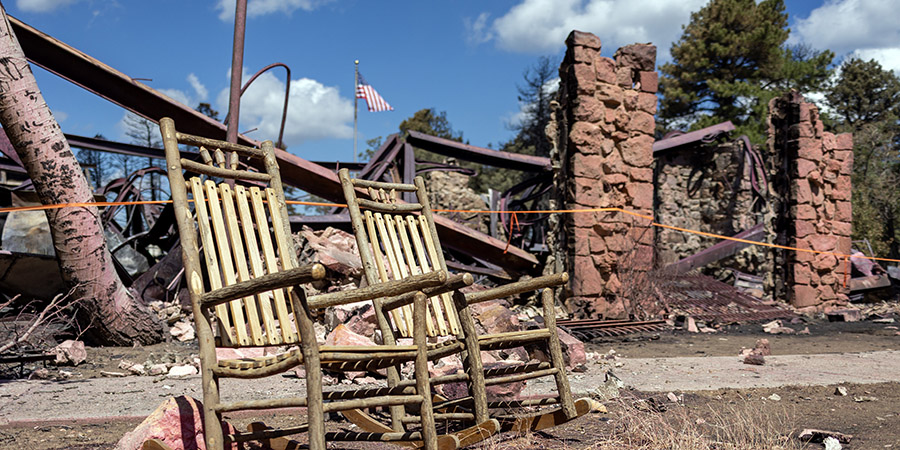
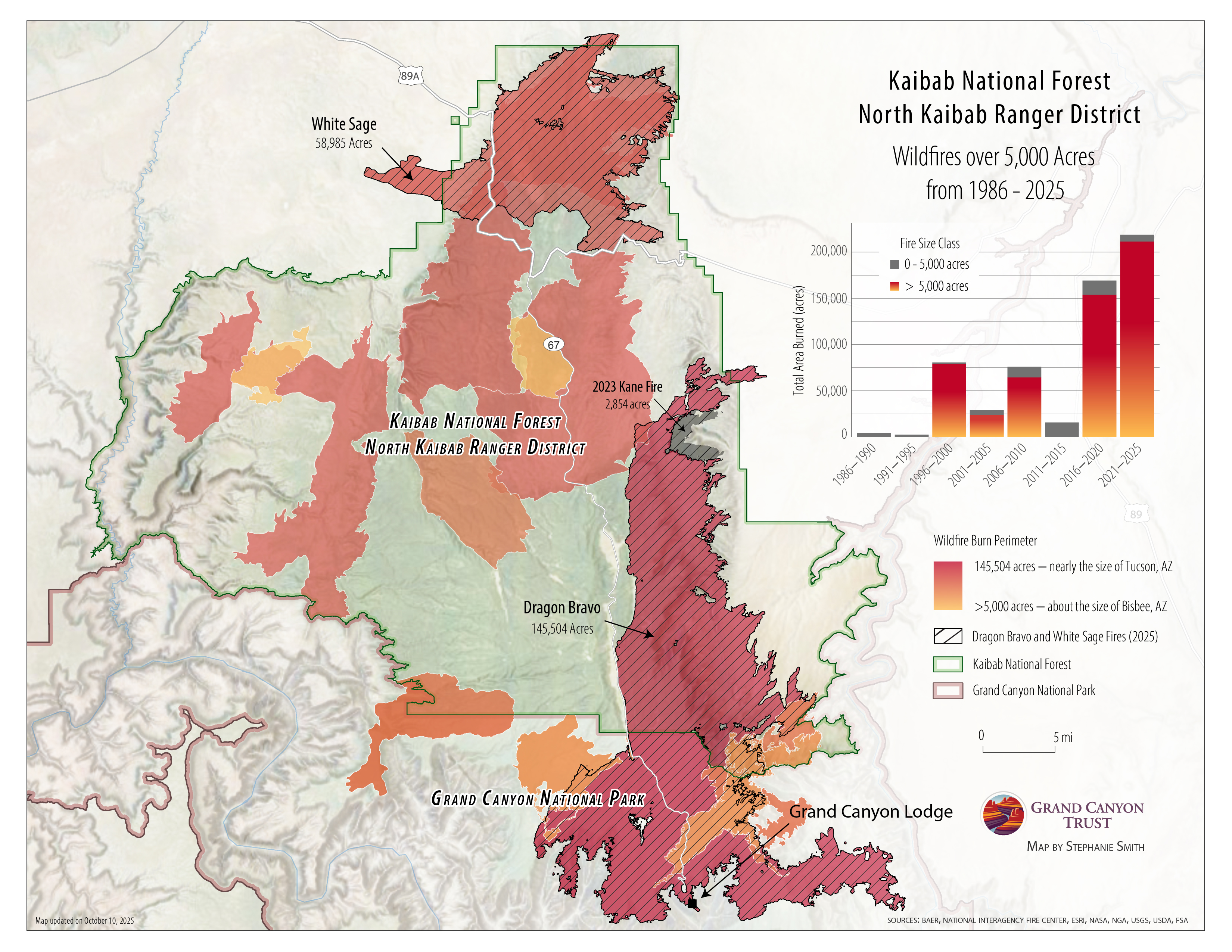
First came the Dragon Bravo Fire on July 4, 2025, and then the White Sage Fire on July 9, 2025. The White Sage Fire burned across nearly 59,000 acres northeast of Jacob Lake, Arizona, threatening ranching infrastructure and beloved destinations like the Jacob Lake Inn, famous for its giant cookies.
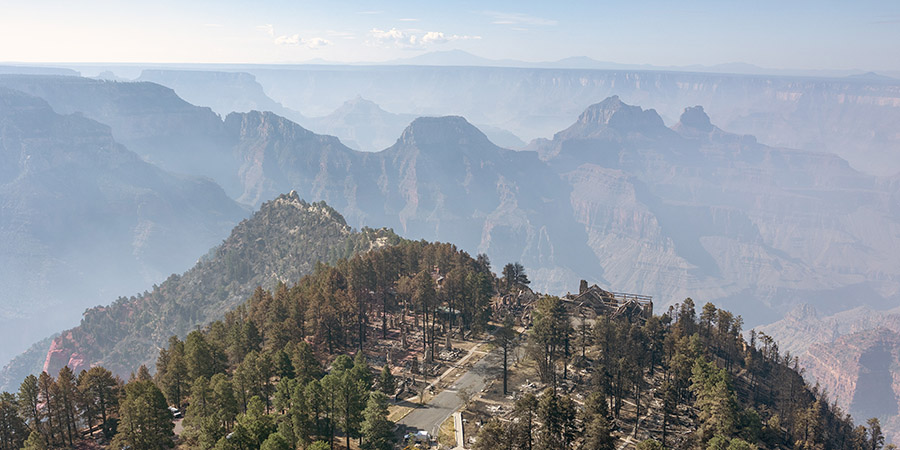
The Dragon Bravo Fire, named after the area of Grand Canyon National Park in which it started, destroyed 106 structures, including the historic Grand Canyon Lodge, and burned across 145,504 acres. The National Park Service quickly and safely evacuated over 500 people when conditions rapidly worsened.
Federal lands, including forest service and national park lands and sections of Baaj Nwaavjo I’tah Kukveni – Ancestral Footprints of the Grand Canyon National Monument, burned in the fires.
Bigger, more devastating fires
As the map below shows, much of this landscape has burned in recent decades. However, a history of stamping out natural fires almost as soon as they start, logging large, healthy trees that would be better able to survive fires, and overgrazing paired with an increasingly dry climate and high winds intensified by climate change are leading to bigger, more devastating fires.
How did the fires affect people, businesses, and trails?
The emotional toll of the Grand Canyon fires on local residents and employees and the Grand Canyon community at large was profound. The Dragon Bravo Fire caused a mass evacuation of national park staff to the South Rim.
It also closed the North Rim and several popular hiking trails inside the national park, like the North Kaibab Trail, which connects the north rim of the Grand Canyon to the Colorado River. The trail has become popular in recent years with “rim-to-rim” hikers traversing from one side of the canyon to the other, a journey almost as long as a marathon that involves more than 10,000 feet of elevation loss and gain. A portion of the lower North Kaibab Trail (from the Clear Creak Junction north of Phantom Ranch to Ribbon Falls) reopened to the public in March 2026. As of March 2026, the upper part of the trail remains closed.
The fire was also devastating for business owners. The Arizona Republic reported that, “Jacob Lake Inn had lost about $1M in revenue by late September,” according to manager Melinda Rich Marshall, “whose family has operated the rustic resort since 1923.”
Some ranchers in the area had to evacuate their homes and race to move their livestock to safety.
Infrastructure in Grand Canyon National Park was heavily impacted, including the North Rim’s wastewater treatment plant. Unfortunately, rebuilding plans have been hampered by the fall 2025 government shutdown and a lack of funding for ongoing disaster response.
How did the Grand Canyon fires affect wildlife and plants?
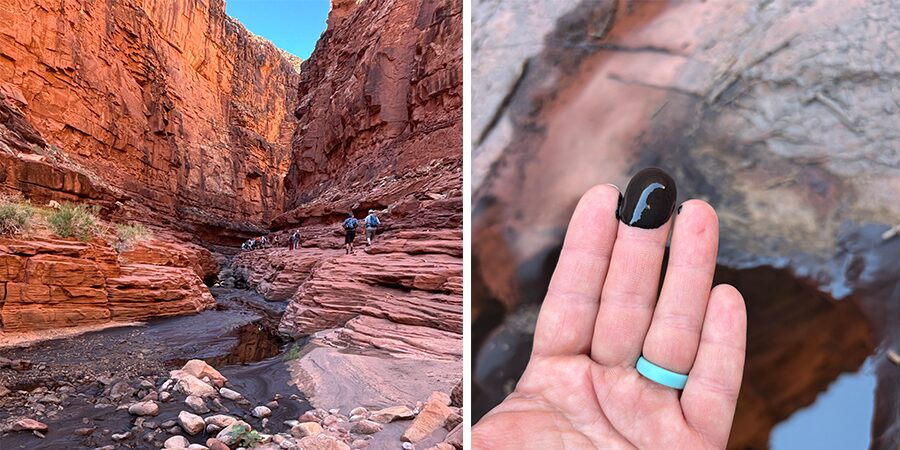
After the Dragon Bravo fire reached “megafire” status of 100,000 acres in early August 2025, late monsoon rains caused debris and blackened, ashy waters to flood into the Grand Canyon.
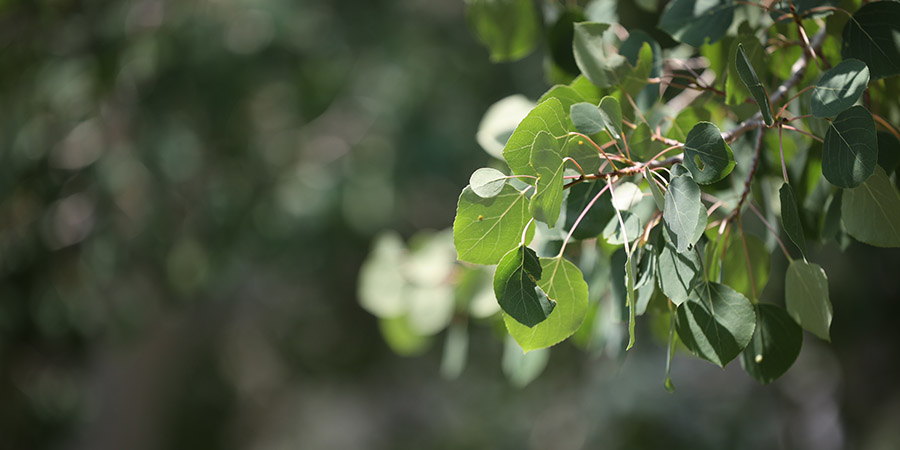
But visitors to the North Rim say the vegetation is already rebounding, with small aspens reaching waist-height in some areas within a few months of the fire.
Initial assessments by a federal Burned Area Emergency Response team showed most of the White Sage and Dragon Bravo fire areas burned at low severity, meaning at least some larger, healthier trees are likely to have survived.
In January 2026, the National Park Service reported another piece of good news. After ash-laden debris flowed down tributaries like Angel Springs, Roaring Springs, and Bright Angel Creek above Transept Creek in the Grand Canyon, scientists found no invasive trout in them, indicating that the debris flows created conditions favorable to native fish, like the humpback chub.
Recovery, rebuilding, and preparing for the next fire season
The Grand Canyon Trust knows from our 40 years of experience on the Colorado Plateau that you can protect old-growth, fire-resilient trees, plant native, locally appropriate seeds, and strategically remove hazardous trees (trees that are at risk of falling and causing damage).
We believe it’s necessary and right to work collaboratively with local community leaders and businesses, tribes, and federal agencies to develop a plan. Together, we need to reduce hazards left behind by the fire, like burned trees that could fall on roads, and reduce the risk of long-term catastrophic fires by making forests healthier, and we need to do all this in ways that support rural economies.
We’re energized to be working with the U.S. Forest Service, National Park Service, and other stakeholders to help restore and rebuild the North Rim and look forward to sharing more about that body of collaborative work in months to come.
Starting in 2026, the Trust will also begin a multi-year volunteer effort on the North Rim working with the forest service and the national park to do important work like reseeding native plants, restoring springs, and controlling erosion. Please sign up for our volunteer newsletter to learn about volunteer opportunities to help the North Rim in 2026 and beyond.
The road to recovery will be long and costly. If you are interested in supporting the recovery and rebuilding work, you can make a donation to the Grand Canyon Conservancy’s recovery fund.