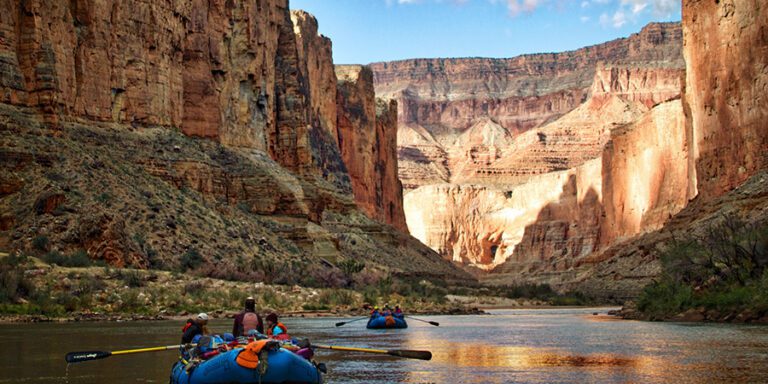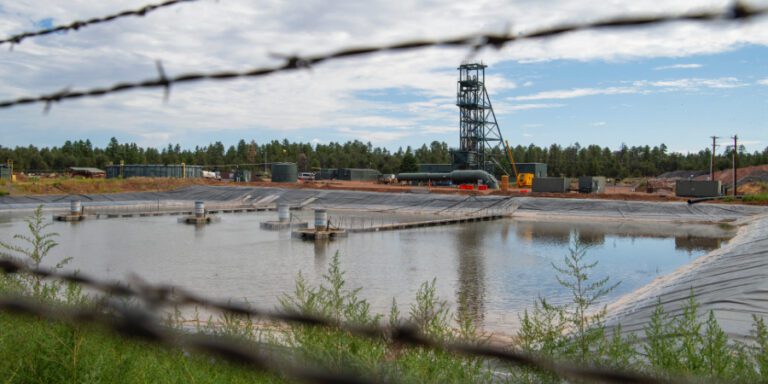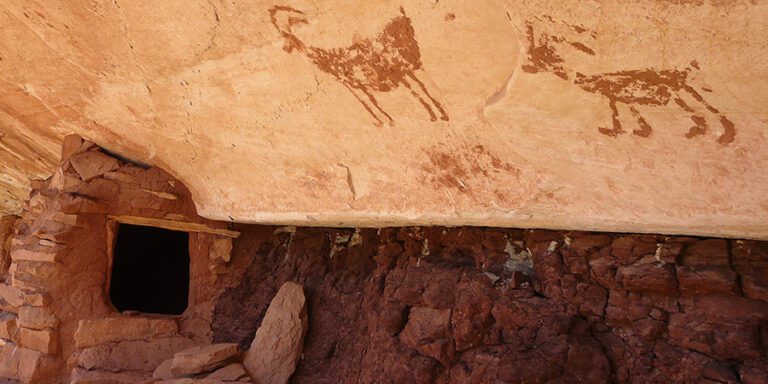
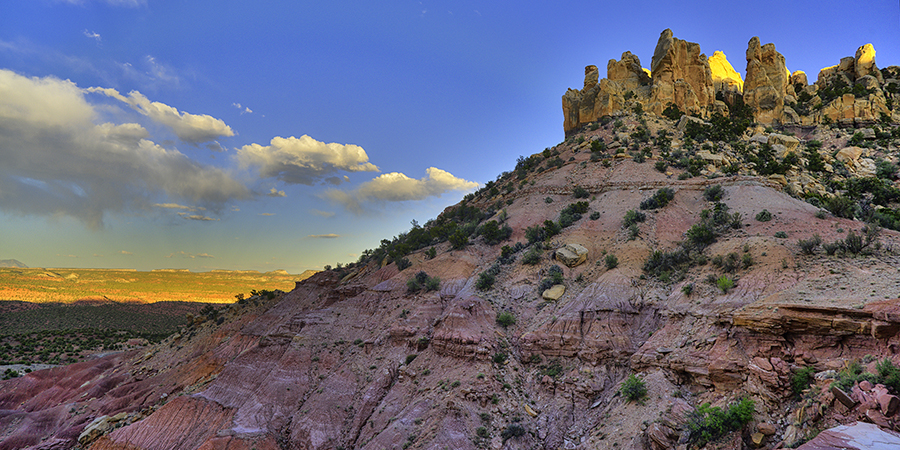

Seven photos offer just a glimpse of the many geologic wonders in Grand Staircase-Escalante now without federal protections.
Grand Staircase-Escalante is a place of superlatives. Within its canyons, mesas, and plateaus, scientists have documented over 660 species of native bees, along with more than two dozen species of dinosaurs previously unknown to science. It is also an ancestral homeland, holding medicines, waters, wildlife, and living history. As Davina Smith Idjesa, Navajo Nation representative to the Grand Staircase-Escalante Inter-Tribal Coalition, said, “Our connection to this place cannot be erased by the stroke of a pen.”
Yet on July 13, 2026, the administration cut the monument by 91%, removing countless cultural places, unique geology, and breathtaking geologic wonders. The order described some of what was removed as “sufficiently common to not warrant protection.”
Take a look at some of those supposedly “sufficiently common” places. Do they look common to you?
Grosvenor Arch
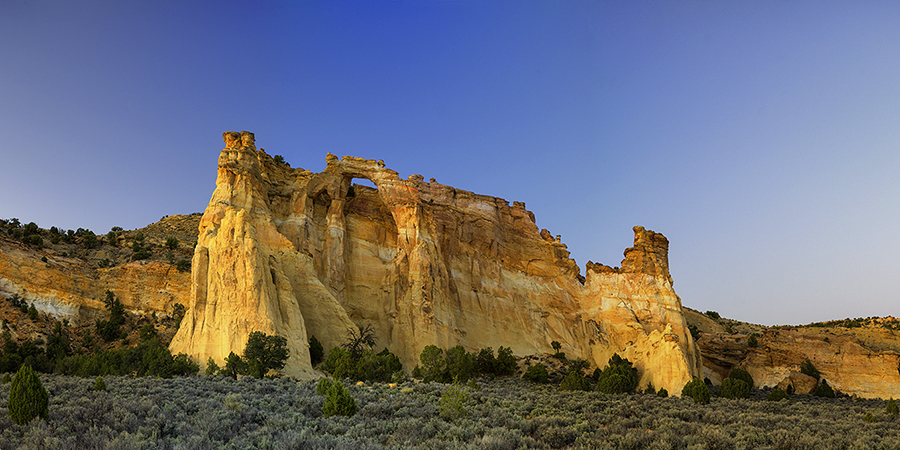
Grosvenor Arch is one of the largest in the region, and it is now outside the area protected by monument designation.
Utah’s tourism site says Grosvenor Arch “will impress anyone,” describing it as “a castle from a children’s cartoon.” It continues, “You’ll have to pick your jaw up off the ground after you lay eyes on the arch for the first time,” using the word “unique” no less than four times in its description.
Circle Cliffs
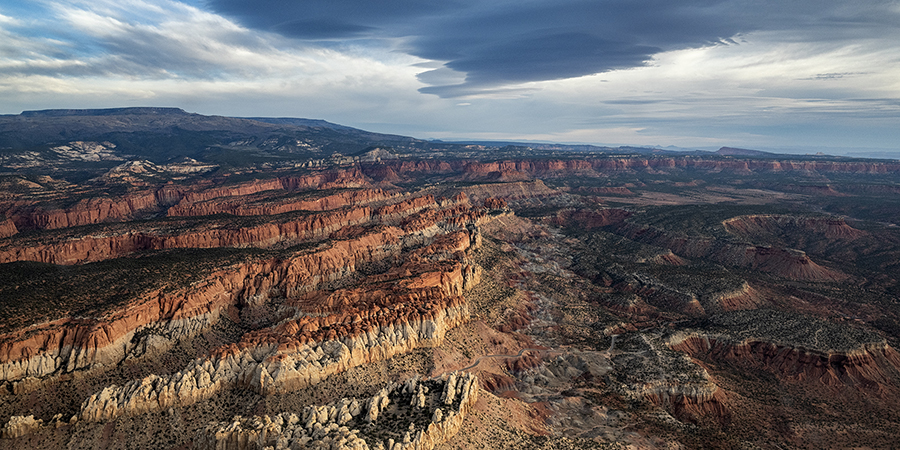
Excluded from the monument, the arcing Circle Cliffs are home to distinctive cultural places that blend attributes of Ancestral Puebloan and Fremont cultures. Petrified wood, with logs over 100 feet long, and numerous fossils have also been found in the area, including a nearly complete skeleton of a Poposaurus — a rare bipedal crocodilian from the Late Triassic Period.
Geologic steps of the “Grand Staircase”
The Paria River winds through the lower right of the frame, while the colorful geologic layers to its left, including the Vermillion, White, Gray, and Pink cliffs, were mostly excised from the monument.
Beyond these cliffs, Powell Point rises above the the Dixie National Forest. Farther still, another step of the Grand Staircase rises to the Aquarius Plateau, which reaches more than 11,000 feet in elevation.
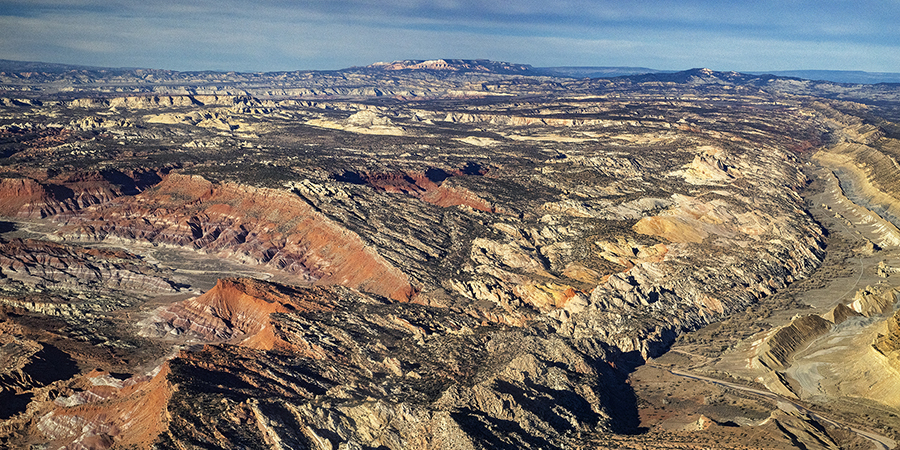
The Cockscomb
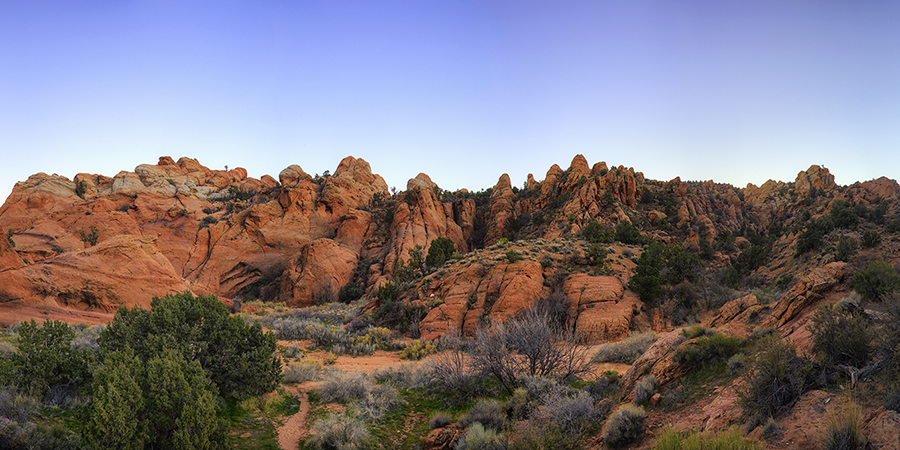
The Cockscomb is a colorful section of the 149-mile-long East Kaibab Monocline, a geologic feature that runs from from Henrieville, Utah through the Grand Canyon and ends near Flagstaff, Arizona. It was named for its resemblance to a rooster’s comb. Although part of the Cockscomb remained within the 2017 reduction, the entire feature is now excluded.
Near where the Paria River cuts through the Cockcomb, not far from where this photo was taken, an old movie and television set once stood. “Gunsmoke” and “The Outlaw Josey Wales” were filmed there.
Mollie’s Nipple
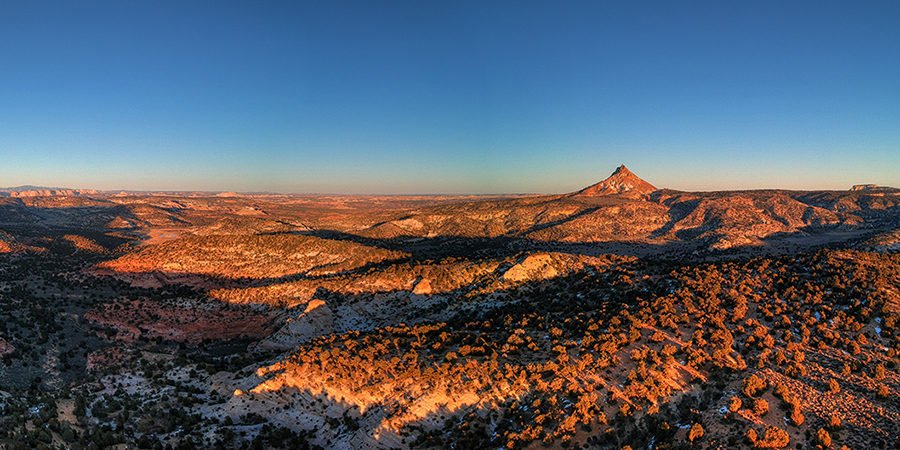
Rising between the Vermillion and White cliffs, Mollie’s Nipple (aka Nipple Butte) stands above the surrounding mesas and canyons. The butte is unique, but its name is not. Utah has between seven and 11 geologic features named Mollie’s Nipple.
So who was Mollie? At least some of these features were named by homesteader John Kitchen for his wife. The Kitchens’ homestead, visible in the lower left, remains as private land surrounded by areas cut from the monument.
Colt Mesa
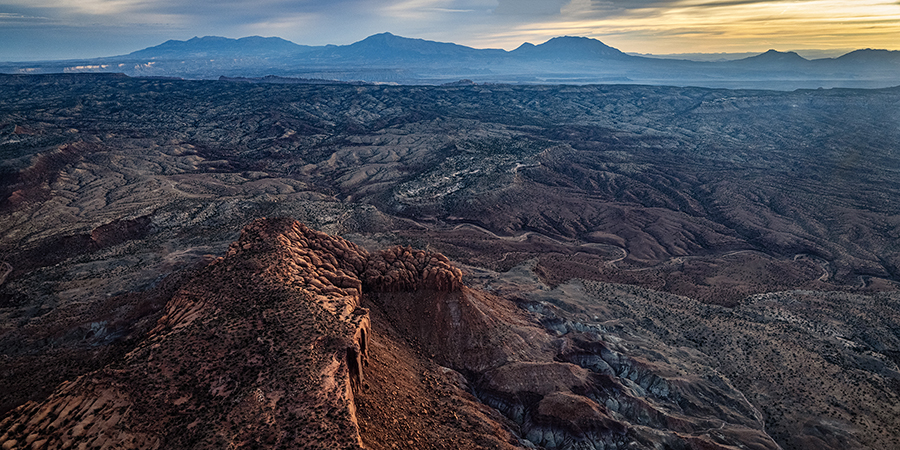
Colt Mesa, in the center of this photo, has been cut from the monument twice. It is also the site of an abandoned copper and cobalt mine that operated briefly in the early 1970s.
When the monument was first downsized, new mining claims were filed here. A since-dissolved Canadian company later sought investors to reopen the mine, but the effort failed due to scarce water, a lack of electricity, flood-prone access roads, and the site’s distance from ore-processing facilities.
After the Canadian company abandoned its claims, new claims were filed days before protections were restored in 2021. We’ll be watching this location closely.
Smoky Mountain and the Kaiparowits Plateau
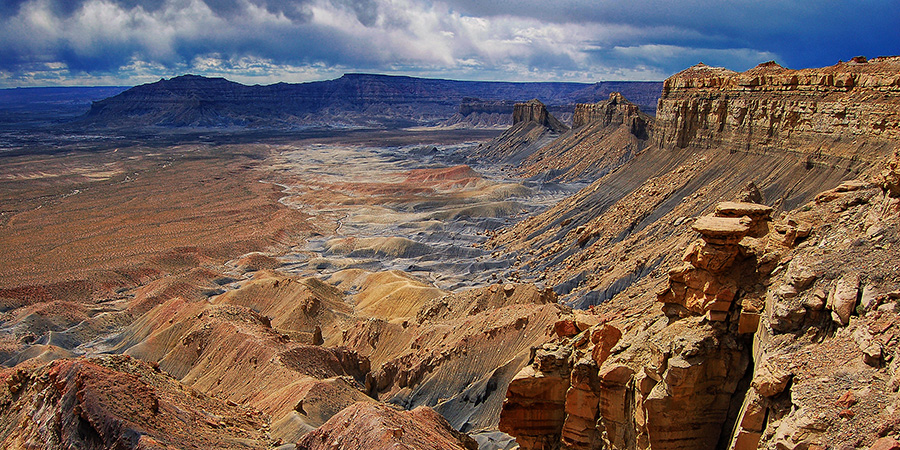
The mesa on the left is Smoky Mountain, named for smoke venting from underground coal fires ignited by lightning that may have been burning for thousands of years. The mesa in the background is the Kaiparowits Plateau. This area is near the site of a massive coal mine proposed in the 1990s but never built. The mine would have shipped coal to Asia. After the original monument was created in 1996, American taxpayers bought out the coal leases held by Dutch mining conglomerate Andalex.
Today, the coal market is in decline, but the removal of monument protections could once again make mining possible here.
Speak up for Grand Staircase-Escalante
The places pictured here are no longer part of the monument, but they remain national public lands. What changed is their level of protection. Lands removed from the monument are now open to new mining claims and coal, oil, and gas leasing. They may also face increased off-road vehicle use, clearcutting of forests, and even more livestock grazing.
Please take action in defend Grand Staircase-Escalante. Tell your members of Congress that you oppose the cuts to Grand Staircase-Escalante and Bears Ears, and that you want them to speak out in their defense today.