This is a popup dialog that overlays the main content of the page. The popup includes a search form to help you find the information you are seeking. Pressing the close button or using the escape key will close the popup.
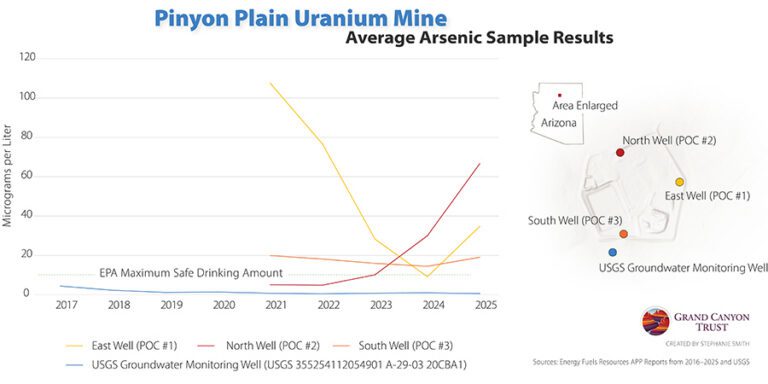
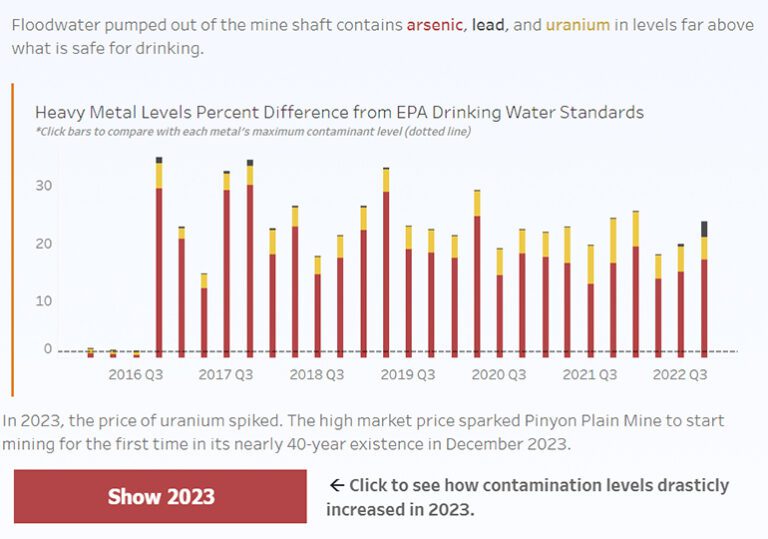
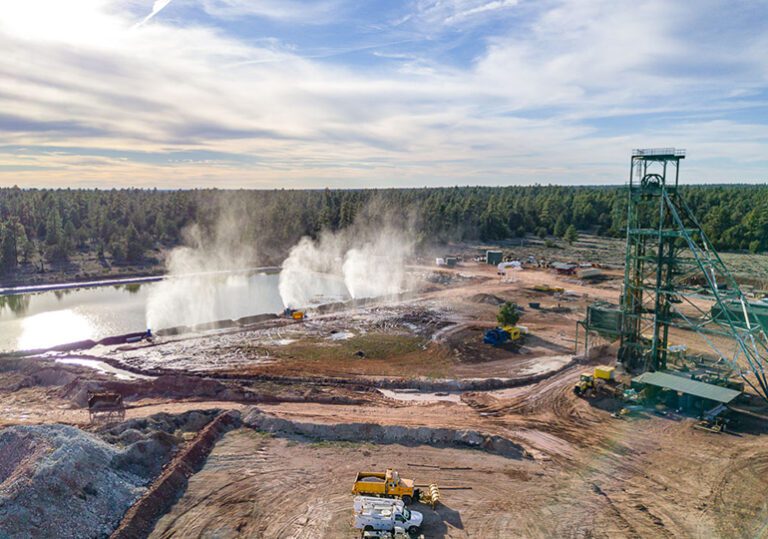
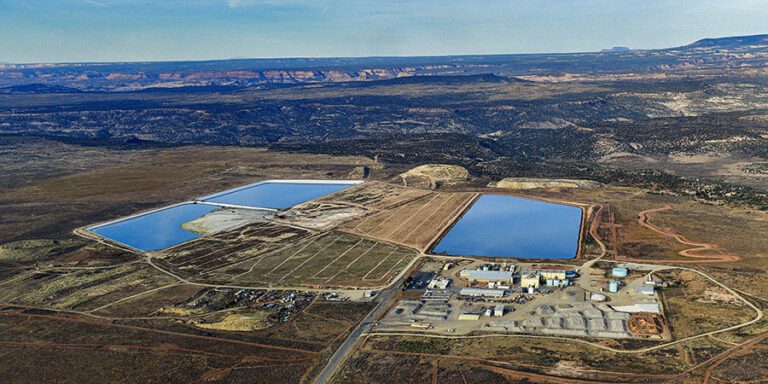
Rising arsenic levels in monitoring wells at Pinyon Plain uranium mine raise concerns about possible contamination of groundwater in the Grand Canyon region.
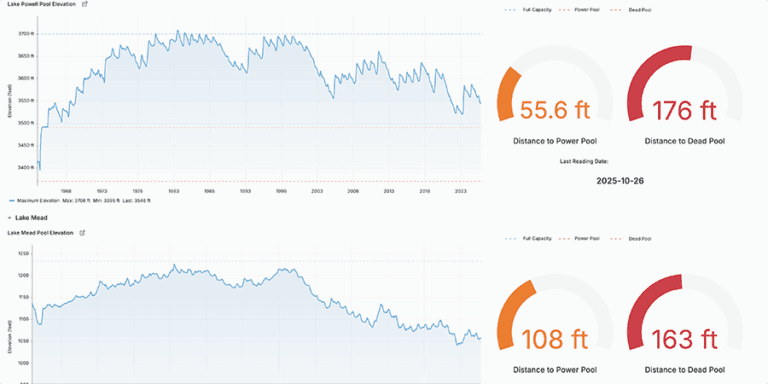
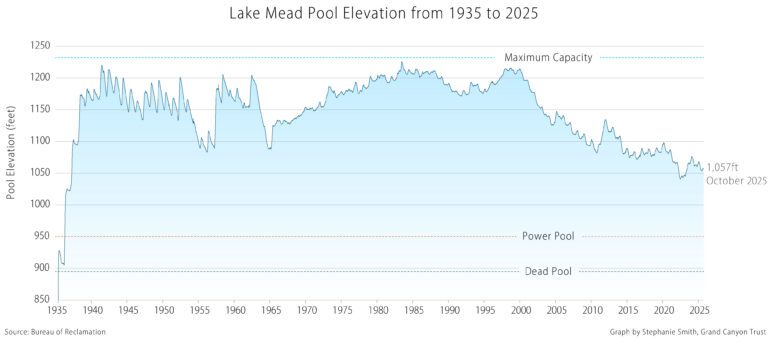
Read the Trust’s comments on the Bureau of Reclamation’s proposed guidelines and management strategies for the coordinated operations of Lake Powell and Lake Mead.
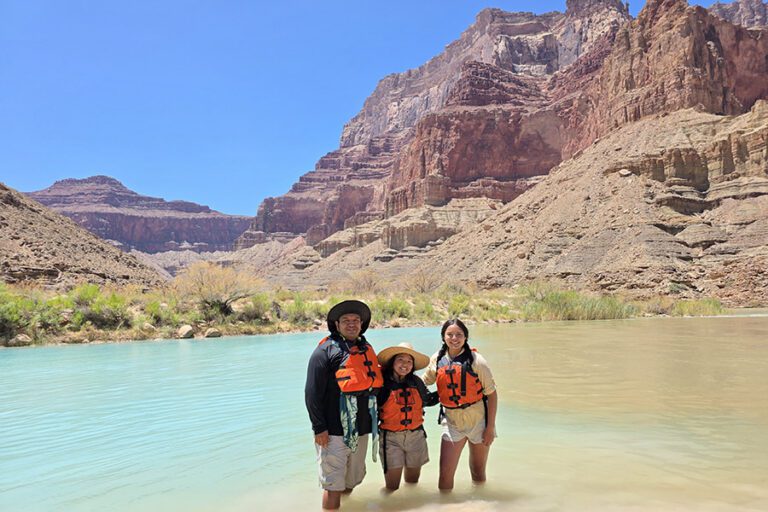
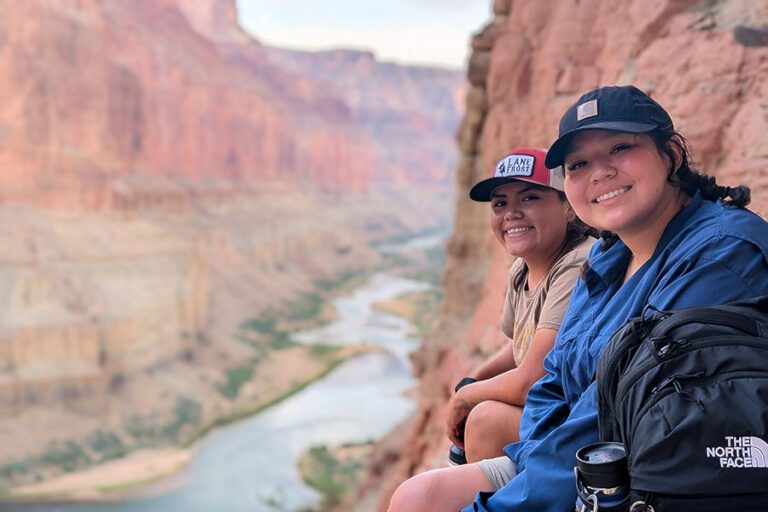
The 5th annual Grand Canyon Regional Intertribal Intergenerational Stewardship Expedition (RIISE) is accepting applications from Native youth ages 16-20 who identify as members of one of the associated Native American tribes of the Grand Canyon.
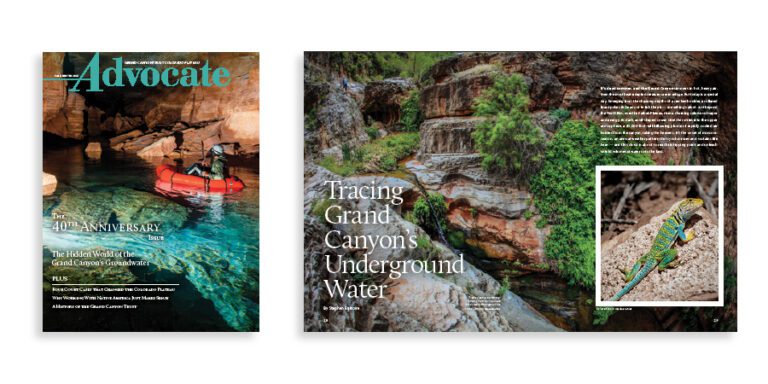
The fall 2025 edition of the Grand Canyon Trust’s Colorado Plateau Advocate magazine, including a deep dive into the Grand Canyon’s ancient groundwater.
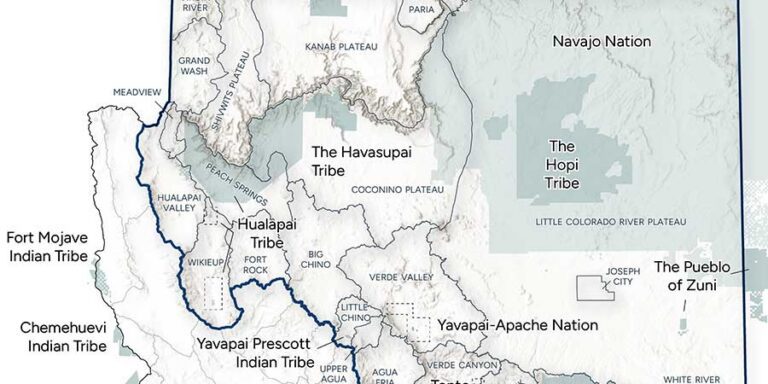
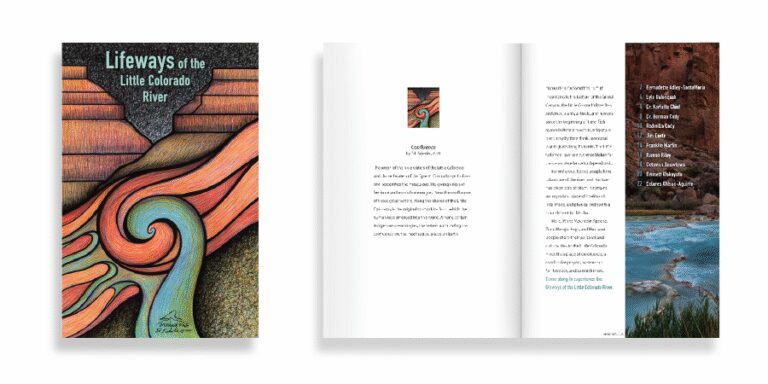
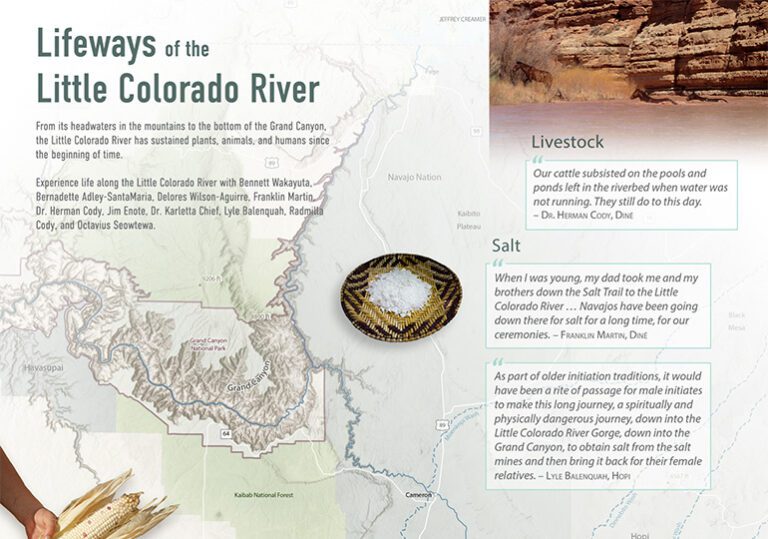
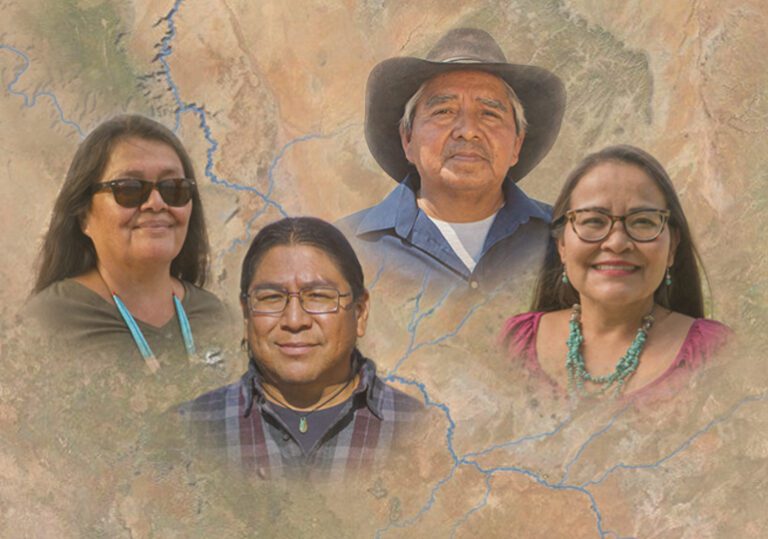
Native voices — sheepherders, scientists, educators, farmers, artists, and activists — share their personal and cultural connections to the Little Colorado River, from its headwaters to the Grand Canyon
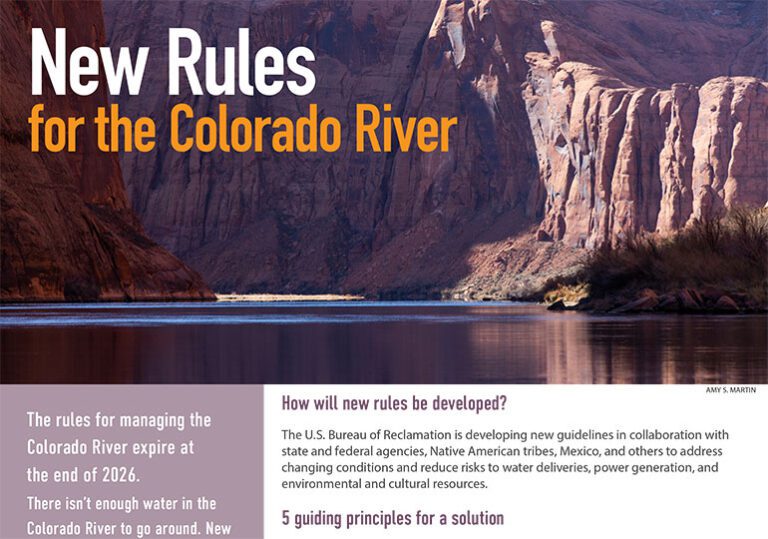
The rules for managing the Colorado River expire at the end of 2026. There isn’t enough water in the Colorado River to go around. Learn more and download the fact sheet.
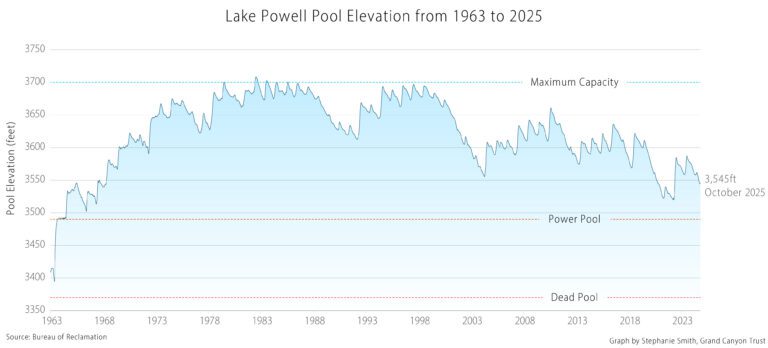
Climate change and rising demand for water across the thirsty West are shrinking Lake Powell. It’s time to address the dam’s design flaws. Read the fact sheet.
The Grand Canyon Regional Intertribal Intergenerational Stewardship Expedition (RIISE) is accepting applications from young people ages 16-20 who identify as members of one of the associated Native American tribes of the Grand Canyon.
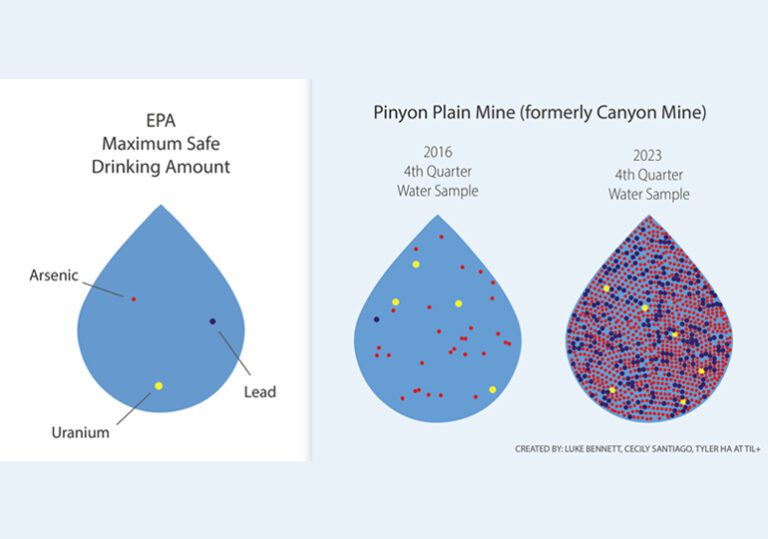
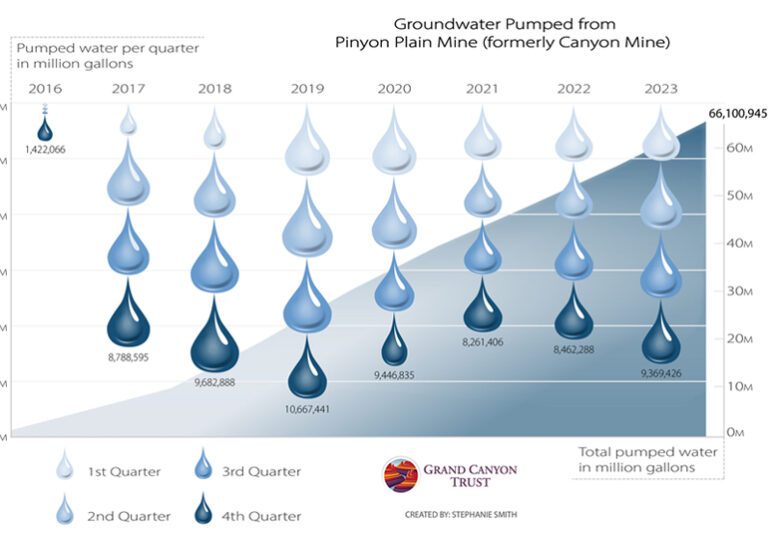
Scientists developed this dashboard to help explain mine shaft flooding at Canyon uranium mine and heavy metal levels in water pumped out of the mine shaft.
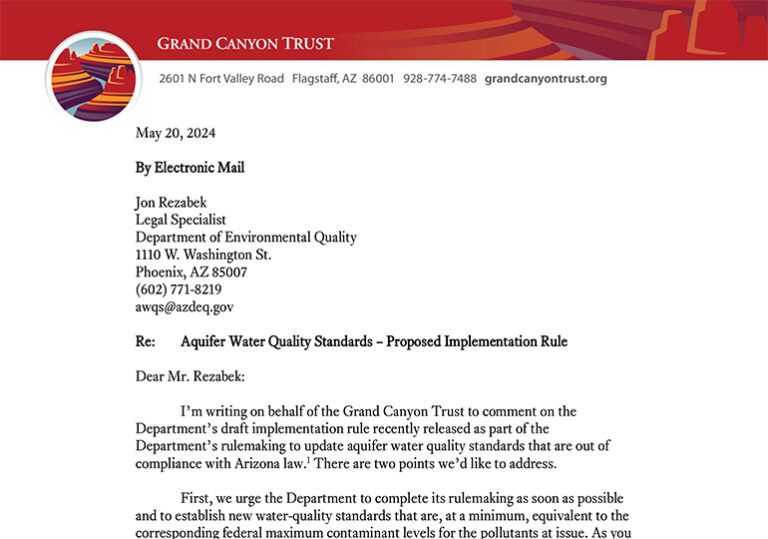
On May 20, 2024, the Grand Canyon Trust submitted comments on the Arizona Department of Environmental Quality’s proposed rulemaking to update aquifer water-quality standards that are out of compliance with Arizona law.