Resource Issue: Grazing
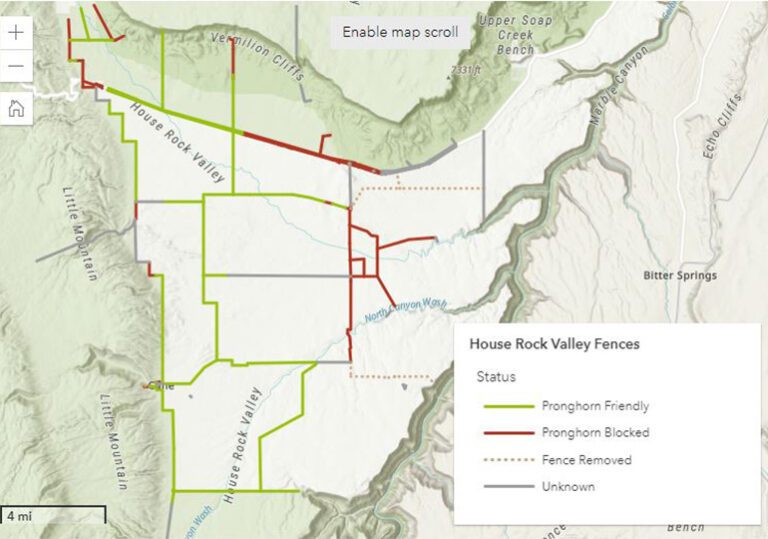
This interactive map shows Trust volunteers’ progress replacing barbed wire fences in northern Arizona to help pronghorn move across the landscape.
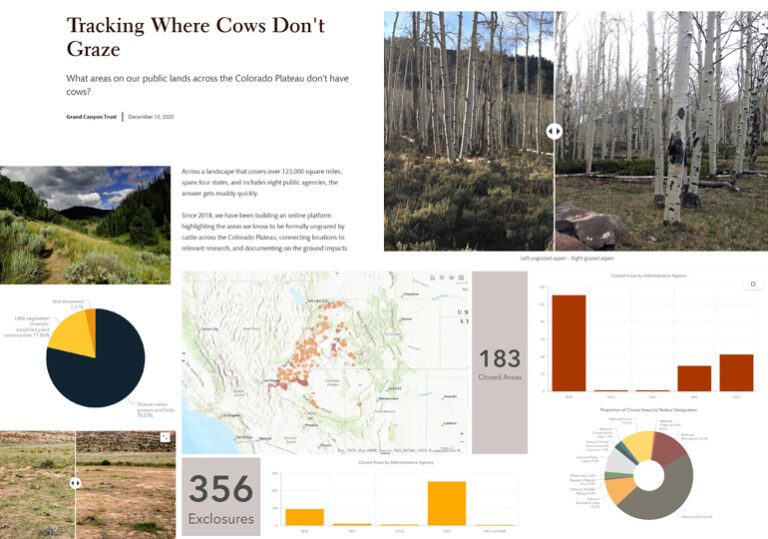
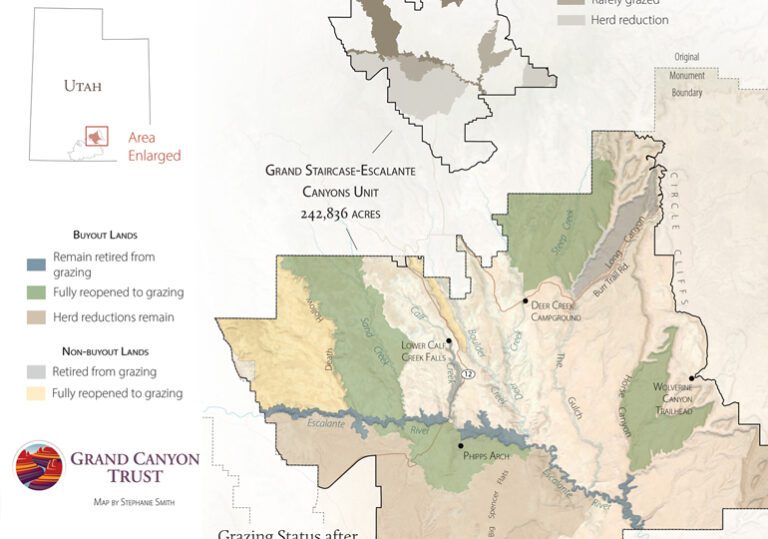
Find out what areas on our public lands across the Colorado Plateau don’t have cows.
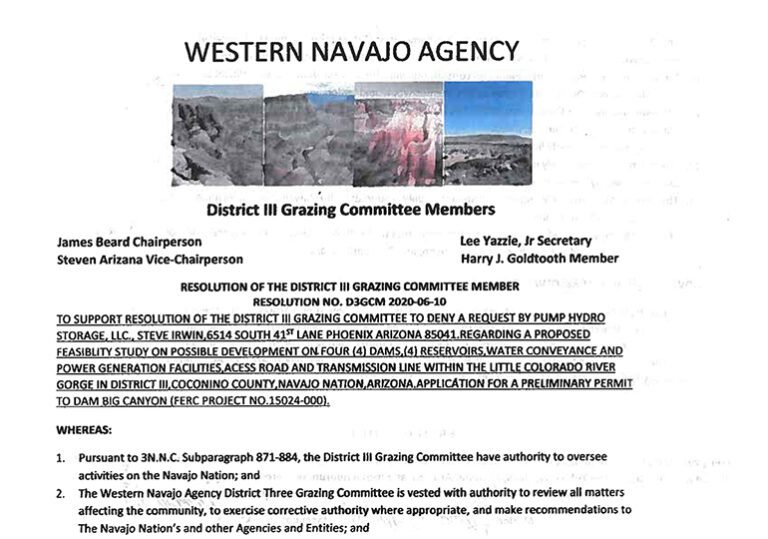
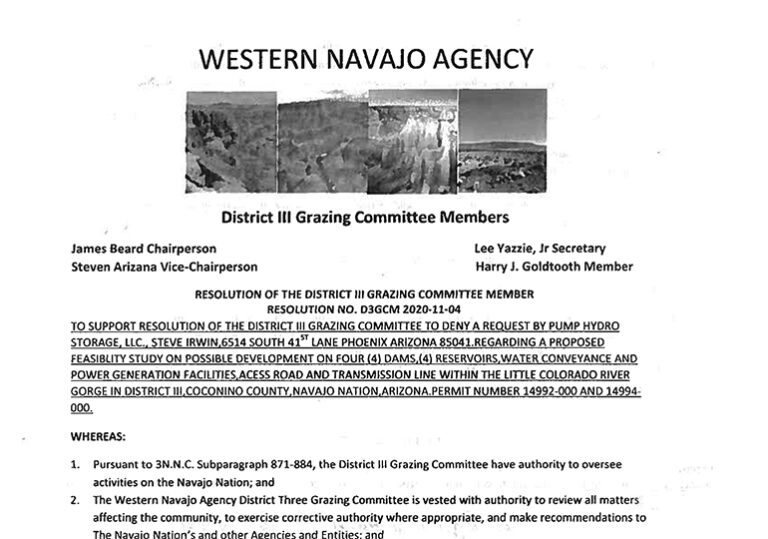
The District III Grazing Committee of the Navajo Nation passed a resolution against the Big Canyon Pumped Storage Project near the Little Colorado River.
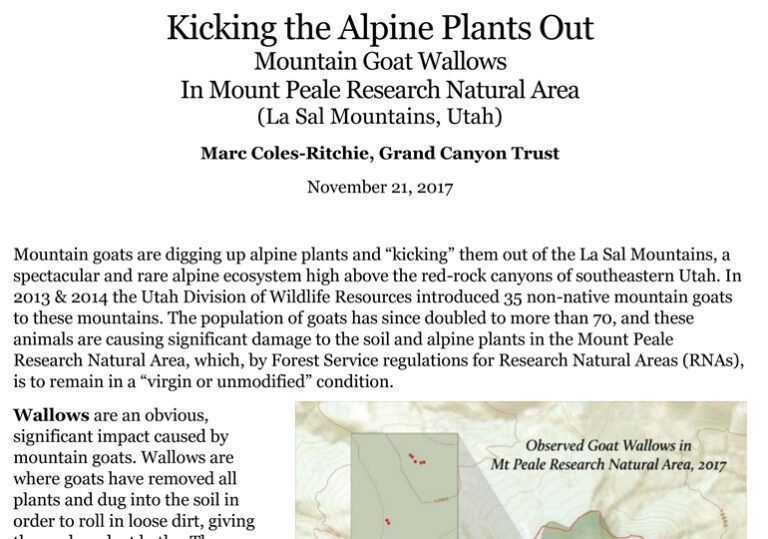
Read our report on the impacts of introduced mountain goats in the La Sal Mountain alpine area.
A new management plan for Grand Staircase-Escalante National Monument reopens lands closed to grazing since a 1999 buyout.
FOR IMMEDIATE RELEASE FLAGSTAFF, AZ — The Grand Canyon Trust opposes the Trump administration’s decision to unravel a complex grazing-privilege buyout the Trust helped broker two decades ago to protect the Escalante River canyons in Grand Staircase-Escalante National Monument from much of the damage wrought by cattle grazing. Owing to this free-market arrangement made in […]
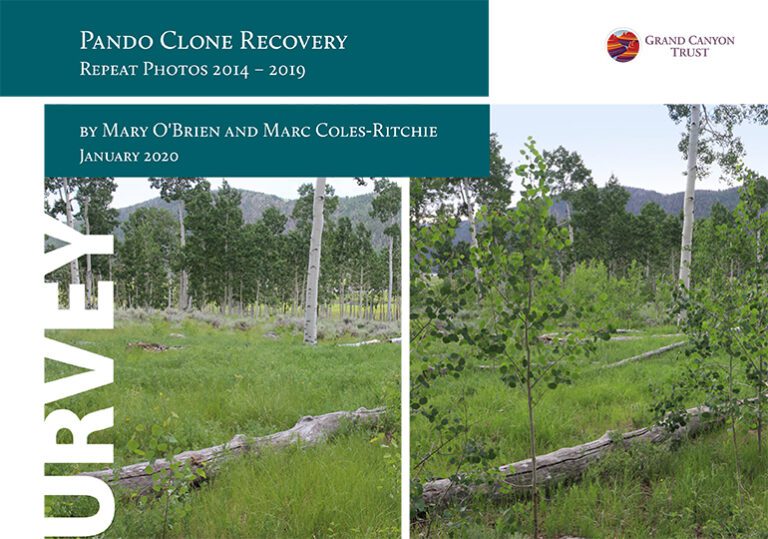
Photos document the growth and recovery of aspen stems in the Pando Clone, in central Utah.
On December 5, 2019, the District III Grazing Committee of the Navajo Nation passed a resolution agains the two proposed hydroelectric projects in the Little Colorado River Gorge.
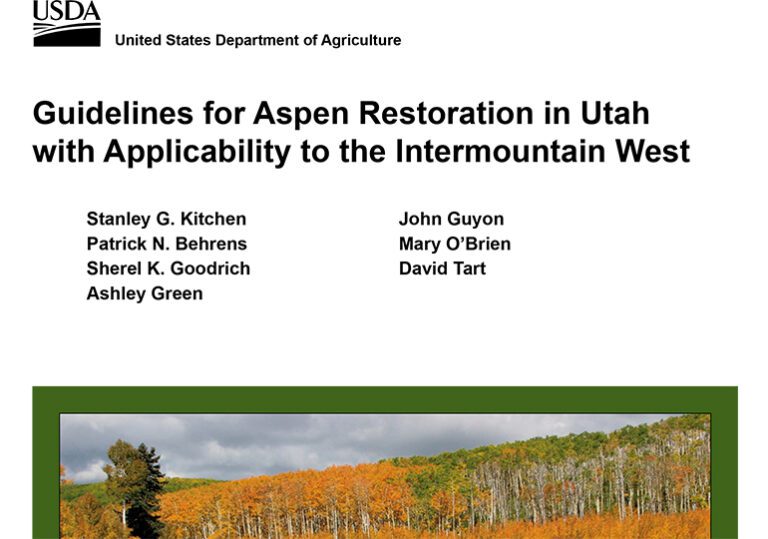
These guidelines for aspen restoration in Utah provide a road map for land managers working to improve the health of our national forests.
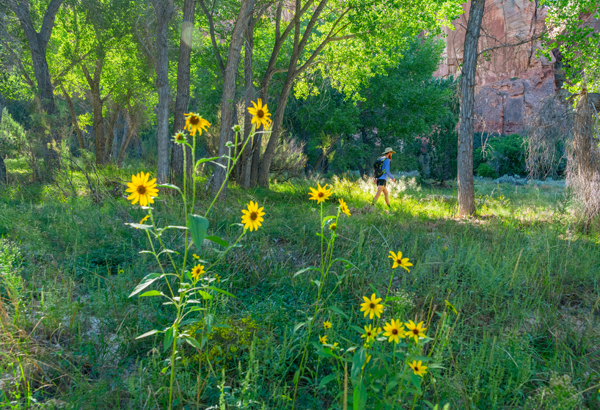
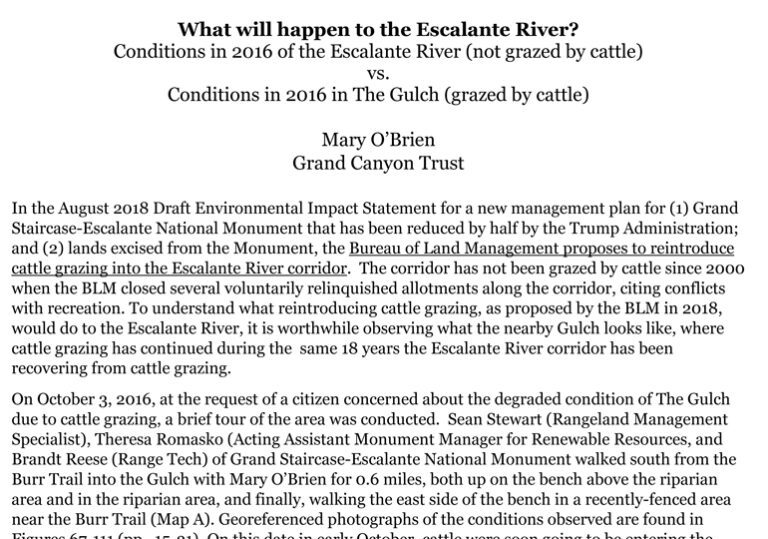
A report by the Grand Canyon Trust’s Utah Forests Program compares conditions of the Escalante River, which is not grazed by cattle, to The Gulch, which is.
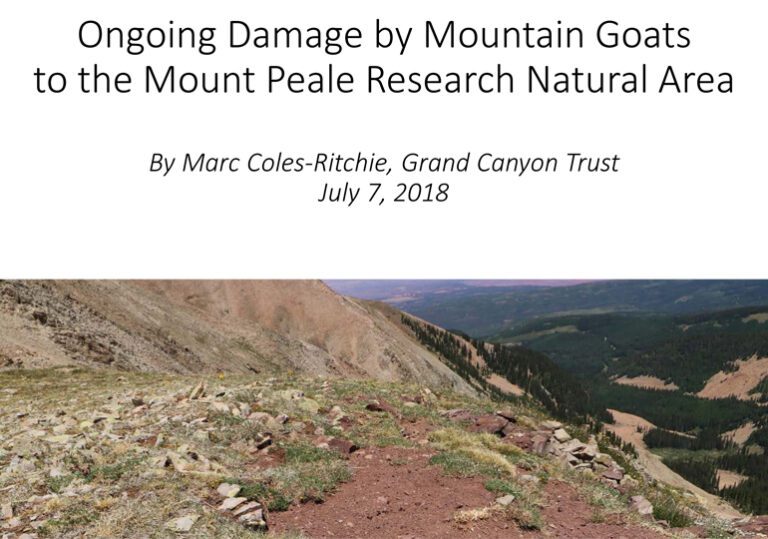
This report documents ongoing damage caused by exotic mountain goats in the Mount Peale Research Natural Area in Utah’s La Sal Mountains.
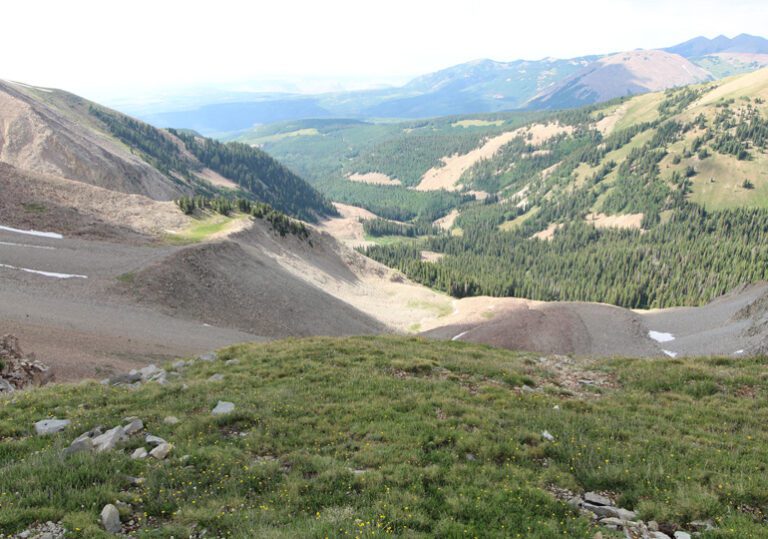
Exotic mountain goats helicoptered into Utah’s La Sal Mountains are damaging fragile alpine plants in the precious Mount Peale Research Natural Area.
Mountain goats are digging up alpine plants and “kicking” them out of the La Sal Mountains.
This field report is an assessment of 11 springs in the La Sal Moutains. The assessments were conducted August 9-11, 2016.
Download this comprehensive guide of exotic grasses found on southern Utah public lands.
Read the opening brief regarding mountain goats in the La Sal Mountains of southern Utah.
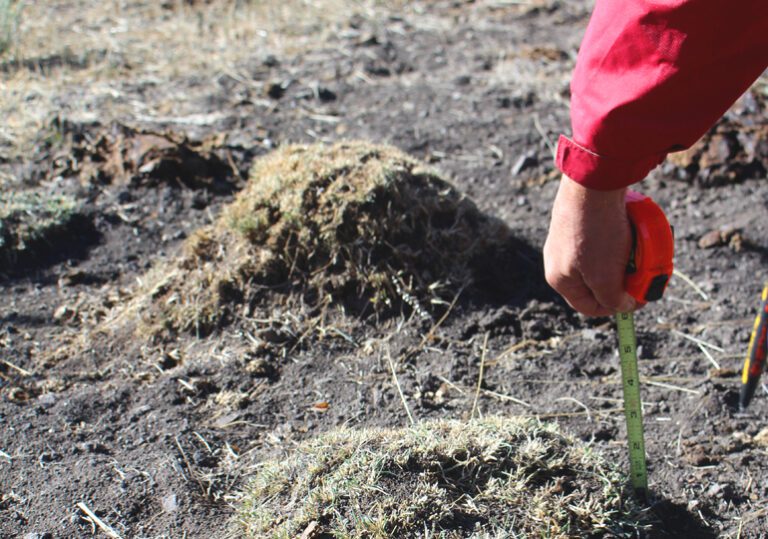
What is biological soil crust? Why is it important? How is it destroyed? Learn about soil community recovery in southern Utah.
Learn about the Kane and Two Mile ranches reasearch and stewardship partnership and track the five-year progress.
Learn about best practices when photographing livestock damage in the field.
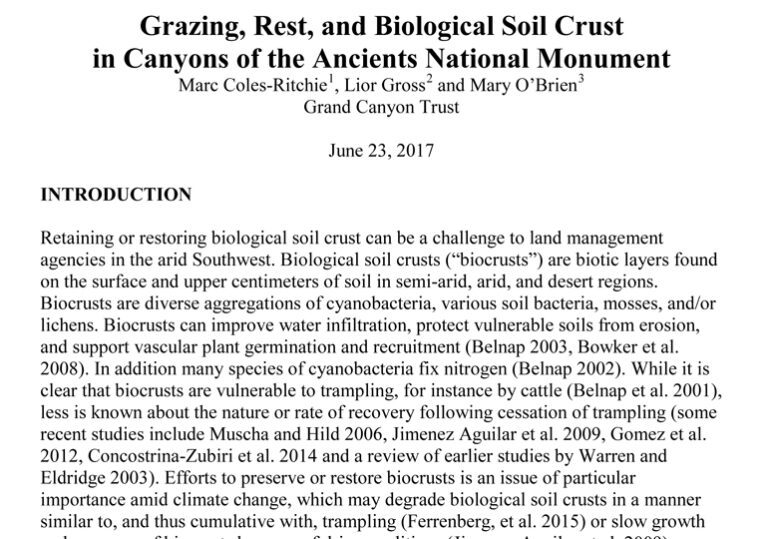
Read this report outlining why biological soil crusts are important, how grazing affects biocrust, and what efforts can be made to restore biocrust in Canyons of the Ancients National Monument.
Leanr about the species living in Johnson Lakes Canyon in southern Utah.
Learn how you can help improve grazing practices on the Colorado Plateau.
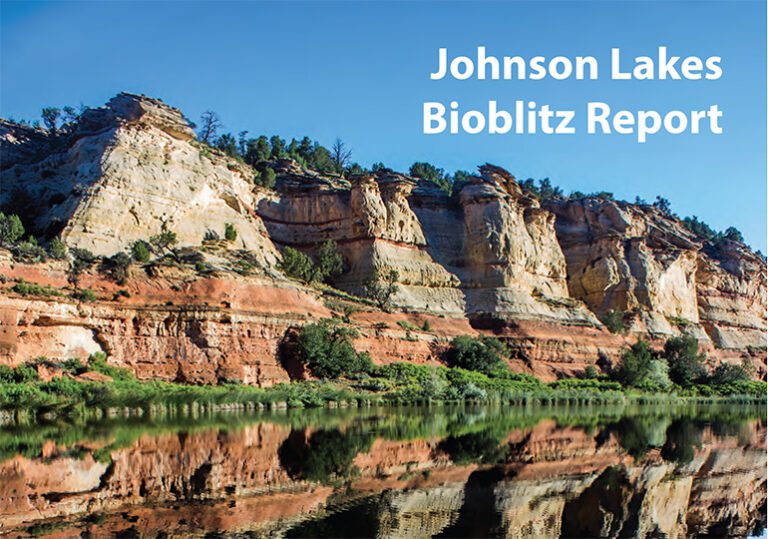
Read the 2017 Johnson Lakes Bioblitz Report, which details the wildlife and restoration effects in the private inholding within Grand Staircase-Escalante National Monument.
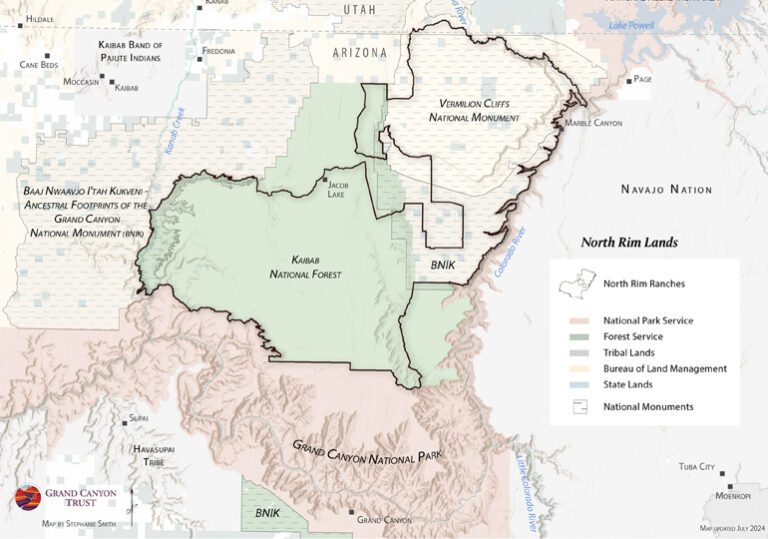
This assessment of 11 springs in the La Sal Mountains was conducted in August 2016.
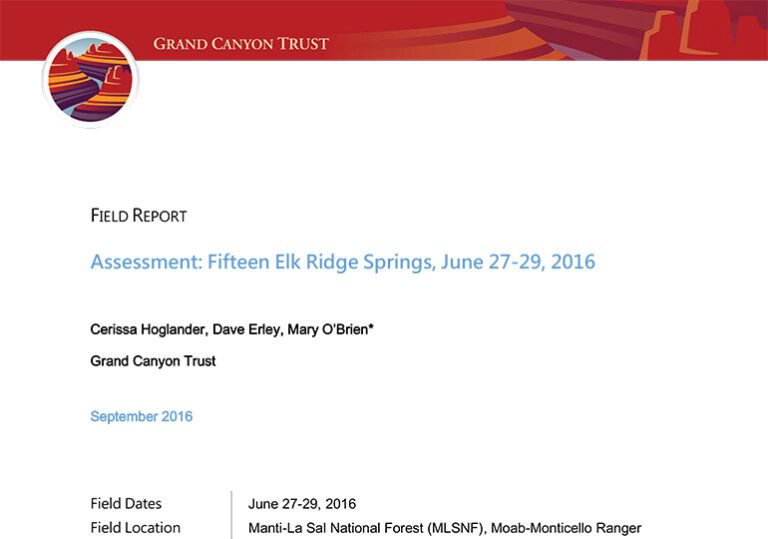
This assessment of 15 springs on the Manti-La Sal National Forest was conducted in June 2016.
Read the scoping comments submitted by the Grand Canyon Trust regarding the Skutumpah Terrace sage-grouse habitat restoration.
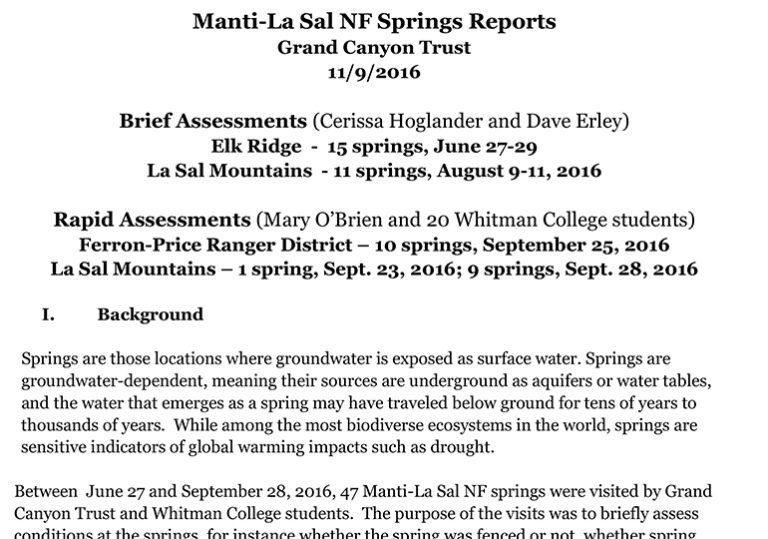
Read the Grand Canyon Trust’s Manti-La Sal National Forest Springs Reports, conducted between June 27, 2016, and September 28, 2016.