Resource Issue: National monuments
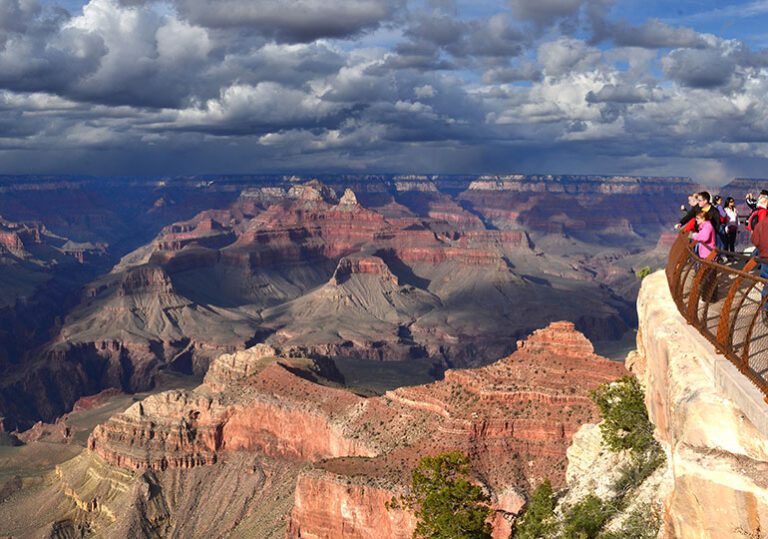
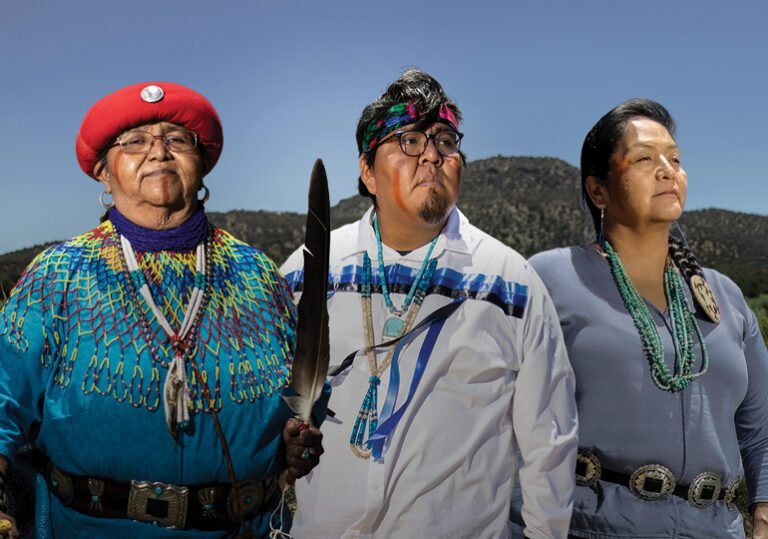
According to Dianna Sue White Dove Uqualla (Havasupai), the Grand Canyon is one of the most powerful altars in this world.
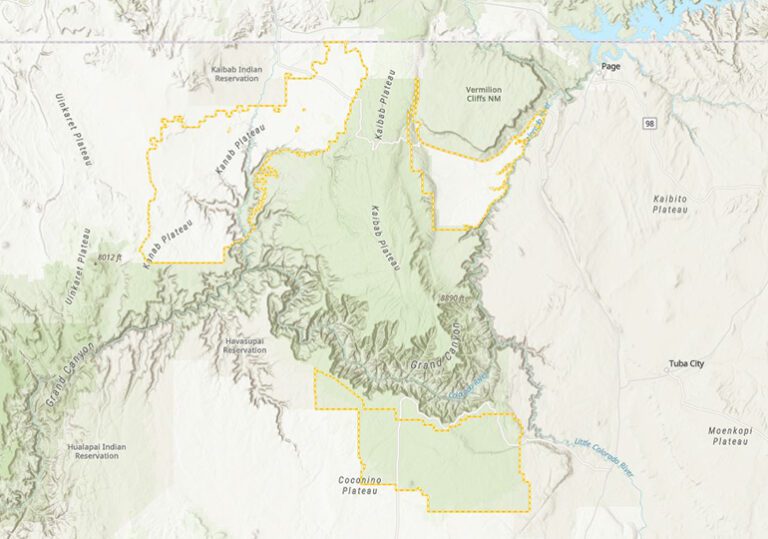
Zoom in on this interactive map of Baaj Nwaavjo I’tah Kukveni – Ancestral Footprints of the Grand Canyon National Monument.
Find out what Baaj Nwaavjo I’tah Kukveni – Ancestral Footprints of the Grand Canyon National Monument protects in this interactive story map.
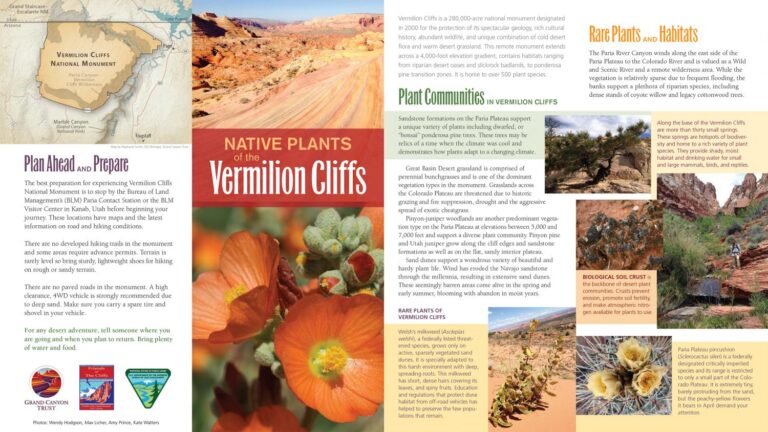
This brochure outlines the native plants, plant communities, rare plants, and more that are found in Vermilion Cliffs National Monument.
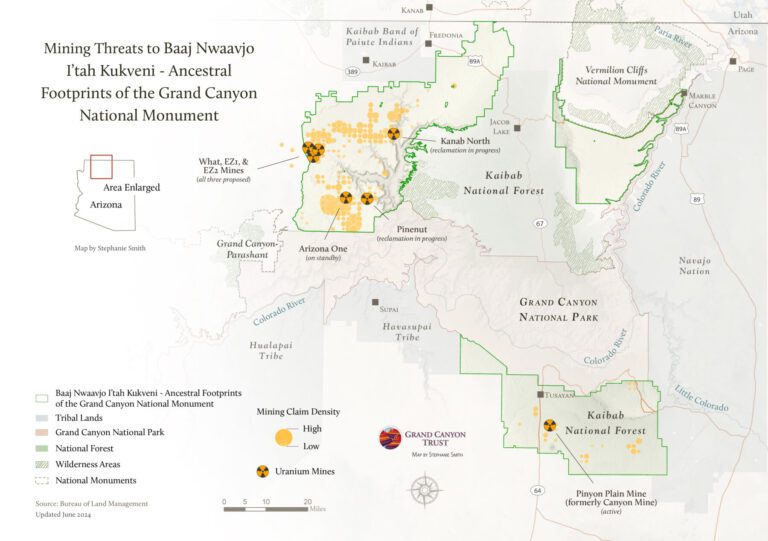
This map shows active mining claims, including various uranium mines, inside the boundaries of Baaj Nwaavjo I’tah Kukveni Grand Canyon National Monument
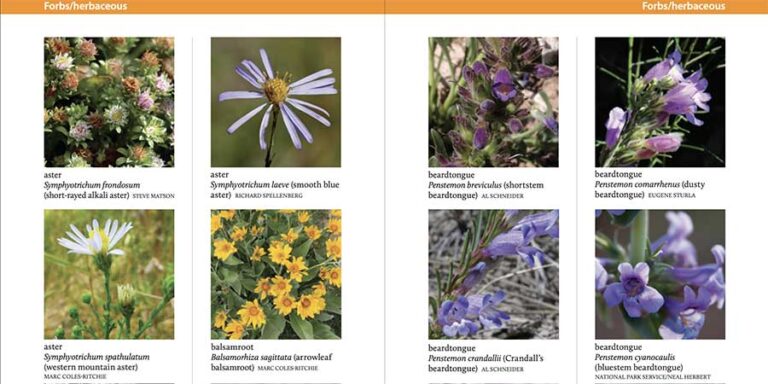
Learn about the 129 species of plants noted in the proclamation of Bears Ears National Monument.
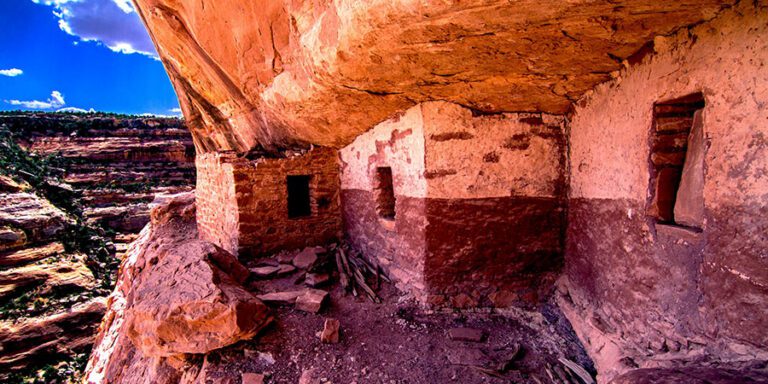
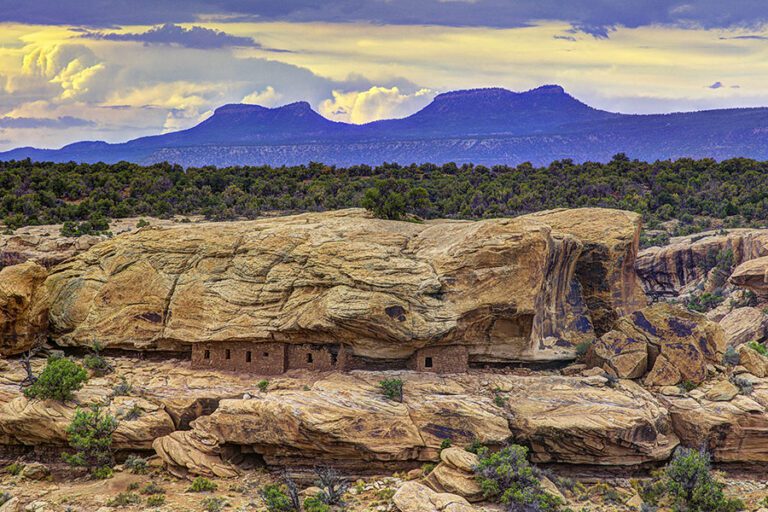
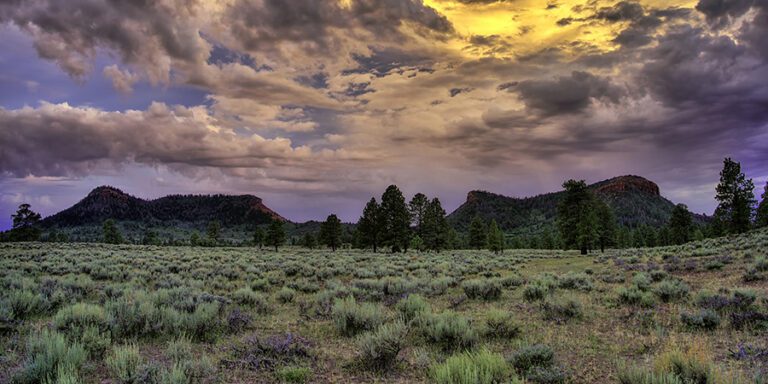
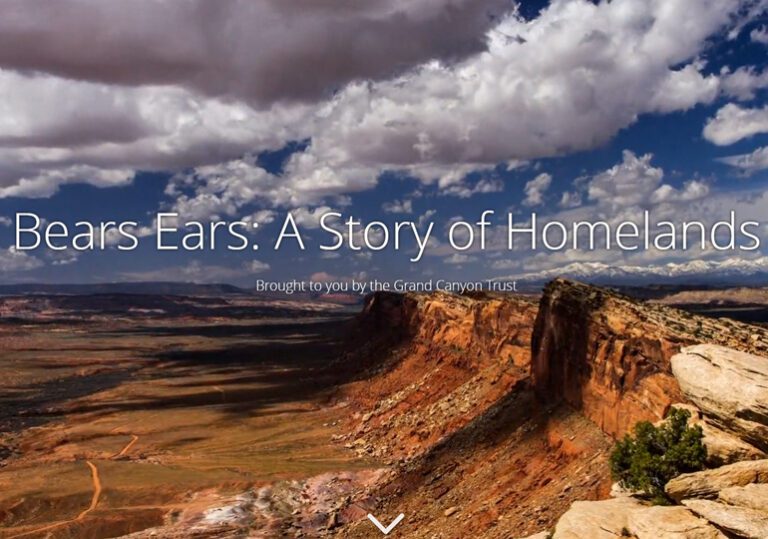
For more than 600 generations, the Bears Ears cultural landscape has been a homeland to Native American tribes. Learn the history of Bears Ears.
The Grand Canyon Trust opposes the U.S. Department of the Interior’s review of national monuments.
Arizona voters strongly support Baaj Nwaavjo I’tah Kukveni national monument near the Grand Canyon.
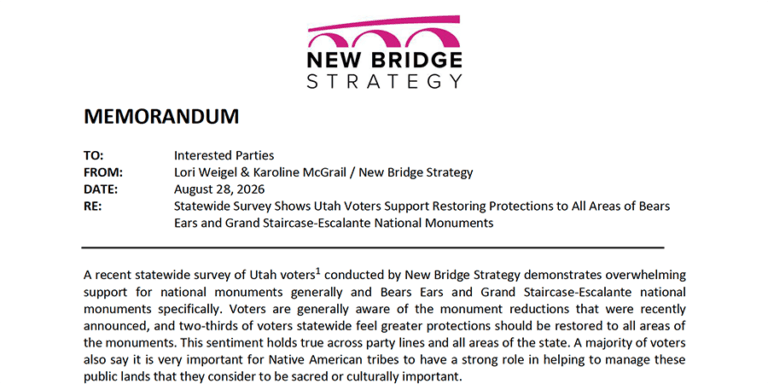
Voters in Utah overwhelmingly support Bears Ears and Grand Staircase-Escalante national monuments.
A December 2024 poll of 500 voters across Utah found strong public support for Bears Ears and Grand Staircase-Escalante national monuments
A December 2024 poll of 500 Arizona voters by public opinion research firm GQR found strong public support for Baaj Nwaavjo I’tah Kukveni – Ancestral Footprints of the Grand Canyon National Monument.
Utah voters strongly support national monuments and Bears Ears and Grand Staircase-Escalante in particular a December 2024 poll shows.
A December 2024 poll of 500 Arizona voters by public opinion research firm GQR found strong public support for Baaj Nwaavjo I’tah Kukveni.
What cultural resources, water sources, plants, and animals are protected in the new Grand Canyon national monument? Find out in this new story map.
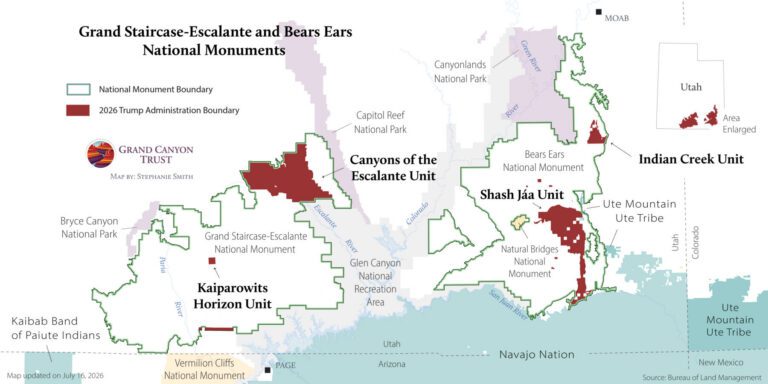
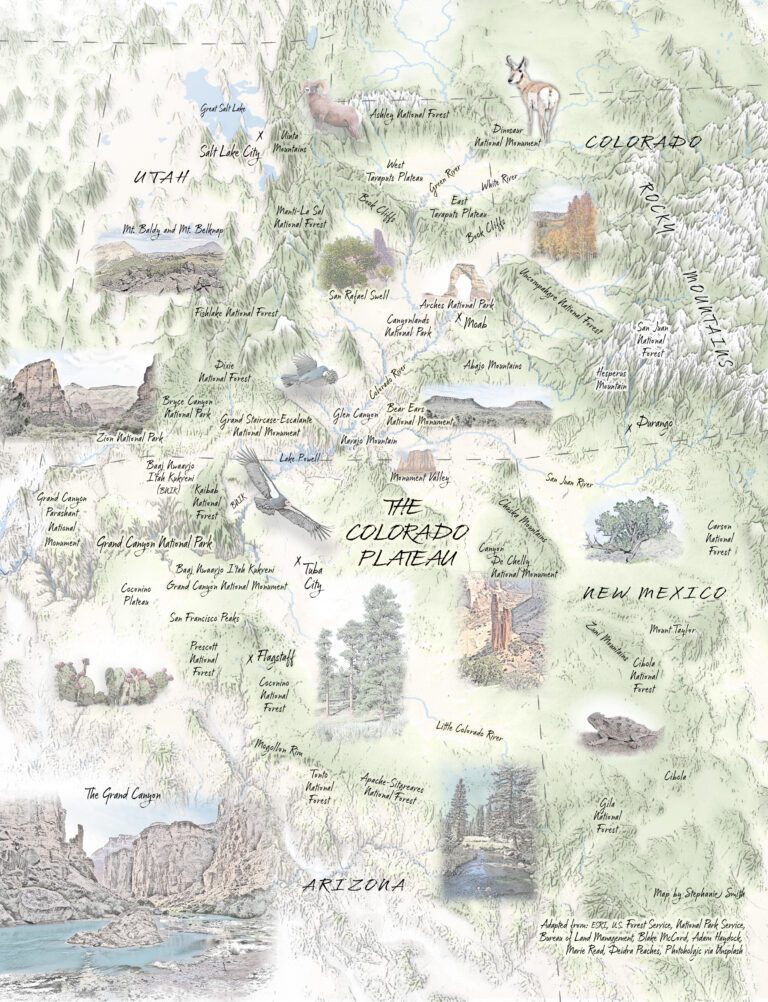
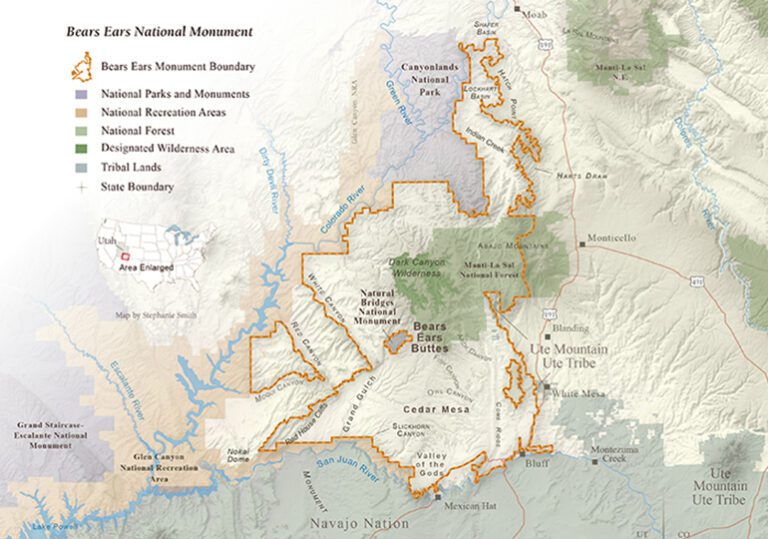
See a map of public lands and tribal lands across northern Arizona, southern Utah, southwest Colorado, and northwest New Mexico.
Learn about the history of uranium mining near the Grand Canyon and the extra protections that Baaj Nwaavjo I’tah Kukveni – Ancestral Footprints of the Grand Canyon National Monument brings to the region. Download the lesson plan.
View the present-day tribal lands of the Grand Canyon Tribal Coalition tribes.
See the boundaries of Baaj Nwaavjo I’tah Kukveni – Ancestral Footprints of the Grand Canyon National Monument.
See how the new Baaj Nwaavjo I’tah Kukveni national monument fits into the region’s protected lands.
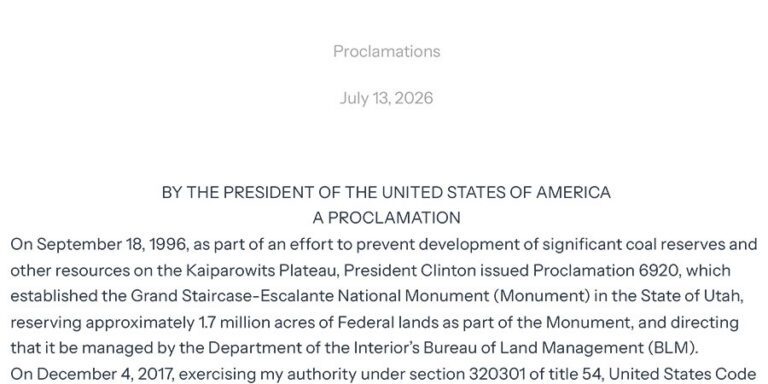
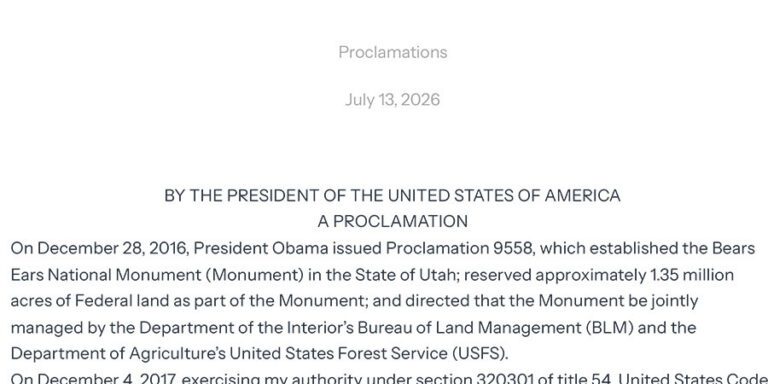
On Friday, August 11, 2023 the U.S. District Court of Utah dismissed lawsuits challenging President Biden’s designation of Bears Ears and Grand Staircase-Escalante national monuments. President Biden reinstated both monuments’ boundaries in 2021 after President Trump shrank them in 2017. Read the judge’s order › Download the PDF ›
President Biden designates new national monument in Arizona, north and south of Grand Canyon National Park.
A June 2023 poll of Arizona voters found strong public support for designating existing public lands around the Grand Canyon as a national monument. A monument designation would protect precious water sources and ancestral homelands. View the findings › Download the PDF ›
the Havasupai Tribe’s ancestral lands, which span the Grand Canyon and Colorado River to present-day Flagstaff, Williams, Ash Fork, and Seligman, Arizona.
Baaj Nwaavjo I’tah Kukveni combines Havasupai and Hopi words. Learn what it means and how to pronounce it correctly.
Native peoples have lived in the Grand Canyon and the plateaus above it since time immemorial, and they are still here today.