The article below was first printed in the Trust’s Winter/Spring 2010 edition of the Advocate
Uprising at Red Butte
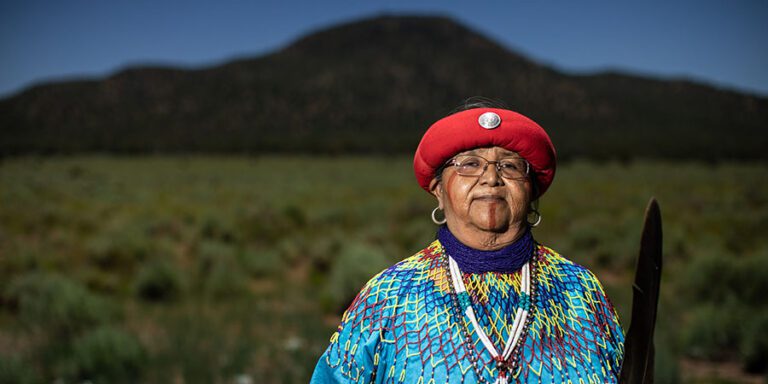
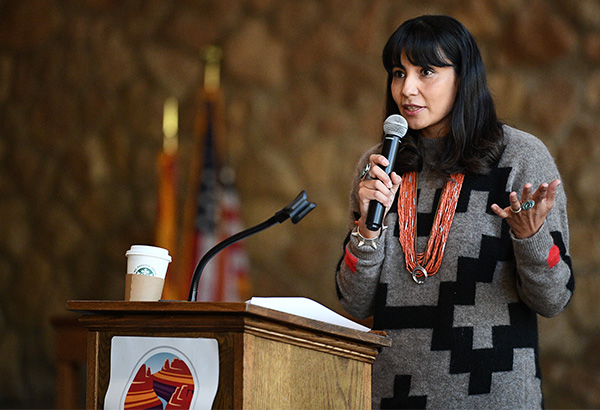
“Is this a sit-in or an uprising?” I asked. “Both,” Matthew Putesoy grinned. The Havasupai Vice Chairman was sitting in a windowless conference room with a dozen other tribal representatives waiting to express their opposition to uranium mining in their historic homeland.
The Havasu Baa’ja –the People of the Blue-Green Water– were attending a “scoping meeting” convened by the Bureau of Land Management (BLM). They were determined to be heard, although everything about the process seemed foreign to the people who live along Havasu Creek, deep within the Grand Canyon.
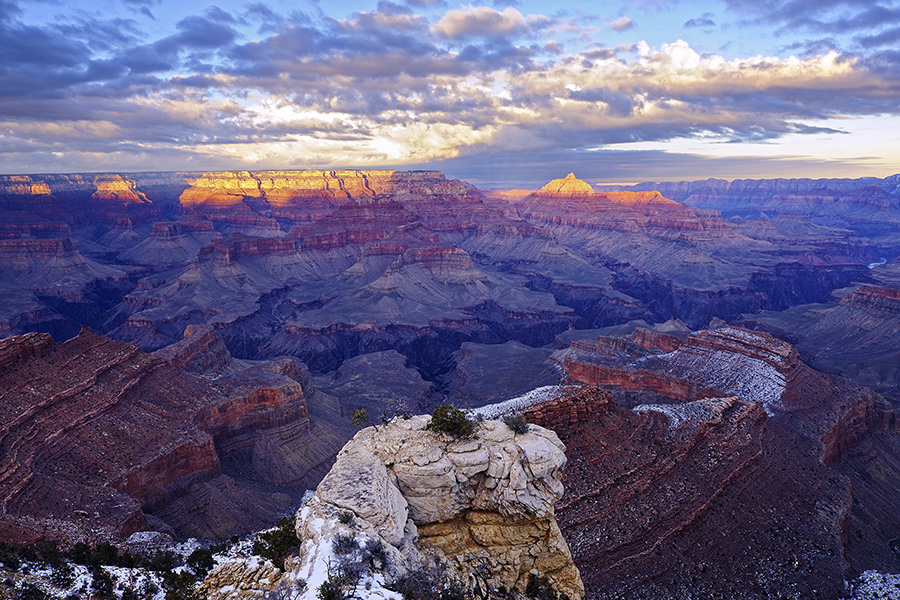
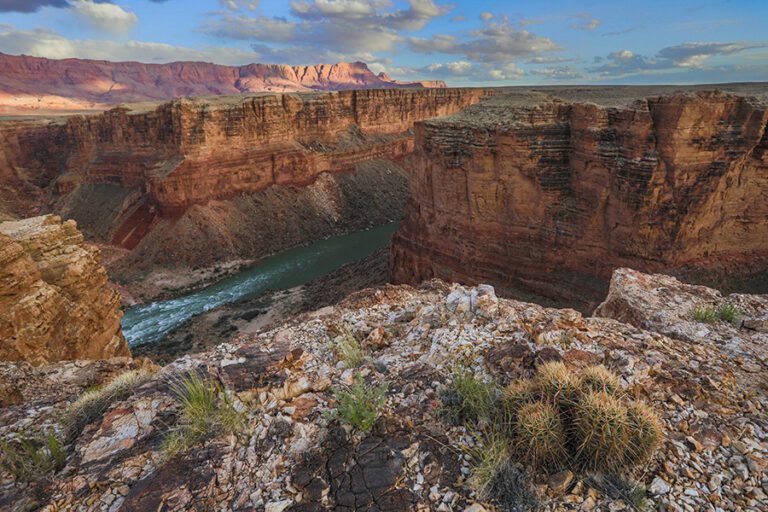
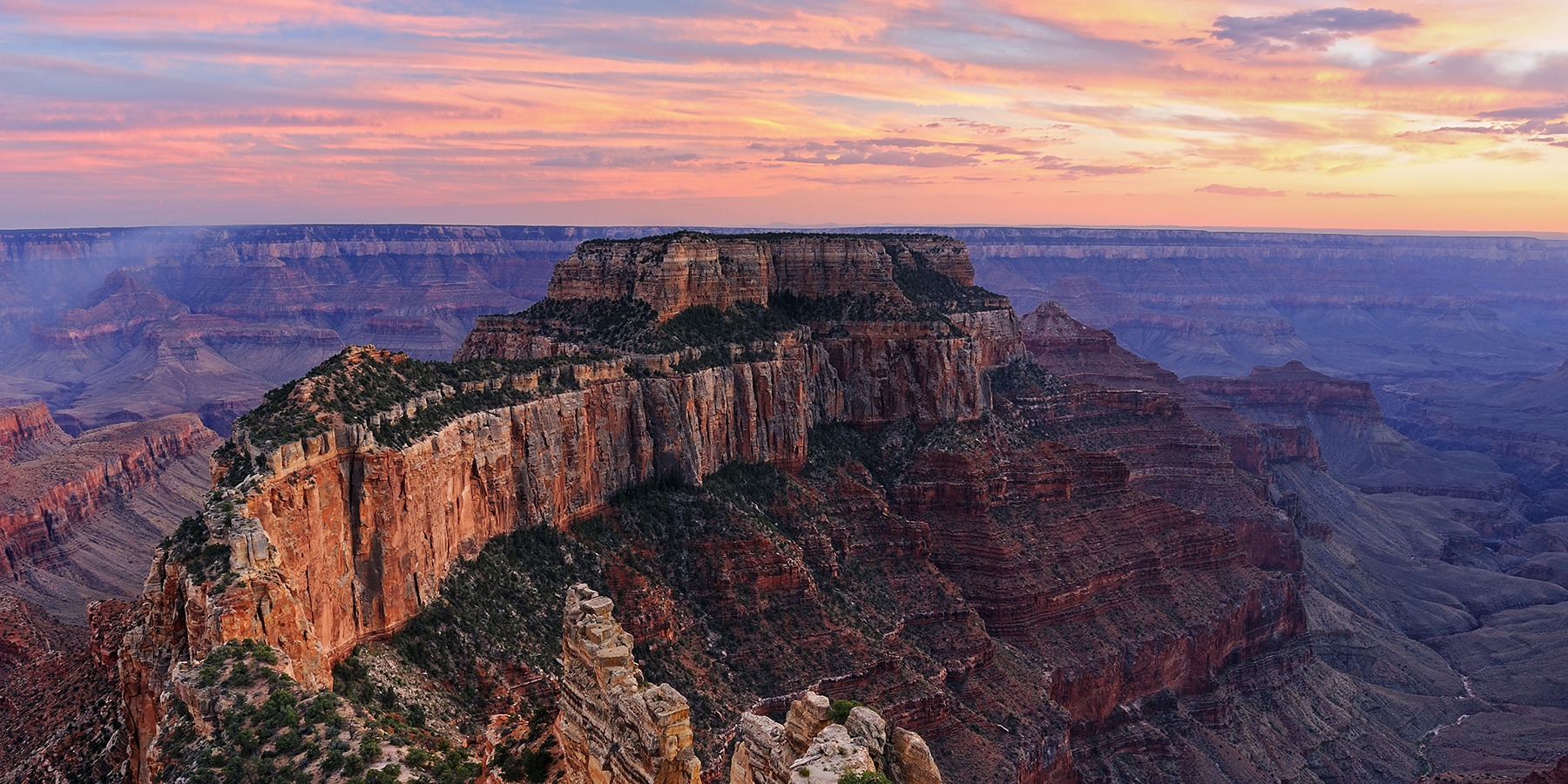
The purpose of the October meeting in Flagstaff was to solicit public comments to a proposed ban on all new mining claims within nearly one million acres of watersheds that drain directly into Grand Canyon National Park. Late last summer, Secretary of the Interior Ken Salazar called for a two-year “time-out” while considering a longer-term ban to protect “local communities, treasured landscapes, and our watersheds.”
Instead of providing written comments, Havasupai elders decided to voice their support for the protective action by praying, drumming, and singing in the middle of the meeting room. Federal officials opted not to intervene, despite pleas by uranium industry representatives to stop the “uprising.”
Secretary Salazar’s two-year moratorium could be extended for up to twenty years. His decision will be based on the “best science and input from the public, members of Congress, tribes, and stakeholders.” The BLM announced in November that it had received an astounding 100,000 comments in favor of protecting the Grand Canyon during the “scoping” phase of the review.
Hard Won Victory
Secretary Salazar’s two-year suspension of new mining claims in Grand Canyon watersheds was a hard won victory. More than 10,000 uranium claims have been filed since 2005 when the price of uranium shot from less than $10 per pound to more than $100.
In 2008, the House Committee on Natural Resources passed an emergency resolution that required then Secretary of Interior Kempthorne to order a temporary halt to mining in Grand Canyon watersheds. But he refused to respond to the rarely used authority of Congress and rescinded federal regulations requiring him to do so. Environmental advocates, including the Grand Canyon Trust, sued Secretary Kempthorne for failing to act on the emergency order.
The new administration did not to respond to the emergency resolution or to our lawsuit, but did decide in July to use the Secretary of Interior’s independent authority and ordered the two-year moratorium. Meanwhile, new legislation working its way through Congress would offer longer lasting protection to Grand Canyon’s watersheds.
In 2008, Arizona Congressman Raúl Grijalva introduced the Grand Canyon Watersheds Protection Act to prevent further radioactive contamination of Grand Canyon tributaries and groundwater. The proposed legislation recognized the need to put an end to the headlong uranium mining boom that began in the 1950s and that is still harming human and ecological health throughout the region. Grijalva reintroduced the legislation in 2009.
Senators Refuse to Protect Grand Canyon
The Grand Canyon Watersheds Protection Act now has nearly fifty co-sponsors and is expected to pass in a full vote of the U.S. House of Representatives. However, Senators John McCain and John Kyl have refused to introduce the bill in the Senate and wrote a letter opposing the proposed law to Congressman Grijalva.
The senators dismiss evidence that uranium mining threatens to pollute fragile seeps and springs in the Park and discount public concerns about industrializing one of our nation’s most revered landscapes. They also disagree with two-thirds of Arizona voters who support putting an end to uranium mining around the Grand Canyon, according to a July 2009 poll conducted by Public Opinion Strategies,
Senators McCain and Kyl have also turned a deaf ear to requests by tribal leaders to end the devastating era of uranium mining and milling in the region. Hualapai, Kaibab Paiute, Havasupai, Hopi, and Navajo leaders have all testified in support of the Grand Canyon Watersheds Protection Act.
Guardians of the Grand Canyon
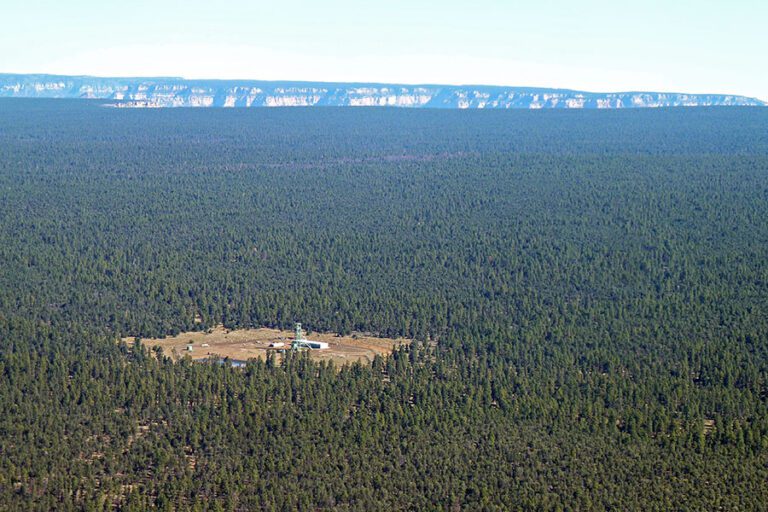
For decades, Havasupai have battled uranium mining and lost. Their lawsuit filed more than twenty years ago failed to stop the Canyon Mine from being developed a few miles from Red Butte, one of their most sacred sites.
Havasupai refer to Red Butte as “clenched-fist mountain” and “lungs of Mother Earth.” The prominent point is visible to millions of visitors as they approach the south entrance to Grand Canyon National Park. It is the spiritual center of what was once their traditional homeland.
Their territory encompassed more than three million acres, including much of the Grand Canyon south of the Colorado River and extending to the territorial settlements of Flagstaff and Williams. In 1882, the U.S. Army relegated Havasupai to a 518-acre reservation located in a narrow side canyon in the Grand Canyon.
“The Havasupai have lived in and around the Grand Canyon since before there was a United States of America,” explained Matthew Putsoy. “As the ‘guardians of the Grand Canyon,’ we strenuously object to mining for uranium here. It is a threat to the health of our environment and tribe, our tourism-based economy, and our religion.”
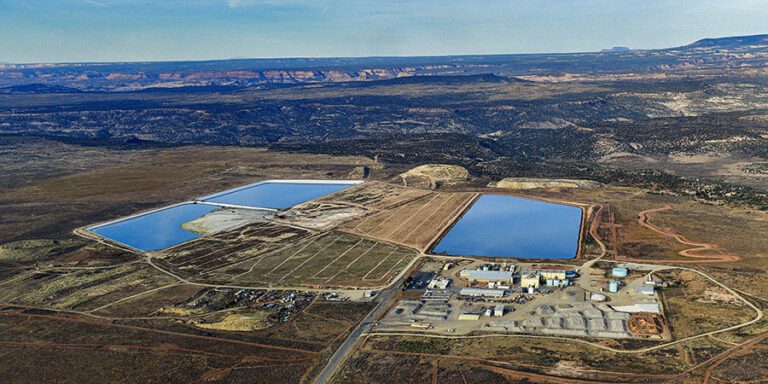
The Canyon mine is one of three uranium mines authorized on public land during the 1980s. But their owners went bankrupt and left behind fenced-in mine shafts and rusting machinery. Now that uranium prices have risen, new owners are moving quickly to reopen them. The two-year moratorium does not apply to these previously approved mines, according to the BLM.
Last July, more than one hundred Havasupai journeyed out of the Canyon to protest the Canyon Mine’s reopening. Hundreds more supporters joined them for a four-day gathering at the base of Red Butte.
Within months of the gathering at Red Butte, regulatory agencies issued final permits needed for the first of the three mothballed mines to re-open. Denison, a Canadian-based company, announced that it would soon begin hauling uranium ore from its Arizona 1 mine to its mill in Blanding, Utah. It is also preparing to re-open the Canyon and Pinenut mines.
In November, the Grand Canyon Trust again joined allies in a lawsuit challenging the BLM’s approval of the Arizona 1 mine. Our suit cites the agency’s failure to update the 1988 environmental assessment and plan of operations prior to allowing Denison to begin mining.
The original owners of Arizona 1 went bankrupt and never demonstrated an economically viable uranium deposit as required to establish a valid claim. More importantly, the BLM never validated the original mining claim for Arizona 1, nor has it validated any of the thousands of uranium mining claims in the region.
Endurance
Havasupai elder Rex Tilousi was deeply disheartened when the government approved final permits to re-open the Arizona 1 mine. Less than a week before authorizing mining to begin, agency officials had flown by helicopter into Supai Village to fulfill a legal obligation to consult with the tribe.
“They came to us and pretended to listen,” Tilousi lamented during a community meeting at Supai. “For hours our people told these people why uranium mining threatens our way of life. We told stories, shared our beliefs, and shed tears, all for nothing.”
Once again, Havasupai felt ignored and betrayed. But they applauded our legal appeal challenging the government’s decision to allow old uranium mines to re-open.
Community members recalled the endurance it took to regain some of their historic territory. After years of lobbying, they finally convinced Arizona’s Congressman Morris Udall and Senator Barry Goldwater to introduce legislation to return about 200,000 acres to the tribe.
Federal agencies and environmental groups fought the bill, claiming that the Havasupai could not be trusted to protect the Grand Canyon from commercial exploitation. But they persisted and prevailed when President Gerald R. Ford signed the 1975 law that expanded the Havasupai reservation.
One elder reflected, “It took a long time to win some of our land back then. This time the environmentalists are on our side.” ~ Roger Clark
Photo by Amanda Voisard