Ecological Society of America opposes Grand Canyon uranium mining

Below is a copy of the comment letter from the Ecological Society of America regarding the proposed mineral exploration withdrawal near Grand Canyon National Park.

On behalf of the Ecological Society of America (ESA), I submit these comments in response to the Bureau of Land Management (BLM) Draft Environmental Impact Statement (EIS) that addresses potential effects of withdrawing federal lands from mineral exploration and mining near the Grand Canyon in Arizona.

ESA membership consists of 10,000 ecological scientists, some of whom are based in northern Arizona, with expertise in a multitude of areas including environmental assessments. We write to express our strong support for the BLM’s proposal to withdraw one million acres of federal mineral estate in northern Arizona in order to minimize adverse environmental impacts of uranium mining in the region.

Wildlife in the Grand Canyon

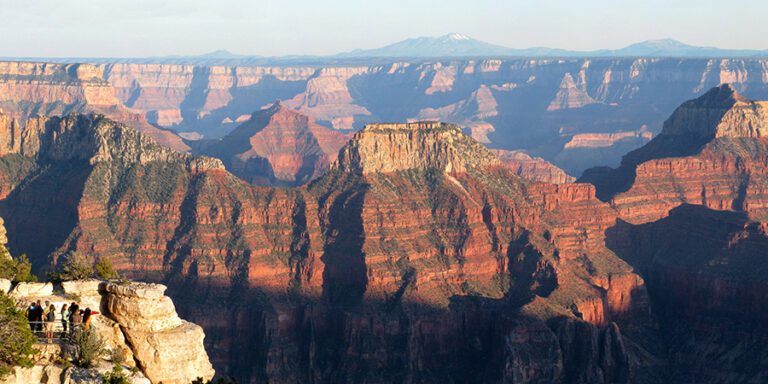
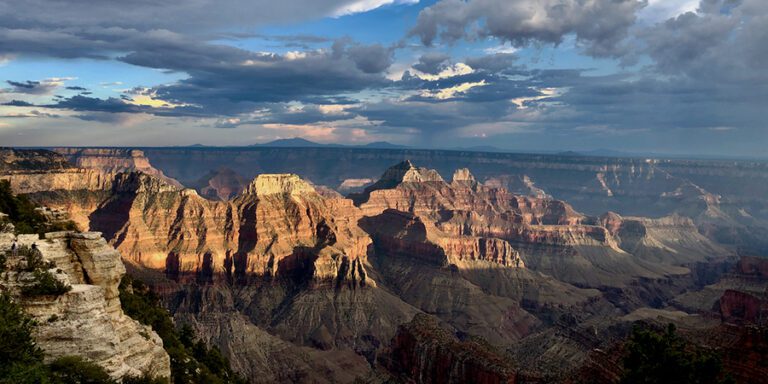
The Grand Canyon is one of the most recognized (and visited) natural heritage sites in the world. According to the National Park Service (NPS), the area is home to a number of species that fall under the protection of the Endangered Species Act. Protected birds include the California brown pelican, bald eagle and Mexican spotted owl. Endangered fish include the humpback chub and the razorback sucker. Numerous additional animals are listed by NPS as species of concern and sensitive wildlife, including bighorn sheep, the California condor, desert tortoise, northern goshawk, the relict leopard frog, the southwest river otter, numerous bat species and the peregrine falcon, the world’s fastest bird. According to NPS, over 50 peregrine falcon pairs nest in Grand Canyon National Park stretching from Lees Ferry to Lake Mead.

Ecological effects of uranium mining

Exposing uranium ore to air causes it to oxidize, which makes it highly soluble in water. If uranium reaches groundwater, there currently exists no effective way to remove it. Flash

flooding is common in the watersheds surrounding Grand Canyon National Park. In 1984, a flash flood released tons of tailings from Hack Canyon Mine into Kanab Creek, north of the Canyon. The area is still contaminated with radioactive waste and water in the drainage is undrinkable. The New Mexico 1979 Church Rock Mine accident released 1,100 tons of milling waste and 94 million gallons of radioactive wastewater into the Puerco River, eventually contaminating 80 miles of streambed.

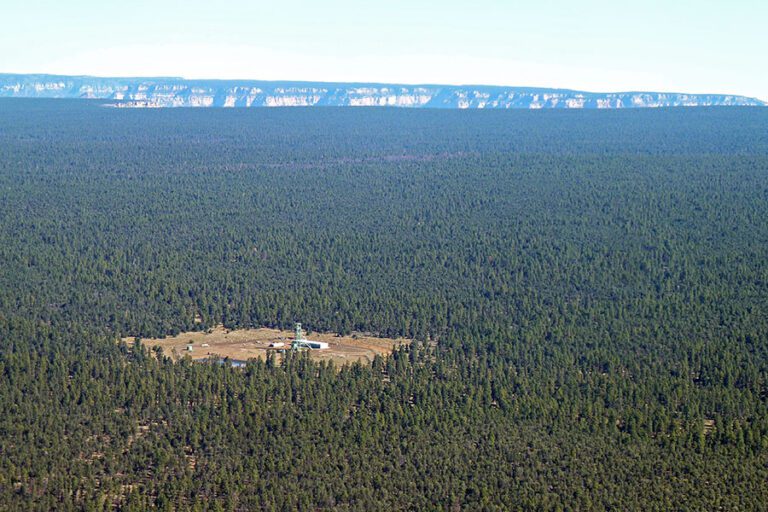
Many predatory birds, including the bald eagle, California condor and peregrine falcon as well as amphibians would be adversely impacted by uranium contaminated waters. A 2010 report from the NPS forecast that the land clearing and road building that would need to occur in ponderosa pine forests south of the Canyon to accommodate 93 mines would destroy approximately 14,600 birds. The same report concluded that the development of all 921 mines in the Great Basin Conifer Woodland ecotype would eliminate 75 km2 of habitat and 75,000 birds. Fragile soils and cryptobiotic crusts in the region (pinyon-juniper woodland) are greatly vulnerable to wind erosion in the semi-arid, windy climate. Surface disturbances typical of mining operations have large footprints due to dust and erosion.

Threat to human health

Numerous scientific studies have concluded that exposure to radon gas, uranium and uranium’s decay elements can cause cancer, blood diseases, psychological disorders and fertility problems. Uranium-contaminated dust and soil persists in a number of northern Arizona and New Mexico locations due to incomplete cleanup of mine tailings and milling sites from mining activities in the 1950’s and 1960’s. In a 2009 report, the Environmental Protection Agency (EPA) estimated that 30 percent of all Navajo people do not have access to a public drinking water and may be using unregulated water sources contaminated with uranium. The agency, in conjunction with the Navajo Nation’s Environmental Protection Agency, is targeting 500 abandoned Uranium mills in a five year nuclear waste cleanup plan. Any expansion of mining in the region should not infringe upon these efforts. Finally, increased mining operations in the proposed withdrawal area would result in increased transport of uranium ore on regional highways and roadways, including areas of the Navajo Nation and other tribal lands where small communities are located. Any spills or accidental releases during transport would pose contamination hazards for both residents and tourist traffic.

Economic considerations

According to the Arizona Office of Tourism, Grand Canyon tourism brings $687 million a year to Northern Arizona and supports 12,000 full-time equivalent jobs regionally. The BLM acknowledges that even uranium mining activities that adhere to basic federal protocols would still create toxic hazards, negatively impact traffic, and a need for dust mitigation. Recent environmental disasters, such as the aforementioned Church Rock event, the Exxon Valdez and BP Gulf of Mexico oil spills and the recent natural disaster in Japan and its impacts on nuclear power plants demonstrate the environmental risks of working with materials which present a significant hazard when inadvertently released into the surrounding environment.

Conclusion

We applaud BLM’s efforts to consider the best available science in making this decision as well as the trade-offs between potential economic gains and losses inherent in mining in an area so prized for its natural beauty, cultural richness, and wildlife. The proposed withdrawal would provide greater protection to these resources than any of the alternatives considered in the draft EIS.

As the nation’s largest organization of professional ecological scientists, ESA stands ready to assist in these efforts. Please do not hesitate to contact us through the Society’s Director of Public Affairs, Nadine Lymn (Nadine@esa.org; 202.833.8773, ext. 205).

Sincerely,

F. Stuart Chapin, III
President
Ecological Society of America

Share
This entry was posted in Grand Canyon Issues. Bookmark the permalink.

Comments are closed.