Grand Canyon River Guides group expresses support for Grand Canyon mining ban to Salazar

Below is a copy of a letter sent to Secretary Salazar on November 18 from Grand Canyon River Guides supporting the uranium mining ban on lands adjacent to Grand Canyon.

Dear Secretary Salazar,

As a non-profit educational and environmental organization
dedicated to preserving and protecting Grand Canyon and the Colorado River,
Grand Canyon River Guides (GCRG) applauds the recent release of the Northern
Arizona Proposed Withdrawal Final Environmental Impact Statement (FEIS),
analyzing the potential effects of withdrawing federal lands near the Grand
Canyon in Arizona from location and entry under the 1872 Mining Law and identifying
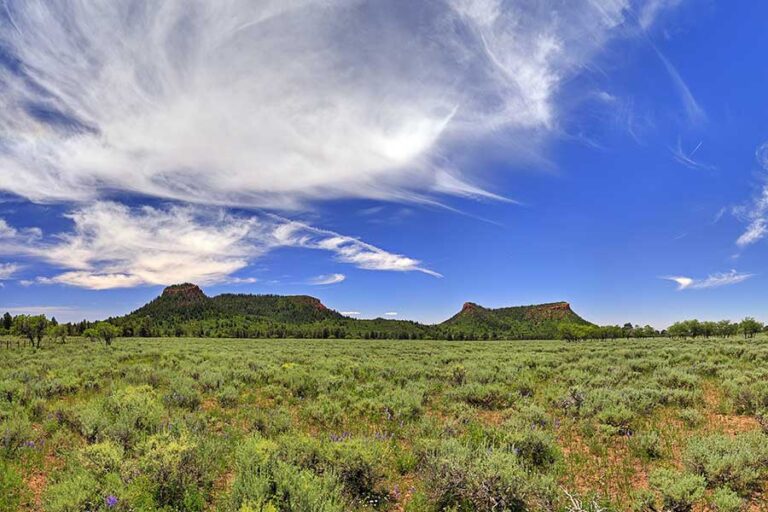
a preferred alternative that would withdraw about 1 million acres, subject to
valid existing rights.

GCRG would like to express our firm support for the preferred alternative as defined in the FEIS and we fully recognize what a victory this is for the environment, for Grand
Canyon and for the Colorado River watershed.  By the same token, we understand that the withdrawal affords a minimal level of protection for the lands surrounding the Grand Canyon, which while acceptable as a starting point, will necessarily become much broader in scope as the American public, the scientific community, and land management agencies continue to consider the serious and long term consequences of further uranium mining on the doorstep of this World Heritage Site.

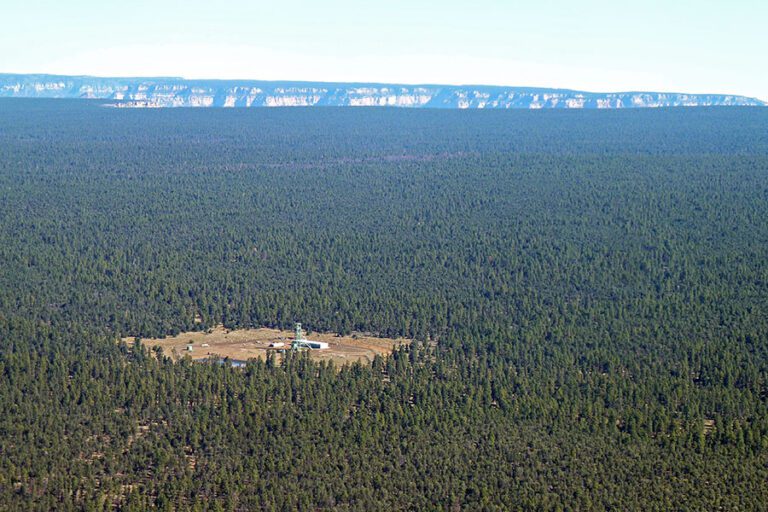
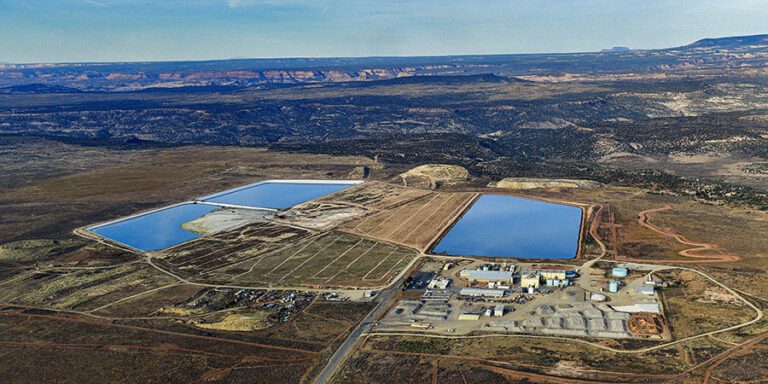
We are very concerned that the threat to the Grand Canyon watershed is diminished only somewhat by the potential withdrawal since eleven existing mines will be exempt from the ban. Arizona Department of Environmental Quality issued three air- and one aquifer-protection permits for a few of those mines (EZ and Pinenut Mines in the North Parcel and the Canyon Mine south of Grand Canyon) despite broad public opposition. As we expressed in our January 2011 comments to the AZDEQ, “We find the lack of oversight, the insufficient environmental safeguards, and the absence of a scientifically credible and
comprehensive monitoring program to be unacceptable, placing the burden of risk
from any potential contamination on the public and on Grand Canyon itself.”

We are encouraged that the FEIS specifies that state and federal agencies will come together to conduct the monitoring of these existing mines and that Grand Canyon National Park can articulate the conditions.  However, we urge you to demand accountability from the director of the Bureau of Land Management to keep his commitments to what happens in the field and to immediately work to rectify what has been an extremely poor track record of monitoring and mitigation efforts which are necessary to safeguard both the public and the environment.

Towards that end, we believe the implementation of a region-wide, long term groundwater monitoring program is essential, given the limited timeframe of the withdrawal and the potential for mining’s impacts in the future.  The effects of pollution on this complex and interconnected aquifer system in the Grand Canyon region may take years, decades, or even centuries to be fully manifest.  It is the responsibility of all area state and federal land management agencies to develop a clear, consistent, and
rigorous monitoring program involving “the emplacement of monitoring wells,
regular sampling and chemical analysis of water, and hydrologic and
hydrochemical mathematical modeling.” (David Kreamer, “Uranium Mining
in the Grand Canyon, Biting my Tongue in Front of Congress,” Boatman’s
Quarterly Review
, Volume 22, #4, winter 2009-2010)  Baseline data relating to aquifer water quality downstream of both protected and non-protected areas is vital in our
long term understanding of uranium mining’s real effects in the Grand Canyon’s
watersheds.

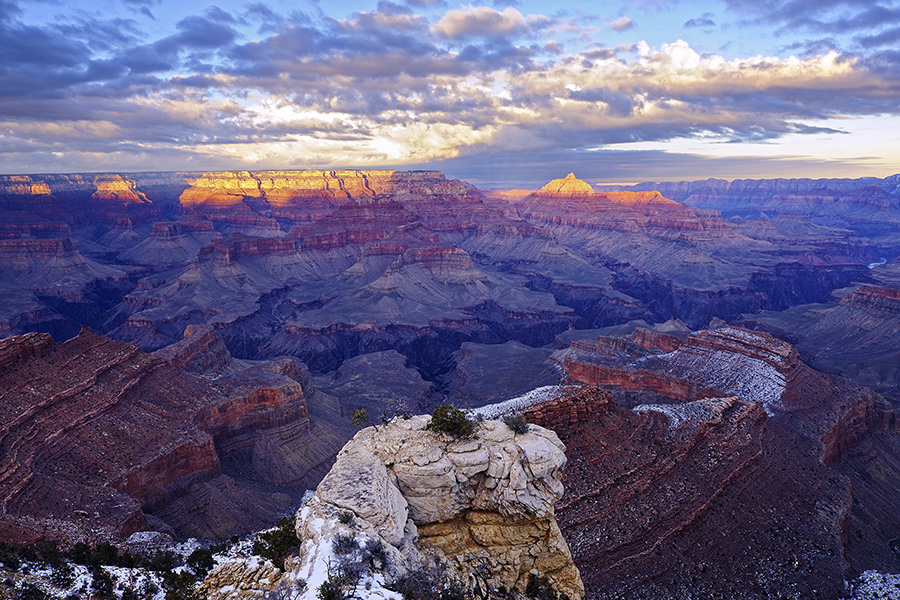
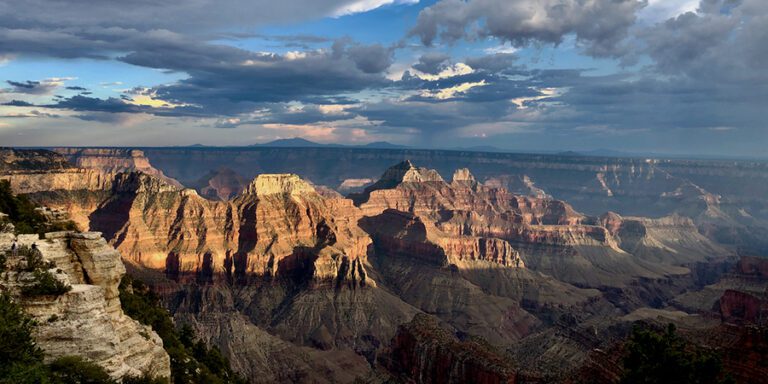
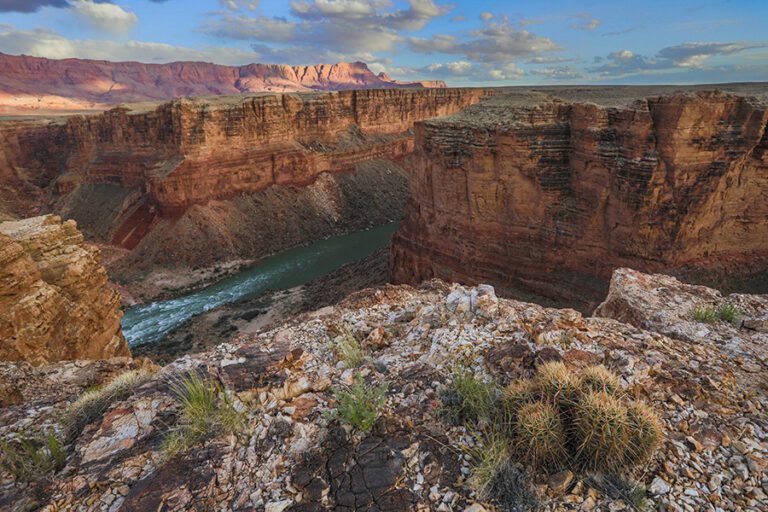
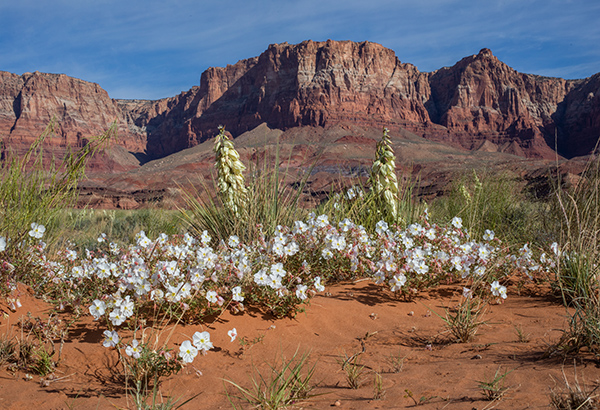
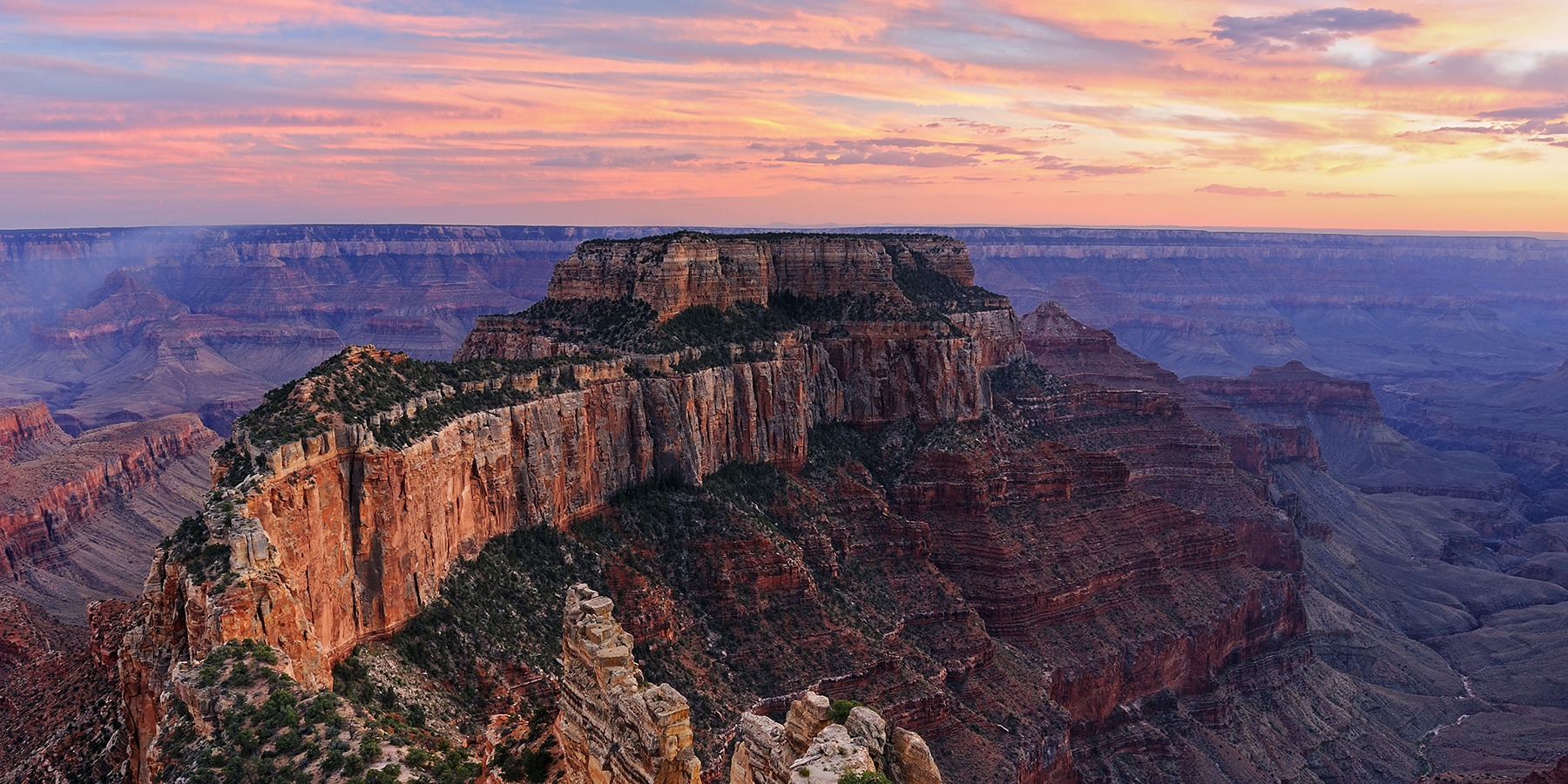
The heart of why we believe Preferred Alternative should be implemented is simple — this is THE Grand Canyon, one of the “Seven Natural Wonders of the World,” the iconic crown jewel of our National Park system, and World Heritage Site.  These are some of
our greatest public lands, held in the public trust for us to care for and protect for future generations to enjoy.  Our greatest hope is that the withdrawal designation for lands adjacent to Grand Canyon National Park will one day become a permanent one.

Thank you for considering our perspectives and for your outstanding commitment to Grand Canyon.

Sincerely,

Grand Canyon River Guides, Inc.

Lynn Hamilton, Executive Director
Nikki Cooley, President
Latimer Smith, Vice President
Fred Thevenin, Secretary/Treasurer
Kim Fawcett, Director
Robert Jenkins, Director
Ariel Neill, Director
Roger Patterson, Director
Greg Woodall, Director
Kelly Wagner, Director

Share
This entry was posted in Grand Canyon Issues. Bookmark the permalink.

Comments are closed.