Greater Canyonlands film project moves forward

Notes from the field

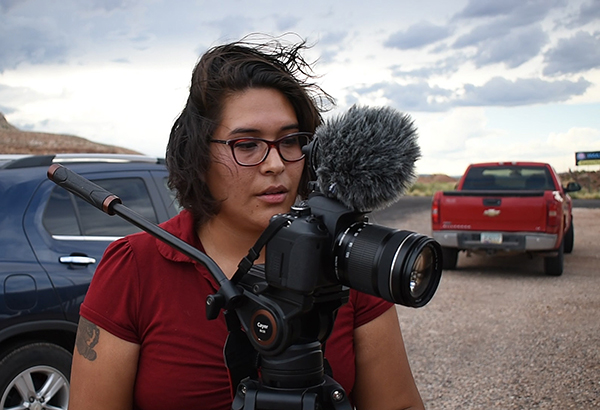
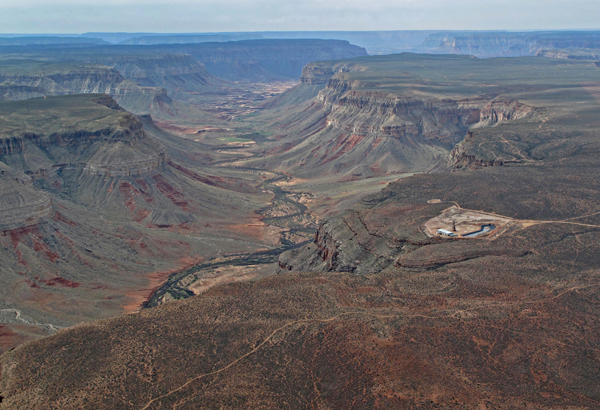
Greater Canyonlands film shoot over Canyonlands Basin

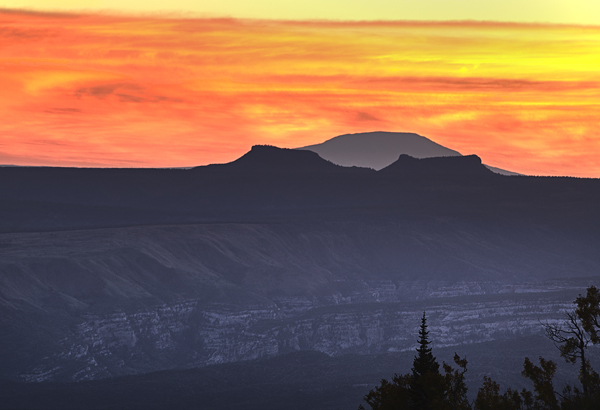
Time has slowed way down just before dawn. It’s twenty-six degrees outside and we are waiting for the sun, for the light more than warmth, to color the immense landscape stretched out below us.

Bill Mitchell, our special effects cinematographer, is capturing film frames at lower than normal frequency to lapse time later when the frames are played at normal or faster speeds. Multiple cameras are clicking continuously at different perspectives; the sound attracts small birds flitting around in the juniper trees as the full moon sets. Glen, our location/production assistant, Bill and I are bundled warmly against the cold; snow crunches loudly underfoot as we move around in the quiet morning.

When the sun rises we watch as the light gradually reveals four to five million years of geologic time, pouring down over the Navajo, Kayenta, Wingate, Chinle, Moenkopi and Cutler sandstone layers and, except for the very early morning departures, long miles to varied remote locations, set ups and eventual end of a day’s work after the sun sets, we realize this is a meditative undertaking. Looking out over the Canyonlands Basin toward the Orange Cliffs, it’s hard to tell where Bureau of Land Management (BLM) holdings end and the Canyonlands National Park boundary begins; especially in this season, because it’s quiet in Lockhart Basin down below. In summer, off-highway-vehicles would be tearing around on the dry ground raising dust clouds and mechanical noise that carry a long way over this terrain.

Airport Tower & Colorado River, Canyonlands National Park, Utah Photo by Tom Till

On our way in to this location we passed oil, gas, and potash production company signs marking roads leading to exploratory drill sites on land surrounding Canyonlands National Park. The BLM is currently at work on a Master Leasing Plan (MLP) for oil, gas, and potash in this area and over 783,000 acres of lands in Grand and San Juan counties, a process that could take up to three years and ultimately require amendments to Bush era Resource Management Plans. Interior Secretary Ken Salazar issued an order for oil and gas leasing reform in May of 2010 after a controversial lease sale in 2008 targeted lands adjacent to national parks and wilderness quality lands in southern Utah. While the MLPs are being developed, all leasing will be suspended with the exception of potash prospecting applications. BLM will provide two-year permits for exploratory drilling and a possible “preference right of lease” for the permitee that wouldn’t necessarily guarantee a lease.

San Juan County commissioners are counting on a potash development boom in the area to provide for a worldwide potash shortage for fertilizer said to accompany an anticipated world food shortage. It’s hard to imagine how such development would not cause significant industrial impacts to some of the most iconic lands on the Colorado Plateau, which are enjoyed by over two million visitors a year. Indeed, damage is already occurring from exploratory drilling.

The Greater Canyonlands campaign and film project advocates for protection of this imperiled landscape. For more information please contact Utah Program Director Laura Kamala at laurakamala@gmail.com.

Share
Posted in Utah Issues | 1 Comment

Implementation of 4FRI draws near


Arizona ponderosa pines and lupine Photo by Michael O'Hara

Stakeholders of the Four Forest Restoration Initiative (4FRI) – a 2.4 million-acre effort to restore Arizona’s ponderosa pine forests – are eagerly awaiting implementation of the project’s first phase.   In August 2011, the U.S. Forest Service released a Request for Proposals for the largest stewardship contract in Forest Service history.  The agency now expects to select a contractor before spring.  Over the next 10 years, this contractor will conduct 300,000 acres of restoration-based thinning.  To offset treatment costs, the contractor will establish a wood product manufacturing facility that can utilize the small-diameter trees harvested under the contract.

4FRI aims to perform one million acres of restoration-based thinning across 2.4 million acres of northern Arizona’s national forests over the next twenty years at minimal cost to the federal government. Historically, forest restoration treatments have cost the Forest Service $500-$1000 per acre to implement.  However, by working at larger, landscape scales, 4FRI will create a dependable, long-term wood supply, attracting new industries that can generate enough revenue from the utilization of harvested materials to cover much of the expense associated with treatment implementation.

The success of 4FRI hinges on contractor selection for this first stewardship contract.  If the selected contractor is able to cost-effectively perform restoration treatments, the recipient will presumably receive subsequent contracts for an additional 700,000 acres of forests in need of thinning – completing 4FRI over the next twenty years.  As the Forest Service, Grand Canyon Trust staff, and other 4FRI stakeholders continue planning 4FRI activities – identifying areas most in need of restoration work – all are hoping for a well-reasoned and expeditious contract award.

Wallow Fire smoke plume 2011 Photo by Apache-Sitgreaves NF

As 4FRI moves into implementation, Trust staff and 4FRI stakeholders are recognizing two needs: the need to educate the public about forest restoration, and acquire additional funds to support 4FRI efforts.

Public education is crucial to 4FRI’s success.  Forest restoration will bring many direct and indirect benefits to Arizona residents, but those benefits will be accompanied by certain inconveniences.   For instance, the removal of small-diameter trees from the forest will necessitate widespread harvesting activities and increased logging traffic, at levels unfamiliar to most Arizona residents.  Additionally, the return of frequent, low-intensity fire to the landscape, which is needed to maintain the health of restored forests, will likely increase the number of smoky days in Arizona.  We believe it is vital that the 4FRI Stakeholder Group proactively reach out to soon-to-be effected residents, explaining what can be expected and the necessity for and benefits of these activities.

Although the cost of restoration-based thinning is expected to be absorbed by industry, 4FRI will require additional funding to support complementary restoration activities (e.g., wildlife habitat improvement, spring restoration, and aspen protection projects) and to ensure long-term ecological monitoring and oversight.  Over the next several months, Grand Canyon Trust staff and other 4FRI stakeholders will work with industry partners in a statewide attempt to generate much needed funding.

Please consider supporting these efforts;  visit http://www.4fri.org and select the “Donate” link.

Share
Posted in Arizona Issues, Kane & Two Mile Ranches | Leave a comment

Grand Canyon Trust Uranium Campaign Chronicle

Grand Canyon Trust Uranium Campaign Chronicle: 2007 – Jan. 2012

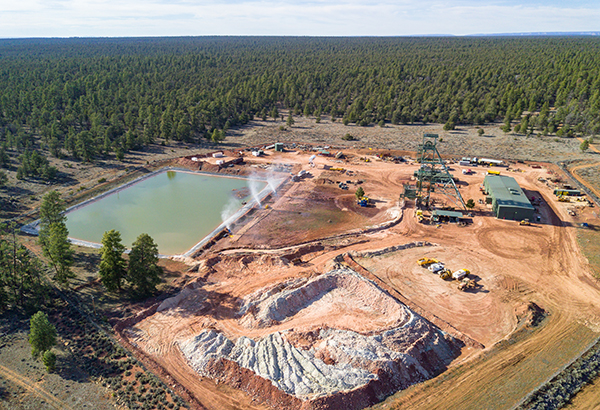
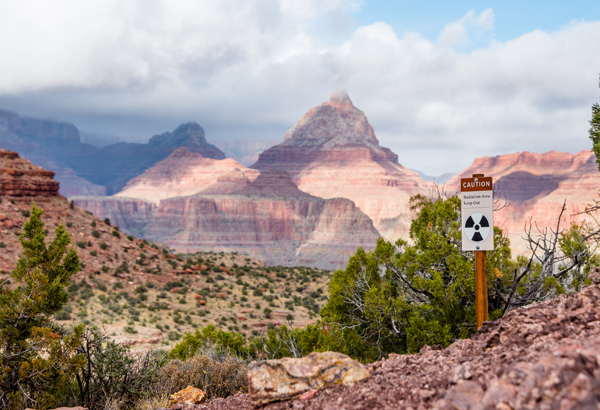
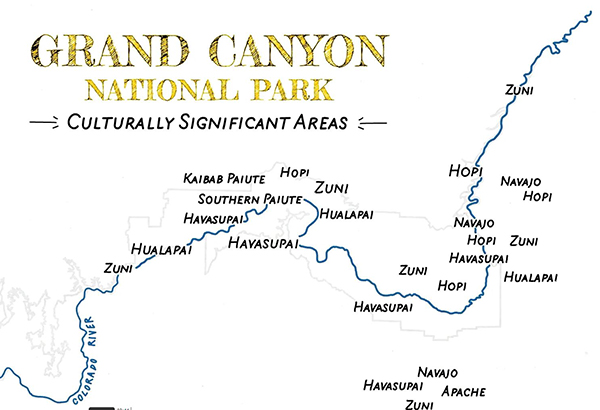
Beginning in 2006, the price for uranium began to rise. As a result, thousands of new claims were filed within watersheds that drain directly into Grand Canyon National Park and the Colorado River (see map). A Canadian-owned company reopened the White Mesa Mill in Blanding, Utah, and began processing uranium for powering nuclear reactors in South Korea and France. The U.S. Forest Service began permitting exploratory drilling for uranium without requiring an environmental assessment. The Bureau of Land Management moved to allow uranium mines that were abandoned by previous owners during the 1980s without requiring any revisions to outdated environmental assessments.

The following summarizes some of the actions, events, and articles that are shaping the future of uranium mining on public land surrounding Grand Canyon National Park.

2007

Grand Canyon Trust begins to develop strategic plan in response to increased uranium mining activities in Grand Canyon watersheds.

August 1. Environmental Working Group releases study on uranium mining threats to national parks.

Dec. 20. Kaibab National Forest approves Vane Minerals “plans of operations” for exploratory drilling on uranium targets on the Tusayan Ranger District.

2008

Feb. 5. Coconino County Board of Supervisors passes resolution  opposing uranium development on Grand Canyon National Park watersheds that lie within Coconino County, AZ. Arizona Daily Sun article.

Feb. 7. “Uranium Exploration Near Grand Canyon;” New York Times article.

February 11. Citing widespread public opposition and a flawed environmental review, the Center for Biological Diversity, Grand Canyon Trust, and Sierra Club send letter requesting that the Kaibab National Forest withdraw approval of up to 39 new uranium-exploration drilling sites immediately south of Grand Canyon National Park.

Feb. 12. “Cold War Threat to Navajo” New York Times editorial tied to Grand Canyon region and oversight hearings by California Representative Henry Waxman.

Feb. 21. “Mining near Grand Canyon a radioactive idea;” AZ Daily Star editorial.

March 2. “A Grand Place to Mine;” Pew Environment Group and Environmental Working Group editorial.

March 17. Arizona Congressman Raul Grijalva introduces the Grand Canyon Watersheds Protection Act (H.R. 5583). Arizona Game & Fish Commission letter to Senator John McCain expressing concern about uranium mining around the Grand Canyon.

March 24.  Grand Canyon Trust, Center for Biological Diversity, and Sierra Club file for temporary restraining order and preliminary injunction against Kaibab National Forest approval of plans of operations for exploratory uranium drilling.

March 25. Metropolitan Water District of Southern California sends letter to Secretary Kempthorne expressing concerns about uranium mining in the Grand Canyon vicinity.

March 28. Joint Subcommittee Oversight Field Hearing on “Community Impacts of Proposed Uranium Mining near Grand Canyon National Park” in Flagstaff, AZ. Testimony by Navajo Nation President Joe Shirley and Southwest Research and Information Service scientist Chris Schuey“Mining, Indian leaders disagree on uranium mining effects;” Tucson Citizen  story.

March 28. “As Uranium Firms Eye N.M., Navajos Wary;” Washington Post story.

March 30. “We know the drill;” Arizona Republic editorial.

April 4. Federal court hearing on GCT, SC, CBD complaint against USFS & Vane Minerals on Categorical Exclusion for exploratory drilling on Tusayan District of Kaibab National Forest.

April 10. United States District Judge Mary Murguia grants plaintiff’s motion for a temporary restraining order and preliminary injunction to halt uranium drilling on Kaibab National Forest.

April 21. “Standing United;” Indian Country Today story.

May 14. “Uranium Mine Permits Denied;” AZ Daily Sun story.

May 26. “Uranium: It’s worse than you think;” High Country News editorial.

June 5. House Subcommittee on National Parks, Forests and Public Lands Legislative Hearing on H.R. 5583 Grand Canyon Watersheds Protection Act. Testimony by former Grand Canyon Superintendent Rob Arnberger and Grand Canyon Trust Air & Energy Director Roger Clark.

June 16. Southern Nevada Water Authority sends letter to Secretary Kempthorne expressing concerns about uranium mining in the Grand Canyon vicinity.

June 25. U.S. House of Representative’s Committee on Natural Resources votes 20-2 in favor of a resolution that requires the Secretary to withdraw public lands surrounding Grand Canyon from new uranium claims and exploration. “Mining Halted near Grand Canyon;” Associated Press story.

June 26. “New uranium mining halted at Canyon;” AZ Republic story; “Permanent Protection,” AZ Republic editorial “Use timeout on uranium mining to reform U.S. law;” AZ Daily Sun editorial.

June 27. “Resolution saves canyon from mining — for a while;” AZ Daily Star editorial.

July 16.     Letter from Nick Rahall, Chairman Committee on Natural Resources to Interior Secretary Kempthorne regarding the Committee on Natural Resources’ emergency withdrawal resolution.

Aug. 19. “Do uranium mines belong near Grand Canyon?” Christian Science Monitor story.

Aug. 20. “Uranium Claims Inundate Canyon;” Fall Advocate article.

Sept. 26. Plaintiff’s reach a settlement agreement with the United States Forest Service and VANE Minerals, requiring the agency to prepare an environmental impact statement before exploratory drilling on the Kaibab National Forest can continue.

Sept. 29. Grand Canyon Trust, Center for Biological Diversity, and Sierra Club Grand Canyon Chapter file lawsuit against Secretary of Interior Dirk Kempthorne for authorizing uranium exploration near Grand Canyon National Park in defiance of a congressional resolution prohibiting such activities across 1 million acres of public lands in watersheds surrounding the Park.

Oct. 1. “Grand Canyon no place for uranium mining;” AZ Daily Star editorial.

Oct. 13. “Mining ban should stay;” AZ Republic editorial.

Oct. 14. “With McCain’s Tacit Approval, Bush Rushes to Open Grand Canyon to Toxic Uranium Mining;” Think Progress story.

Oct. 18. “Saving the Desert Southwest;” Tom Kenworthy Washington Post editorial.

Oct. 21.  New Mexico Senator Jeff Bingaman sends letter to Secretary Kempthorne in strong opposition to a proposed rule to remove regulations allowing emergency withdrawals of public lands from mineral development.

Oct. 25. “The Grand Canyon in Peril;” Roger Clark Washington Post letter to the editor.

Nov. 23. “The Fight: Uranium Drilling at Canyon;” AZ Republic, story.

Dec. 4. In defiance of the June 25th emergency resolution by Congress, Secretary of the Interior Kempthorne announces plans to finalize a new rule that eliminates a regulatory provision requiring the Bureau of Land Management to withdraw lands from mining when Congress determines that there is an emergency situation requiring immediate action. However, it is not implemented before the Obama administration takes office.

2009

May 6. “BLM authorizes Grand Canyon uranium exploration;” NYT story.

June 27. “Company seeks uranium mine permit near Grand Canyon;” AP story.

July 20.  Secretary Salazar visits the Grand Canyon and announces two-year “Time-Out” from new mining claims on watersheds surrounding Grand Canyon National Park.  “Ban Set on Mining Claims Adjacent to Grand Canyon;” New York Times story, “137 Years Later;” NYT editorial.

July 21. House Subcommittee on National Parks, Forests and Public Lands legislative hearing on H.R. 644; testimony by Grand Canyon Trust Executive Director Bill Hedden, Havasupai Vice Chairman Matthew Putesoy, and UNLV professor Dave Kreamer.

July 22. “Interior efforts protect public;” AZ Republic editorial.

July 23-25. Protest at Red Butte. “Nearly 300 people, including approximately 150 Havasupai people who traveled from their homes in Supai Village, gathered at Red Butte to participate in ceremonies and strategy sessions to stop uranium mining near Grand Canyon. Other supporters from Hualapai, Hopi, Kaibab Paiute, Paiute, and Navajo communities attended as well.” Please see Censored News blogspot.

July 22. “Uranium mining at canyon: Interior efforts protect public;” AZ Republic editorial.

July 25. “Reform mining law to deal with uranium mines;” AZ Daily Sun editorial, and “Canyon’s ‘guardians’ press for protections;” Matthew Putesoy AZ Republic editorial.

Aug. 14.   President Obama and family visit the Grand Canyon.

Aug. 26.  BLM issues notice to prepare Environmental Impact Statement on proposed mining withdrawal, sets comment period, and issues invitation to attend public meetings.

September 3.  Hualapai Tribal Council resolution passes in support of Secretary Salazar’s proposed mineral withdrawal.

Sept. 9. GCT and partners file notice of intent to sue BLM over ESA violations connected to uranium mining.

Havasupai demonstrate against uranium mining in the Grand Canyon

Oct. 15.  Flagstaff Scoping Meeting. “Instead of providing written comments, Havasupai elders decided to voice their support for the protective action by praying, drumming, and singing in the middle of the meeting room.” From “Uprising at Red Butte;” Grand Canyon Trust Advocate article.


Nov. 16.   Center for Biological Diversity, Grand Canyon Trust, and Sierra Club file suit in an Arizona federal court challenging the Bureau of Land Management’s approval of the restart of Arizona 1, a defunct uranium mine just north of Grand Canyon National Park.

2010

Arizona 1 uranium mine

Jan. 14. Uranium mining resumes at Arizona 1 mine, north of Grand Canyon. “Employees working for Denison Mines began removing high-grade ore at the Arizona 1 mine north of the Grand Canyon in late December, according to the company’s president, and trucking it to a mill near Blanding, Utah. Arizona Daily Sun story.

February 18. U.S. Geological Survey releases report detailing potential effects of uranium mining in the Grand Canyon region. Please see summary.

April 8. Congressional field hearing entitled “On the Edge: Challenges Facing Grand Canyon National Park,” convened by House Subcommittee on National Parks, Forests, and Public Lands and Subcommittee on Water and Power. Testimony by Havasupai tribal council member Carletta Tilousi, Navajo river guide Nikki Cooley, Grand Canyon Trust executive director Bill Hedden, and NAU professor Abe Springer. Please see news coverage of the hearing.

April 29. Video  released by EcoFlight provides a bird’s eye view of uranium mining sites situated around the Grand Canyon and its watersheds, featuring Grand Canyon Trust program director.

May 3.  The Environmental Protection Agency notifies Denison Mines Corporation that its Arizona 1 mine, located 35 miles from Fredonia, Arizona, has been issued a violation for emissions that violate the Clean Air Act.

May 10. Grand Canyon Trust organizes trip with the Havasupai Chairwoman and three council members to Washington, DC to meet with key sponsors of the Grand Canyon Watersheds Protection Act in the House, potential Senate sponsors, and agency officials in EPA and DOI.

May 18. National Park Service releases internal report on potential impacts of uranium mining on wildlife in Grand Canyon.

July 8. Videos of Miners and Spinmeisters. BBC reporter Leana Hosea visits the Grand Canyon Trust while researching stories about the resurgence of uranium mining in the Grand Canyon region. Video interviews: Uranium miners and Denison Executive Vice President Harold Roberts: Part 1 ; Part 2; Part 3 ; Part 4.

July 12.  Conservation groups and Native American tribes appeal a federal court decision that denied a request to halt uranium mining just six miles north of Grand Canyon National Park. The appeal filed with the Ninth District Court of Appeals challenged a lower court’s June 17 decision on the groups’ request for a preliminary injunction at the Arizona 1 uranium mine.

Sept. 23. Judy Pasternak, formerly an environmental writer for the Los Angeles Times, publishes her new book, Yellow Dirt: An American Story of a Poisoned Land and a People Betrayed .

Nov. 5. As a British mining company is pushing ahead with plans to re-start uranium mining in the Grand Canyon area, Ecologist investigation reveals communities in the Navajo reservation are still   suffering the effects of uranium mining today.

Dec. 1. Arizona Department of Environmental Quality hosts several public meetings to permit three uranium mines within Grand Canyon watersheds. Please see news video featuring Trust interview on upcoming meetings.

Dec. 1. Action Alert: Help Ban New Uranium Claims!

Dec. 7. Responding to requests from the Grand Canyon Trust, Flagstaff City Council passes a resolution supporting Secretary of Interior Salazar’s proposed 20-year ban on new mining claims on one million acres of federal lands surrounding Grand Canyon National Park.

Dec. 25. Flagstaff Mayor Sara Presler’s letter-to-the-editor, in support of the moratorium is printed in the Arizona Republic.

2011

Jan. 6.  Arizona Department of Environmental Quality hosts information meeting in Flagstaff. “Diné environmentalists on Jan. 6 joined a chorus of about 60 area citizens who spoke against issuing air and water quality permits for new uranium mines near the rim of the Grand Canyon, with one calling the hearing an ‘insult.” Navajo Times article.

Jan. 16. “Mining on the honor system;” AZ Daily Sun story and “Contamination hard to trace;” article.

Jan. 18. Grand Canyon Trust and allies submit comments

on uranium permits to Arizona Department of Environmental Quality (ADEQ).

Jan. 19. “Concerns raised over proposed uranium mines, ore transport,” Gallup Independent  story.

Jan. 31.  Northern Arizona legislators send letter expressing their concern over proposed uranium mining near Grand Canyon National Park in a letter to the Arizona Department of Environmental Quality (ADEQ) after the agency was unable to quell public concerns at a recent ADEQ presentation in Flagstaff.

Feb. 17. The Department of the Interior releases Draft Environmental Impact Statement (DEIS) and is “seeking public comment on a proposal to withdraw lands in the Grand Canyon watershed that would affect uranium and other hardrock mineral development in that area.” Grand Canyon Trust and allies’ press release.

News and editorials:

“Demand for uranium threatens Grand Canyon biodiversity;” Guardian story.

“Proposed uranium mining ban set for meetings;” Associated Press story.

“U-mining along Grand Canyon? Just say never;” Santa Fe New Mexican editorial.

“Grand Canyon Mining Ban in the Works;” Public News Service story.

“Uranium plan released by Department of Interior;” Grand Canyon News story.

“Public now can weigh in on Grand Canyon mining;” Arizona Republic editorial.

“Chabin: Uranium mining would hurt Grand Canyon area;” editorial.

March 7. “The Grand Canyon Uranium Rush;” New York Times editorial.

March 8. Public meeting in Flagstaff on DEIS produces protest. “Feds get feedback on Grand Canyon uranium mining;” National Public Radio story.

March 10. Grand Canyon Trust offers in-depth background information to assist public in commenting on the Draft EIS for the proposed mineral withdrawal.

March 11. The Fukushima Daiichi nuclear disaster is triggered by a magnitude 9.0 earthquake and tsunami. Uranium prices drop by about 35 percent, but not enough to make uranium mining around the Grand Canyon unprofitable.

March 23. Report by Elliot D. Pollack & Company raises substantive questions about the accuracy of economic information contained in the draft EIS regarding the economic impact of uranium mining in northern Arizona near Grand Canyon.

March 26. Benefit concert in Flagstaff to stop Grand Canyon uranium mining.

March 29.  Broad-based support builds for 1 million acre withdrawal at Grand Canyon. Please see: Cottonwood Mayor Diane Joens, State Representative Tom Chabin, Sedona Chamber of Commerce, and Sustainable Economic Development Initiative.

April 4. The Arizona Game and Fish Commission endorses “a U.S. Department of the Interior proposal to withdraw more than 1 million acres surrounding the Grand Canyon from mining for the next 20 years;” Cronkite News story.

April 4. Arizona Tourism Alliance supports in letter to the Secretary of the Interior.

April 6.   “As owners of two Flagstaff-based Grand Canyon river rafting outfitters, we strongly support Interior Secretary Ken Salazar’s ban on new uranium claims on 1 million acres around Grand Canyon National Park;” Arizona Daily Sun letter to the editor.

April 6. Native American leaders meet with officials in Washington, DC to support ban on new hardrock mining claims near the Grand Canyon. Please see EE News story & photos.

April 8. “Report challenges economic impact of Grand Canyon uranium mining;” Gallup Independent story.

April 14.  Support for uranium mining ban swells  as Interior Department extends DEIS comment period.

April 14   “Arizona Trout Unlimited State Council supports Alternative B — withdrawal of 1,010,776 acres of federal locatable mineral estate be withdrawn for 20 years from operation of the Mining Law, subject to valid existing rights.”

April 20.  “Time to lift ban on uranium mining near Grand Canyon? Deadline nears;” Christian Science Monitor story.

April 25.  Tusayan Town Council unanimously opposes Grand Canyon uranium mining. Please see letter.

April 26. New video is released urging protection of Grand Canyon with narration by Craig Childs and interviews with Professor Dave Kraemer.

April 27. Ecological Society of America opposes  Grand Canyon uranium mining. Please see letter.

April 29. “Uranium Mining in the Southwest: Legacies of a Poisoned Past, Possibilities for Future Policy.” Symposium at Northern Arizona University with author Judy Pasternak and Grand Canyon Trust program associate Hertha Woody.

April 30. “Uranium mining and Grand Canyon,” Salt Lake Tribune op-ed by Grand Canyon rafting guide Walker Mackay.

May 4.  Grand Canyon Trust, Center for Biological Diversity, Grand Canyon Wildlands Council and Sierra Club Grand Canyon Chapter submit Grand Canyon uranium mining DEIS comments on Draft EIS for proposed withdrawal.

May 4. Arizona Game and Fish Department submits comments Grand Canyon uranium mining.

June 6. A full-page ad is printed in the New York Times, featuring an open letter from 50 statesmen, scholars and conservation leaders and urging a 20-year extension of a one-million-acre mining buffer around Grand Canyon National Park. Please see story.

June 6.  “As decision on Grand Canyon mining nears, sides line up;” McClatchy Newspapers story.

June 7. Nevada, California, Arizona water providers express concerns about Grand Canyon area uranium mining.

June 8. Former Interior Secretary Babbitt takes Obama Administration to task on conservation issues in speech at the National Press Club, Washington, DC.

Interior Secretary Salazar at Grand Canyon June 2011 Photo: Michael Quinn/NPS

June 21.  Interior Secretary Salazar announces mining segregation extension at Grand Canyon and preferred alternative of a 20-year ban on 1.1 million acres. See video.

News and editorials:

“Uranium Mine Moratorium Extended at Grand Canyon;” New York Times story.

“20-year ban planned on new Grand Canyon uranium mining;” Los Angeles Times story.
“Government extends Grand Canyon mining-claims ban for six months;” Cronkite News story.

“Uranium-mining ban is extended;” Arizona Republic story.
“Secretary Salazar suggests mining ban near Grand Canyon;” Salt Lake Tribune story.

“Canyon decision is the right one;” Arizona Republic editorial.
“White House right to back mining ban near Grand Canyon;” AZ Daily Star editorial.

“In Arizona, uranium resources are worth a careful look;” Washington Post editorial.

“Mining ban;” Salt Lake Tribune editorial.

“Timeout called for Grand Canyon;” Santa Fe New Mexican editorial.

“Mining and the Canyon;” New York Times editorial.

More news and editorials.

June 30. Congressman Grijalva says conservation wins a big one at Grand Canyon.

July 5. “We will attempt to strike language that allows new uranium mining near Grand Canyon National Park.” House Appropriations Committee Ranking Democratic Member Rep. Norm Dicks says current bill the worst Interior & Environment Appropriations bill in 35 years of service on the Subcommittee.

July 8.  Arizona Corporation Commissioner Paul Newman and Arizona Representative Daniel Patterson  speak out in favor of Grand Canyon mining ban.

July 12.  Tourism businesses and sportsmen see economic threat in congressional effort to overturn protections for national park.

July 12.  “Keep the ban on uranium mines;” Arizona Republic editorial.

July 13.  Sparks fly over Grand Canyon rider at House approps markup.

July 18.  As bid to overturn Grand Canyon uranium ban moves ahead, opponents step up.

July 20. “Bill at odds with nation’s values;” AZ Republic editorial.

July 22.  “Republicans should quit trying to roll back uranium mining moratorium;” Las Vegas Sun editorial.

July 26. Arizona Congressmen Grijalva and Pastor speak out on behalf of protecting Grand Canyon. See video.

July 27. Congressman Grijalva says GOP lawmakers have Canyon under siege.

July 29. “Gosar, Franks on wrong tack;” AZ Republic editorial.

Aug. 5. “GOP vs. Mother Nature;” Los Angeles Times editorial.

Aug. 9. “Fight Over Mining Near Grand Canyon, Other Riders Will Return After Recess,” New York Times editorial.

Aug. 19.  Grand Canyon Under Siege: “Arizona congressman Jeff Flake is leading an extraordinary assault on the Grand Canyon.”

Sept. 14.  Report: “The Economic Importance of National Monuments to Local Communities.”

Sept. 20.  Congressman Ed Markey (D-MA) speaks out against Grand Canyon uranium mining at DC hearing. Watch video.

Sept. 22. More than 200 local business leaders send postcards to Interior Secretary citing economic benefits from protecting Grand Canyon.

Oct. 12. “A group of Republican lawmakers is introducing legislation to stop the
Obama administration from blocking new mining claims around the Grand Canyon;” E&E News story.

Oct. 12. Congressman Grijalva challenges authors of Grand Canyon mining bill: “The only people who support this are mining industry lobbyists…”

Oct. 12. GOP “job killer plan assaults Grand Canyon tourism industry.

Oct. 14.  “The mining proposal here won’t create enough jobs to impact American or Arizonan unemployment…. The mining companies are the only winners in this;” Prescott Courier editorial.

Oct. 18.  “More uranium mining near Canyon a bad idea;” Arizona Republic editorial.

Oct. 24.  Please call White House before Oct. 28 and urge support for Grand Canyon uranium mining ban.

Oct. 26. Big win for Grand Canyon as BLM issues Northern Arizona Proposed Withdrawal Final Environmental Impact Statement.

Oct. 27.  Arizona Congressman Raul M. Grijalva praises BLM recommendation to protect Grand Canyon area from mining claims.

Oct. 30. “Buffering the Grand Canyon;” Douglas Brinkley, New York Times op-ed.

Nov. 1. Congressman Grijalva says “Do not believe GOP Grand Canyon uranium mining claims.”

Nov. 3.  Hearing by Subcommittee on National Parks, Forest and Public Lands on H.R. 3155 “Northern Arizona Mining Continuity Act to preserve the multiple use land management policy in the State of Arizona, and for other purposes.” Opposing witness testimony by Mark Trautwein and  Stephen Verkamp. See Cronkite News story.

Nov. 18. “The heart of why we believe Preferred Alternative should be implemented is simple — this is THE Grand Canyon…” Letter to Secretary Salazar by Grand Canyon River Guides Association.

Nov. 29. Grand Canyon Trust, Center for Biological Diversity file appeal of lower court decision supporting BLM’s permit to allow Arizona 1 uranium mine to re-open without updating its 1988 environmental assessment.

Dec. 12. Secretary of the Interior Ken Salazar’s Record of Decision is imminent, finalizing a hard-won, 20-year ban on new uranium mining claims on more than one million acres of public-land watersheds surrounding Grand Canyon.

2012

Jan. 9.  Success! Today, Secretary of the Interior Salazar ordered a 20-year moratorium on thousands of new mining claims that threaten to industrialize watersheds, which drain directly into Grand Canyon and the Colorado River. The decision culminates a successful, four-year campaign that the Trust initiated in response to a surge in new mining activity as uranium prices began to soar in 2006.

Jan. 9.  Senator McCain is wrong about 1984 Wilderness Act and uranium mining on public lands surrounding Grand Canyon National Park.

Jan. 13. “Diné politicians applaud uranium ban,” Navajo Times story.

Jan. 17.  Congressman Markey says the Grand Canyon not for sale.

Jan. 18.   Earthjustice editorial

Jan. 19. Pew Environmental Group public lands director speaks out on Grand Canyon mining decision.

Jan.20. “Coconino Voices: Expanding uranium mining near Canyon unwise;” Coconino County Supervisor Carl Taylor, Arizona Daily Sun op-ed.

Jan. 22. “Keeping poison out of our water;” Clark County Commissioner Larry Brown, Las Vegas Sun op-ed.

Jan. 23.  “Uranium-mining ban was a grand decision;” Grand Canyon Trust program director Roger Clark, Arizona Republic op-ed.

Jan. 26.  U.S. Geological Survey refutes uranium industry misinformation, says uranium in Grand Canyon withdrawal is 1.5% of US total, not 40% as claimed by AZ/UT politicians.

Jan. 30. New poll shows Arizona/western voters agree that public lands essential to economy.

Share
Posted in Grand Canyon Issues | 1 Comment

CEQ & Forest Service announce project to improve efficiency of federal environmental reviews, 4FRI to be pilot


CEQ and Forest Service Announce Project to Improve Efficiency of Federal Environmental Reviews

Arizona's ponderosa pine forests will be restored with Four Forests Restoration Initiative

WASHINGTON – The Council on Environmental Quality (CEQ) today announced a new National Environmental Policy Act (NEPA) Pilot project under an initiative launched in March 2011 to increase the quality and efficiency of Federal environmental reviews and reduce costs.  CEQ has selected a U.S. Forest Service proposal to develop NEPA best practices for forest restoration projects using lessons learned from two restoration projects currently being analyzed in Arizona and Oregon.

“NEPA is a cornerstone of our country’s environmental protections and critical to protecting the health of American communities and the natural resources we depend on,” said Nancy Sutley, Chair of the Council on Environmental Quality.  “This pilot project will promote faster and more effective Federal decisions on projects that will help restore our forests and support strong and healthy communities and economies.”

“These two projects demonstrate that by involving partners early in the NEPA process we can cut costs and operate more efficiently while still maintaining strong environmental safeguards at the ground level,” said U.S. Forest Service Chief Tom Tidwell.  “We look forward to replicating what we are doing in Arizona and Oregon to other parts of the country where we are engaged in critical restoration work.”

Under this NEPA pilot project, the Forest Service will compare and contrast environmental review methods used for the landscape-scale Four Forest Restoration Initiative in Arizona and the smaller-scale 5-Mile Bell project in Oregon.  The Four Forest Restoration Initiative is an effort to collectively manage portions of four contiguous National Forests.  The pilot includes the first restoration project under consideration, which would cover approximately 1 million acres.  The Forest Service will employ a collaborative NEPA approach to plan and analyze the proposed restoration activities in an Environmental Impact Statement of unprecedented scale and scope for forest restoration projects.  In collaboration with stakeholders, the Forest Service also will develop an adaptive management strategy to allow for flexibility in implementing the restoration projects and minimize the need for future planning and environmental reviews.

The 5-Mile Bell Landscape Management Project is an ecological and habitat restoration project on nearly 5,000 acres of National Forest System lands on the Oregon Coast.  For this smaller scale project, the Forest Service will employ an innovative approach to NEPA by engaging local, state and tribal partners in the environmental review process up front to an unprecedented extent.  In an effort to reduce potential conflicts and delays, the partners will collaboratively prepare the environmental review and implement the selected land restoration project.

CEQ and the Forest Service will compile the lessons learned from the NEPA approaches used for both the small-scale and the landscape scale projects and use them to develop best practices for future land restoration projects.

The Forest Service project is the fifth pilot selected under the NEPA Pilot Program, which is part of a broad CEQ initiative to modernize and reinvigorate how Federal agencies implement NEPA.  Other actions under the modernization initiative include issuing new NEPA guidance for Federal agencies, enhancing public tools to encourage participation in the NEPA process, and forming rapid response teams to help expedite the review process for transportation, transmission and renewable energy projects.

Click here for more information on CEQ’s NEPA Pilots Program

Click here for more information on CEQ’s Initiative to Modernize and Reinvigorate NEPA

Share
Posted in Arizona Issues | Leave a comment

Flagstaff area national monuments celebrate Arizona Centennial with fee free day

                   100 Years, 100 Miles:
                     Flagstaff Area National Monuments
                Celebrate Arizona’s Centennial, 1912-2012
                                          with a Fee Free Day and Special Event                          

Aerial view of Walnut Canyon

FLAGSTAFF, ARIZONA – The National Park Service congratulates the great state of Arizona on 100 remarkable years of statehood.  Celebrate Arizona’s 100th year as the 48th state with the National Park System of Arizona and the Flagstaff Area National Monuments.  Bring your family and friends to one or more of Flagstaff’s National Monuments – Walnut Canyon, Sunset Crater Volcano and Wupatki on Tuesday, February 14, 2012 to commemorate this monumental event.

The Flagstaff Area National Monuments staff is actively celebrating this special event by carrying the Arizona state flag 100 miles on the Walnut Canyon Rim Trail, Walnut Canyon Island Trail, the Sunset Crater Lava Flow Trail and the Wupatki Pueblo Trail!  Help us reach our goal by walking one mile or more on February 14, 2012.  This is a great way to enjoy the outdoors and experience the natural and cultural resources of the monuments, while wishing the 48th state a happy 100th.

With your help, we will walk a mile for each year Arizona has been a state.
To be part of this special event, please sign up by calling (928) 526-3367.
All ages are welcome.  Come take the Arizona State flag for a walk!

Our park partner, the Western National Parks Association (WNPA), will also celebrate Arizona’s Centennial by offering a 15% discount on all products at the monument bookstores on February 14, 2012.

In addition, these additional National Park System sites in Arizona will offer fee-free entry on Tuesday, February 14th: Casa Grande Ruins, Chiricahua, Montezuma Castle, Organ Pipe Cactus, Pipe Springs, Sunset Crater Volcano, Tonto, Tuzigoot, Walnut Canyon, and Wupatki National Monuments; Grand Canyon, Petrified Forest, and Saguaro National Parks; Tumacacori National Historical Park; and Glen Canyon and Lake Mead National Recreational Areas (only at Katherine’s Landing, Arizona).

Share
Posted in Arizona Issues | Leave a comment

Historic Partnership Advancing Science on the North Rim of Grand Canyon

Vermilion Cliffs seen from House Rock Valley

FLAGSTAFF, AZ – Against the stunning backdrop of the Kaibab Plateau and Vermilion Cliffs, a pioneering partnership has been forged to bolster the science guiding resource management and public lands stewardship along the North Rim of the Grand Canyon.

On January 25, 2012, the Grand Canyon Trust, Arizona Game and Fish Department, Bureau of Land Management, Northern Arizona University, University of Arizona, U.S. Forest Service, and U.S. Geological Survey signed a Memorandum of Understanding, ushering into existence the Kane and Two Mile Research and Stewardship Partnership – a collaborative group of scientists, livestock producers, and resource managers actively pursuing science-based solutions to the challenges facing this dramatic landscape.

Kaibab Plateau lupines and ponderosa pines Photo by Michael O'Hara

“This Partnership creates an exciting opportunity for us to pool resources across organizations and to work collectively to answer the questions most relevant to land managers,” according to Ron Sieg, Regional Manager for the Arizona Game and Fish Department.

“Formalizing this Partnership is an endorsement of all the hard work everyone has put in since the 2005 purchase of the ranches by the Grand Canyon Trust and The Conservation Fund. We are entering a new era in public lands stewardship, and this commitment to applied research will benefit conservation efforts across the West,” added Tom Sisk, Director of the Landscape Conservation Initiative at NAU.

Guided by the Kane and Two Mile Ranches Applied Research Plan, the Partnership has identified several key research initiatives designed to inform management across the 850,000 acres of private land, BLM, and USFS grazing leases that comprise the ranches. These include evaluating the sustainability and effects of various livestock management strategies, identifying key factors responsible for the spread of non-native species, developing methods for restoring semi-arid grasslands, and creating tools for monitoring environmental change – particularly the effects of climate and land- use change.

“The partnership encourages and facilitates research with universities and other entities to answer these very important questions,” said Lorraine Christian, Bureau of Land Management Arizona Strip Field Manager.

These sentiments were echoed by Timothy Short, North Kaibab District Ranger, “The Kaibab National Forest is pleased to participate in this effort as we seek answers to both short and long term questions related to livestock management.”

“Sound science is essential for the development of effective solutions to the challenges faced by land managers,” said David Lytle, Director of the USGS Southwest Biological Science Center. “The USGS looks forward to helping provide the information necessary for our partners to manage their resources sustainably.”

“As both grazing permitee and conservation organization, we are dedicated to actively pursuing solutions to the conservation challenges posed by a rapidly changing environment,” said Matt Williamson, manager of the Kane and Two Mile Ranch Program at the Grand Canyon Trust. “This Partnership provides an opportunity to do just that.”

The Partnership is meant to formalize an innovative approach to carrying out the science necessary to inform public lands management and address the often contentious issues that arise across the Southwest. In an era of declining budgets for land management agencies, this public-private partnership will enhance capacity to address high priority conservation and stewardship activities. Work occurring under the auspices of the Partnership is already underway, and will expand rapidly over the coming year.

Share
Posted in Arizona Issues, Grand Canyon Issues | Leave a comment